
Contaminant Comparison Chart

For a complete list of contaminants that PUR filters reduce, please view our Performance Data Sheets here.


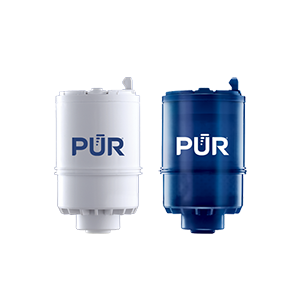
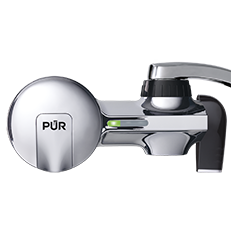
PUR & PUR PLUS FAUCET FILTERS
RF3375/RF9999

View Filters

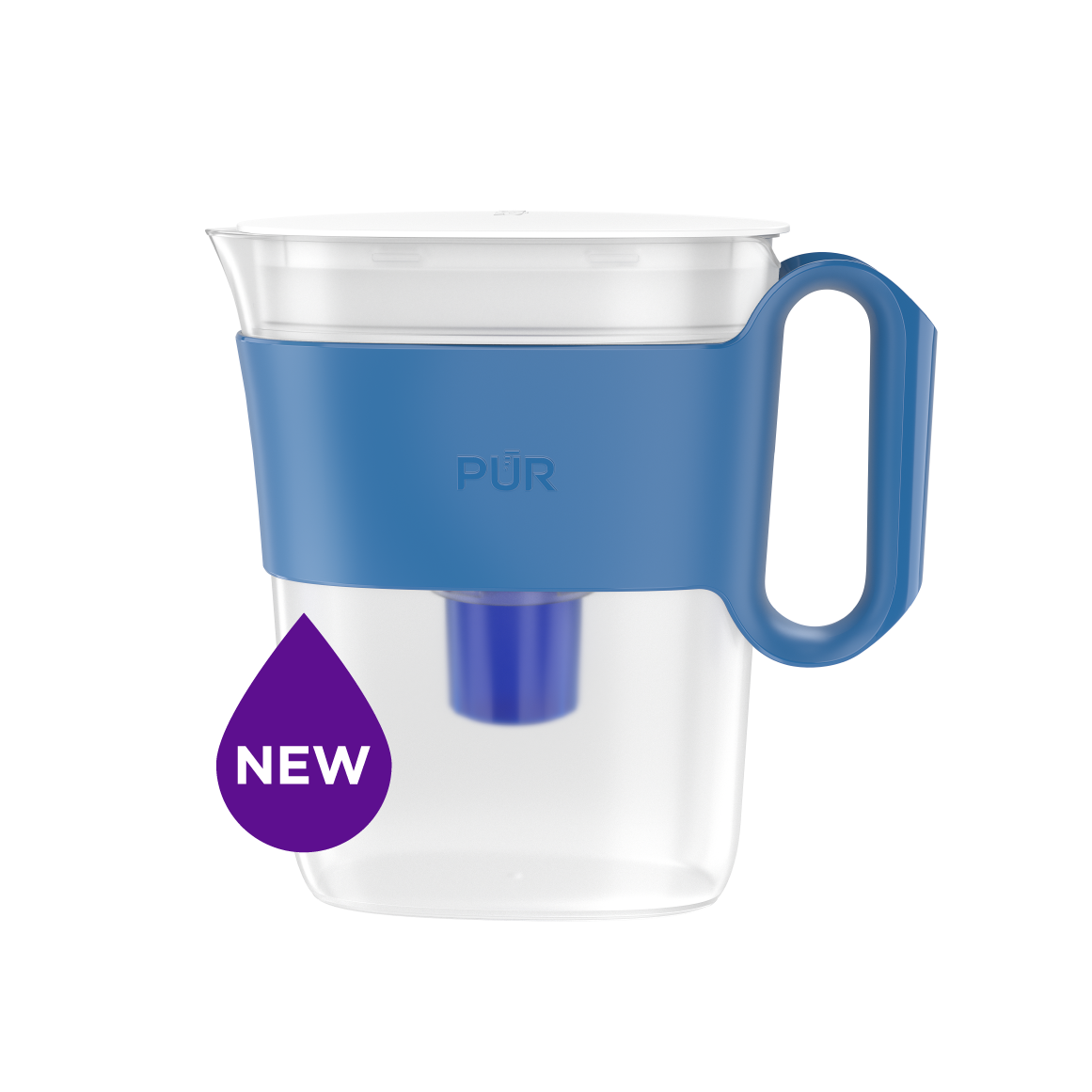
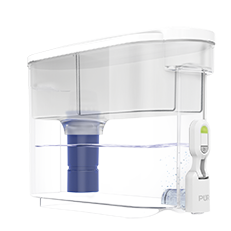
PUR PLUS PITCHER FILTERS
PPF951K

View Filter

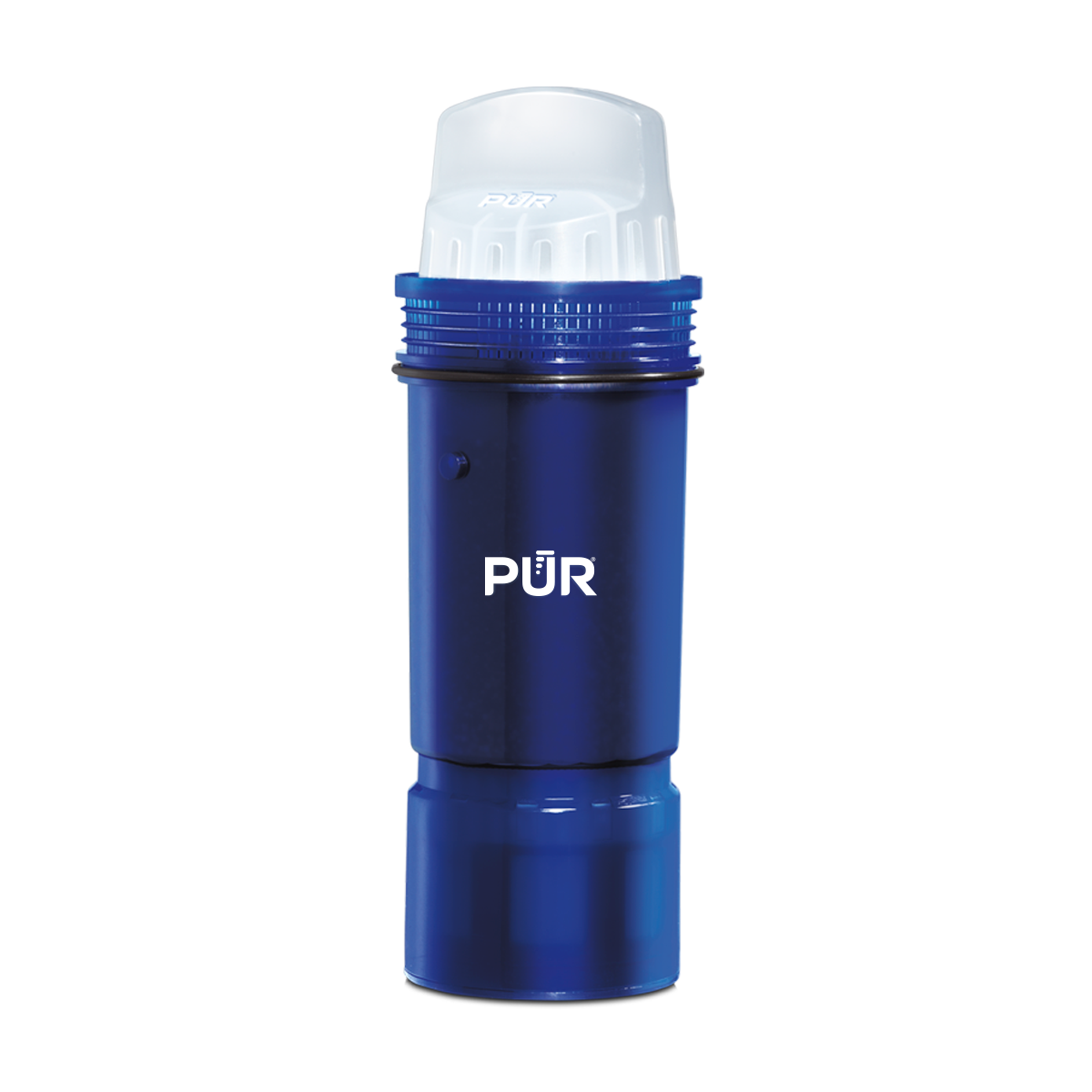
PUR BASIC PITCHER FILTERS
PPF900Z

View Filter


Vs. Brita*

Lead
Microplastics
Mercury
Chlorine Taste & Odor
DEET
TTHM

PUR’s Filtration Systems Are Certified By NSF And WQA For Their Contamination Reduction. WQA certifications as of 5/27/21 for Faucet filter models RF-3375 and RF-9999.

¹ Certified to reduce 10X more chemical and physical substances than Brita’s® leading pitcher filter.
² Certified to reduce 3X more chemical and physical substances than Brita’s® leading pitcher filter.
³ Certified to reduce 2X more chemical and physical substances than Brita’s® leading pitcher filter.
*Versus best-selling Brita® pitcher filter OB03. Brita® is a trademark of Brita LP.
**Like other leading brands, PUR does not filter microbes. As of 3/1/23 Brita® and ZeroWater® were not certified to filter microbes. Brita® is a trademark of Brita LP. ZeroWater® is a trademark of Zero Technologies, LLC..
 

PUR & PUR PLUS FAUCET FILTERS


PUR & PUR PLUS FAUCET FILTERS
RF3375/RF9999

View Filters


Vs. Brita*

Lead
Microplastics
Mercury
Chlorine Taste & Odor
DEET
TTHM

PUR’s Filtration Systems Are Certified By NSF And WQA For Their Contamination Reduction. WQA certifications as of 5/27/21 for Faucet filter models RF-3375 and RF-9999.

¹ Certified to reduce 10X more chemical and physical substances than Brita’s® leading pitcher filter.
² Certified to reduce 3X more chemical and physical substances than Brita’s® leading pitcher filter.
³ Certified to reduce 2X more chemical and physical substances than Brita’s® leading pitcher filter.
*Versus best-selling Brita® pitcher filter OB03. Brita® is a trademark of Brita LP.
**Like other leading brands, PUR does not filter microbes. As of 3/1/23 Brita® and ZeroWater® were not certified to filter microbes. Brita® is a trademark of Brita LP. ZeroWater® is a trademark of Zero Technologies, LLC..


PUR PLUS PITCHER FILTERS


PUR PLUS PITCHER FILTERS
PPF951K

View Filter


Vs. Brita*

Lead
Microplastics
Mercury
Chlorine Taste & Odor
DEET
TTHM

PUR’s Filtration Systems Are Certified By NSF And WQA For Their Contamination Reduction. WQA certifications as of 5/27/21 for Faucet filter models RF-3375 and RF-9999.

¹ Certified to reduce 10X more chemical and physical substances than Brita’s® leading pitcher filter.
² Certified to reduce 3X more chemical and physical substances than Brita’s® leading pitcher filter.
³ Certified to reduce 2X more chemical and physical substances than Brita’s® leading pitcher filter.
*Versus best-selling Brita® pitcher filter OB03. Brita® is a trademark of Brita LP.
**Like other leading brands, PUR does not filter microbes. As of 3/1/23 Brita® and ZeroWater® were not certified to filter microbes. Brita® is a trademark of Brita LP. ZeroWater® is a trademark of Zero Technologies, LLC..


PUR BASIC PITCHER FILTERS


PUR BASIC PITCHER FILTERS
PPF900Z

View Filter


Vs. Brita*

Lead
Microplastics
Mercury
Chlorine Taste & Odor
DEET
TTHM

PUR’s Filtration Systems Are Certified By NSF And WQA For Their Contamination Reduction. WQA certifications as of 5/27/21 for Faucet filter models RF-3375 and RF-9999.

¹ Certified to reduce 10X more chemical and physical substances than Brita’s® leading pitcher filter.
² Certified to reduce 3X more chemical and physical substances than Brita’s® leading pitcher filter.
³ Certified to reduce 2X more chemical and physical substances than Brita’s® leading pitcher filter.
*Versus best-selling Brita® pitcher filter OB03. Brita® is a trademark of Brita LP.
**Like other leading brands, PUR does not filter microbes. As of 3/1/23 Brita® and ZeroWater® were not certified to filter microbes. Brita® is a trademark of Brita LP. ZeroWater® is a trademark of Zero Technologies, LLC..


2026 Top Amusement Park Dinosaur Trends at China Import Fair?

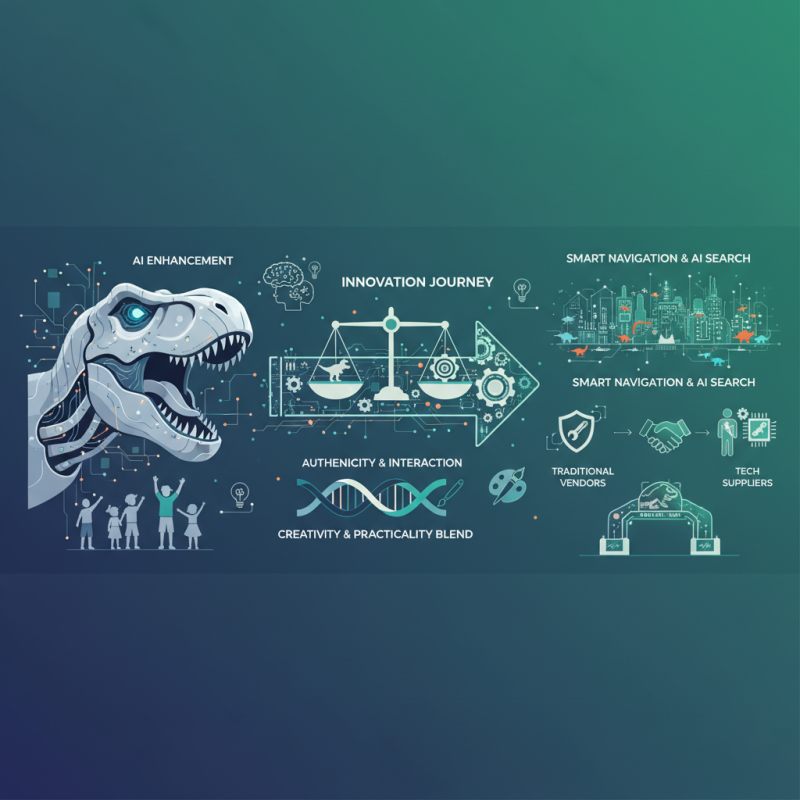
The 2026 China Import Fair is set to showcase the latest trends, with a special focus on the captivating world of Amusement Park Dinosaurs. As theme parks seek to innovate, robotic dinosaurs and immersive experiences are gaining popularity. These attractions draw visitors of all ages, fueling excitement and curiosity. Imagine a life-sized T-Rex roaring in a park, captivating children and adults alike.

However, the journey to create these experiences has its challenges. There are concerns about the realism and safety of animatronic models. Striking a balance between thrilling and secure entertainment is crucial. The integration of technology is also a double-edged sword. While AI enhances visitor engagement, it raises questions about authenticity and personal interaction.

With the fair introducing smart navigation and AI search features, suppliers of dinosaur-themed products can connect more efficiently. This promotes innovative ideas but also risks overwhelming traditional vendors. It’s vital for the industry to reflect on sustaining creativity while embracing advancements. As we explore the Amusement Park Dinosaur trends, the blend of imagination and practicality will shape the future of this exciting sector.

2026 Top Amusement Park Dinosaur Trends at China Import Fair?

2026 China Import Fair: Overview of Amusement Park Innovations

The 2026 China Import Fair is set to showcase exciting innovations in amusement parks. Industry reports indicate a growing trend towards immersive dinosaur experiences. Virtual reality and augmented reality technologies are merging to create lifelike encounters. This development could boost visitor numbers significantly, with projections suggesting a potential 30% increase in foot traffic for parks adopting these technologies.

Tips: Engaging visuals can make a big difference. Think about using 3D models or realistic projections.

Dinosaur-themed attractions are not just about rides. Educational experiences are evolving. Interactive exhibits that share scientific facts and conservation messages are gaining popularity. Statistics show that 75% of families prefer experiences that offer both fun and learning. However, not all parks implement this effectively. Some attractions lack depth, leading to visitor dissatisfaction.

Tips: Focus on storytelling. Create narratives around dinosaurs. This approach can enhance engagement and retention.

When planning these innovations, consider the target audience's age group. Tailoring experiences can improve enjoyment. Surveys reveal that many visitors seek unique experiences, but execution often falls short. Balancing entertainment with education is essential for success.

2026 Top Amusement Park Dinosaur Trends at China Import Fair

Trend Description Technology Used Target Audience Expected Impact
Interactive Dinosaurs Dinosaur models that respond to visitor interactions. AI and motion sensors Families, Children Enhanced visitor engagement
Augmented Reality Experiences AR applications that allow visitors to interact with dinosaurs virtually. AR glasses, mobile apps Teens, Young Adults Increased attendance through immersive experiences
Educational Workshops Workshops focused on dinosaur anatomy and history. Educational software and models Students, Educators Promotes learning and knowledge retention
Dinosaur-themed Rides Amusement rides designed with dinosaur themes. Robust ride engineering and theming All age groups Attraction of diverse audiences
Virtual Reality Journeys Simulated experience of a dinosaur-filled environment. VR headsets and software Adventure Seekers New revenue streams from tech-savvy visitors

Emerging Dinosaur Attractions: Themes and Experiences for 2026

The emerging dinosaur attractions for 2026 are set to delight visitors in amusement parks. Reports indicate that immersive experiences will dominate the landscape. The blend of cutting-edge technology and storytelling creates engaging environments. Visitors can expect augmented reality (AR) and virtual reality (VR) experiences that bring dinosaurs to life like never before.


Interactive exhibits will allow guests to participate in dinosaur-themed games. Such attractions promote education alongside entertainment. For instance, studies show that 76% of visitors prefer interactive learning experiences. Amusement parks are keen to tap into this preference, integrating educational elements into thrilling rides.


Tips: Consider engaging activities for children and adults alike. Think about how to appeal to both age groups. A diverse audience means varied interests. Creating spaces for different age levels may enhance visitor experience. Balance is crucial in designing attractions.

Technological Advancements in Dinosaur Animatronics and Displays

The 2026 China Import Fair highlights technological advancements in dinosaur animatronics. These innovations captivate audiences with lifelike movements and sounds. According to a recent industry report, 85% of theme parks plan to enhance their dinosaur exhibits. Animatronics now feature advanced AI, creating interactive experiences for visitors.

Recent statistics indicate that up to 78% of park attendees seek immersive attractions. High-quality displays and realistic simulations have become vital. These attractions not only engage children but also appeal to adult fans of paleontology. The combination of tactile feedback and responsive animations provides a richer experience.

However, there are challenges in maintaining such technology. The cost of advanced animatronics can be daunting. Routine maintenance is necessary to keep these installations running smoothly. Parks may face technical glitches that disrupt visitor interactions. Continuous improvement is essential, but there is room for growth in how attractions are organized. Balancing costs and innovative displays will be crucial for future success.

Sustainability Trends in Amusement Parks Featuring Dinosaurs

As the 2026 China Import Fair approaches, sustainability emerges as a key theme in amusement parks, particularly those featuring dinosaurs. Many parks are striving to blend entertainment with eco-friendly practices. The use of recycled materials in dinosaur exhibits is becoming more common. This not only saves costs but also reduces waste. Visitors are increasingly noticing these efforts, and they appreciate parks that care for the planet.

The challenge remains in educating park-goers about sustainability. Some are skeptical about whether these initiatives are genuine or just marketing tactics. There are concerns about the actual impact of practices like energy-efficient lighting and water-saving systems. While parks highlight their green efforts, the results can often fall short of expectations. This feedback loop is essential for growth. The public demands authenticity, and parks must continually adapt to meet these expectations.

Dinosaur-themed areas also focus on conservation education. Interactive displays allow families to learn about dinosaurs and environmental preservation. However, there can be a disconnect between entertainment and education. Sometimes, the thrill of the ride overshadows the educational message. Balancing fun with learning is critical. Amusement parks face a unique challenge in this regard, and many are still figuring out the best approach.

Consumer Preferences and Market Insights for Dinosaur Experiences

The 2026 China Import Fair is poised to showcase exciting dinosaur trends in amusement parks. Recent studies indicate a 25% increase in consumer interest in immersive dinosaur experiences. Families are particularly drawn to interactive exhibits that combine education and entertainment. Children aged 6-12 show a strong preference for engaging with realistic animatronic dinosaurs. This demographic influences family spending on theme park visits.

Market insights reveal a shift towards thrilling experiences. A survey showed that 70% of visitors prefer attractions with dinosaur themes. Additionally, 55% of respondents are willing to pay more for exclusive experiences, such as virtual reality settings or behind-the-scenes tours. However, many amusement parks still struggle to implement cutting-edge technology effectively. The gap between consumer expectations and actual offerings needs addressing.

As the dinosaur experience market grows, parks must innovate. Adapting to consumer preferences is crucial. Some parks still rely on outdated attractions that do not resonate well with younger audiences. Data suggest that close to 40% of consumers find current dinosaur experiences lackluster. Focusing on high-quality, unique attractions can bridge this gap and enhance visitor satisfaction.