Contaminant Comparison Chart

For a complete list of contaminants that PUR filters reduce, please view our Performance Data Sheets here.


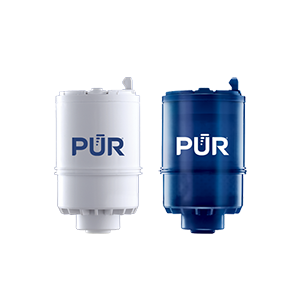
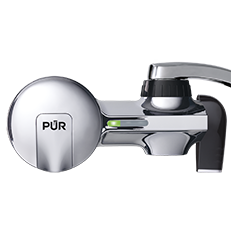
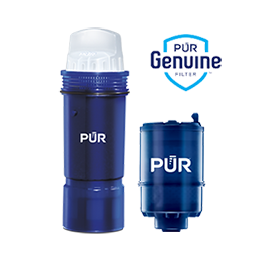
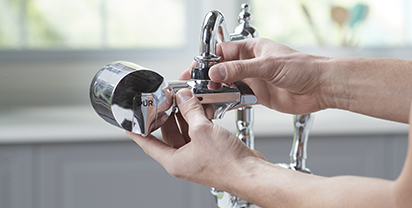
PUR & PUR PLUS FAUCET FILTERS
RF3375/RF9999

View Filters

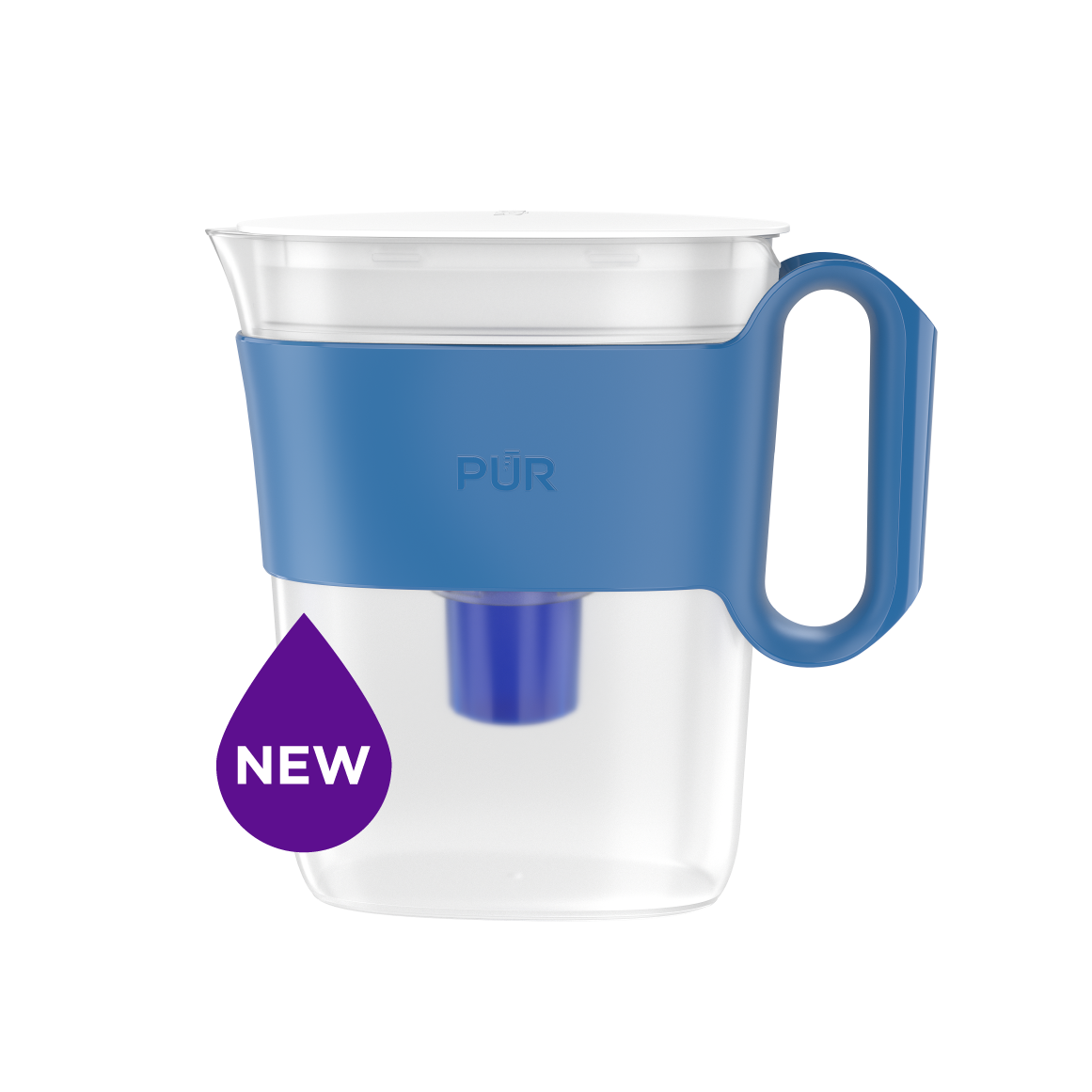
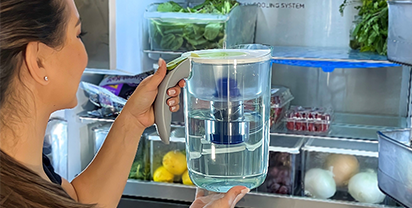
PUR PLUS PITCHER FILTERS
PPF951K

View Filter

PUR BASIC PITCHER FILTERS
PPF900Z

View Filter


Vs. Brita*

Lead
Microplastics
Mercury
Chlorine Taste & Odor
DEET
TTHM

PUR’s Filtration Systems Are Certified By NSF And WQA For Their Contamination Reduction. WQA certifications as of 5/27/21 for Faucet filter models RF-3375 and RF-9999.

¹ Certified to reduce 10X more chemical and physical substances than Brita’s® leading pitcher filter.
² Certified to reduce 3X more chemical and physical substances than Brita’s® leading pitcher filter.
³ Certified to reduce 2X more chemical and physical substances than Brita’s® leading pitcher filter.
*Versus best-selling Brita® pitcher filter OB03. Brita® is a trademark of Brita LP.
**Like other leading brands, PUR does not filter microbes. As of 3/1/23 Brita® and ZeroWater® were not certified to filter microbes. Brita® is a trademark of Brita LP. ZeroWater® is a trademark of Zero Technologies, LLC..
 

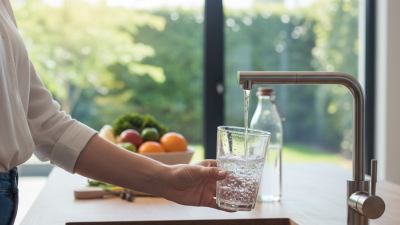
PUR & PUR PLUS FAUCET FILTERS


PUR & PUR PLUS FAUCET FILTERS
RF3375/RF9999

View Filters


Vs. Brita*

Lead
Microplastics
Mercury
Chlorine Taste & Odor
DEET
TTHM

PUR’s Filtration Systems Are Certified By NSF And WQA For Their Contamination Reduction. WQA certifications as of 5/27/21 for Faucet filter models RF-3375 and RF-9999.

¹ Certified to reduce 10X more chemical and physical substances than Brita’s® leading pitcher filter.
² Certified to reduce 3X more chemical and physical substances than Brita’s® leading pitcher filter.
³ Certified to reduce 2X more chemical and physical substances than Brita’s® leading pitcher filter.
*Versus best-selling Brita® pitcher filter OB03. Brita® is a trademark of Brita LP.
**Like other leading brands, PUR does not filter microbes. As of 3/1/23 Brita® and ZeroWater® were not certified to filter microbes. Brita® is a trademark of Brita LP. ZeroWater® is a trademark of Zero Technologies, LLC..
 

PUR PLUS PITCHER FILTERS


PUR PLUS PITCHER FILTERS
PPF951K

View Filter


Vs. Brita*

Lead
Microplastics
Mercury
Chlorine Taste & Odor
DEET
TTHM

PUR’s Filtration Systems Are Certified By NSF And WQA For Their Contamination Reduction. WQA certifications as of 5/27/21 for Faucet filter models RF-3375 and RF-9999.

¹ Certified to reduce 10X more chemical and physical substances than Brita’s® leading pitcher filter.
² Certified to reduce 3X more chemical and physical substances than Brita’s® leading pitcher filter.
³ Certified to reduce 2X more chemical and physical substances than Brita’s® leading pitcher filter.
*Versus best-selling Brita® pitcher filter OB03. Brita® is a trademark of Brita LP.
**Like other leading brands, PUR does not filter microbes. As of 3/1/23 Brita® and ZeroWater® were not certified to filter microbes. Brita® is a trademark of Brita LP. ZeroWater® is a trademark of Zero Technologies, LLC..
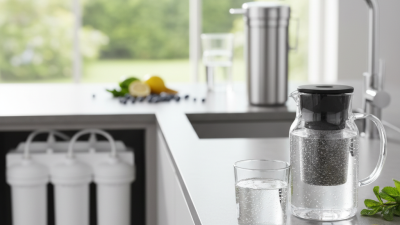
 

PUR BASIC PITCHER FILTERS


PUR BASIC PITCHER FILTERS
PPF900Z

View Filter


Vs. Brita*

Lead
Microplastics
Mercury
Chlorine Taste & Odor
DEET
TTHM

PUR’s Filtration Systems Are Certified By NSF And WQA For Their Contamination Reduction. WQA certifications as of 5/27/21 for Faucet filter models RF-3375 and RF-9999.

¹ Certified to reduce 10X more chemical and physical substances than Brita’s® leading pitcher filter.
² Certified to reduce 3X more chemical and physical substances than Brita’s® leading pitcher filter.
³ Certified to reduce 2X more chemical and physical substances than Brita’s® leading pitcher filter.
*Versus best-selling Brita® pitcher filter OB03. Brita® is a trademark of Brita LP.
**Like other leading brands, PUR does not filter microbes. As of 3/1/23 Brita® and ZeroWater® were not certified to filter microbes. Brita® is a trademark of Brita LP. ZeroWater® is a trademark of Zero Technologies, LLC..

 

2026 Top Drinking Water Filtration System Guide for Clean Water?

Access to clean drinking water is a critical concern globally. According to the World Health Organization, over 2 billion people lack safe drinking water. This alarming statistic highlights the urgent need for effective solutions, such as a high-quality drinking water filtration system. Industry expert Dr. Emily Winters emphasizes, “Investing in the right filtration technology is essential for safeguarding our health and the environment.”

In 2026, consumers are faced with a myriad of choices for drinking water filtration systems. These systems range from simple pitchers to complex reverse osmosis units. The right choice can depend on various factors, including budget, water quality, and specific contaminants. It’s essential for consumers to understand their local water issues when selecting a filtration method.

While many systems claim to deliver pure water, not all live up to expectations. Some may even remove essential minerals along with contaminants. As noted by the Environmental Protection Agency, a filtration system must be rigorously tested to ensure effectiveness. Therefore, potential buyers should carefully consider their options and research products thoroughly to make informed decisions.

2026 Top Drinking Water Filtration System Guide for Clean Water?

Overview of Drinking Water Filtration Systems and Their Importance

Drinking water filtration systems play a vital role in ensuring our health. Clean water is essential for hydration and overall well-being. Many contaminants can be in tap water. These include chlorine, heavy metals, and bacteria. Using a filtration system can reduce exposure to these harmful substances.

Tip: Regular maintenance is key. Replace filters according to the manufacturer's guidelines. Neglecting this can lead to reduced effectiveness. It’s important to know when to change your filter.

Choosing the right system can be overwhelming. Consider your specific needs. For example, are you concerned about taste or contaminants? Some systems tackle different issues better than others. Research is crucial before making a decision.

Tip: Pay attention to certifications. Look for systems tested by independent organizations. This ensures they meet water quality standards. Knowledge is power in making informed choices.

2026 Top Drinking Water Filtration Systems Performance Comparison

This chart compares the effectiveness of various drinking water filtration systems based on their removal percentages of common contaminants. The data showcases the importance of choosing the right filtration system for clean drinking water.

Types of Drinking Water Filtration Technologies Available in 2026

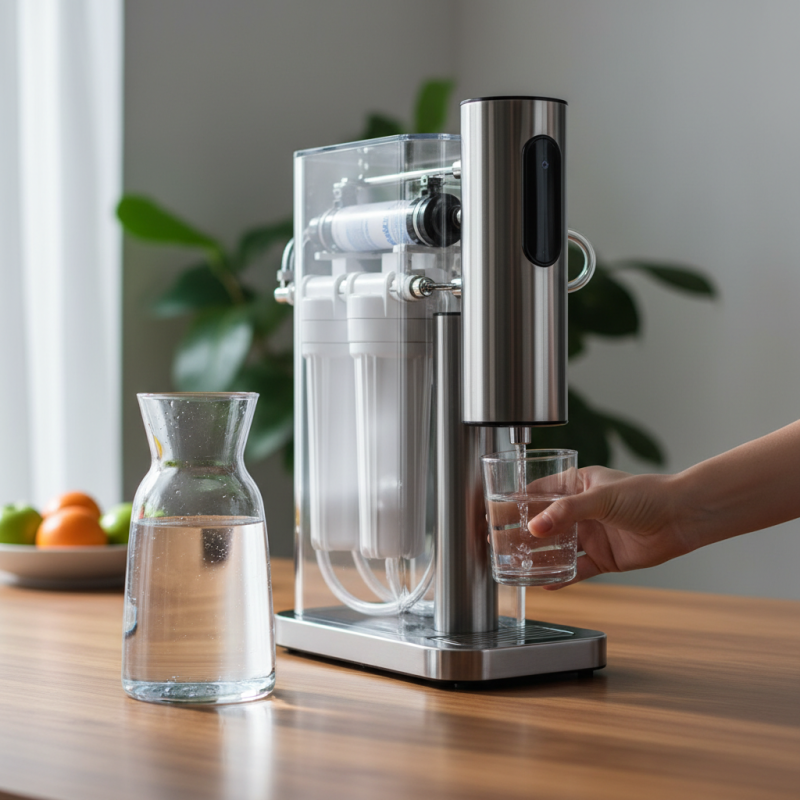
In 2026, clean drinking water is more essential than ever. Various filtration technologies are available to ensure safe water. One popular option is activated carbon filters. They effectively remove chlorine and improve taste. However, they may not eliminate heavy metals.

Reverse osmosis systems are another option. These systems push water through a semipermeable membrane, eliminating many contaminants. Despite their efficiency, they can waste a significant amount of water. Regular maintenance is necessary for optimal performance.

Tip: Always check the filter lifespan. Replacing filters regularly is crucial for effectiveness. Another technology gaining traction is ultraviolet (UV) filtration. It kills bacteria and viruses quickly. Still, it doesn’t remove chemicals or sediments, which can be a limitation.

Tip: Combine technologies for the best results. For example, pairing carbon filtration with UV can enhance water quality. As consumers, we must stay informed and choose the right system. This choice impacts health and safety.

Key Factors to Consider When Choosing a Water Filtration System

2026 Top Drinking Water Filtration System Guide for Clean Water?

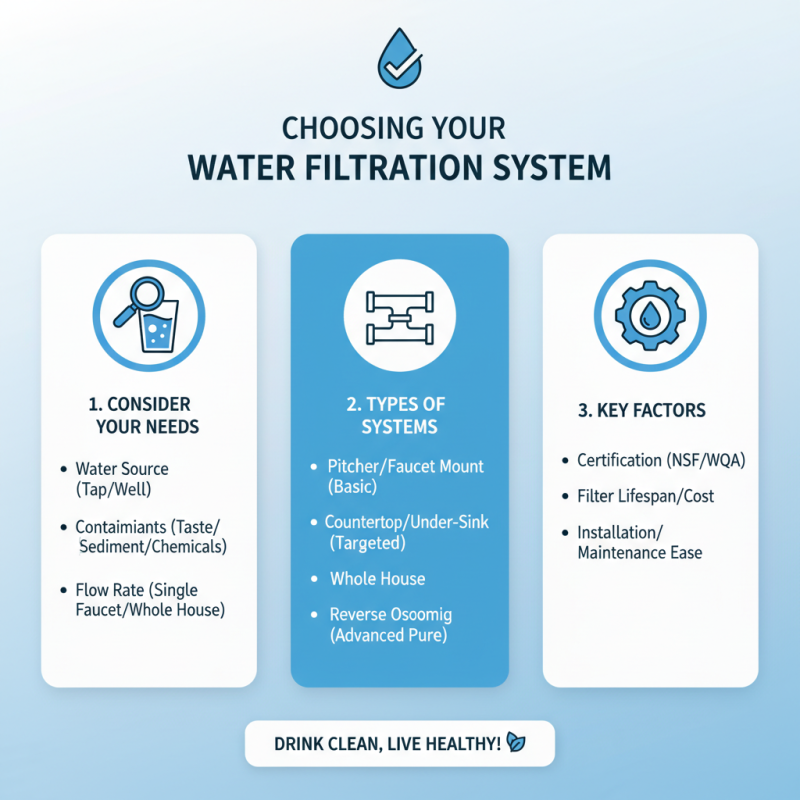
Choosing the right water filtration system is crucial for clean drinking water. Many options are available, and it can be overwhelming. Consider your specific needs carefully. Different systems excel in various areas.

When evaluating a filtration system, think about the contaminants in your water. Test your water sample. A simple test kit can show you what’s there. Some systems remove chemicals, while others focus on heavy metals. Know your priorities.

Tips to remember: Look for systems with multiple filtration stages. More stages can mean cleaner water. Regular maintenance is also key. Filters that aren't changed can become ineffective. Don't overlook the importance of the water's taste. If it doesn't taste good, you might not drink enough.

Think about the installation process. Some systems require professionals, while others are user-friendly. Read user reviews to see how easy they are to handle. Mistakes happen with installation, so careful consideration is important. Exploring these factors will help you find the right filtration system for your needs.

Comparison of Top Drinking Water Filtration Systems on the Market

When it comes to choosing a drinking water filtration system, the options can be overwhelming. The market is filled with various filters, each promising clean and safe water. However, not all systems perform equally well. Some may miss certain contaminants, while others may change the taste of your water. It is essential to understand what each system can and cannot remove.

Many systems use activated carbon. This method effectively reduces chlorine and organic compounds. Yet, it may not filter heavy metals or pathogens. Reverse osmosis is another popular choice. It removes a wide range of contaminants but can waste a significant amount of water. This can lead to doubts about its sustainability. Some people may prefer UV filters, which eliminate bacteria and viruses effectively. However, they often come with a high upfront cost.

When comparing these systems, consider your specific needs. Do you want better tasting water? Or are you concerned about harmful substances? Research shows that some users prioritize filtration efficiency over maintenance ease. Others may want affordability without sacrificing quality. In the end, it's about finding a balance that makes sense for you. Comparing these systems can be tricky, and you may discover some unexpected weaknesses during your research.

2026 Top Drinking Water Filtration System Guide for Clean Water

Filtration System Type Filtration Capacity (Gallons) Filter Lifespan (Months) Contaminants Removed Price ($)
Reverse Osmosis 200 12 Lead, Arsenic, Chlorine, Fluoride 299
Activated Carbon 300 6 Chlorine, VOCs, Sediments 149
UV Water Purification 450 12 Bacteria, Viruses 249
Whole House System 1,200 24 Sediments, Chlorine, Heavy Metals 699
Pitcher Filter 40 2 Chlorine, Benzene 29

Maintenance and Tips for Optimal Performance of Filtration Systems

Proper maintenance of your water filtration system is essential for clean drinking water. Regularly check and replace filters according to manufacturer guidelines. This action prevents buildup of contaminants and ensures the filter functions optimally. Scheduling routine inspections every six months can help identify potential issues before they escalate.

Cleaning the system is equally important. Accumulated dirt can hinder performance. Use mild soap and water to clean exterior surfaces. Avoid harsh chemicals that could damage the system. Make it a habit to inspect hoses and connections for leaks. Even small leaks can lead to larger problems over time.

Keep an eye on your water quality. Changes in taste or odor may indicate a need for maintenance. Tracking these changes can help you react quickly. Remember, neglecting routine care can compromise your water supply. A small investment in upkeep pays off with better quality water.