Contaminant Comparison Chart

For a complete list of contaminants that PUR filters reduce, please view our Performance Data Sheets here.


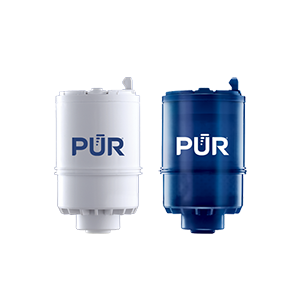
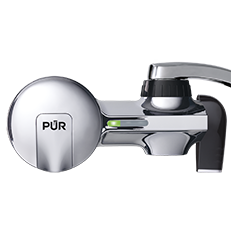
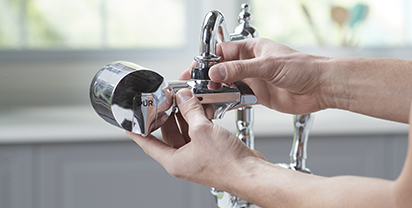
PUR & PUR PLUS FAUCET FILTERS
RF3375/RF9999

View Filters

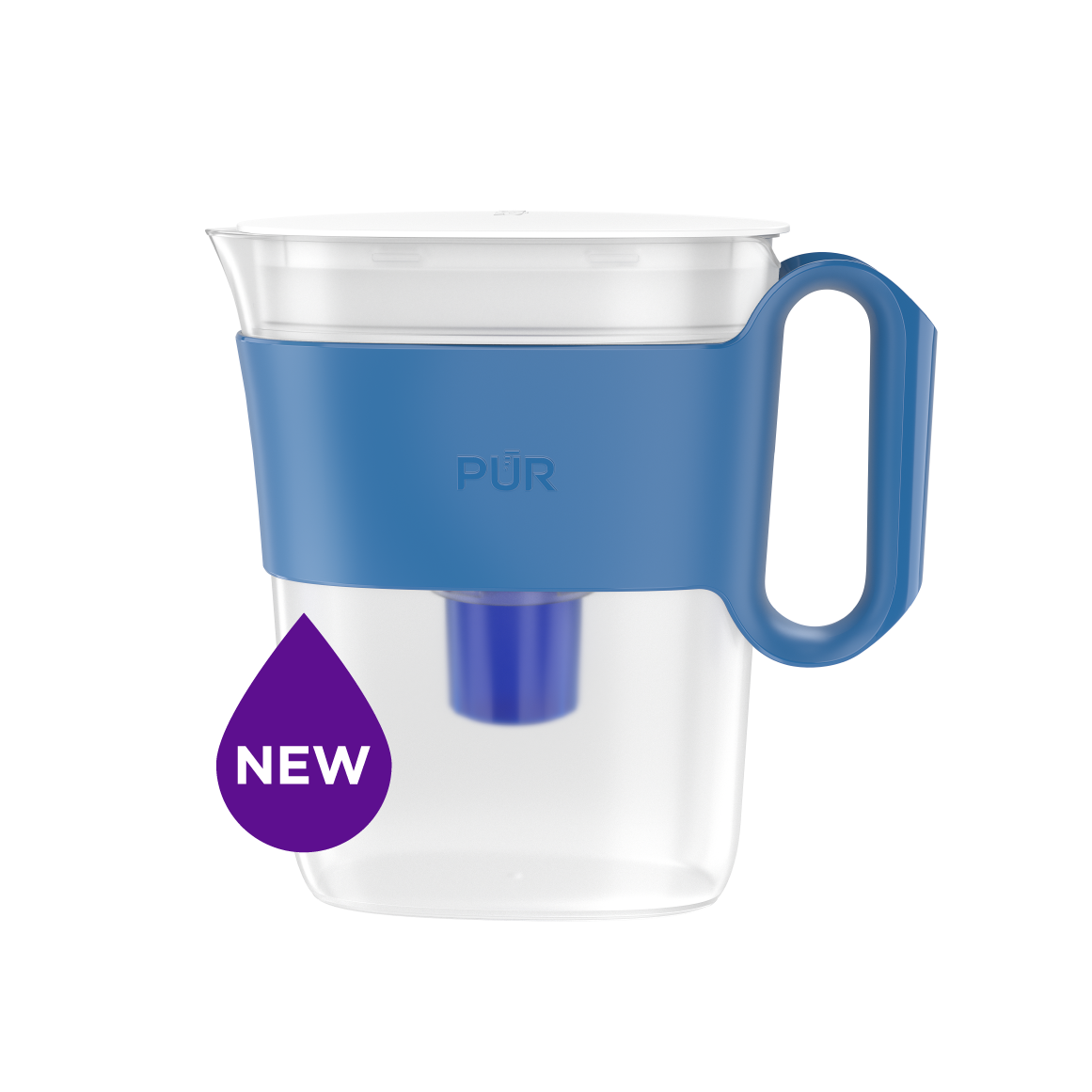
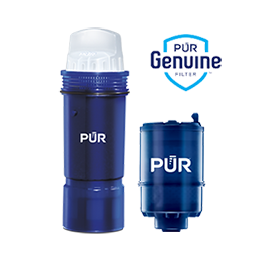
PUR PLUS PITCHER FILTERS
PPF951K

View Filter

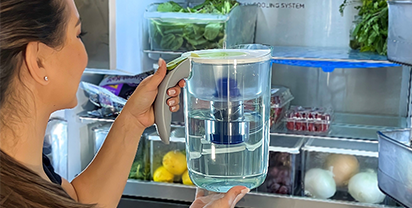
PUR BASIC PITCHER FILTERS
PPF900Z

View Filter


Vs. Brita*

Lead
Microplastics
Mercury
Chlorine Taste & Odor
DEET
TTHM

PUR’s Filtration Systems Are Certified By NSF And WQA For Their Contamination Reduction. WQA certifications as of 5/27/21 for Faucet filter models RF-3375 and RF-9999.

¹ Certified to reduce 10X more chemical and physical substances than Brita’s® leading pitcher filter.
² Certified to reduce 3X more chemical and physical substances than Brita’s® leading pitcher filter.
³ Certified to reduce 2X more chemical and physical substances than Brita’s® leading pitcher filter.
*Versus best-selling Brita® pitcher filter OB03. Brita® is a trademark of Brita LP.
**Like other leading brands, PUR does not filter microbes. As of 3/1/23 Brita® and ZeroWater® were not certified to filter microbes. Brita® is a trademark of Brita LP. ZeroWater® is a trademark of Zero Technologies, LLC..
 

PUR & PUR PLUS FAUCET FILTERS


PUR & PUR PLUS FAUCET FILTERS
RF3375/RF9999

View Filters


Vs. Brita*

Lead
Microplastics
Mercury
Chlorine Taste & Odor
DEET
TTHM

PUR’s Filtration Systems Are Certified By NSF And WQA For Their Contamination Reduction. WQA certifications as of 5/27/21 for Faucet filter models RF-3375 and RF-9999.

¹ Certified to reduce 10X more chemical and physical substances than Brita’s® leading pitcher filter.
² Certified to reduce 3X more chemical and physical substances than Brita’s® leading pitcher filter.
³ Certified to reduce 2X more chemical and physical substances than Brita’s® leading pitcher filter.
*Versus best-selling Brita® pitcher filter OB03. Brita® is a trademark of Brita LP.
**Like other leading brands, PUR does not filter microbes. As of 3/1/23 Brita® and ZeroWater® were not certified to filter microbes. Brita® is a trademark of Brita LP. ZeroWater® is a trademark of Zero Technologies, LLC..
 

PUR PLUS PITCHER FILTERS


PUR PLUS PITCHER FILTERS
PPF951K

View Filter


Vs. Brita*

Lead
Microplastics
Mercury
Chlorine Taste & Odor
DEET
TTHM

PUR’s Filtration Systems Are Certified By NSF And WQA For Their Contamination Reduction. WQA certifications as of 5/27/21 for Faucet filter models RF-3375 and RF-9999.

¹ Certified to reduce 10X more chemical and physical substances than Brita’s® leading pitcher filter.
² Certified to reduce 3X more chemical and physical substances than Brita’s® leading pitcher filter.
³ Certified to reduce 2X more chemical and physical substances than Brita’s® leading pitcher filter.
*Versus best-selling Brita® pitcher filter OB03. Brita® is a trademark of Brita LP.
**Like other leading brands, PUR does not filter microbes. As of 3/1/23 Brita® and ZeroWater® were not certified to filter microbes. Brita® is a trademark of Brita LP. ZeroWater® is a trademark of Zero Technologies, LLC..
 

PUR BASIC PITCHER FILTERS


PUR BASIC PITCHER FILTERS
PPF900Z

View Filter


Vs. Brita*

Lead
Microplastics
Mercury
Chlorine Taste & Odor
DEET
TTHM

PUR’s Filtration Systems Are Certified By NSF And WQA For Their Contamination Reduction. WQA certifications as of 5/27/21 for Faucet filter models RF-3375 and RF-9999.

¹ Certified to reduce 10X more chemical and physical substances than Brita’s® leading pitcher filter.
² Certified to reduce 3X more chemical and physical substances than Brita’s® leading pitcher filter.
³ Certified to reduce 2X more chemical and physical substances than Brita’s® leading pitcher filter.
*Versus best-selling Brita® pitcher filter OB03. Brita® is a trademark of Brita LP.
**Like other leading brands, PUR does not filter microbes. As of 3/1/23 Brita® and ZeroWater® were not certified to filter microbes. Brita® is a trademark of Brita LP. ZeroWater® is a trademark of Zero Technologies, LLC..
 

2026 Top Home Water Filtration System Options for Cleaner Drinking Water?

In recent years, the importance of a reliable home water filtration system has gained considerable attention. As Dr. Emily Carter, a leading expert in water quality, states, "Drinking water should be pure and safe. A good filtration system is essential." Many homeowners are becoming more aware of contaminants in their tap water.

The choices available can be overwhelming. Systems vary in types, costs, and effectiveness. Some may address only specific contaminants, leaving others unchecked. This inconsistency can lead to a false sense of security. Many people are unsure about what system fits their needs best.

Navigating through options requires careful consideration. Are we prioritizing convenience over thorough filtration? The need for clean drinking water is undeniable, but not all systems are created equal. With awareness and proper research, a suitable solution can be found that ensures the safety of our drinking water at home.

2026 Top Home Water Filtration System Options for Cleaner Drinking Water?

Top Factors to Consider When Choosing Home Water Filtration Systems

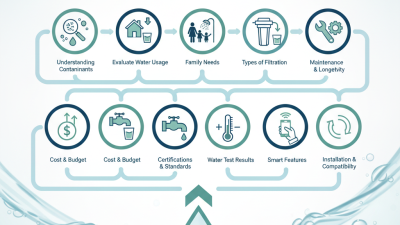
Choosing the right home water filtration system involves several critical factors. Water quality varies across regions. For instance, the U.S. EPA reports more than 80 contaminants may be found in tap water, including lead and chlorine. This unpredictability demands a filtration system tailored to specific needs.

Consider filtration methods. Carbon filters, for example, remove chlorine effectively. Yet, they may not eliminate heavy metals. In contrast, reverse osmosis systems can tackle a broader range of contaminants. However, they also waste two to three times more water than they purify. An important detail to weigh is how much space you have. Some systems require substantial under-sink areas.

Budget is another critical factor. The initial cost of advanced systems can be high. Filters require regular replacement, adding to long-term expenses. However, many families find that investing in better filtration pays off in health benefits. Contaminated water can lead to health issues. According to the World Health Organization, unsafe drinking water contributes to over 500,000 deaths annually. User reviews often highlight their satisfaction with improved water quality, but not all systems deliver on promises. Research is essential to avoid common pitfalls.

2026 Home Water Filtration System Options

This chart displays the efficiency of various home water filtration systems in removing contaminants. Reverse osmosis systems are the most effective, achieving up to 90% efficiency, followed by ultraviolet and activated carbon systems. Understanding these options can help homeowners make informed choices for cleaner drinking water.

Types of Water Filtration Systems Available for Home Use

2026 Top Home Water Filtration System Options for Cleaner Drinking Water?

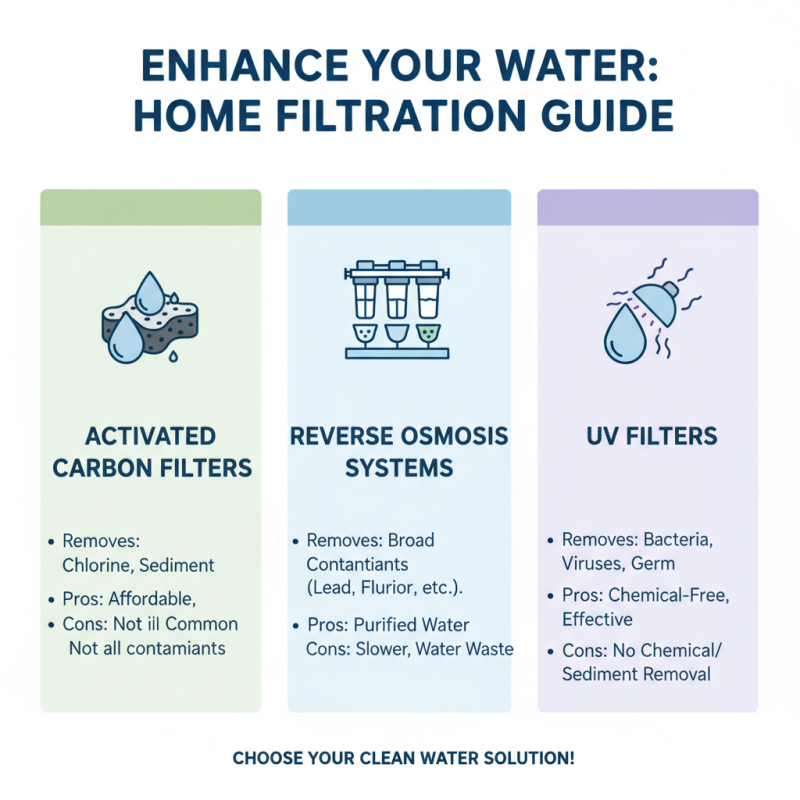
When it comes to enhancing drinking water quality, various home filtration systems stand out. Understanding the types available can guide homeowners in making informed choices. The most common types are activated carbon filters, reverse osmosis systems, and UV filters. Activated carbon filters are affordable and effective at removing chlorine and sediment. However, they may not eliminate all contaminants.

On the other hand, reverse osmosis systems offer a more comprehensive solution. They remove a broader range of impurities, including heavy metals and salts. Yet, they can waste a significant amount of water in the process. UV filters provide an excellent defense against bacteria and viruses. Still, they lack the ability to remove chemical pollutants.

Each system has its advantages and drawbacks. The right choice depends on individual needs and water quality. Homeowners must carefully evaluate their specific situation. A thorough water test can reveal what contaminants are present. In doing so, they can select a filtration method that addresses their concerns effectively. The goal is to ensure cleaner drinking water for better health.

Criteria for Evaluating the Effectiveness of Water Filtration Systems

When evaluating water filtration systems, several criteria should be considered for effectiveness. The first is the type of contaminants removed. A study by the Environmental Protection Agency reported that many filters can eliminate up to 99% of common pollutants. This includes lead, chlorine, and other harmful substances. Next, assess the filtration rate. Faster systems may seem appealing, but slower filters often have better purification due to longer contact times.

Another important factor is the filter lifespan. Many systems need regular replacement, which can add to long-term costs. Some filters only last a few months, while others can last over a year. This makes it essential to check maintenance costs. A filter that is efficient but needs frequent changes might not be the best option overall.

Tips: Always check for certification. Look for NSF or WQA certified products. These labels indicate that the filters meet specific safety and performance standards. Test your water before purchasing a system; knowing what contaminants you have helps in choosing the right filter.

Realistically, not all systems will meet expectations. Some might fall short in removing specific contaminants. It’s essential to align your needs with the filtration capabilities of the system. Researching user reviews can provide insight into actual performance and reliability.

2026 Top Home Water Filtration System Options for Cleaner Drinking Water

Filtration Method Contaminants Removed Filter Lifespan Flow Rate (GPH) Average Cost ($)
Reverse Osmosis Lead, Nitrates, Fluoride, Chlorine 2-3 Years 50 300
Activated Carbon Chlorine, VOCs, Sediments 6-12 Months 2 50
UV Purification Bacteria, Viruses 1 Year (lamp replacement) 15 250
Ceramic Filtration Bacteria, Sediments 1-3 Years 3 100
Whole House Filtration Sediments, Chlorine, Hard Minerals 5 Years 10 750

Comparison of Popular Water Filtration Brands for 2026

2026 Top Home Water Filtration System Options for Cleaner Drinking Water?

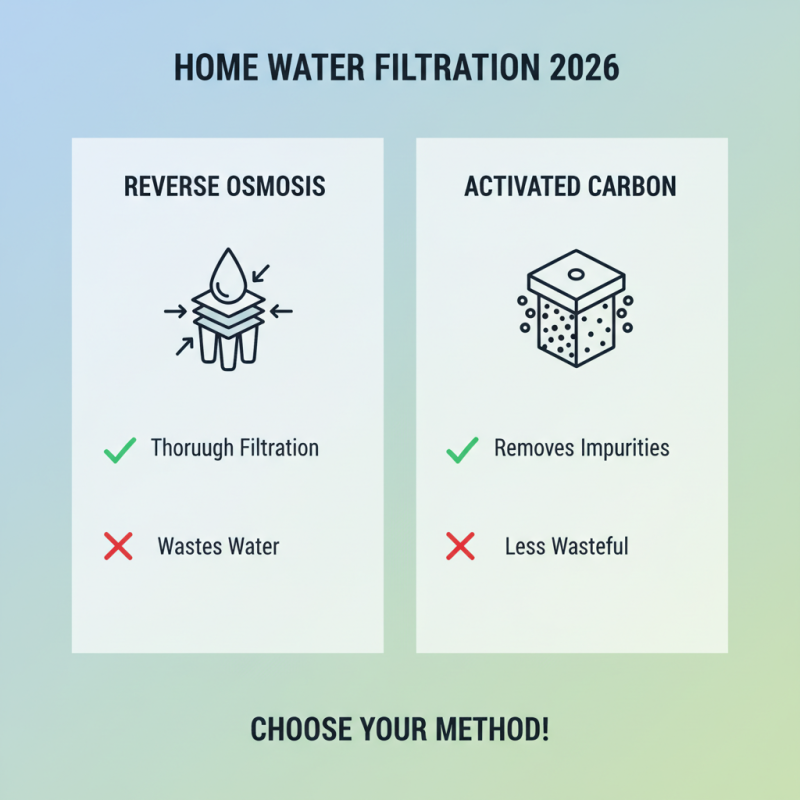
In 2026, choosing the right home water filtration system remains essential. Many brands offer various features to ensure cleaner drinking water. Some focus on reverse osmosis, while others highlight activated carbon technology. Each method has its advantages and trade-offs. For instance, reverse osmosis provides thorough filtration but may waste water.

Price is another factor to consider. Some systems are pricey, while others fit tight budgets. It's easy to get lost in the options. Some may claim perfect filtration, but no system is flawless. Regular maintenance is necessary, and filter replacements can add hidden costs.

User reviews often highlight convenience. A compact design can benefit small kitchens. On the other hand, larger systems may serve bigger households better. Water taste is crucial to many. However, many consumers overlook this aspect. Conducting home water tests can help identify specific contaminants. Understanding personal needs makes it easier to find the right fit.

Maintenance Tips for Ensuring Optimal Performance of Water Filters

Maintaining your water filtration system is crucial for clean drinking water. Regular checks can prevent leaks and ensure proper filtration. A simple visual inspection can be enough. Check for cracks or loose connections. These issues can lead to contamination.

Filter replacement is essential for optimal performance. Most filters need changing every few months. Setting reminders might help you stay on track. Ignoring this step can cause bacteria growth or reduced water quality. Keeping an extra filter at home is a practical solution.

Cleaning your system periodically is another important task. Follow the manufacturer’s instructions closely. Some units require just a rinse, while others involve more detailed cleaning. Water quality can decline if maintenance is neglected. Pay attention to unusual smells or tastes in your water. These might indicate that filtration isn't working effectively.