
Contaminant Comparison Chart

For a complete list of contaminants that PUR filters reduce, please view our Performance Data Sheets here.


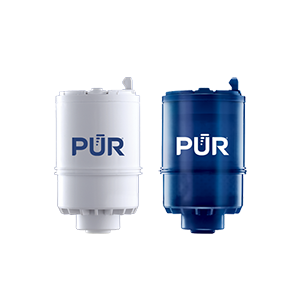
PUR & PUR PLUS FAUCET FILTERS
RF3375/RF9999

View Filters

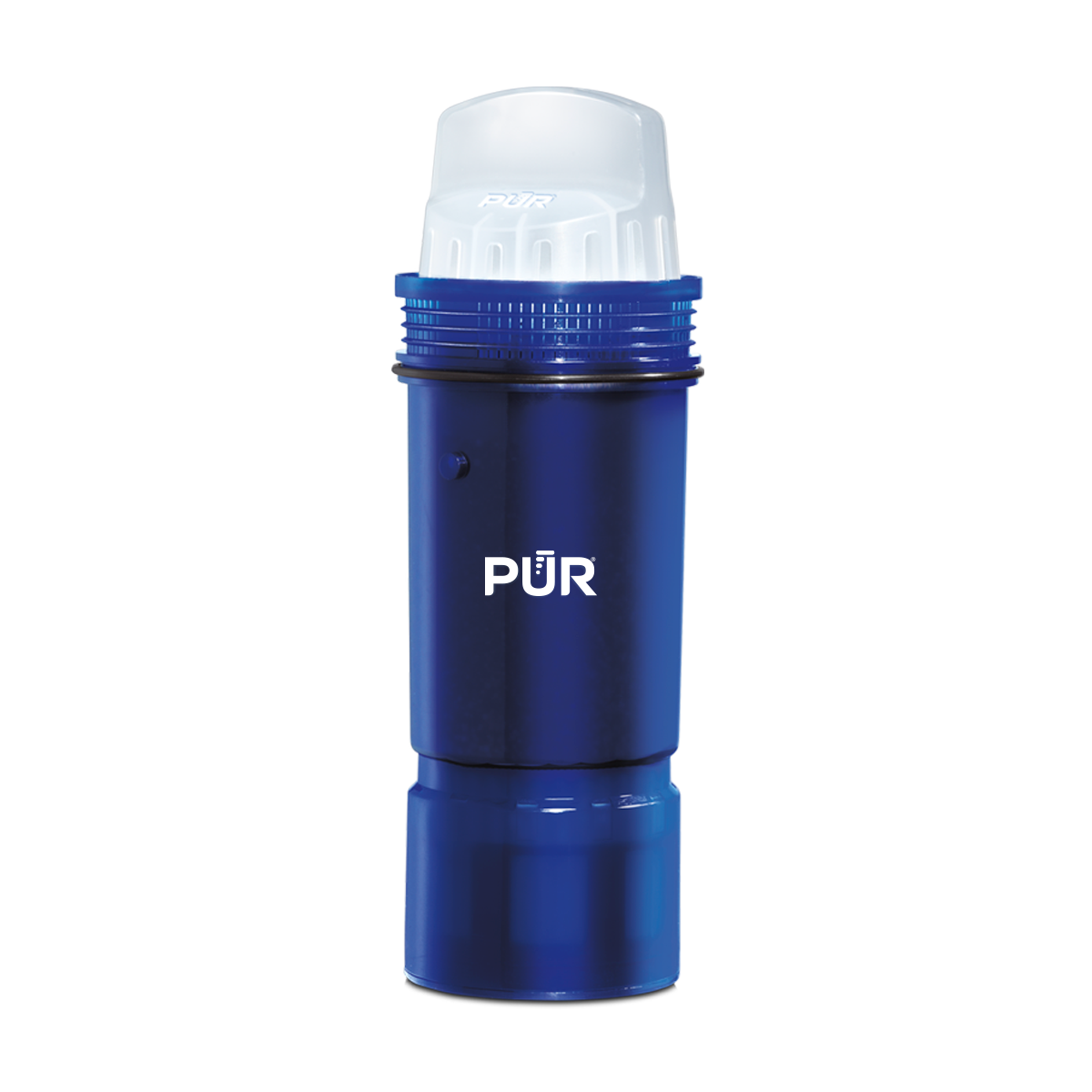
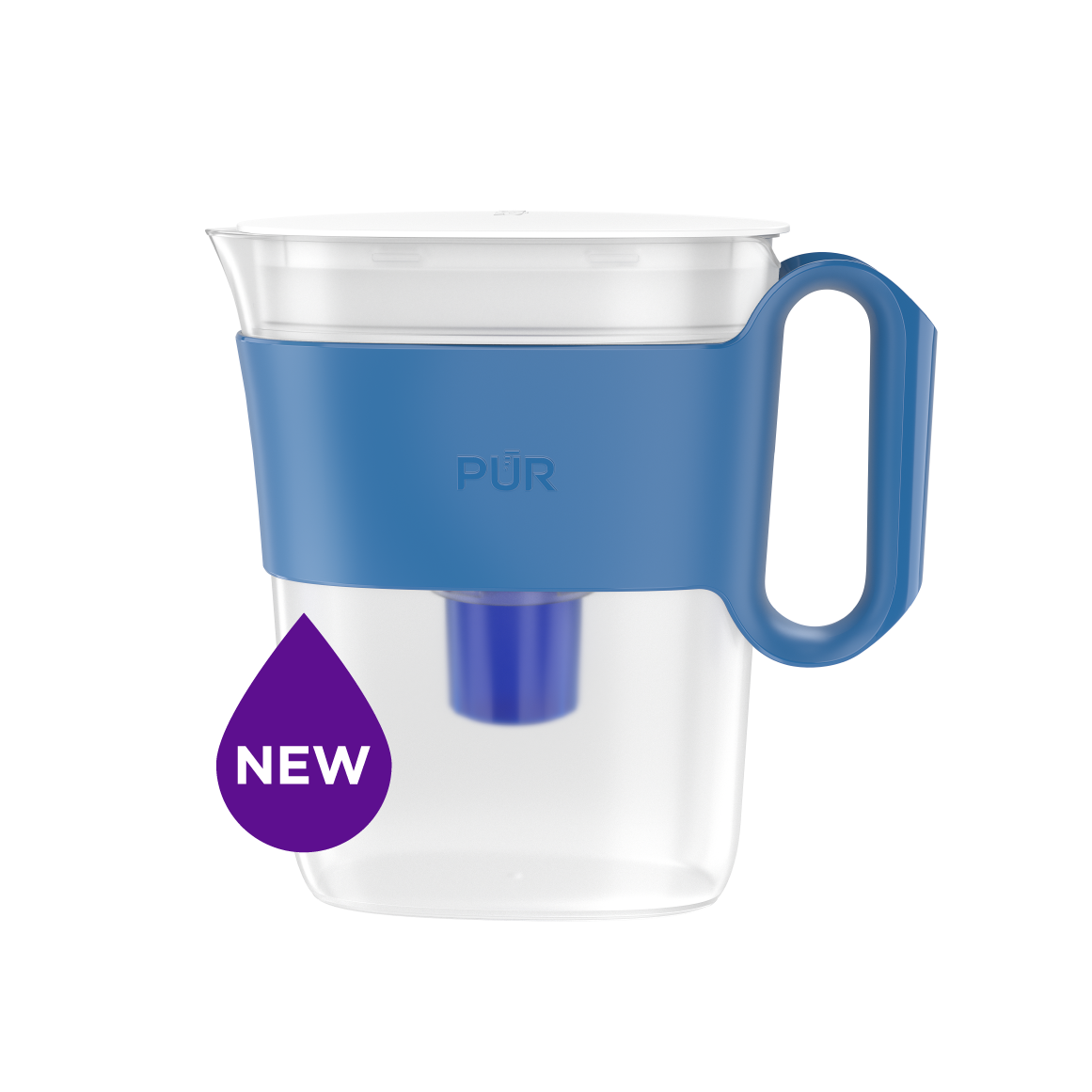
PUR PLUS PITCHER FILTERS
PPF951K

View Filter

PUR BASIC PITCHER FILTERS
PPF900Z

View Filter


Vs. Brita*

Lead
Microplastics
Mercury
Chlorine Taste & Odor
DEET
TTHM

PUR’s Filtration Systems Are Certified By NSF And WQA For Their Contamination Reduction. WQA certifications as of 5/27/21 for Faucet filter models RF-3375 and RF-9999.

¹ Certified to reduce 10X more chemical and physical substances than Brita’s® leading pitcher filter.
² Certified to reduce 3X more chemical and physical substances than Brita’s® leading pitcher filter.
³ Certified to reduce 2X more chemical and physical substances than Brita’s® leading pitcher filter.
*Versus best-selling Brita® pitcher filter OB03. Brita® is a trademark of Brita LP.
**Like other leading brands, PUR does not filter microbes. As of 3/1/23 Brita® and ZeroWater® were not certified to filter microbes. Brita® is a trademark of Brita LP. ZeroWater® is a trademark of Zero Technologies, LLC..

 

PUR & PUR PLUS FAUCET FILTERS


PUR & PUR PLUS FAUCET FILTERS
RF3375/RF9999

View Filters


Vs. Brita*

Lead
Microplastics
Mercury
Chlorine Taste & Odor
DEET
TTHM

PUR’s Filtration Systems Are Certified By NSF And WQA For Their Contamination Reduction. WQA certifications as of 5/27/21 for Faucet filter models RF-3375 and RF-9999.

¹ Certified to reduce 10X more chemical and physical substances than Brita’s® leading pitcher filter.
² Certified to reduce 3X more chemical and physical substances than Brita’s® leading pitcher filter.
³ Certified to reduce 2X more chemical and physical substances than Brita’s® leading pitcher filter.
*Versus best-selling Brita® pitcher filter OB03. Brita® is a trademark of Brita LP.
**Like other leading brands, PUR does not filter microbes. As of 3/1/23 Brita® and ZeroWater® were not certified to filter microbes. Brita® is a trademark of Brita LP. ZeroWater® is a trademark of Zero Technologies, LLC..


PUR PLUS PITCHER FILTERS


PUR PLUS PITCHER FILTERS
PPF951K

View Filter


Vs. Brita*

Lead
Microplastics
Mercury
Chlorine Taste & Odor
DEET
TTHM

PUR’s Filtration Systems Are Certified By NSF And WQA For Their Contamination Reduction. WQA certifications as of 5/27/21 for Faucet filter models RF-3375 and RF-9999.

¹ Certified to reduce 10X more chemical and physical substances than Brita’s® leading pitcher filter.
² Certified to reduce 3X more chemical and physical substances than Brita’s® leading pitcher filter.
³ Certified to reduce 2X more chemical and physical substances than Brita’s® leading pitcher filter.
*Versus best-selling Brita® pitcher filter OB03. Brita® is a trademark of Brita LP.
**Like other leading brands, PUR does not filter microbes. As of 3/1/23 Brita® and ZeroWater® were not certified to filter microbes. Brita® is a trademark of Brita LP. ZeroWater® is a trademark of Zero Technologies, LLC..


PUR BASIC PITCHER FILTERS


PUR BASIC PITCHER FILTERS
PPF900Z

View Filter


Vs. Brita*

Lead
Microplastics
Mercury
Chlorine Taste & Odor
DEET
TTHM

PUR’s Filtration Systems Are Certified By NSF And WQA For Their Contamination Reduction. WQA certifications as of 5/27/21 for Faucet filter models RF-3375 and RF-9999.

¹ Certified to reduce 10X more chemical and physical substances than Brita’s® leading pitcher filter.
² Certified to reduce 3X more chemical and physical substances than Brita’s® leading pitcher filter.
³ Certified to reduce 2X more chemical and physical substances than Brita’s® leading pitcher filter.
*Versus best-selling Brita® pitcher filter OB03. Brita® is a trademark of Brita LP.
**Like other leading brands, PUR does not filter microbes. As of 3/1/23 Brita® and ZeroWater® were not certified to filter microbes. Brita® is a trademark of Brita LP. ZeroWater® is a trademark of Zero Technologies, LLC..


Best Dust Control Light Solutions for Effective Air Quality?

In the quest for cleaner air, the role of Dust Control Light solutions has become increasingly significant. Dr. Emily Johnson, an expert in air quality control, states, "Effective dust management not only protects health but also improves productivity." Dust Control Light technology involves both illumination and air purification strategies. This dual approach helps mitigate dust particles in various environments, from industrial settings to office spaces.

One critical aspect is the selection of appropriate lighting fixtures. Energy-efficient options enhance visibility while reducing particle accumulation. Additionally, integrating Dust Control Light systems with existing air filtration methods can optimize air quality. Despite these advantages, many facilities still struggle with effective implementation.

Understanding the nuances of successful dust management remains a challenge. Not every approach suits every space. Ongoing assessments are essential to identify what works best. As industries evolve, so too must our methods for maintaining clean air. The conversation around Dust Control Light is just beginning, opening doors for innovation and improvement.

Best Dust Control Light Solutions for Effective Air Quality?

Understanding the Importance of Dust Control for Air Quality

Dust is an often-overlooked element that significantly impacts air quality. Poor air quality can affect our health, productivity, and overall well-being. Fine dust particles can cause respiratory problems and aggravate allergies. Even in seemingly clean environments, dust accumulates and can become airborne. This is particularly crucial in workplaces and homes where people spend extended time.

Effective dust control strategies help mitigate these risks. Regular cleaning is essential, but it’s just the beginning. Air purifiers can target fine particles, reducing their presence. Certain plants can also help absorb airborne dust. Creating a dust control plan tailored to your space offers a practical approach to maintaining clean air.

However, it’s crucial to recognize that not all solutions are foolproof. For instance, some cleaning products may introduce harmful chemicals into the air. The balance between cleanliness and safety is delicate. Continuously assessing your dust control strategies can lead to better air quality over time. Seeking professional advice on dust control measures can further enhance your efforts.

Types of Dust Control Light Solutions Available in the Market

When exploring dust control light solutions, it’s essential to understand the types available. Various technologies exist in the market, designed to improve air quality. LED lights combined with UV technology are popular choices. They not only illuminate spaces but also help neutralize airborne dust particles. These are particularly useful in industrial settings.

Another option is ionization technology. This method releases charged ions into the air. These ions attach to dust particles, making them heavier and dropping them out of the air. This provides a cleaner environment. It’s a great choice for homes as well.

Tips: Regularly clean and maintain equipment for optimal performance. Dust can build up quickly, reducing efficiency. Consider using air purifiers in conjunction with dust control lights. They create a multi-layered approach to air quality. Always ensure that the technology used is suitable for your space and needs.

How Dust Control Lights Enhance Overall Air Quality Management

Dust control lights play a vital role in enhancing air quality management. These specialized lights are designed to reduce airborne dust particles effectively. When deployed in outdoor environments, they illuminate dust, making it easier to identify and manage. By controlling dust at the source, these lights help maintain a cleaner atmosphere.

Implementing dust control lights requires careful consideration. Proper positioning is essential to maximize their effectiveness. They should be placed where dust is most prevalent, but this can be challenging in busy industrial areas. Operators must periodically assess the impact of these lights and adjust their locations as needed.

The technology behind dust control lights continues to evolve. However, not all solutions work equally in differing conditions. Some lights may not perform well during adverse weather. Regular maintenance and monitoring are needed to ensure they operate effectively. Understanding their limitations is key to integrating them into air quality management plans.

Air Quality Improvement with Dust Control Lights

The chart above illustrates the reduction in PM2.5 levels before and after the implementation of dust control light solutions, showcasing their effectiveness in enhancing overall air quality management.

Key Features to Consider When Choosing Dust Control Lights

When selecting dust control lights, consider various key features that influence effectiveness. First, lumens output is crucial. High-lumen lights ensure adequate illumination in dust-prone areas. Reports indicate that proper lighting can reduce accidents by up to 30% in industrial settings. The color temperature is another important factor. A cooler color temperature improves visibility, making it easier to spot dust particles.

Power source options also play a role. Battery-operated lights offer flexibility but may need frequent replacements. Wired solutions provide constant power and reliability. It's essential to assess the working environment before deciding. For outdoor use, consider weather-resistant materials to ensure durability.

Tips: Always check for light diffusion options. Lights with a wider spread can cover more area. Regular maintenance is vital for performance. Dust accumulation on lights can significantly impact their effectiveness. Lastly, evaluate the specific needs of your facility. Custom solutions often yield the best results in air quality improvement.

Implementing Dust Control Light Solutions in Various Environments

Dust control is crucial for maintaining air quality in several environments, including construction sites, factories, and agricultural fields. Effective light solutions can enhance dust suppression efforts by illuminating work areas and enabling better visibility. According to the American Industrial Hygiene Association, excessive dust exposure can lead to respiratory issues, affecting worker health and productivity.

Implementing dust control light solutions requires careful planning. For outdoor sites, using high-intensity LED lights can help identify dusty areas needing attention. Additionally, it’s important to monitor dust levels with sensor technology, ensuring that measures are adjusted as conditions change. Regular audits can reveal areas where dust control is lacking, allowing for timely intervention.

Tips: Invest in portable light systems. These allow for flexibility in various work environments. Also, train personnel to recognize dust control needs. Engage workers in maintaining their surroundings, creating a culture of safety. Balancing efficiency with safety is vital. Not all areas will respond the same way to light solutions; this mandates continual assessment and adaptation to local conditions.

Best Dust Control Light Solutions for Effective Air Quality

Solution Type Environment Efficiency (%) Energy Consumption (W) Lifespan (Years)
UV Dust Control Light Industrial Warehouse 95 150 5
LED Dust Control System Construction Site 90 120 10
Ionizing Air Purifier Lights Food Processing Plant 85 100 7
Microwave Dust Suppression Mining Operation 88 200 6
High-Efficiency HEPA Lighting Cleanroom Facility 98 90 8