Contaminant Comparison Chart

For a complete list of contaminants that PUR filters reduce, please view our Performance Data Sheets here.


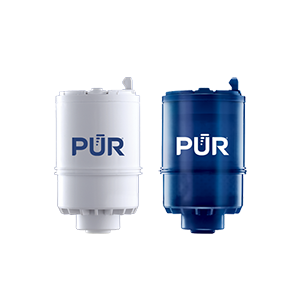
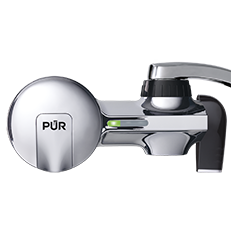
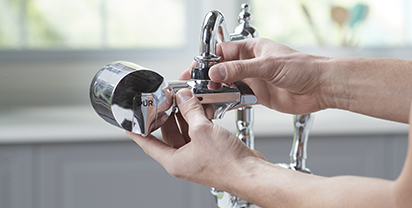
PUR & PUR PLUS FAUCET FILTERS
RF3375/RF9999

View Filters

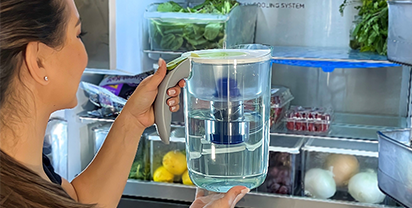
PUR PLUS PITCHER FILTERS
PPF951K

View Filter

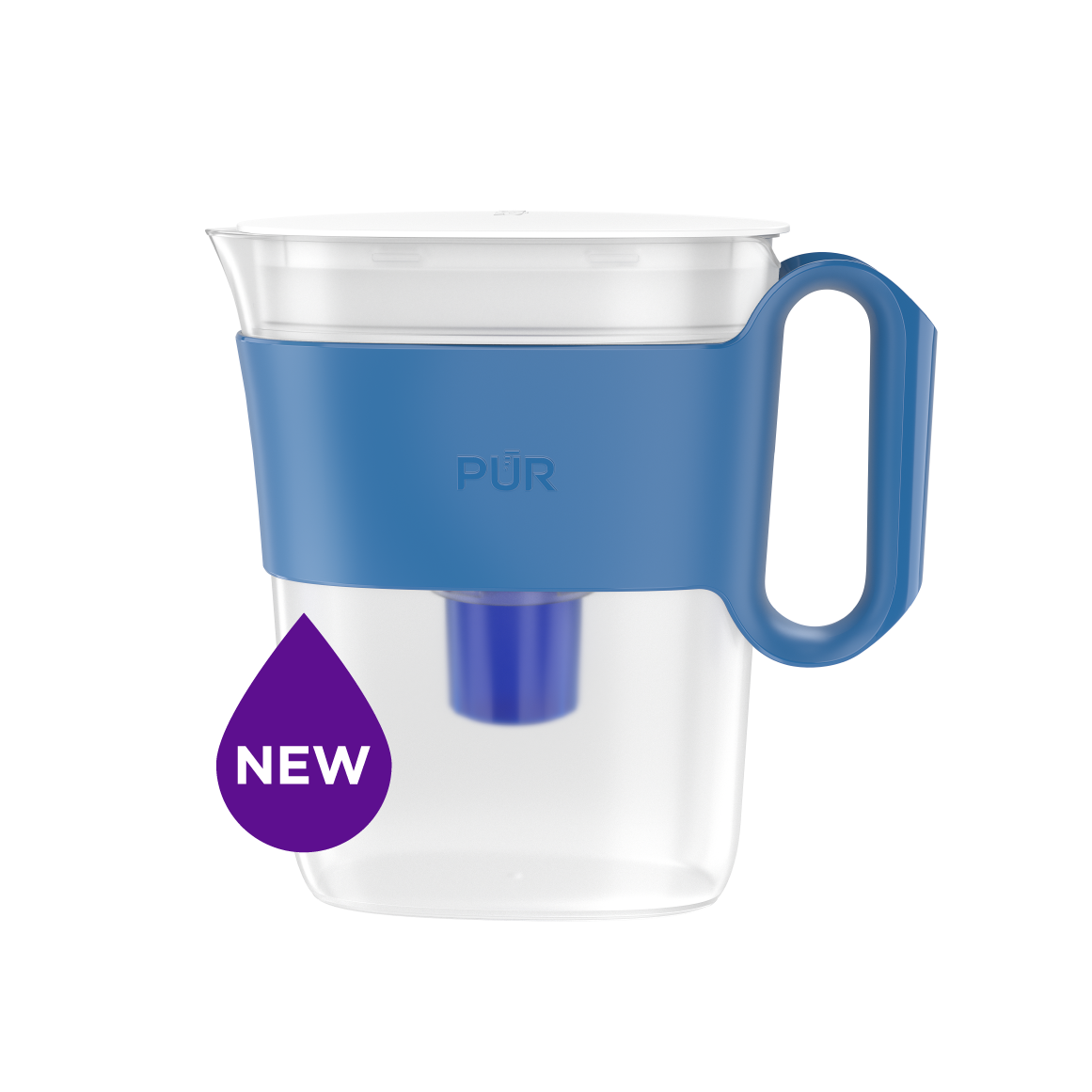
PUR BASIC PITCHER FILTERS
PPF900Z

View Filter


Vs. Brita*

Lead
Microplastics
Mercury
Chlorine Taste & Odor
DEET
TTHM

PUR’s Filtration Systems Are Certified By NSF And WQA For Their Contamination Reduction. WQA certifications as of 5/27/21 for Faucet filter models RF-3375 and RF-9999.

¹ Certified to reduce 10X more chemical and physical substances than Brita’s® leading pitcher filter.
² Certified to reduce 3X more chemical and physical substances than Brita’s® leading pitcher filter.
³ Certified to reduce 2X more chemical and physical substances than Brita’s® leading pitcher filter.
*Versus best-selling Brita® pitcher filter OB03. Brita® is a trademark of Brita LP.
**Like other leading brands, PUR does not filter microbes. As of 3/1/23 Brita® and ZeroWater® were not certified to filter microbes. Brita® is a trademark of Brita LP. ZeroWater® is a trademark of Zero Technologies, LLC..
 

PUR & PUR PLUS FAUCET FILTERS


PUR & PUR PLUS FAUCET FILTERS
RF3375/RF9999

View Filters


Vs. Brita*

Lead
Microplastics
Mercury
Chlorine Taste & Odor
DEET
TTHM

PUR’s Filtration Systems Are Certified By NSF And WQA For Their Contamination Reduction. WQA certifications as of 5/27/21 for Faucet filter models RF-3375 and RF-9999.

¹ Certified to reduce 10X more chemical and physical substances than Brita’s® leading pitcher filter.
² Certified to reduce 3X more chemical and physical substances than Brita’s® leading pitcher filter.
³ Certified to reduce 2X more chemical and physical substances than Brita’s® leading pitcher filter.
*Versus best-selling Brita® pitcher filter OB03. Brita® is a trademark of Brita LP.
**Like other leading brands, PUR does not filter microbes. As of 3/1/23 Brita® and ZeroWater® were not certified to filter microbes. Brita® is a trademark of Brita LP. ZeroWater® is a trademark of Zero Technologies, LLC..
 

PUR PLUS PITCHER FILTERS


PUR PLUS PITCHER FILTERS
PPF951K

View Filter


Vs. Brita*

Lead
Microplastics
Mercury
Chlorine Taste & Odor
DEET
TTHM

PUR’s Filtration Systems Are Certified By NSF And WQA For Their Contamination Reduction. WQA certifications as of 5/27/21 for Faucet filter models RF-3375 and RF-9999.

¹ Certified to reduce 10X more chemical and physical substances than Brita’s® leading pitcher filter.
² Certified to reduce 3X more chemical and physical substances than Brita’s® leading pitcher filter.
³ Certified to reduce 2X more chemical and physical substances than Brita’s® leading pitcher filter.
*Versus best-selling Brita® pitcher filter OB03. Brita® is a trademark of Brita LP.
**Like other leading brands, PUR does not filter microbes. As of 3/1/23 Brita® and ZeroWater® were not certified to filter microbes. Brita® is a trademark of Brita LP. ZeroWater® is a trademark of Zero Technologies, LLC..
 

PUR BASIC PITCHER FILTERS


PUR BASIC PITCHER FILTERS
PPF900Z

View Filter


Vs. Brita*

Lead
Microplastics
Mercury
Chlorine Taste & Odor
DEET
TTHM

PUR’s Filtration Systems Are Certified By NSF And WQA For Their Contamination Reduction. WQA certifications as of 5/27/21 for Faucet filter models RF-3375 and RF-9999.

¹ Certified to reduce 10X more chemical and physical substances than Brita’s® leading pitcher filter.
² Certified to reduce 3X more chemical and physical substances than Brita’s® leading pitcher filter.
³ Certified to reduce 2X more chemical and physical substances than Brita’s® leading pitcher filter.
*Versus best-selling Brita® pitcher filter OB03. Brita® is a trademark of Brita LP.
**Like other leading brands, PUR does not filter microbes. As of 3/1/23 Brita® and ZeroWater® were not certified to filter microbes. Brita® is a trademark of Brita LP. ZeroWater® is a trademark of Zero Technologies, LLC..
 

Best Home Filtration System 2026 Which Is Right for You?

In today's world, clean water is essential for health and well-being. Choosing the right home filtration system can be overwhelming. According to water quality expert Dr. Emily Carter, “A home filtration system is not just a luxury; it’s a necessity.” With various options and technologies available, homeowners are often confused about the best choice.

Research shows that contaminants in tap water can pose serious health risks. A reliable home filtration system helps to remove these impurities. Common types include activated carbon filters, reverse osmosis systems, and UV purifiers. Each has its strengths, but no solution fits every household perfectly.

As we move into 2026, the market is evolving. More advanced systems promise greater efficiency and convenience. However, homeowners should critically assess their unique needs. Factors like water quality, household size, and budget play significant roles in the decision-making process. Your choice should reflect your specific requirements, ensuring optimal health for you and your family.

Best Home Filtration System 2026 Which Is Right for You?

Best Home Filtration System 2026: Overview of Filtration Technologies

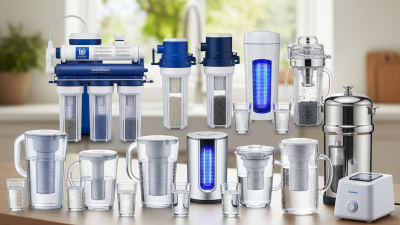
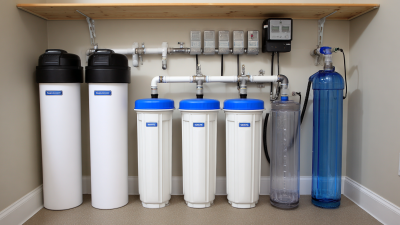
When choosing a home filtration system in 2026, understanding the various technologies is essential. Different systems employ diverse methods to purify water. Common types include activated carbon filters, reverse osmosis systems, and UV purifiers. Each serves unique purposes and removes distinct contaminants.

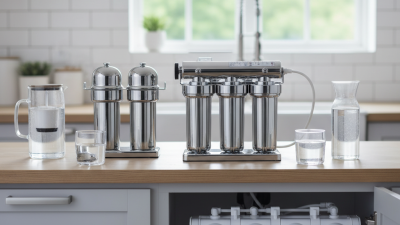
Activated carbon filters are widely popular. They are efficient at improving taste and odor by absorbing chlorine and sediment. However, they might not effectively eliminate all harmful substances, like heavy metals. On the other hand, reverse osmosis systems offer comprehensive purification. They leverage pressure to push water through a semi-permeable membrane, removing many pollutants. Still, they can waste a significant amount of water during the process.

Emerging technologies, like ultraviolet purifiers, offer an innovative approach. They use UV light to kill bacteria and viruses. This option is chemical-free, yet it does not filter out chemicals or heavy metals. It's crucial to assess your specific needs when selecting a filtration system. Each has its strengths and limitations, leading to a more informed decision.

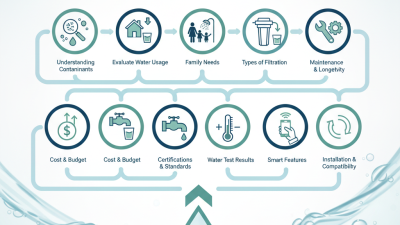
Key Factors to Consider When Choosing a Home Filtration System

Choosing the right home filtration system is crucial. Water quality affects health and daily life. Start by assessing your water source. City water and well water have different contaminants. Testing your water can reveal specific impurities. This knowledge guides you to the right filtration option.

Consider the filtration technology. Options include activated carbon, reverse osmosis, and UV purification. Each method targets different contaminants. Activated carbon is great for chlorine and bad tastes. Reverse osmosis can eliminate heavy metals. Understand your needs before making a decision.

Installation and maintenance matter, too. Some systems are easy to install, while others may require professional help. Regular filter changes are essential for optimal performance. Think about your budget for initial costs and maintenance. Finding the perfect system requires time and research, but it’s worth the effort for cleaner water.

Comparative Analysis of Top Home Water Filtration Brands in 2026

When considering the best home water filtration systems in 2026, it's crucial to analyze several top brands. Each system has unique features and benefits. Some focus on reverse osmosis. Others emphasize activated carbon technology. This diversity can make it challenging to choose the right one.

Looking at efficiency, certain brands excel at removing contaminants. They effectively reduce lead and chlorine, improving taste and safety. However, not all systems are equally proficient. Some may fall short in filtering specific impurities. It is essential to check lab results to support claims made by the manufacturers.

Quality materials and design are other important factors. Some filters are built to last but may have replacement costs that add up over time. Certain systems are also easier to install versus others. This presents questions on whether higher initial costs justify the long-term benefits. Researching user reviews can help gauge real-world performance.

Impact of Water Filtration on Health: What Studies Reveal

Access to clean water is essential for health. Many studies show a direct link between water quality and health outcomes. Contaminated water can lead to serious health issues, including gastrointestinal infections and chronic illnesses. Effective water filtration systems can significantly reduce these risks.


Research highlights the harmful effects of unfiltered tap water. It may contain lead, chlorine, and other pollutants. These substances can affect immune function and gut health. A good filtration system removes these contaminants, promoting overall wellness. This approach aligns with recommendations from health professionals for maintaining a healthy lifestyle.


However, not all filtration systems are created equal. Some may only filter certain contaminants. Regular maintenance and replacement of filters are crucial for effectiveness. Homeowners should be diligent in researching options. Knowing your water quality is vital. Awareness of potential risks can lead to better health decisions.

Emerging Trends in Home Water Filtration for 2026 and Beyond

The water filtration landscape is changing in 2026. Homeowners are keen on sustainable options. Technology advances allow for more efficient systems that keep our water clean. Emerging trends show a shift toward multi-stage filtration methods. These systems filter not just bacteria, but also chemicals and heavy metals.


Tips: Regular maintenance is crucial. Check filters often. A neglected system can lead to contamination. Invest in a water testing kit. Understanding your water quality helps in choosing the right filtration system.


Smart technology is making its way into filtration systems. Some devices now offer app connectivity. Users can monitor their water quality from their phones. There is also a trend toward modular systems. These allow homeowners to customize their filtration based on their needs.


Tips: Consider the specific contaminants in your water supply. Research local water quality reports. This knowledge empowers better decision-making. Don’t overlook the importance of ease of use. Systems should fit seamlessly into your daily routine.