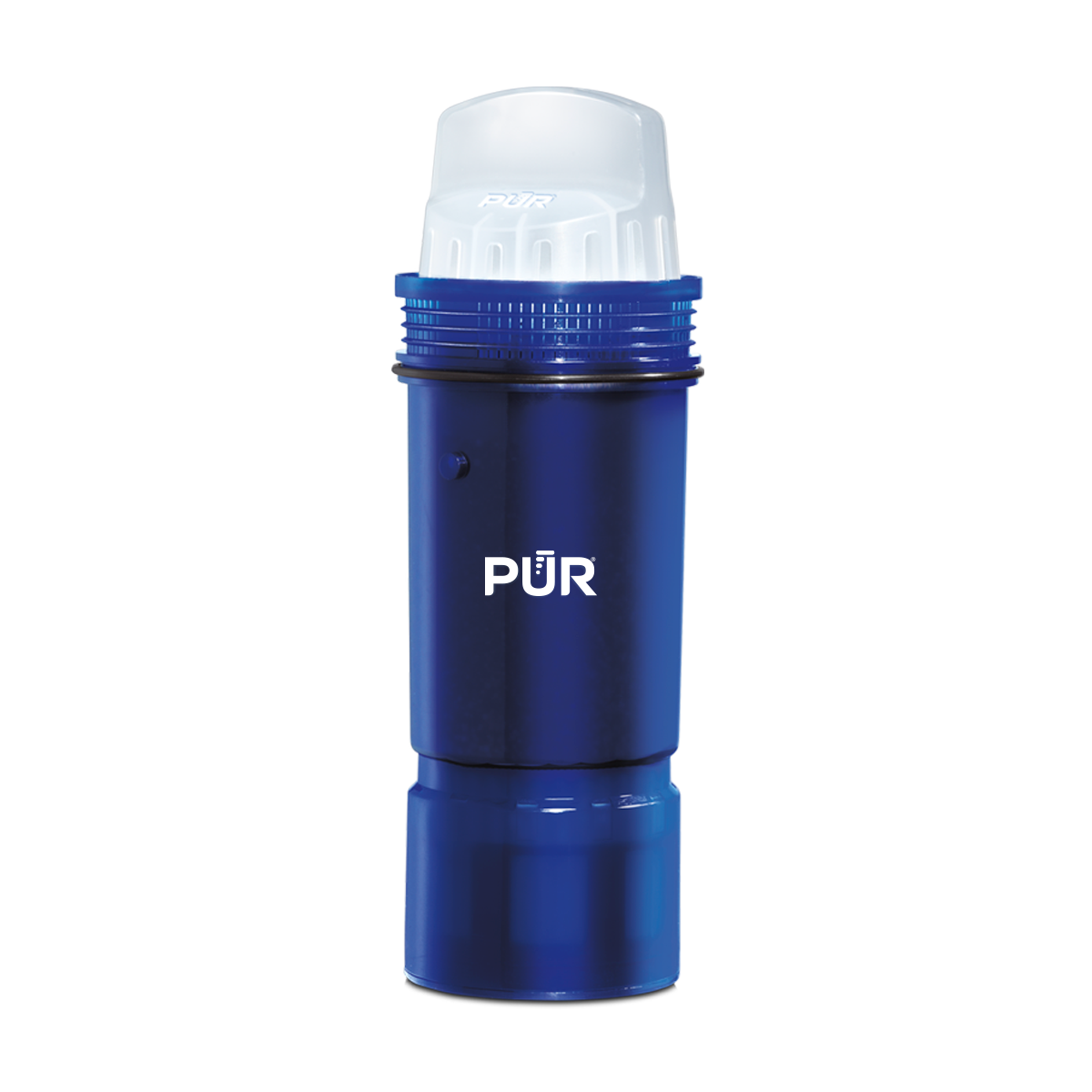
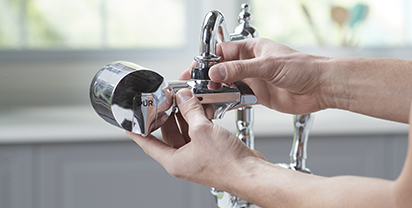
Contaminant Comparison Chart

For a complete list of contaminants that PUR filters reduce, please view our Performance Data Sheets here.


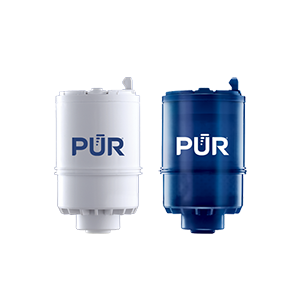
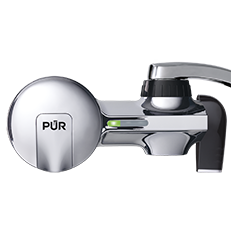
PUR & PUR PLUS FAUCET FILTERS
RF3375/RF9999

View Filters

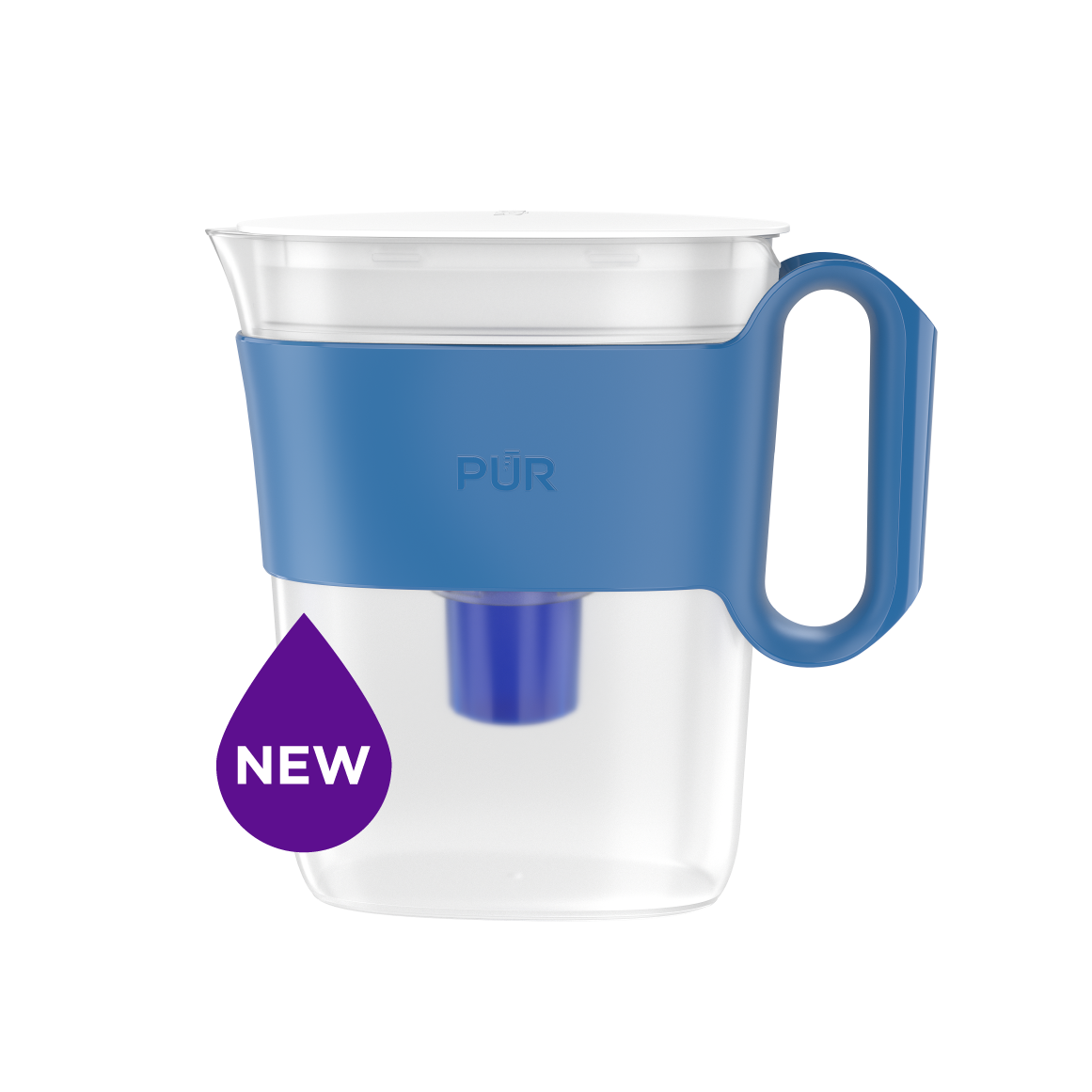
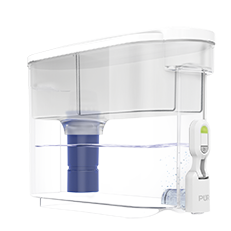
PUR PLUS PITCHER FILTERS
PPF951K

View Filter

PUR BASIC PITCHER FILTERS
PPF900Z

View Filter


Vs. Brita*

Lead
Microplastics
Mercury
Chlorine Taste & Odor
DEET
TTHM

PUR’s Filtration Systems Are Certified By NSF And WQA For Their Contamination Reduction. WQA certifications as of 5/27/21 for Faucet filter models RF-3375 and RF-9999.

¹ Certified to reduce 10X more chemical and physical substances than Brita’s® leading pitcher filter.
² Certified to reduce 3X more chemical and physical substances than Brita’s® leading pitcher filter.
³ Certified to reduce 2X more chemical and physical substances than Brita’s® leading pitcher filter.
*Versus best-selling Brita® pitcher filter OB03. Brita® is a trademark of Brita LP.
**Like other leading brands, PUR does not filter microbes. As of 3/1/23 Brita® and ZeroWater® were not certified to filter microbes. Brita® is a trademark of Brita LP. ZeroWater® is a trademark of Zero Technologies, LLC..
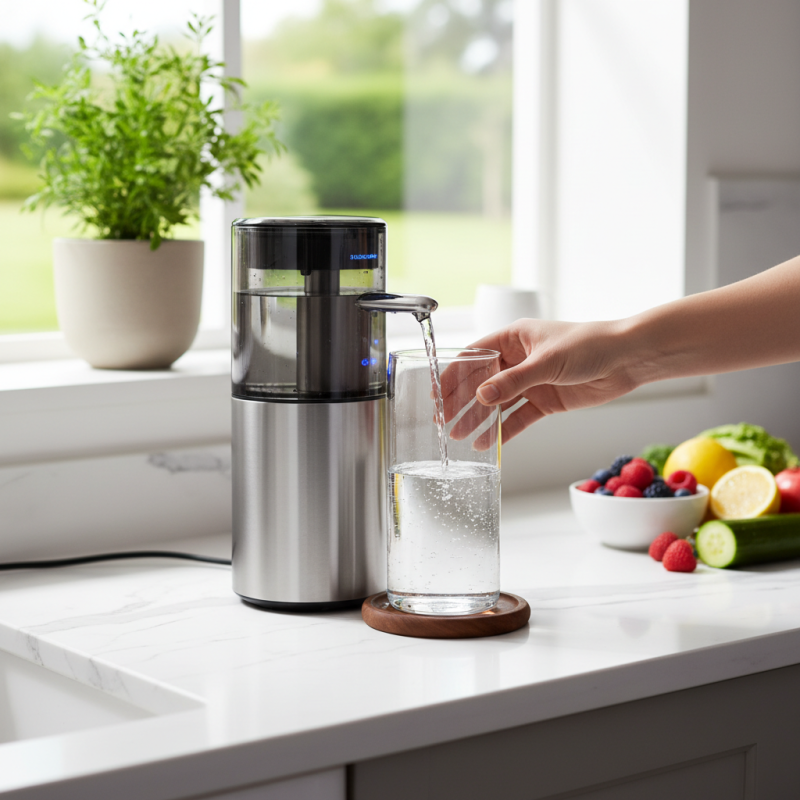
 

PUR & PUR PLUS FAUCET FILTERS


PUR & PUR PLUS FAUCET FILTERS
RF3375/RF9999

View Filters


Vs. Brita*

Lead
Microplastics
Mercury
Chlorine Taste & Odor
DEET
TTHM

PUR’s Filtration Systems Are Certified By NSF And WQA For Their Contamination Reduction. WQA certifications as of 5/27/21 for Faucet filter models RF-3375 and RF-9999.

¹ Certified to reduce 10X more chemical and physical substances than Brita’s® leading pitcher filter.
² Certified to reduce 3X more chemical and physical substances than Brita’s® leading pitcher filter.
³ Certified to reduce 2X more chemical and physical substances than Brita’s® leading pitcher filter.
*Versus best-selling Brita® pitcher filter OB03. Brita® is a trademark of Brita LP.
**Like other leading brands, PUR does not filter microbes. As of 3/1/23 Brita® and ZeroWater® were not certified to filter microbes. Brita® is a trademark of Brita LP. ZeroWater® is a trademark of Zero Technologies, LLC..
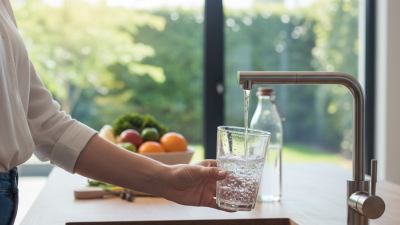
 

PUR PLUS PITCHER FILTERS


PUR PLUS PITCHER FILTERS
PPF951K

View Filter


Vs. Brita*

Lead
Microplastics
Mercury
Chlorine Taste & Odor
DEET
TTHM

PUR’s Filtration Systems Are Certified By NSF And WQA For Their Contamination Reduction. WQA certifications as of 5/27/21 for Faucet filter models RF-3375 and RF-9999.

¹ Certified to reduce 10X more chemical and physical substances than Brita’s® leading pitcher filter.
² Certified to reduce 3X more chemical and physical substances than Brita’s® leading pitcher filter.
³ Certified to reduce 2X more chemical and physical substances than Brita’s® leading pitcher filter.
*Versus best-selling Brita® pitcher filter OB03. Brita® is a trademark of Brita LP.
**Like other leading brands, PUR does not filter microbes. As of 3/1/23 Brita® and ZeroWater® were not certified to filter microbes. Brita® is a trademark of Brita LP. ZeroWater® is a trademark of Zero Technologies, LLC..
 

PUR BASIC PITCHER FILTERS


PUR BASIC PITCHER FILTERS
PPF900Z

View Filter


Vs. Brita*

Lead
Microplastics
Mercury
Chlorine Taste & Odor
DEET
TTHM

PUR’s Filtration Systems Are Certified By NSF And WQA For Their Contamination Reduction. WQA certifications as of 5/27/21 for Faucet filter models RF-3375 and RF-9999.

¹ Certified to reduce 10X more chemical and physical substances than Brita’s® leading pitcher filter.
² Certified to reduce 3X more chemical and physical substances than Brita’s® leading pitcher filter.
³ Certified to reduce 2X more chemical and physical substances than Brita’s® leading pitcher filter.
*Versus best-selling Brita® pitcher filter OB03. Brita® is a trademark of Brita LP.
**Like other leading brands, PUR does not filter microbes. As of 3/1/23 Brita® and ZeroWater® were not certified to filter microbes. Brita® is a trademark of Brita LP. ZeroWater® is a trademark of Zero Technologies, LLC..
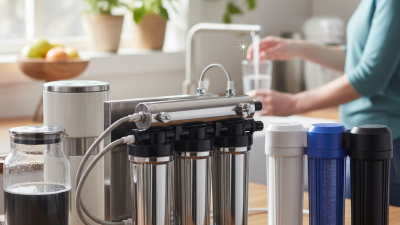
 

2026 Best Home Filtration System Reviews and Buying Guide?

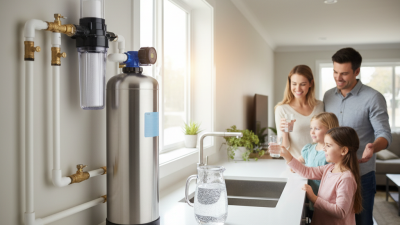
Choosing the right home filtration system is vital for your health. Tap water may contain contaminants. A good filtration system reduces these risks and enhances taste.

In 2026, there are numerous options available. Each system has unique features. Some are compact, while others are larger and more complex. Consider your needs carefully. Do you have space constraints? What contaminants concern you most?

Researching can feel overwhelming. Not all systems are created equal. Some may promise too much and deliver too little. Look for verified reviews and user experiences. Remember, quality often comes at a price. Your health is worth the investment.

2026 Best Home Filtration System Reviews and Buying Guide?

Best Home Filtration Systems: Key Features to Consider

When selecting a home filtration system, the key features to consider are essential for ensuring clean water. Begin with the filtration type. Options include reverse osmosis, activated carbon, and UV purification. Each method has its strengths and limitations. For instance, reverse osmosis provides thorough filtration but can waste water. Looking at your family's needs is crucial.

Next, assess the filtration capacity. Units vary in how many gallons they can filter in a day. Larger families will require systems with higher capacities. Additionally, consider the installation process. Some systems are easy to install, while others may require professional help. This can affect the overall cost and convenience.

Don't forget maintenance. Some filters need to be changed regularly, while others have longer lifespans. Keeping track of maintenance can be challenging. A reminder system could help ensure timely replacements. Reflect on your budget too. High-quality systems often come with a higher price tag. Balancing quality and cost is critical for long-term satisfaction.

Types of Home Filtration Systems Available in 2026

In 2026, the landscape of home filtration systems has evolved significantly. The primary types available today include activated carbon filters, reverse osmosis systems, and UV purification units. Each system has its strengths and weaknesses, which should be understood before making a choice.

Activated carbon filters remain popular for their ability to improve taste and reduce odors. However, they may not effectively remove all harmful contaminants. In fact, recent studies indicate that while they can reduce chlorine by up to 90%, they may only capture a fraction of heavy metals. This creates a dilemma for homeowners seeking comprehensive water quality.

Reverse osmosis systems are known for their thorough filtration. They can eliminate up to 99% of dissolved solids. Yet, these systems often waste a significant amount of water—up to three gallons for every gallon filtered. This inefficiency is a critical consideration for environmentally conscious consumers. On the other hand, UV purification systems are effective against bacteria and viruses but require an electricity source, limiting their usability in power outages. Understanding these trade-offs can help consumers choose the right system for their specific needs.

Top Brands and Models of Home Filtration Systems Reviewed

When choosing a home filtration system, it's essential to consider various brands and models. Many options are available, catering to different needs. Some systems focus on removing contaminants from tap water, while others improve taste and odor. Researching the top performers in filtration technology can make a significant difference in your water quality.

A solid filter should address multiple issues. For example, it may reduce chlorine, heavy metals, and other undesired substances. Many products offer multiple stages of filtration. However, their effectiveness can vary. It's essential to review user experiences and expert opinions. What works for one household may not suit another.

Some users report mixed results, leading to frustration. They often find that their chosen system requires frequent maintenance or replacement parts. This aspect is not always clear in the product descriptions. Taking these factors into account will help you make a more informed decision. After all, clean water is essential for a healthy lifestyle, but ensuring the right system for your specific needs takes time and patience.

2026 Best Home Filtration System Reviews and Buying Guide

Model Type Filtration Capacity (gallons) Filter Lifespan (months) Price ($) User Rating (out of 5)
Model A Reverse Osmosis 1500 12 199.99 4.8
Model B Activated Carbon 1000 6 89.99 4.5
Model C UV Purification 2000 12 299.99 4.9
Model D Whole House 5000 24 499.99 4.7
Model E Under Sink 800 6 129.99 4.6

How to Choose the Right Filtration System for Your Home

Choosing the right home filtration system can feel overwhelming. First, consider the water quality in your area. Do you have hard water? Is there sediment? These questions matter. You might need a different system for heavy metals compared to one for chlorine.

Next, think about your household's size. A larger family may use more water daily. A small filter might not suffice. How often will you change the filter? This can be a hassle. Evaluate your maintenance routine. Some systems require more attention.

Lastly, consider your budget. Higher price doesn’t always equal better quality. Sometimes, cheaper options perform well. Read reviews. Look for systems that fit your specific needs. Remember, there’s no one-size-fits-all solution. Take your time and weigh your options.

Maintenance Tips for Home Filtration Systems for Longevity

2026 Best Home Filtration System Reviews and Buying Guide?

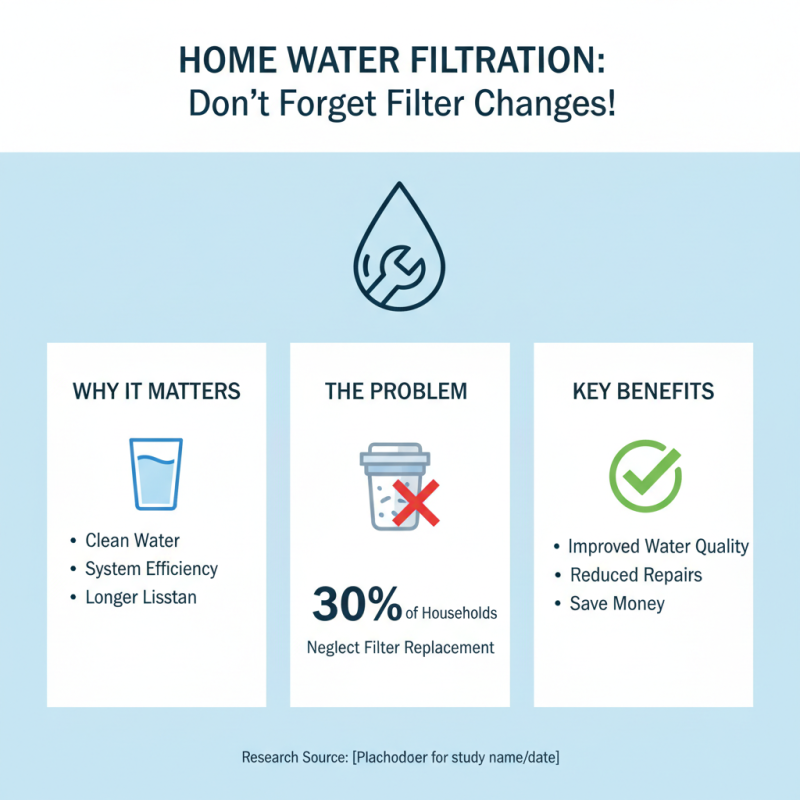
When it comes to home filtration systems, maintenance is key for longevity. Regularly changing filters is essential. Many users forget to do this. Research suggests that approximately 30% of households neglect filter replacements. This oversight can lead to decreased water quality and system efficiency.

Cleaning system components is also crucial. Sediment buildup can occur over time. This can hinder water flow and filter performance. A study by the Water Quality Association found that up to 25% of water filtration systems do not receive routine maintenance. Ignoring cleaning can ultimately shorten the lifespan of your system.

Monitoring water quality is vital too. Test your water periodically to identify any changes in its composition. Without proper checks, contaminants may escape filtration. Only 40% of users regularly test their water quality. This indicates a significant gap in user awareness. Regular maintenance and monitoring can significantly extend the life of your filtration system.