

Contaminant Comparison Chart

For a complete list of contaminants that PUR filters reduce, please view our Performance Data Sheets here.


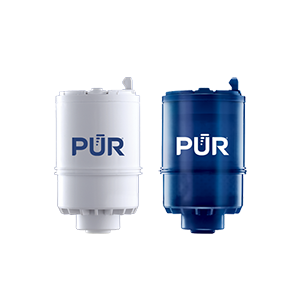
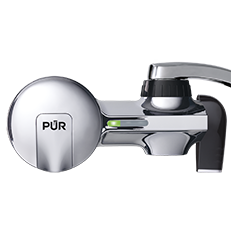
PUR & PUR PLUS FAUCET FILTERS
RF3375/RF9999

View Filters

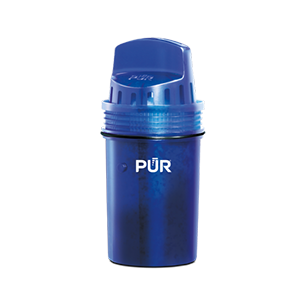
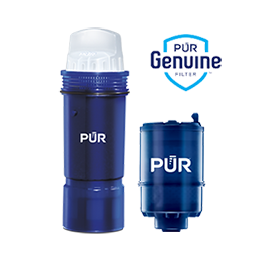
PUR PLUS PITCHER FILTERS
PPF951K

View Filter

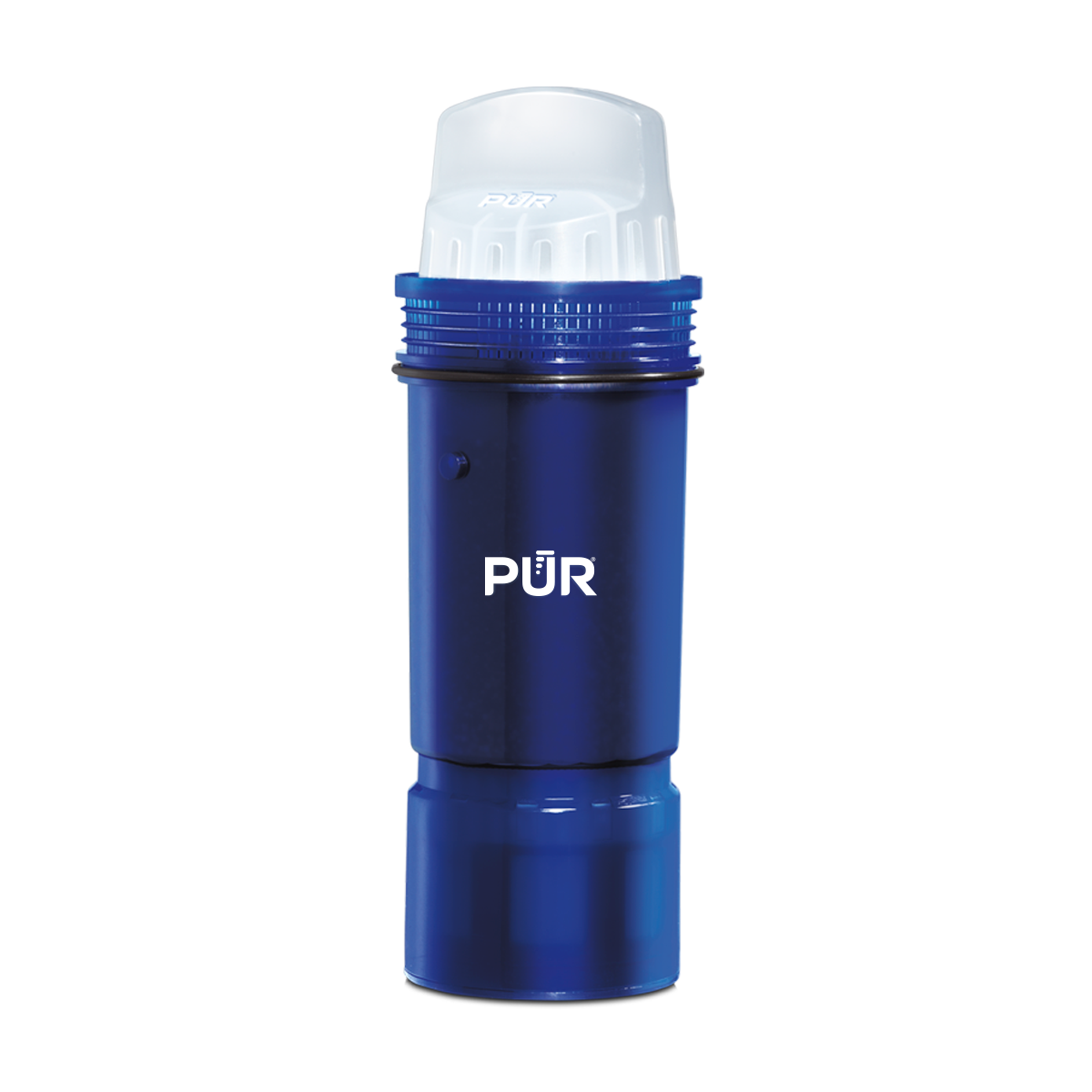
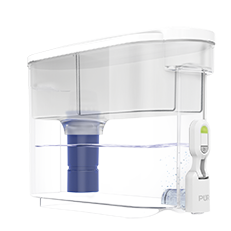
PUR BASIC PITCHER FILTERS
PPF900Z

View Filter


Vs. Brita*

Lead
Microplastics
Mercury
Chlorine Taste & Odor
DEET
TTHM

PUR’s Filtration Systems Are Certified By NSF And WQA For Their Contamination Reduction. WQA certifications as of 5/27/21 for Faucet filter models RF-3375 and RF-9999.

¹ Certified to reduce 10X more chemical and physical substances than Brita’s® leading pitcher filter.
² Certified to reduce 3X more chemical and physical substances than Brita’s® leading pitcher filter.
³ Certified to reduce 2X more chemical and physical substances than Brita’s® leading pitcher filter.
*Versus best-selling Brita® pitcher filter OB03. Brita® is a trademark of Brita LP.
**Like other leading brands, PUR does not filter microbes. As of 3/1/23 Brita® and ZeroWater® were not certified to filter microbes. Brita® is a trademark of Brita LP. ZeroWater® is a trademark of Zero Technologies, LLC..

 

PUR & PUR PLUS FAUCET FILTERS


PUR & PUR PLUS FAUCET FILTERS
RF3375/RF9999

View Filters


Vs. Brita*

Lead
Microplastics
Mercury
Chlorine Taste & Odor
DEET
TTHM

PUR’s Filtration Systems Are Certified By NSF And WQA For Their Contamination Reduction. WQA certifications as of 5/27/21 for Faucet filter models RF-3375 and RF-9999.

¹ Certified to reduce 10X more chemical and physical substances than Brita’s® leading pitcher filter.
² Certified to reduce 3X more chemical and physical substances than Brita’s® leading pitcher filter.
³ Certified to reduce 2X more chemical and physical substances than Brita’s® leading pitcher filter.
*Versus best-selling Brita® pitcher filter OB03. Brita® is a trademark of Brita LP.
**Like other leading brands, PUR does not filter microbes. As of 3/1/23 Brita® and ZeroWater® were not certified to filter microbes. Brita® is a trademark of Brita LP. ZeroWater® is a trademark of Zero Technologies, LLC..


PUR PLUS PITCHER FILTERS


PUR PLUS PITCHER FILTERS
PPF951K

View Filter


Vs. Brita*

Lead
Microplastics
Mercury
Chlorine Taste & Odor
DEET
TTHM

PUR’s Filtration Systems Are Certified By NSF And WQA For Their Contamination Reduction. WQA certifications as of 5/27/21 for Faucet filter models RF-3375 and RF-9999.

¹ Certified to reduce 10X more chemical and physical substances than Brita’s® leading pitcher filter.
² Certified to reduce 3X more chemical and physical substances than Brita’s® leading pitcher filter.
³ Certified to reduce 2X more chemical and physical substances than Brita’s® leading pitcher filter.
*Versus best-selling Brita® pitcher filter OB03. Brita® is a trademark of Brita LP.
**Like other leading brands, PUR does not filter microbes. As of 3/1/23 Brita® and ZeroWater® were not certified to filter microbes. Brita® is a trademark of Brita LP. ZeroWater® is a trademark of Zero Technologies, LLC..


PUR BASIC PITCHER FILTERS


PUR BASIC PITCHER FILTERS
PPF900Z

View Filter


Vs. Brita*

Lead
Microplastics
Mercury
Chlorine Taste & Odor
DEET
TTHM

PUR’s Filtration Systems Are Certified By NSF And WQA For Their Contamination Reduction. WQA certifications as of 5/27/21 for Faucet filter models RF-3375 and RF-9999.

¹ Certified to reduce 10X more chemical and physical substances than Brita’s® leading pitcher filter.
² Certified to reduce 3X more chemical and physical substances than Brita’s® leading pitcher filter.
³ Certified to reduce 2X more chemical and physical substances than Brita’s® leading pitcher filter.
*Versus best-selling Brita® pitcher filter OB03. Brita® is a trademark of Brita LP.
**Like other leading brands, PUR does not filter microbes. As of 3/1/23 Brita® and ZeroWater® were not certified to filter microbes. Brita® is a trademark of Brita LP. ZeroWater® is a trademark of Zero Technologies, LLC..


Metallic Pigment Best Uses Benefits and Applications?

Metallic Pigments have transformed various industries with their unique visual appeal and functional advantages. These pigments reflect light, creating a shimmering effect that enhances product attractiveness. They are widely used in coatings, plastics, cosmetics, and automotive applications. This versatility makes metallic pigments a favorite among manufacturers and designers.

However, the correct use of metallic pigment requires careful consideration. The choice of pigment type can significantly impact color, texture, and durability. Missteps in formulation can lead to a lack of desired shine or uneven distribution. These factors must be addressed to maximize benefits. It’s essential to understand the characteristics of different metallic pigments, including their compatibility with other materials.

The benefits of metallic pigments extend beyond aesthetics. They also provide practical advantages, such as increasing the lifespan of products and enhancing resistance to UV rays. However, every application presents challenges. Balancing cost with quality is a recurring theme in this industry. Ultimately, metallic pigments offer a blend of beauty and functionality that can elevate many products when applied thoughtfully.

Metallic Pigment Best Uses Benefits and Applications?

Overview of Metallic Pigments and Their Types

Metallic pigments have gained significant attention across various industries. They enhance the aesthetic appeal of products, providing a lustrous finish. These pigments are not just visually striking; they serve specific functions as well. According to a recent report by Markets and Markets, the global metallic pigment market is projected to reach $2.1 billion by 2025. This growth reflects rising demand in sectors like automotive, cosmetics, and packaging.

Metallic pigments come in various types, including aluminum, bronze, and stainless steel. Aluminum pigments are often used in coatings, while bronze pigments provide a rich golden hue in decorative applications. They are also integral to automotive paints, offering excellent durability and UV resistance. However, relying heavily on these pigments raises environmental concerns. The production process can emit volatile organic compounds (VOCs), which are harmful.

Another area of interest is the food industry, where edible metallic pigments are becoming popular. These pigments enhance food presentation, but their safety and regulatory status should always be considered. The challenges in sourcing sustainable raw materials are ongoing. As the demand for these pigments continues to grow, industries must reflect on the balance between aesthetics and environmental responsibility.

Key Benefits of Using Metallic Pigments in Various Industries

Metallic pigments are increasingly popular in various industries. They add unique visual appeal to products. These pigments can create stunning effects, enhancing the aesthetic quality of items. In automotive coatings, for instance, they provide a sleek appearance that catches the eye. Think of the glittering finish on a car; it’s metallic pigments at work.

In the cosmetics industry, metallic pigments offer versatility. They can be found in eyeshadows and lipsticks, providing a shimmering effect. This allows for a wide range of creative expressions. However, it’s essential to consider safety and quality. Not all pigments are the same. Testing is crucial to ensure they are safe for skin application.

In construction, metallic pigments serve practical purposes too. They can improve the durability of coatings and contribute to energy efficiency. Reflective properties can help keep surfaces cooler. But, the challenge is finding the right balance between aesthetics and functionality. There’s a fine line between vibrant and overwhelming. A thoughtful approach is needed for effective use in design.

Common Applications of Metallic Pigments in Art and Design

Metallic pigments are captivating elements in art and design. Their reflective qualities create stunning visual effects. Artists use them to enhance depth and elevate their work. These pigments can transform flat surfaces into alive textures. This shift often challenges traditional artistic techniques.

In graphic design, metallic pigments are popular. They add a luxurious feel to prints and packaging. The shimmer instills a sense of elegance. However, achieving the right balance is tricky. Too much metallic shine can overwhelm the design. Designers must experiment to get their intended effect. It requires patience and thoughtful adjustments right until the final touch.

When it comes to mixed media, metallic pigments shine in unique ways. They can blend with paint, collage, or resin. This versatility sparks creativity. Still, the unpredictable nature of metallic pigments can lead to surprises. Sometimes, the color shifts unexpectedly upon drying. This variance encourages artists to embrace spontaneity in their work. The process can be frustrating but also rewarding.

Factors to Consider When Choosing Metallic Pigments

When selecting metallic pigments, several factors come into play. The desired effect is crucial. Different pigments produce varying levels of shine and reflectivity. Consider the application as well. For example, automotive finishes require durable pigments. They must endure harsh conditions. On the other hand, decorative projects may focus more on aesthetic appeal.

Color compatibility is another key aspect. Some pigments alter the hue of paints significantly. Conduct tests to ensure the final look meets your expectations. The particle size of pigments matters too. Finer particles often create smoother finishes. Yet, they may not provide the intensity found in larger particles.

Application method influences your choice as well. Spraying or brushing requires different pigment properties. Some pigments disperse easily, while others need more effort to mix. This can lead to varying results. Always think about the potential challenges. Reflect on how your choices may affect the final outcome. Keep learning from each project to refine your selection process.

Future Trends and Innovations in Metallic Pigment Technology

Metallic pigments are evolving rapidly. Innovations in technology are set to change how these pigments are used. New methods allow for improved consistency and color vibrancy. These advancements help industries create stunning effects in coatings, plastics, and more.

Sustainability is becoming critical. Manufacturers are exploring eco-friendly alternatives to traditional metallic pigments. These sustainable options can maintain performance while reducing environmental impact. Customers increasingly prefer products that align with their values, pushing companies to adapt.

Tips: When choosing metallic pigments, consider the intended application. Always test samples to ensure desired effects. Stay updated on trends, as technology is always advancing. Embrace innovation but also reflect on the need for sustainable practices. Balancing aesthetics with environmental responsibility is essential for future success.

Metallic Pigment Best Uses, Benefits, and Applications

Application Area Type of Metallic Pigment Benefits Trends and Innovations
Automotive Coatings Aluminum Pigments Enhanced brilliance and depth, heat resistance Eco-friendly formulations, advanced durability
Cosmetics Mica Pigments Non-toxic, natural glow, skin-friendly Innovative bio-based pigments, sustainable sourcing
Printing Inks Copper Pigments Vivid color, excellent UV resistance Digital printing advancements, customization options
Plastics Nickel Pigments Superior lustre, enhances aesthetic appeal Innovative polymer composites, lightweight applications
Textiles Metallic Fiber Pigments Shimmering effects, colorfastness Smart textiles, adaptability to fashion trends