Contaminant Comparison Chart

For a complete list of contaminants that PUR filters reduce, please view our Performance Data Sheets here.


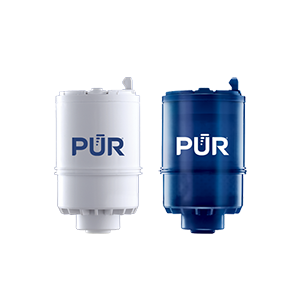
PUR & PUR PLUS FAUCET FILTERS
RF3375/RF9999

View Filters

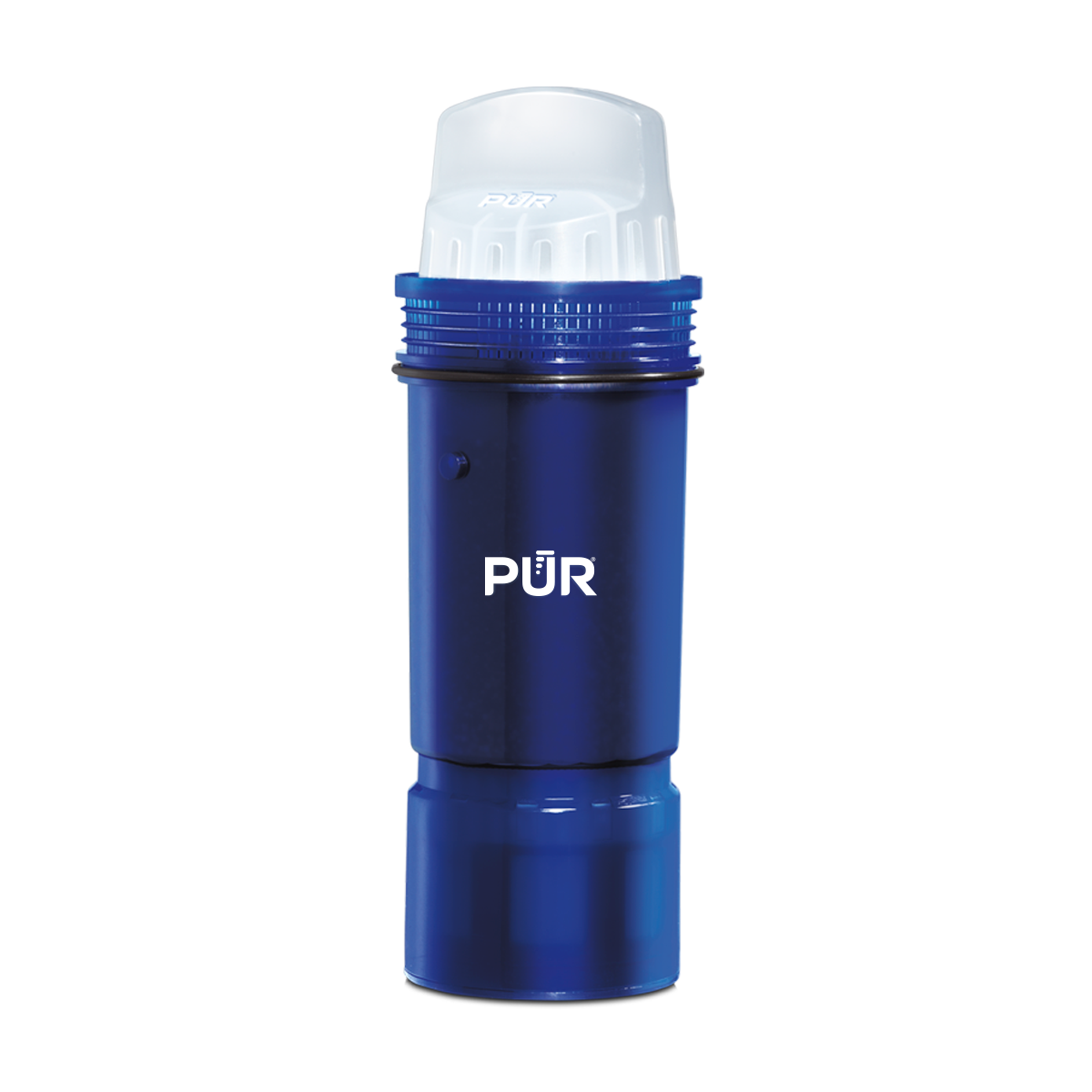
PUR PLUS PITCHER FILTERS
PPF951K

View Filter

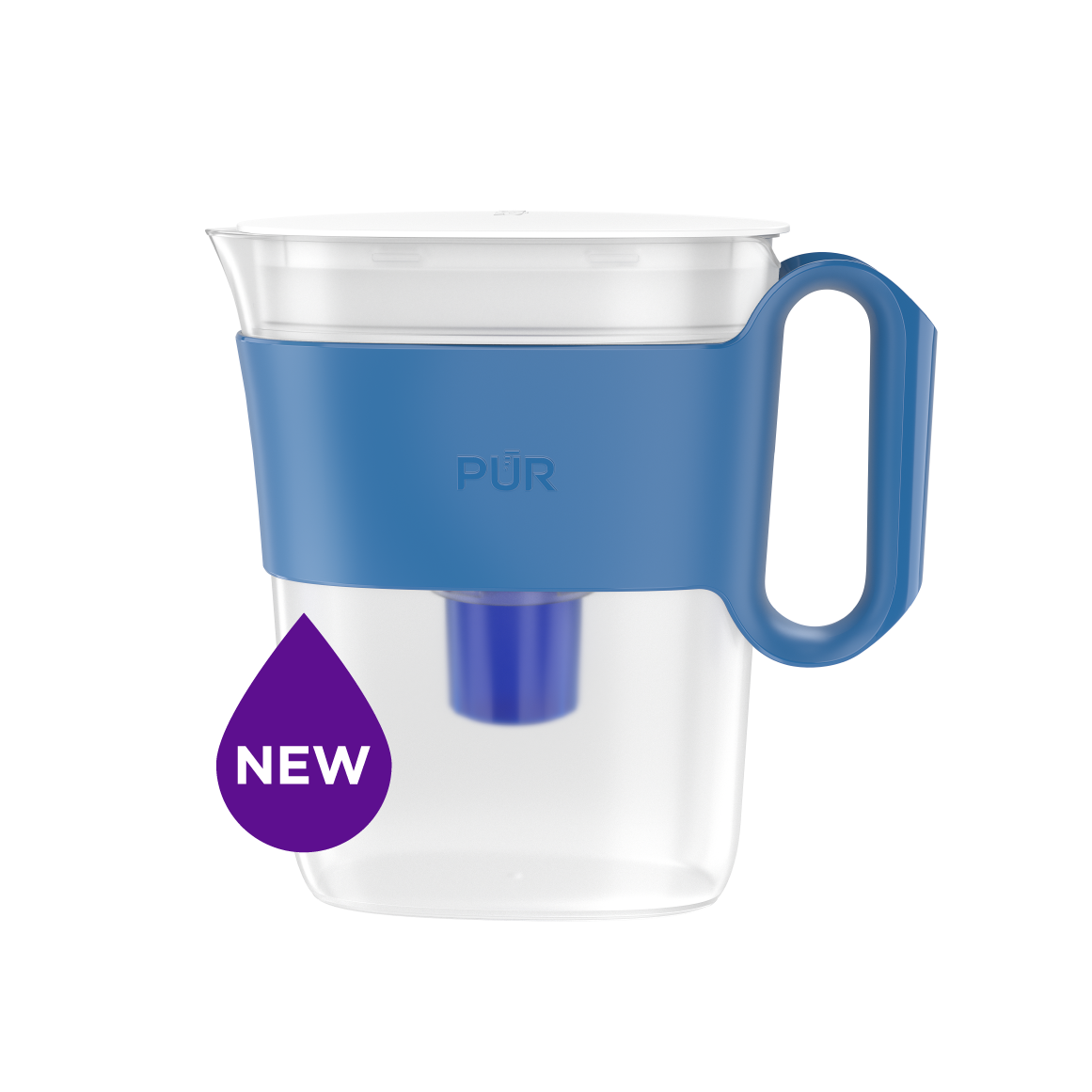
PUR BASIC PITCHER FILTERS
PPF900Z

View Filter


Vs. Brita*

Lead
Microplastics
Mercury
Chlorine Taste & Odor
DEET
TTHM

PUR’s Filtration Systems Are Certified By NSF And WQA For Their Contamination Reduction. WQA certifications as of 5/27/21 for Faucet filter models RF-3375 and RF-9999.

¹ Certified to reduce 10X more chemical and physical substances than Brita’s® leading pitcher filter.
² Certified to reduce 3X more chemical and physical substances than Brita’s® leading pitcher filter.
³ Certified to reduce 2X more chemical and physical substances than Brita’s® leading pitcher filter.
*Versus best-selling Brita® pitcher filter OB03. Brita® is a trademark of Brita LP.
**Like other leading brands, PUR does not filter microbes. As of 3/1/23 Brita® and ZeroWater® were not certified to filter microbes. Brita® is a trademark of Brita LP. ZeroWater® is a trademark of Zero Technologies, LLC..
 

PUR & PUR PLUS FAUCET FILTERS


PUR & PUR PLUS FAUCET FILTERS
RF3375/RF9999

View Filters


Vs. Brita*

Lead
Microplastics
Mercury
Chlorine Taste & Odor
DEET
TTHM

PUR’s Filtration Systems Are Certified By NSF And WQA For Their Contamination Reduction. WQA certifications as of 5/27/21 for Faucet filter models RF-3375 and RF-9999.

¹ Certified to reduce 10X more chemical and physical substances than Brita’s® leading pitcher filter.
² Certified to reduce 3X more chemical and physical substances than Brita’s® leading pitcher filter.
³ Certified to reduce 2X more chemical and physical substances than Brita’s® leading pitcher filter.
*Versus best-selling Brita® pitcher filter OB03. Brita® is a trademark of Brita LP.
**Like other leading brands, PUR does not filter microbes. As of 3/1/23 Brita® and ZeroWater® were not certified to filter microbes. Brita® is a trademark of Brita LP. ZeroWater® is a trademark of Zero Technologies, LLC..
 

PUR PLUS PITCHER FILTERS


PUR PLUS PITCHER FILTERS
PPF951K

View Filter


Vs. Brita*

Lead
Microplastics
Mercury
Chlorine Taste & Odor
DEET
TTHM

PUR’s Filtration Systems Are Certified By NSF And WQA For Their Contamination Reduction. WQA certifications as of 5/27/21 for Faucet filter models RF-3375 and RF-9999.

¹ Certified to reduce 10X more chemical and physical substances than Brita’s® leading pitcher filter.
² Certified to reduce 3X more chemical and physical substances than Brita’s® leading pitcher filter.
³ Certified to reduce 2X more chemical and physical substances than Brita’s® leading pitcher filter.
*Versus best-selling Brita® pitcher filter OB03. Brita® is a trademark of Brita LP.
**Like other leading brands, PUR does not filter microbes. As of 3/1/23 Brita® and ZeroWater® were not certified to filter microbes. Brita® is a trademark of Brita LP. ZeroWater® is a trademark of Zero Technologies, LLC..
 

PUR BASIC PITCHER FILTERS


PUR BASIC PITCHER FILTERS
PPF900Z

View Filter


Vs. Brita*

Lead
Microplastics
Mercury
Chlorine Taste & Odor
DEET
TTHM

PUR’s Filtration Systems Are Certified By NSF And WQA For Their Contamination Reduction. WQA certifications as of 5/27/21 for Faucet filter models RF-3375 and RF-9999.

¹ Certified to reduce 10X more chemical and physical substances than Brita’s® leading pitcher filter.
² Certified to reduce 3X more chemical and physical substances than Brita’s® leading pitcher filter.
³ Certified to reduce 2X more chemical and physical substances than Brita’s® leading pitcher filter.
*Versus best-selling Brita® pitcher filter OB03. Brita® is a trademark of Brita LP.
**Like other leading brands, PUR does not filter microbes. As of 3/1/23 Brita® and ZeroWater® were not certified to filter microbes. Brita® is a trademark of Brita LP. ZeroWater® is a trademark of Zero Technologies, LLC..
 

Best Water Filter for Sink Which One Should You Choose?

When it comes to the best water filter for sink, many homeowners feel overwhelmed. With so many options available, selecting the right one can be challenging. Jim Peterson, a water filtration expert, states, "The best water filter for your sink is one that fits your specific needs." His insight highlights the importance of considering personal circumstances.

Understanding your water quality is vital. Test your tap water for contaminants. Choose a filter that effectively removes them. Some filters excel in removing chlorine. Others focus on heavy metals. This specialized filtering is crucial for health and taste. Remember, not every filter addresses all concerns adequately.

Making a choice involves weighing features versus price. Look for certifications that ensure reliability. Always seek expert opinions and user reviews for added insight. This process can bring clarity amidst confusing options. Ensuring clean, safe drinking water is non-negotiable for every household.

Best Water Filter for Sink Which One Should You Choose?

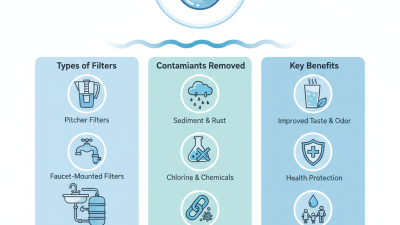
Types of Water Filters for Sinks: An Overview

When considering the best water filter for your sink, it's essential to explore the various types available. Each type has its unique advantages and limitations. According to the Water Quality Association, nearly 68% of homeowners use some form of water filtration. This highlights the growing awareness about water quality.

One popular option is activated carbon filters. They effectively reduce chlorine, sediment, and volatile organic compounds. However, they can’t remove certain heavy metals or bacteria.

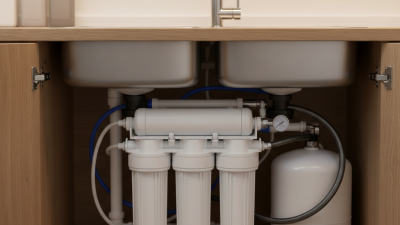
Another choice is reverse osmosis systems. These systems are highly efficient at purifying water, removing up to 95% of contaminants. Yet, they can be expensive and waste water in the filtration process, up to three gallons per filtered gallon.

Ultraviolet (UV) filters also offer a powerful option. They kill bacteria and viruses without chemicals. Nonetheless, they require electricity and don’t eliminate sediment or chemicals. Homeowners must assess their specific needs and the quality of their local water supply. The right choice often involves trade-offs. Filters can provide clean drinking water, but not all are foolproof. Understanding these options is crucial for making an informed decision.

Key Features to Consider When Choosing a Sink Water Filter

When selecting a water filter for your sink, several key features should be top of mind. Firstly, the filtration technology is crucial. Common methods include activated carbon, reverse osmosis, and ultraviolet (UV) purification. Reports suggest that activated carbon effectively removes chlorine and sediment, while reverse osmosis can eliminate up to 99% of contaminants, including lead and nitrates. This underscores the importance of choosing the right technology based on your water quality.

Another factor is the filter's certification. The NSF/ANSI certification is a reliable indicator of water filter performance. Filters that meet these standards have been rigorously tested for contaminant removal. Research indicates that certified filters can remove common pollutants, ensuring safer drinking water. Furthermore, consider the filter lifespan. Some systems may require frequent replacements, translating to higher long-term costs. It’s vital to strike a balance between initial investment and ongoing maintenance needs.

Finally, think about the installation process. Many models promise easy setup, yet user experiences often vary. Some may find installation straightforward; others may encounter challenges. Consumer reviews highlight this variability, illustrating the need to research and understand potential hurdles. Evaluating each of these aspects leads you closer to a water filter that suits your unique needs.

Comparison of Popular Sink Water Filter Brands and Models

Choosing a sink water filter can be overwhelming. With various brands and models available, understanding their differences is vital. Many studies show that water quality varies significantly across regions. For instance, a report from the Environmental Protection Agency indicates that up to 10% of public water systems exceed the maximum contaminant levels. This statistic underlines the importance of filtering.

When comparing popular sink water filter brands, consider filtration types. Activated carbon filters are effective for removing chlorine and improving taste. Reverse osmosis systems provide deeper filtration, reducing more contaminants but at higher price points. A survey found that 65% of consumers prioritize taste and odor, while 35% focus on contaminant removal efficiency.

Tips for selection: Assess your local water quality first. Choose a filter certified for specific contaminants. Regular maintenance is crucial; some filters need replacement every six months. A poorly maintained filter can do more harm than good. Always check for third-party certifications to ensure reliability.

Explore local reviews and user experiences. This approach often reveals issues that technical specifications overlook. Remember, the best filter for you may not be the most advertised one. Make informed choices based on more than just brand names.

Installation and Maintenance: How to Keep Your Water Filter Working

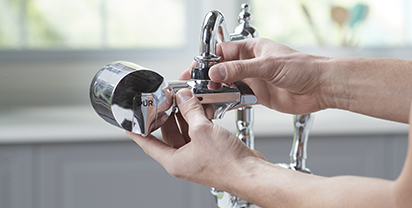
Installing a water filter at your sink can significantly enhance your drinking water quality. Proper installation is crucial for optimal performance. Check the compatibility with your sink type before starting. Most filters have clear instructions, but take your time. Ensure all fittings are tight. A leak can lead to wasted water and damage over time.


Maintenance is equally important. Regularly check the filter’s indicator. Some models alert you when replacements are due. If your filter doesn’t have this feature, keep a schedule. Remember that filters can harbor bacteria if not replaced timely. Use warm soapy water to clean the exterior. This simple step helps maintain hygiene.


Don’t overlook any strange taste or smell in your water. It could indicate that the filter is no longer effective. Cleaning and replacing parts as necessary helps ensure that your filter works efficiently. Before installation, reflect on your habits. Do you frequently forget to check your filter? If so, consider setting reminders. Getting into a routine will help maintain high-quality drinking water.

Evaluating the Cost: Budgeting for a Sink Water Filter Solution

When considering a sink water filter, budgeting is crucial. A quality filter can range widely in price. Many factors influence these costs. The type of filtration technology used plays a major role. Some systems utilize activated carbon, while others employ reverse osmosis. This difference significantly impacts the price and maintenance.

Investing in a water filter not only enhances water quality but may also reduce long-term expenses. It’s essential to weigh the initial costs against ongoing filter replacements. Cheaper models might seem appealing, but their effectiveness could diminish quickly. Over time, this can lead to more frequent purchases and higher costs.

Think about installation costs too. Some filters are easy to install, while others may require professional help. This can increase your overall budget. Remember, you're investing in health. A well-chosen filter pays off by providing cleaner water and reducing plastic waste. Weigh your options carefully, as this decision impacts both health and finances.