
Contaminant Comparison Chart

For a complete list of contaminants that PUR filters reduce, please view our Performance Data Sheets here.


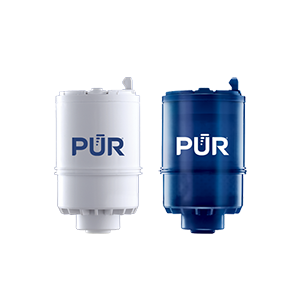
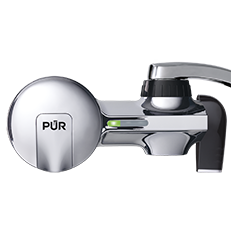
PUR & PUR PLUS FAUCET FILTERS
RF3375/RF9999

View Filters

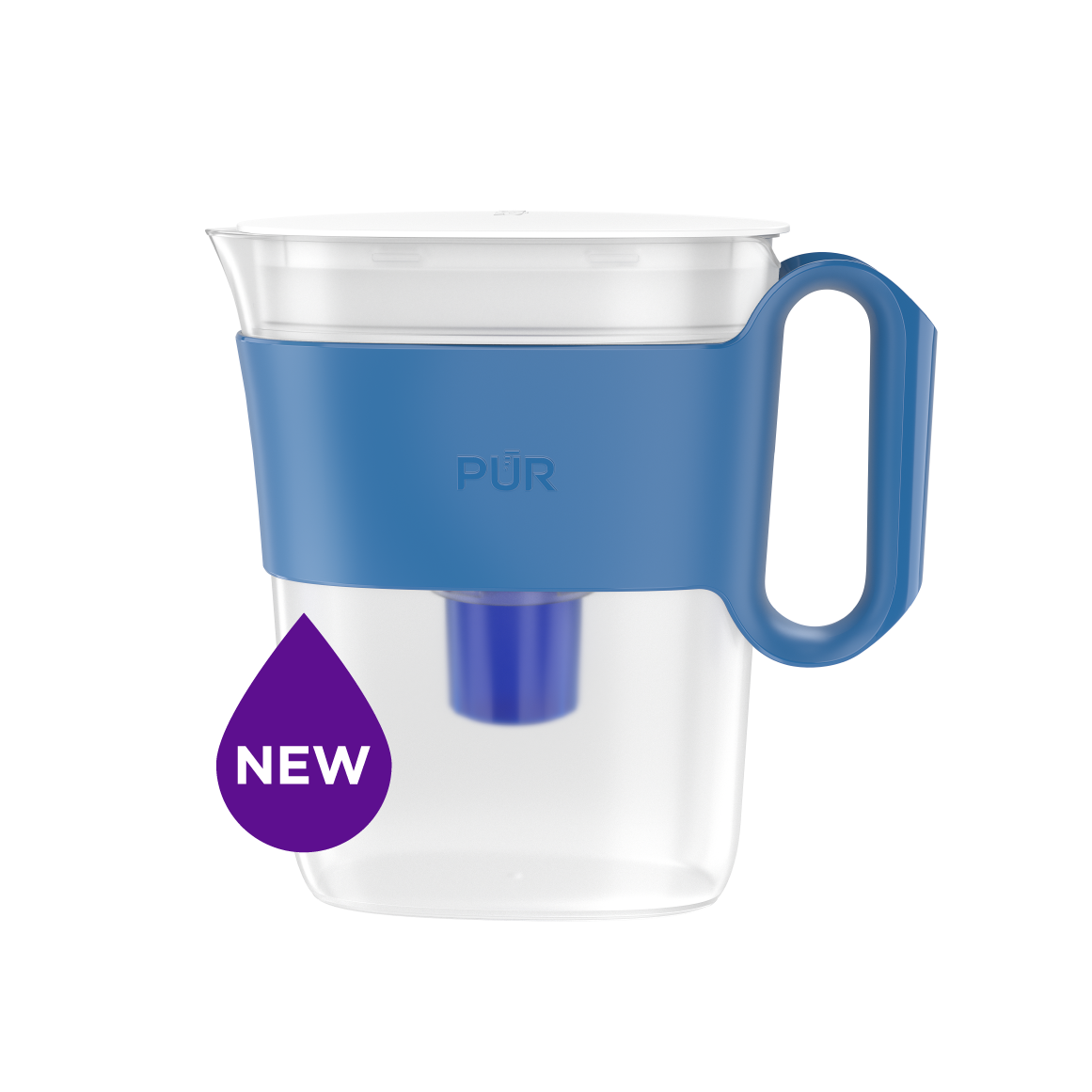
PUR PLUS PITCHER FILTERS
PPF951K

View Filter

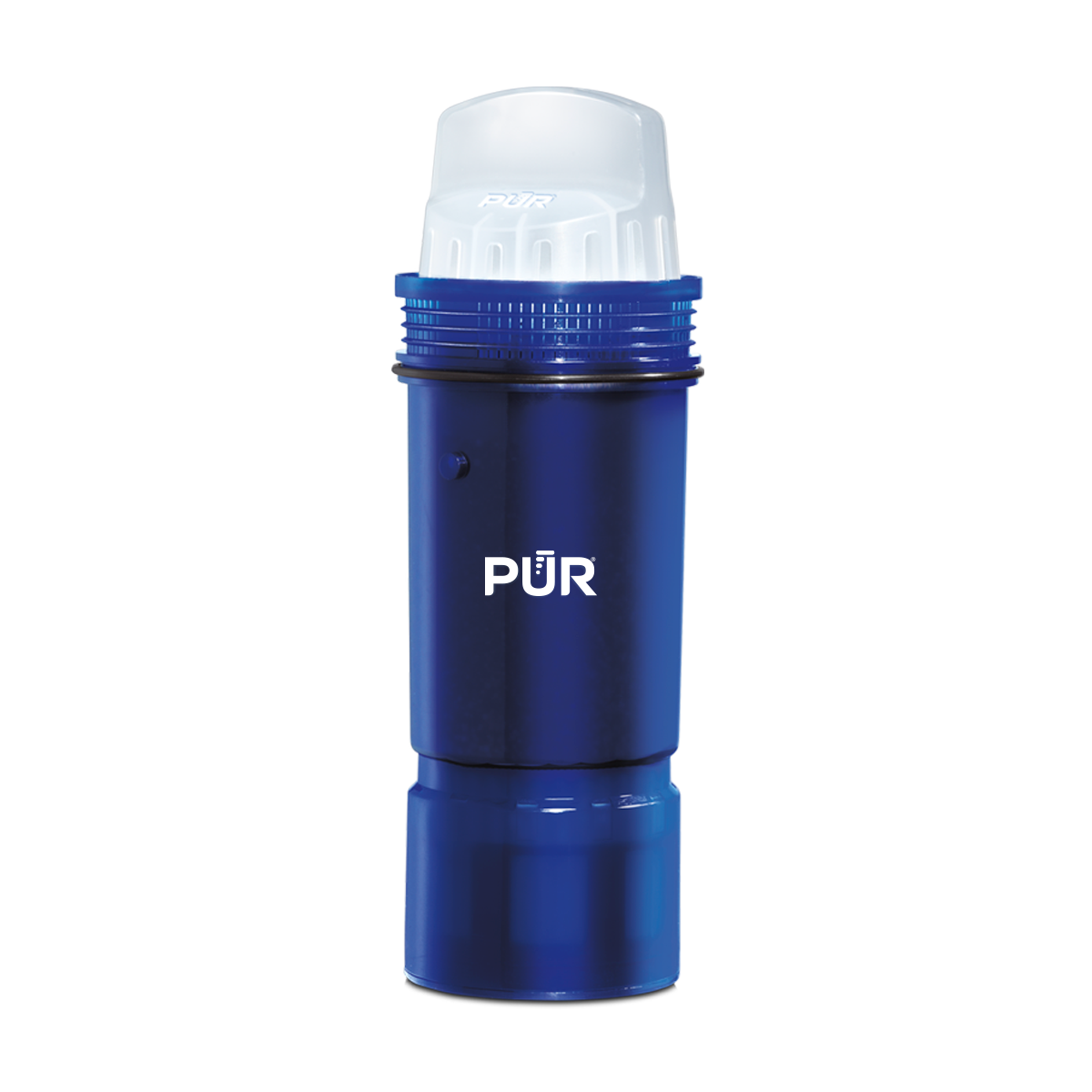
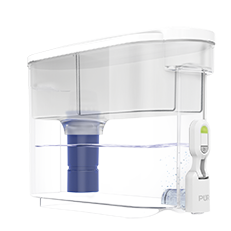
PUR BASIC PITCHER FILTERS
PPF900Z

View Filter


Vs. Brita*

Lead
Microplastics
Mercury
Chlorine Taste & Odor
DEET
TTHM

PUR’s Filtration Systems Are Certified By NSF And WQA For Their Contamination Reduction. WQA certifications as of 5/27/21 for Faucet filter models RF-3375 and RF-9999.

¹ Certified to reduce 10X more chemical and physical substances than Brita’s® leading pitcher filter.
² Certified to reduce 3X more chemical and physical substances than Brita’s® leading pitcher filter.
³ Certified to reduce 2X more chemical and physical substances than Brita’s® leading pitcher filter.
*Versus best-selling Brita® pitcher filter OB03. Brita® is a trademark of Brita LP.
**Like other leading brands, PUR does not filter microbes. As of 3/1/23 Brita® and ZeroWater® were not certified to filter microbes. Brita® is a trademark of Brita LP. ZeroWater® is a trademark of Zero Technologies, LLC..
 

PUR & PUR PLUS FAUCET FILTERS


PUR & PUR PLUS FAUCET FILTERS
RF3375/RF9999

View Filters


Vs. Brita*

Lead
Microplastics
Mercury
Chlorine Taste & Odor
DEET
TTHM

PUR’s Filtration Systems Are Certified By NSF And WQA For Their Contamination Reduction. WQA certifications as of 5/27/21 for Faucet filter models RF-3375 and RF-9999.

¹ Certified to reduce 10X more chemical and physical substances than Brita’s® leading pitcher filter.
² Certified to reduce 3X more chemical and physical substances than Brita’s® leading pitcher filter.
³ Certified to reduce 2X more chemical and physical substances than Brita’s® leading pitcher filter.
*Versus best-selling Brita® pitcher filter OB03. Brita® is a trademark of Brita LP.
**Like other leading brands, PUR does not filter microbes. As of 3/1/23 Brita® and ZeroWater® were not certified to filter microbes. Brita® is a trademark of Brita LP. ZeroWater® is a trademark of Zero Technologies, LLC..


PUR PLUS PITCHER FILTERS


PUR PLUS PITCHER FILTERS
PPF951K

View Filter


Vs. Brita*

Lead
Microplastics
Mercury
Chlorine Taste & Odor
DEET
TTHM

PUR’s Filtration Systems Are Certified By NSF And WQA For Their Contamination Reduction. WQA certifications as of 5/27/21 for Faucet filter models RF-3375 and RF-9999.

¹ Certified to reduce 10X more chemical and physical substances than Brita’s® leading pitcher filter.
² Certified to reduce 3X more chemical and physical substances than Brita’s® leading pitcher filter.
³ Certified to reduce 2X more chemical and physical substances than Brita’s® leading pitcher filter.
*Versus best-selling Brita® pitcher filter OB03. Brita® is a trademark of Brita LP.
**Like other leading brands, PUR does not filter microbes. As of 3/1/23 Brita® and ZeroWater® were not certified to filter microbes. Brita® is a trademark of Brita LP. ZeroWater® is a trademark of Zero Technologies, LLC..


PUR BASIC PITCHER FILTERS


PUR BASIC PITCHER FILTERS
PPF900Z

View Filter


Vs. Brita*

Lead
Microplastics
Mercury
Chlorine Taste & Odor
DEET
TTHM

PUR’s Filtration Systems Are Certified By NSF And WQA For Their Contamination Reduction. WQA certifications as of 5/27/21 for Faucet filter models RF-3375 and RF-9999.

¹ Certified to reduce 10X more chemical and physical substances than Brita’s® leading pitcher filter.
² Certified to reduce 3X more chemical and physical substances than Brita’s® leading pitcher filter.
³ Certified to reduce 2X more chemical and physical substances than Brita’s® leading pitcher filter.
*Versus best-selling Brita® pitcher filter OB03. Brita® is a trademark of Brita LP.
**Like other leading brands, PUR does not filter microbes. As of 3/1/23 Brita® and ZeroWater® were not certified to filter microbes. Brita® is a trademark of Brita LP. ZeroWater® is a trademark of Zero Technologies, LLC..


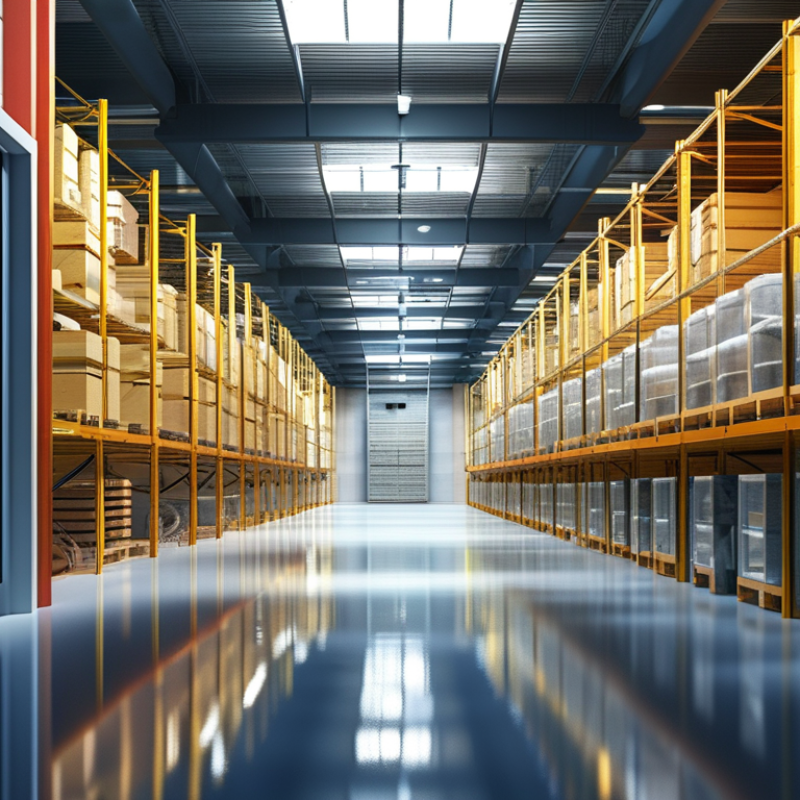
How to Build Efficient Cooler Rooms for Maximum Storage?

Cooler Rooms play a crucial role in various industries, particularly in food storage and pharmaceuticals. The global cold storage market is projected to reach $212.2 billion by 2025, emphasizing the importance of efficient cooler room design. Today, ensuring that perishable goods remain fresh and safe is non-negotiable. According to the International Institute of Refrigeration, nearly 30% of all food produced is wasted due to inadequate storage conditions.

Building efficient Cooler Rooms is essential for optimizing space and maintaining temperature. Factors such as insulation, air circulation, and humidity control must be carefully considered. Many facilities face challenges with improper design leading to inefficiencies and higher operational costs. For instance, poor layout can hinder access to products, causing delays and increased labor costs.

Reflecting on best practices, it's clear that knowledge and experience in cooler room construction are vital. A well-designed Cooler Room not only preserves inventory but also enhances overall productivity. However, ongoing maintenance and assessment are necessary. Such reflection ensures that cooler spaces meet evolving storage needs effectively.

How to Build Efficient Cooler Rooms for Maximum Storage?

Understanding the Basics of Cooler Room Design

Understanding cooler room design is essential for efficient storage. A well-designed cooler room maximizes item longevity and improves energy efficiency. Start with insulation. Proper insulation keeps temperatures stable, reducing energy costs.

Ventilation plays a critical role. Ensure adequate airflow to avoid hotspots. Hot spots can lead to spoilage and increased operational costs. Consider using adjustable shelving. This allows flexibility for different sized items.

Regular maintenance is necessary to ensure the system operates effectively. Monitor temperature and humidity levels consistently. An oversight here can compromise stored goods. Seek advice from industry experts when designing your space. Their expertise can guide you through potential pitfalls.

How to Build Efficient Cooler Rooms for Maximum Storage? - Understanding the Basics of Cooler Room Design

Dimension Measurement Recommended Value Notes
Room Size 1000 sq ft Optimal for storing bulk items Can adjust based on inventory
Insulation Thickness 4 inches R-Value of 25 To minimize temperature fluctuations
Temperature Range 32°F to 50°F For perishable goods Adjust based on product type
Humidity Level 70% to 85% Maintain freshness Use humidifiers/dehumidifiers as needed
Ventilation 500 CFM Ensure air circulation Install fans strategically
Lighting LED Lights Low heat emission Energy efficient
Access Doors Double swing doors Insulated Minimize air loss

Selecting the Right Location for Cooler Rooms

When selecting the right location for cooler rooms, multiple factors come into play. Data from the International Institute of Refrigeration indicates that the choice of location can impact energy efficiency by up to 30%. Ideally, cooler rooms should be positioned away from heat sources. This includes machinery or direct sunlight, which can increase cooling demands. Effective insulation also minimizes heat gain, making placement critical.

Height is another consideration. Cooler rooms should not be installed in low-ceiling areas. This can hinder air circulation and increase the risk of hotspots. Airflow is essential for even temperature distribution within the space. The use of high-quality fans can enhance efficiency in larger rooms.

Accessibility can't be overlooked. A well-located cooler room should allow easy entry for loading and unloading. This can significantly reduce the time products spend in transition. Data suggests that poor layout can waste up to 15% of the operational time. Therefore, considering the flow of goods and personnel is essential in achieving optimal performance.

Essential Insulation Techniques for Energy Efficiency

When constructing cooler rooms for storage, insulation is crucial for energy efficiency. Proper insulation can minimize energy loss and maintain desired temperatures. A well-insulated wall, ceiling, and floor act as barriers against external heat. This prevents overworking cooling systems, saving both energy and costs.

Utilize high-quality insulation materials, like rigid foam or spray foam, to enhance thermal performance. Sealing gaps and cracks is also vital. Even small openings can lead to significant energy loss. Regular inspections can help identify deficiencies. Insulation should cover all areas uniformly, ensuring a consistent thermal barrier.

Tips for better insulation: Choose the right R-value for your climate. Research shows a higher R-value improves energy efficiency. Consider using reflective barriers or radiant barriers in addition to traditional insulation. This dual approach can further enhance performance. Regularly assess insulation integrity over time. Neglecting worn-out insulation can lead to inefficiencies.

Optimal Layout and Shelving Strategies for Storage

Creating an efficient cooler room requires careful planning. The layout directly impacts accessibility and storage efficiency. Consider using a grid pattern in your shelving. This allows for clear walking paths and easy item retrieval. A well-organized room leads to quicker inventory checks.

Tips: Always mark shelves and bins. Use clear labels to speed up finding items. Regularly reassess your layout as inventory changes.

Shelving strategies are crucial. Opt for adjustable shelves to accommodate different items. Use sturdy, easy-to-clean materials for hygiene and durability. Remember, too much clutter can lead to lost items. A minimalist approach often works best.

Tips: Schedule periodic reviews of your storage system. Reflect on what works and what doesn’t. It’s essential to adapt as inventory evolves. Aim for continuous improvement in your cooler room setup.

Storage Capacity by Room Size

Maintenance Practices to Ensure Long-Term Functionality

Maintaining cooler rooms is essential for optimal storage. Regular checks on temperature and humidity levels should be a priority. Use reliable thermometers and hygrometers for accurate readings. Consistent monitoring prevents spoilage and waste.

In addition to tracking conditions, cleaning is vital. Dust and debris can obstruct airflow and affect performance. Schedule cleanings regularly, focusing on vents and fans. Reflect on maintenance routines and adapt as needed. This can help identify potential issues before they escalate.

Finally, inspect insulation and seals. Over time, wear and tear can compromise efficiency. Replacing worn parts strengthens the cooler rooms. Keeping a log of maintenance activities can also expose patterns or repeated issues. This practice enhances the sustainability of your cooler rooms.

Article Source: