Contaminant Comparison Chart

For a complete list of contaminants that PUR filters reduce, please view our Performance Data Sheets here.


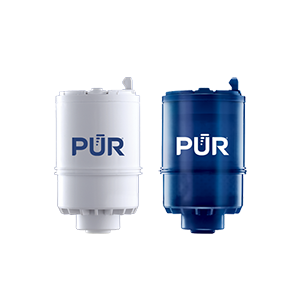
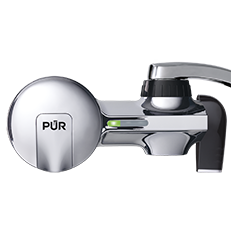
PUR & PUR PLUS FAUCET FILTERS
RF3375/RF9999

View Filters

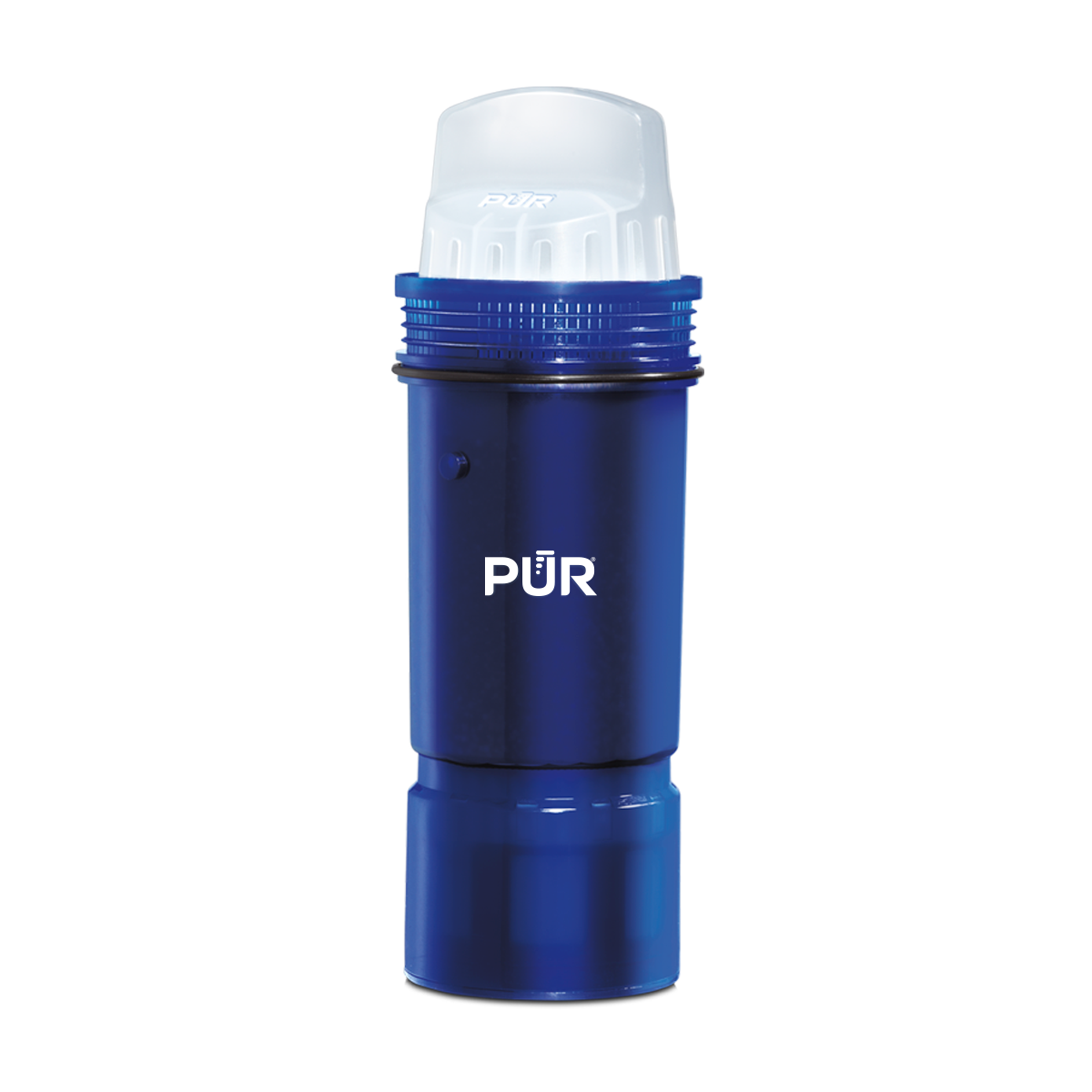
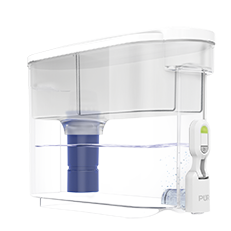
PUR PLUS PITCHER FILTERS
PPF951K

View Filter

PUR BASIC PITCHER FILTERS
PPF900Z

View Filter


Vs. Brita*

Lead
Microplastics
Mercury
Chlorine Taste & Odor
DEET
TTHM

PUR’s Filtration Systems Are Certified By NSF And WQA For Their Contamination Reduction. WQA certifications as of 5/27/21 for Faucet filter models RF-3375 and RF-9999.

¹ Certified to reduce 10X more chemical and physical substances than Brita’s® leading pitcher filter.
² Certified to reduce 3X more chemical and physical substances than Brita’s® leading pitcher filter.
³ Certified to reduce 2X more chemical and physical substances than Brita’s® leading pitcher filter.
*Versus best-selling Brita® pitcher filter OB03. Brita® is a trademark of Brita LP.
**Like other leading brands, PUR does not filter microbes. As of 3/1/23 Brita® and ZeroWater® were not certified to filter microbes. Brita® is a trademark of Brita LP. ZeroWater® is a trademark of Zero Technologies, LLC..

 

PUR & PUR PLUS FAUCET FILTERS


PUR & PUR PLUS FAUCET FILTERS
RF3375/RF9999

View Filters


Vs. Brita*

Lead
Microplastics
Mercury
Chlorine Taste & Odor
DEET
TTHM

PUR’s Filtration Systems Are Certified By NSF And WQA For Their Contamination Reduction. WQA certifications as of 5/27/21 for Faucet filter models RF-3375 and RF-9999.

¹ Certified to reduce 10X more chemical and physical substances than Brita’s® leading pitcher filter.
² Certified to reduce 3X more chemical and physical substances than Brita’s® leading pitcher filter.
³ Certified to reduce 2X more chemical and physical substances than Brita’s® leading pitcher filter.
*Versus best-selling Brita® pitcher filter OB03. Brita® is a trademark of Brita LP.
**Like other leading brands, PUR does not filter microbes. As of 3/1/23 Brita® and ZeroWater® were not certified to filter microbes. Brita® is a trademark of Brita LP. ZeroWater® is a trademark of Zero Technologies, LLC..


PUR PLUS PITCHER FILTERS


PUR PLUS PITCHER FILTERS
PPF951K

View Filter


Vs. Brita*

Lead
Microplastics
Mercury
Chlorine Taste & Odor
DEET
TTHM

PUR’s Filtration Systems Are Certified By NSF And WQA For Their Contamination Reduction. WQA certifications as of 5/27/21 for Faucet filter models RF-3375 and RF-9999.

¹ Certified to reduce 10X more chemical and physical substances than Brita’s® leading pitcher filter.
² Certified to reduce 3X more chemical and physical substances than Brita’s® leading pitcher filter.
³ Certified to reduce 2X more chemical and physical substances than Brita’s® leading pitcher filter.
*Versus best-selling Brita® pitcher filter OB03. Brita® is a trademark of Brita LP.
**Like other leading brands, PUR does not filter microbes. As of 3/1/23 Brita® and ZeroWater® were not certified to filter microbes. Brita® is a trademark of Brita LP. ZeroWater® is a trademark of Zero Technologies, LLC..


PUR BASIC PITCHER FILTERS


PUR BASIC PITCHER FILTERS
PPF900Z

View Filter


Vs. Brita*

Lead
Microplastics
Mercury
Chlorine Taste & Odor
DEET
TTHM

PUR’s Filtration Systems Are Certified By NSF And WQA For Their Contamination Reduction. WQA certifications as of 5/27/21 for Faucet filter models RF-3375 and RF-9999.

¹ Certified to reduce 10X more chemical and physical substances than Brita’s® leading pitcher filter.
² Certified to reduce 3X more chemical and physical substances than Brita’s® leading pitcher filter.
³ Certified to reduce 2X more chemical and physical substances than Brita’s® leading pitcher filter.
*Versus best-selling Brita® pitcher filter OB03. Brita® is a trademark of Brita LP.
**Like other leading brands, PUR does not filter microbes. As of 3/1/23 Brita® and ZeroWater® were not certified to filter microbes. Brita® is a trademark of Brita LP. ZeroWater® is a trademark of Zero Technologies, LLC..


How to Buy Custom Glass Jars Wholesale for Your Business?

In the competitive landscape of retail, businesses often seek unique packaging solutions. Custom Glass Jars Wholesale have emerged as a popular choice among entrepreneurs. According to a recent market report by Smith & Associates, the demand for custom glass packaging is projected to grow by 5% annually. This growth reflects a growing consumer preference for sustainable and aesthetically appealing products.

Industry expert Jenna Moore, a renowned packaging consultant, emphasizes, “Choosing the right packaging can significantly elevate a brand’s image.” Her insights highlight the importance of selecting high-quality materials that resonate with consumers. However, navigating the wholesale market can be challenging. Businesses must consider factors such as design flexibility, production costs, and supplier reliability.

Investing in custom glass jars wholesale is not just about aesthetics. It is also about aligning with market trends. However, many businesses overlook the potential pitfalls of inadequate research or supplier vetting. It is crucial to approach this process with thoughtfulness and care. Companies that reflect on these aspects are more likely to thrive.

How to Buy Custom Glass Jars Wholesale for Your Business?

Understanding the Benefits of Custom Glass Jars for Your Business

Custom glass jars offer significant advantages for businesses in various sectors. According to a report by Smithers Pira, the global glass packaging market is projected to reach $70 billion by 2024. This growth indicates the rising preference for glass over plastic, especially among eco-conscious consumers. Custom glass jars not only enhance product visibility but also convey quality. A study by Nielsen shows that 73% of consumers are willing to pay more for sustainably packaged products.

Brand identity is crucial in today’s competitive market. Custom glass jars provide businesses with a unique opportunity to strengthen their branding. The ability to showcase logos and custom designs attracts consumers. Studies reveal that 67% of brand loyalty comes from a positive visual impression. While incorporating innovative designs, businesses must ensure that functionality isn’t compromised. Some designs may prove challenging to fill or store efficiently, reflecting an area for improvement.

Furthermore, glass jars have a perception of superiority regarding product freshness and safety. This perception can boost customer trust significantly. However, businesses need to consider the higher upfront costs associated with custom glass packaging. Managing inventory levels becomes crucial to avoid overstock and wastage. Balancing design appeal with practicality and cost-effectiveness is essential for maximizing the benefits of custom glass jars.

Key Factors to Consider When Sourcing Wholesale Glass Jars

When sourcing wholesale glass jars, specific factors can significantly impact your purchasing experience. The global glass container market was valued at approximately $57.45 billion in 2021 and is projected to grow by about 5% annually. This steady demand reflects the increasing preference for sustainable packaging.

One crucial aspect to consider is quality. Not all glass jars are created equal. Assessing the durability and clarity of the jars is vital. Low-quality glass can lead to product damage and higher return rates. Additionally, consider if the jars meet industry standards for food safety. Proper certification can save you from legal troubles and enhance your brand's reputation.

Another important factor is the supplier's reliability. Research the supplier’s history, customer reviews, and delivery timelines. Inconsistent supply can disrupt your business operations. According to a 2022 industry report, 70% of businesses experienced delays due to unreliable sourcing. Diversifying your suppliers can mitigate risks. Pricing is also a concern; compare costs across suppliers while keeping quality in mind. Remember, the cheapest option may not always be the best value.

Wholesale Custom Glass Jars Purchasing Insights

Exploring Different Styles and Sizes of Custom Glass Jars Available

When considering custom glass jars, styles and sizes play a crucial role in meeting your business needs. Various designs, from classic to modern, offer unique aesthetics. According to a 2022 market report by Grand View Research, the global glass packaging market was valued at approximately $50 billion and is projected to grow steadily. This growth reflects a rising consumer preference for sustainable packaging, making custom glass jars a popular choice.

Choosing sizes that fit your product line is equally important. Custom glass jars come in multiple sizes, accommodating everything from small spices to larger candles. A survey conducted by Statista revealed that 73% of consumers prefer products in eco-friendly packaging. This illustrates the demand for versatile glass jar sizes that can enhance product appeal and meet environmentally conscious consumer preferences.

However, finding the right balance between style, size, and cost can be challenging. Many businesses struggle to source jars that align with their brand identity. Quality control is another concern. It's vital to partner with reputable suppliers who adhere to industry standards. Issues such as inconsistent glass thickness can lead to increased breakage rates and loss of profits. Striving for perfection in this area is essential for long-term success.

Evaluating Suppliers: Quality Standards and Certifications

When purchasing custom glass jars wholesale, evaluating suppliers is crucial. Start by checking their quality standards and certifications. Industry data shows that over 70%of glass Jar Manufacturers adhere toISO certifications, ensuring consistency in production and product reliability. This is essential for maintaining quality in your supply chain.

Tips: Always ask for samples before committing. It gives you a chance to assess the quality firsthand. Not every supplier guarantees the same level of craftsmanship. Some may cut corners, impacting your end products. Look for transparency in their processes and commitment to sustainability. Certifications like FDA and CE can be indicators of a supplier’s adherence to safe materials.

Consider the supplier's track record. A reliable supplier will not just meet standards but exceed them. Reports indicate that businesses prioritizing quality suppliers tend to experience 20% fewer returns and complaints. Make sure your suppliers can provide detailed documentation on their quality control processes. In an industry where glass jars can represent a significant investment, knowing your supplier's certifications matters.

Cost Analysis: Budgeting for Wholesale Custom Glass Jars

When budgeting for wholesale custom glass jars, clarity is key. Understand your needs. Consider the sizes and quantities you require. Research various suppliers to compare pricing. Prices can fluctuate based on demand and season. A detailed cost analysis will help you make informed decisions.

Tips: Always factor in shipping costs. They can significantly impact your overall budget. Don’t forget about potential tariffs or customs fees if you're importing. These hidden costs can eat into your profit margins.

Look for suppliers that offer bulk discounts. Some might not advertise this option. Negotiating prices can lead to better deals. Be prepared to adjust your expectations based on your budget limitations. Quality should always be considered alongside cost. Striking a balance is crucial for your business success.