Contaminant Comparison Chart

For a complete list of contaminants that PUR filters reduce, please view our Performance Data Sheets here.


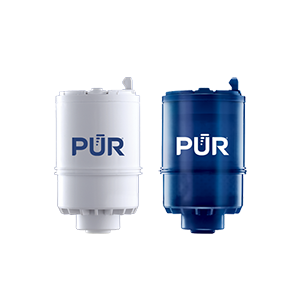
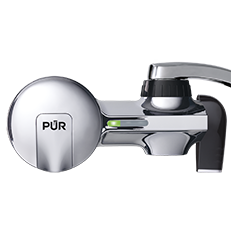
PUR & PUR PLUS FAUCET FILTERS
RF3375/RF9999

View Filters

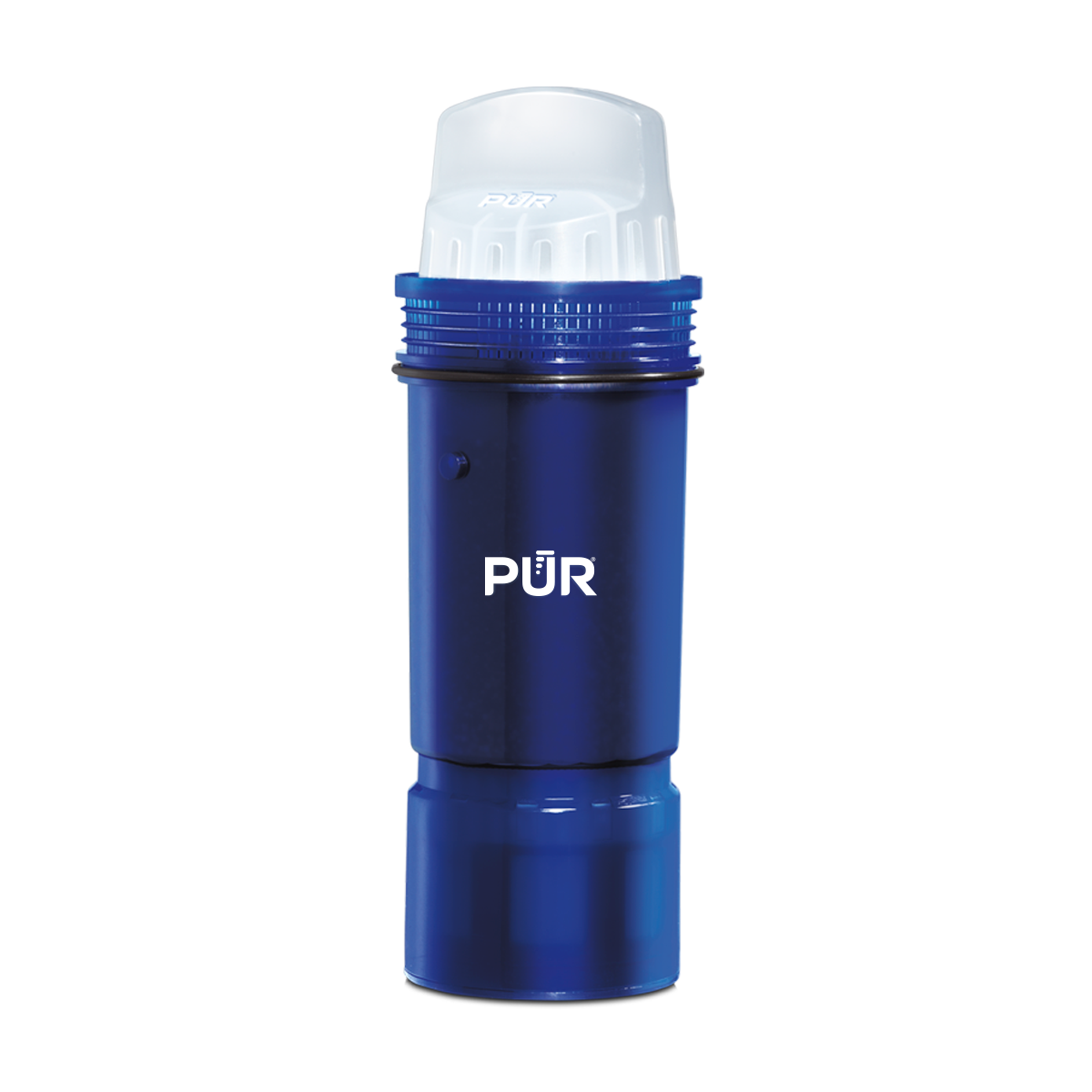
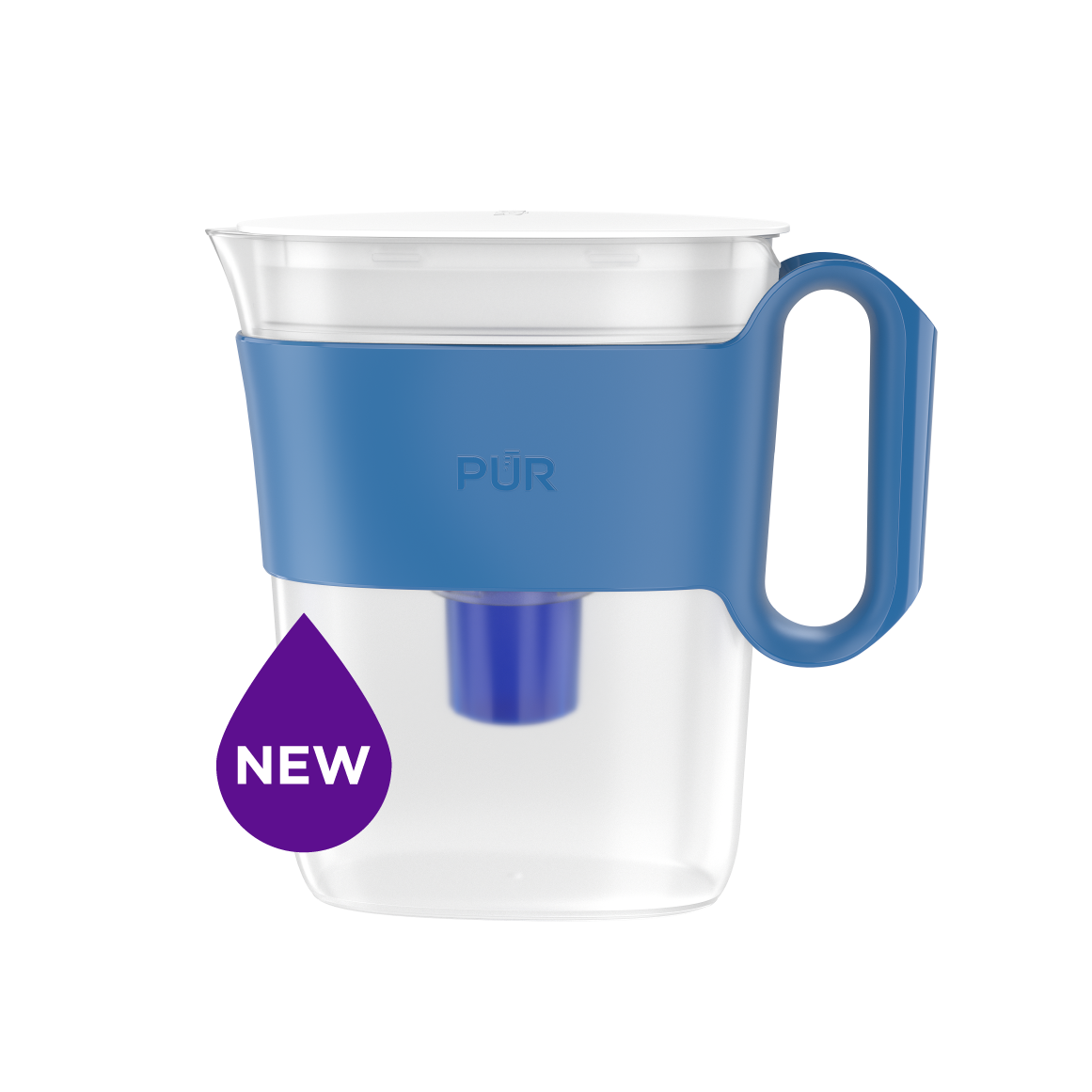
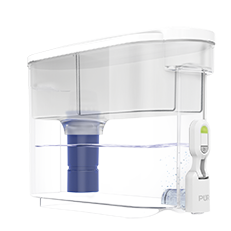
PUR PLUS PITCHER FILTERS
PPF951K

View Filter

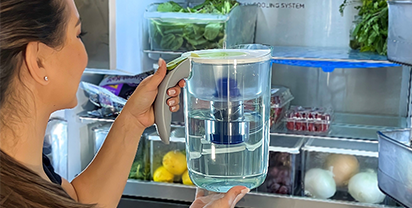
PUR BASIC PITCHER FILTERS
PPF900Z

View Filter


Vs. Brita*

Lead
Microplastics
Mercury
Chlorine Taste & Odor
DEET
TTHM

PUR’s Filtration Systems Are Certified By NSF And WQA For Their Contamination Reduction. WQA certifications as of 5/27/21 for Faucet filter models RF-3375 and RF-9999.

¹ Certified to reduce 10X more chemical and physical substances than Brita’s® leading pitcher filter.
² Certified to reduce 3X more chemical and physical substances than Brita’s® leading pitcher filter.
³ Certified to reduce 2X more chemical and physical substances than Brita’s® leading pitcher filter.
*Versus best-selling Brita® pitcher filter OB03. Brita® is a trademark of Brita LP.
**Like other leading brands, PUR does not filter microbes. As of 3/1/23 Brita® and ZeroWater® were not certified to filter microbes. Brita® is a trademark of Brita LP. ZeroWater® is a trademark of Zero Technologies, LLC..

 

PUR & PUR PLUS FAUCET FILTERS


PUR & PUR PLUS FAUCET FILTERS
RF3375/RF9999

View Filters


Vs. Brita*

Lead
Microplastics
Mercury
Chlorine Taste & Odor
DEET
TTHM

PUR’s Filtration Systems Are Certified By NSF And WQA For Their Contamination Reduction. WQA certifications as of 5/27/21 for Faucet filter models RF-3375 and RF-9999.

¹ Certified to reduce 10X more chemical and physical substances than Brita’s® leading pitcher filter.
² Certified to reduce 3X more chemical and physical substances than Brita’s® leading pitcher filter.
³ Certified to reduce 2X more chemical and physical substances than Brita’s® leading pitcher filter.
*Versus best-selling Brita® pitcher filter OB03. Brita® is a trademark of Brita LP.
**Like other leading brands, PUR does not filter microbes. As of 3/1/23 Brita® and ZeroWater® were not certified to filter microbes. Brita® is a trademark of Brita LP. ZeroWater® is a trademark of Zero Technologies, LLC..


PUR PLUS PITCHER FILTERS


PUR PLUS PITCHER FILTERS
PPF951K

View Filter


Vs. Brita*

Lead
Microplastics
Mercury
Chlorine Taste & Odor
DEET
TTHM

PUR’s Filtration Systems Are Certified By NSF And WQA For Their Contamination Reduction. WQA certifications as of 5/27/21 for Faucet filter models RF-3375 and RF-9999.

¹ Certified to reduce 10X more chemical and physical substances than Brita’s® leading pitcher filter.
² Certified to reduce 3X more chemical and physical substances than Brita’s® leading pitcher filter.
³ Certified to reduce 2X more chemical and physical substances than Brita’s® leading pitcher filter.
*Versus best-selling Brita® pitcher filter OB03. Brita® is a trademark of Brita LP.
**Like other leading brands, PUR does not filter microbes. As of 3/1/23 Brita® and ZeroWater® were not certified to filter microbes. Brita® is a trademark of Brita LP. ZeroWater® is a trademark of Zero Technologies, LLC..


PUR BASIC PITCHER FILTERS


PUR BASIC PITCHER FILTERS
PPF900Z

View Filter


Vs. Brita*

Lead
Microplastics
Mercury
Chlorine Taste & Odor
DEET
TTHM

PUR’s Filtration Systems Are Certified By NSF And WQA For Their Contamination Reduction. WQA certifications as of 5/27/21 for Faucet filter models RF-3375 and RF-9999.

¹ Certified to reduce 10X more chemical and physical substances than Brita’s® leading pitcher filter.
² Certified to reduce 3X more chemical and physical substances than Brita’s® leading pitcher filter.
³ Certified to reduce 2X more chemical and physical substances than Brita’s® leading pitcher filter.
*Versus best-selling Brita® pitcher filter OB03. Brita® is a trademark of Brita LP.
**Like other leading brands, PUR does not filter microbes. As of 3/1/23 Brita® and ZeroWater® were not certified to filter microbes. Brita® is a trademark of Brita LP. ZeroWater® is a trademark of Zero Technologies, LLC..


How to Buy Wholesale Small Glass Jars for Your Business?

In the fast-paced world of retail, understanding how to buy Wholesale Small Glass Jars is crucial for your business success. Industry expert Linda Williams, founder of GreenPack Containers, emphasizes, "Choosing the right jars can elevate your product presentation significantly." This statement captures the essence of the importance of careful selection.

When sourcing wholesale small glass jars, consider your product's design and functionality. A well-chosen jar not only protects the contents but also attracts customers. The market offers countless options, making it vital to distinguish quality from less reliable offerings. Factors like size, shape, and color influence consumer perception.

Think about your budget and supplier relationships. Buying in bulk can save money, but quality shouldn't be compromised. Though it may seem straightforward, challenges can arise. For instance, shipping issues and supplier reliability can impact your timeline. Reflecting on past experiences may help you make better choices in the future. Embrace the process of selecting wholesale small glass jars; it's an investment that pays off in brand recognition and customer loyalty.

How to Buy Wholesale Small Glass Jars for Your Business?

Understanding the Benefits of Buying Wholesale Small Glass Jars

Buying wholesale small glass jars can be a game changer for your business. These jars are versatile for various uses, from packaging products to organizing supplies. By purchasing wholesale, you can significantly reduce costs. This savings can be redirected towards other aspects of your business. Additionally, you gain access to a consistent supply of jars, ensuring you never run out.

When choosing a supplier, prioritize quality and reliability. Look for companies with good reviews. Assess their shipping policies and return options. Sometimes, you might run into issues with stock availability. It’s essential to communicate openly with suppliers. Make sure they understand your requirements. This helps avoid potential mismatches.

Tips: Consider ordering samples before making a bulk purchase. This allows you to test the jars for your specific needs. Pay attention to the jars' sturdiness and design. Think about how your customers will perceive your products. Clear jars can enhance the visibility of the contents. However, always reflect on whether the jar size fits your branding strategy, as this can influence customer choices.

How to Buy Wholesale Small Glass Jars for Your Business? - Understanding the Benefits of Buying Wholesale Small Glass Jars

Category Size (ml) Price per Jar ($) Minimum Order Quantity Customization Options
Straight Sided 100 0.30 500 Yes
Round 250 0.50 200 Yes
Hexagonal 150 0.45 300 No
Square 200 0.55 400 Yes
Bail Jar 300 0.70 250 Yes

Identifying Your Wholesale Supplier Options for Glass Jars

When buying wholesale small glass jars, understanding your supplier options is key. Start by identifying local distributors. They often offer quick shipping and lower costs. Check their inventory to ensure they have the sizes and styles you need. Local suppliers can also provide personalized service.

Online platforms are an alternative worth exploring. They can connect you with manufacturers worldwide. Look for reviews and ratings to gauge their reliability. This information helps avoid potential scams. Remember, not every online supplier will meet your standards.

Don’t overlook trade shows or industry events. They give you a chance to see the products in person. Networking can lead to better deals. Keep in mind, some suppliers may lack transparency. Always ask for samples before committing to a large order. Be cautious; it’s better to test before investing.

Evaluating the Quality and Specifications of Glass Jars

When evaluating the quality and specifications of small glass jars, focus on several key aspects. Firstly, consider the thickness of the glass. Thicker glass enhances durability and can withstand rough handling. Pay attention to the potential for defects; even small imperfections can impact the finished product's appeal.

TIPS: Always request samples before purchasing. This helps confirm the quality. Inspect for clarity and any bubbles or cracks.

The lid is just as important. Ensure it seals properly to prevent leaks or spoilage. The closure should be easy to use but secure. An effective seal extends the life of contents stored inside.

TIPS: Choose jars with a wide mouth for easy filling and cleaning. This can save time in your production process.

Always check the manufacturer’s specifications. This brings transparency and helps in making informed decisions. If conformity with safety standards is in question, do further research. Quality jars can enhance your brand’s reputation and customer satisfaction.

Comparing Prices and Terms from Different Wholesalers

When diving into the world of wholesale glass jars, comparing prices is essential. Start by gathering quotes from various wholesalers. Focus on the unit price and any minimum order requirements. Some suppliers might offer bulk discounts, while others may charge extra for small orders. Make a spreadsheet to track these details. This will help you visualize the best options available.

Look closely at the terms offered by each wholesaler. Consider shipping costs and delivery times, which can vary significantly. A lower price may not be a bargain if the shipping is high or the jars arrive late. Remember, customer satisfaction could hinge on product availability. Additionally, check their return policy. Understanding this can save you headaches down the line.

Reflecting on your choices is crucial. It’s easy to overlook hidden fees in the ordering process. Take time to read customer reviews for insight into reliability. A well-established supplier might offer a higher price but could save you from future issues. Exploring these aspects helps in making informed, confident decisions for your business.

Finalizing Your Order and Managing Inventory for Small Glass Jars

When finalizing your order for small glass jars, accuracy is crucial. Miscalculations can lead to excess inventory or shortages, impacting cash flow. A report by the National Association of Wholesaler-Distributors indicates that the average cost of excess inventory can be up to 20% of the product value. Be meticulous about estimating your needs based on sales forecasts.

Once your order arrives, managing inventory becomes essential. Implement an inventory tracking system to monitor jar levels, ensuring timely reorders. According to a 2022 study by the Inventory Management Institute, businesses that utilize efficient inventory systems can reduce holding costs by 30%. This not only saves money but also improves order fulfillment times.

It's easy to overlook seasonal demand fluctuations. Adjusting inventory levels for peaks can prove challenging. Each year, 75% of retailers face stockouts during peak seasons, affecting customer satisfaction. Reflecting on these aspects can enhance your inventory strategy and optimize operations. Transitioning to a proactive management approach can lead to better outcomes.