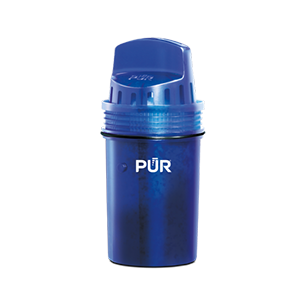
Contaminant Comparison Chart

For a complete list of contaminants that PUR filters reduce, please view our Performance Data Sheets here.


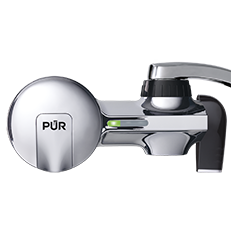
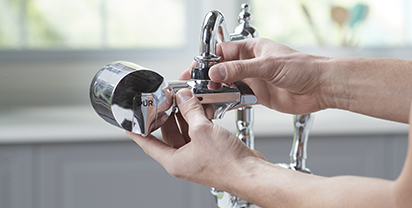
PUR & PUR PLUS FAUCET FILTERS
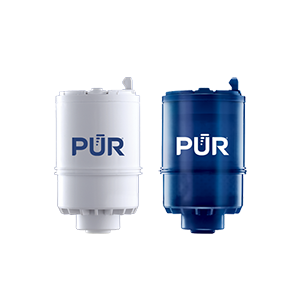
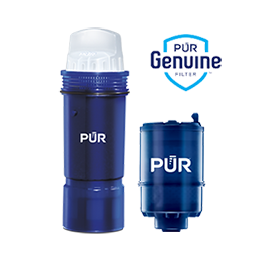
RF3375/RF9999

View Filters

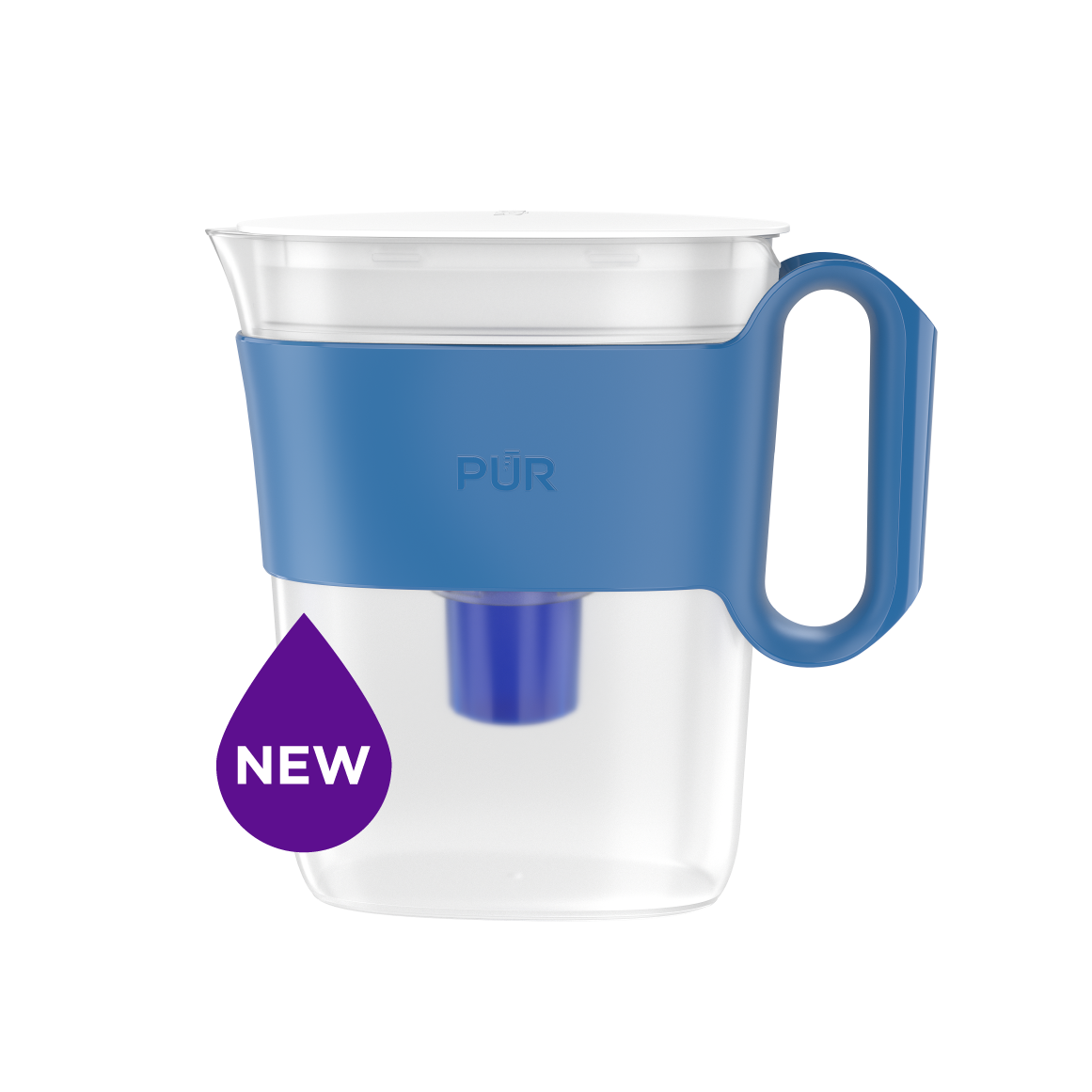
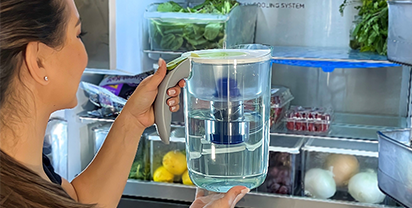
PUR PLUS PITCHER FILTERS
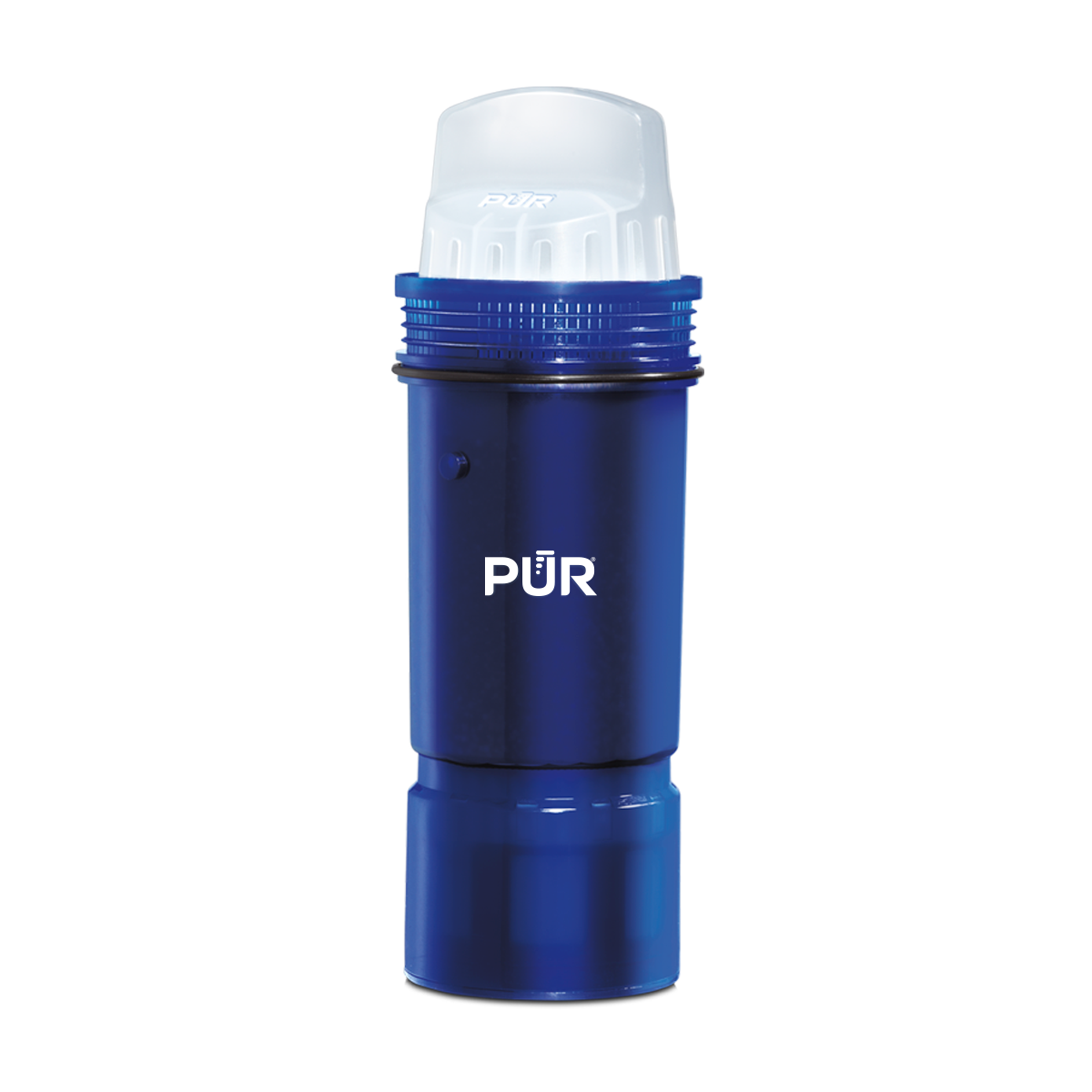
PPF951K

View Filter

PUR BASIC PITCHER FILTERS
PPF900Z

View Filter


Vs. Brita*

Lead
Microplastics
Mercury
Chlorine Taste & Odor
DEET
TTHM

PUR’s Filtration Systems Are Certified By NSF And WQA For Their Contamination Reduction. WQA certifications as of 5/27/21 for Faucet filter models RF-3375 and RF-9999.

¹ Certified to reduce 10X more chemical and physical substances than Brita’s® leading pitcher filter.
² Certified to reduce 3X more chemical and physical substances than Brita’s® leading pitcher filter.
³ Certified to reduce 2X more chemical and physical substances than Brita’s® leading pitcher filter.
*Versus best-selling Brita® pitcher filter OB03. Brita® is a trademark of Brita LP.
**Like other leading brands, PUR does not filter microbes. As of 3/1/23 Brita® and ZeroWater® were not certified to filter microbes. Brita® is a trademark of Brita LP. ZeroWater® is a trademark of Zero Technologies, LLC..
 

PUR & PUR PLUS FAUCET FILTERS


PUR & PUR PLUS FAUCET FILTERS
RF3375/RF9999

View Filters


Vs. Brita*

Lead
Microplastics
Mercury
Chlorine Taste & Odor
DEET
TTHM

PUR’s Filtration Systems Are Certified By NSF And WQA For Their Contamination Reduction. WQA certifications as of 5/27/21 for Faucet filter models RF-3375 and RF-9999.

¹ Certified to reduce 10X more chemical and physical substances than Brita’s® leading pitcher filter.
² Certified to reduce 3X more chemical and physical substances than Brita’s® leading pitcher filter.
³ Certified to reduce 2X more chemical and physical substances than Brita’s® leading pitcher filter.
*Versus best-selling Brita® pitcher filter OB03. Brita® is a trademark of Brita LP.
**Like other leading brands, PUR does not filter microbes. As of 3/1/23 Brita® and ZeroWater® were not certified to filter microbes. Brita® is a trademark of Brita LP. ZeroWater® is a trademark of Zero Technologies, LLC..
 

PUR PLUS PITCHER FILTERS


PUR PLUS PITCHER FILTERS
PPF951K

View Filter


Vs. Brita*

Lead
Microplastics
Mercury
Chlorine Taste & Odor
DEET
TTHM

PUR’s Filtration Systems Are Certified By NSF And WQA For Their Contamination Reduction. WQA certifications as of 5/27/21 for Faucet filter models RF-3375 and RF-9999.

¹ Certified to reduce 10X more chemical and physical substances than Brita’s® leading pitcher filter.
² Certified to reduce 3X more chemical and physical substances than Brita’s® leading pitcher filter.
³ Certified to reduce 2X more chemical and physical substances than Brita’s® leading pitcher filter.
*Versus best-selling Brita® pitcher filter OB03. Brita® is a trademark of Brita LP.
**Like other leading brands, PUR does not filter microbes. As of 3/1/23 Brita® and ZeroWater® were not certified to filter microbes. Brita® is a trademark of Brita LP. ZeroWater® is a trademark of Zero Technologies, LLC..
 

PUR BASIC PITCHER FILTERS


PUR BASIC PITCHER FILTERS
PPF900Z

View Filter


Vs. Brita*

Lead
Microplastics
Mercury
Chlorine Taste & Odor
DEET
TTHM

PUR’s Filtration Systems Are Certified By NSF And WQA For Their Contamination Reduction. WQA certifications as of 5/27/21 for Faucet filter models RF-3375 and RF-9999.

¹ Certified to reduce 10X more chemical and physical substances than Brita’s® leading pitcher filter.
² Certified to reduce 3X more chemical and physical substances than Brita’s® leading pitcher filter.
³ Certified to reduce 2X more chemical and physical substances than Brita’s® leading pitcher filter.
*Versus best-selling Brita® pitcher filter OB03. Brita® is a trademark of Brita LP.
**Like other leading brands, PUR does not filter microbes. As of 3/1/23 Brita® and ZeroWater® were not certified to filter microbes. Brita® is a trademark of Brita LP. ZeroWater® is a trademark of Zero Technologies, LLC..

 

How to Choose and Install a Whole House Water Filtration System?

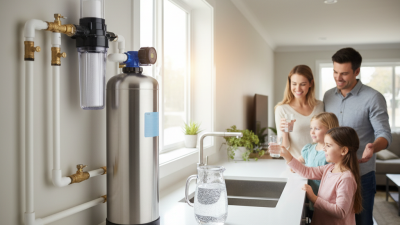
Choosing a whole house water filtration system is a significant decision for any homeowner. Clean water is essential for health, cooking, and daily activities. With numerous options on the market, figuring out which system is best can be daunting. Each filtration system has unique features, making it crucial to understand your needs.

When selecting a whole house water filtration system, consider various factors. The water source significantly impacts the type of filtration you may require. You may need to test your water quality first. Not all systems suit every home. A family of five may need different filtration levels than a couple.

Installation is another important aspect to ponder. Some systems are complex and require professional help. Others can be DIY projects for the handy homeowner. However, improper installation can lead to inefficiency and frustration. Reflect on whether you should take on this task or seek assistance. Overall, investing time in choosing the right whole house water filtration system can yield long-lasting benefits.

How to Choose and Install a Whole House Water Filtration System?

Understanding Whole House Water Filtration Systems: An Overview

How to Choose and Install a Whole House Water Filtration System?

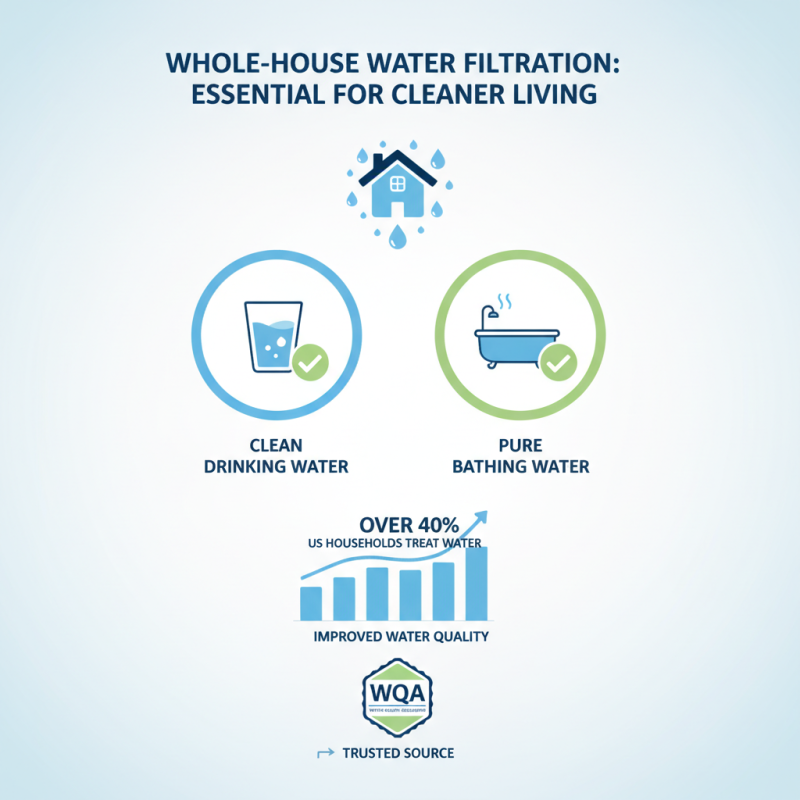
Whole house water filtration systems are essential for improving water quality. They treat all water entering your home. This ensures clean drinking and bathing water. According to the Water Quality Association, more than 40% of U.S. households rely on some form of water treatment. This highlights the growing trend toward cleaner water solutions.

When choosing a system, consider your needs. Analyze local water quality reports. These reports detail contaminants like chlorine, lead, and sediment. A good filtration system can reduce these harmful substances. You may want to invest in a system with multi-stage filtration. This option often provides better results for various contaminants.

Tips: Test your water regularly. This helps you understand what you're filtering. Also, consider maintenance costs. Some systems require more upkeep than others. Finally, consult professionals if uncertain. They can guide you in making informed choices, ensuring improved water for your home.

Assessing Your Water Quality Needs: Testing and Analysis

How to Choose and Install a Whole House Water Filtration System?

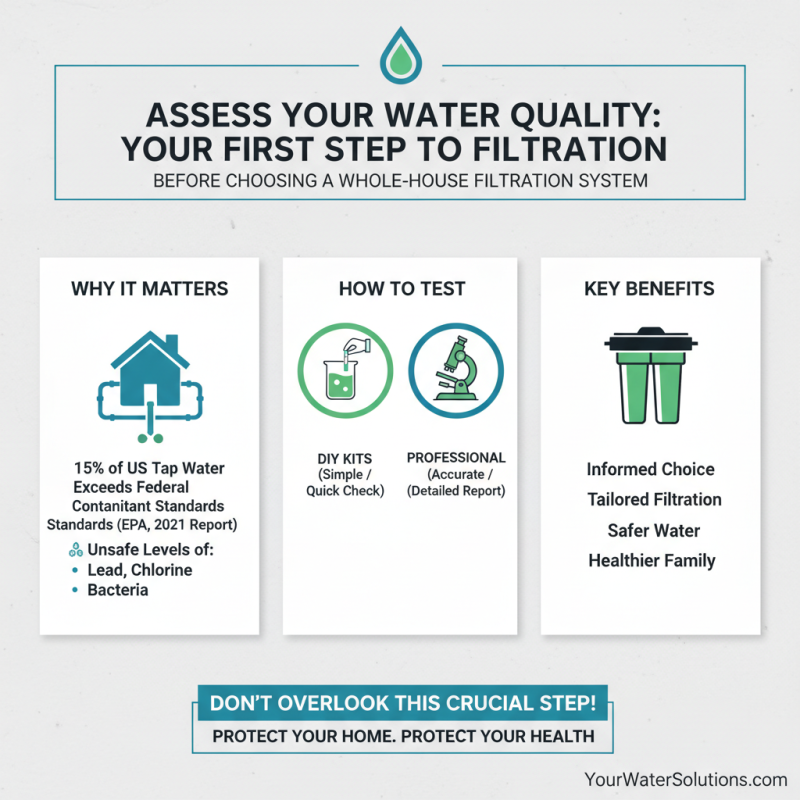
Assessing your water quality is essential before choosing a whole house filtration system. Many households overlook this step. A 2021 report from the Environmental Protection Agency (EPA) indicates that about 15% of tap water exceeds federal standards for contaminants. Testing your water can reveal unsafe levels of lead, chlorine, and bacteria. Simple DIY kits can help, but professional analysis provides a more accurate picture.

Understanding your specific contaminants is critical. If your water presents high levels of hardness, a system that tackles mineral deposits will matter. A study published by the Water Quality Association highlights that hard water can lead to increased energy costs and decreased lifespan of appliances. For those in areas with high chlorine levels, a carbon filter might be more effective. Relying on generalized solutions may not address your unique situation. Each home's water source, treatment methods, and plumbing conditions differ significantly. Tailoring your filtration choice based on detailed analysis will lead to better outcomes.

Types of Whole House Water Filtration Systems: Pros and Cons

Choosing a whole house water filtration system requires understanding its types. Each has distinct advantages and disadvantages. For example, activated carbon filters excel at removing chlorine and improving taste. However, they may not effectively tackle heavy metals.

Reverse osmosis systems offer thorough filtration, eliminating up to 99% of contaminants. Data shows these systems can significantly reduce lead and other harmful substances. Yet, they produce some wastewater and require more maintenance. Regular filter changes are essential, often overlooked by homeowners.

UV filtration is another option. It effectively kills bacteria and viruses. It operates without chemicals, making it environmentally friendly. Still, it doesn’t remove sediment or chemicals, which can lead to secondary issues. This creates a scenario for potential risk if not combined with other systems. Each system's effectiveness depends on the specific water quality and contaminants present, calling for careful consideration and, perhaps, a multi-tiered approach for optimum results.

How to Choose and Install a Whole House Water Filtration System? - Types of Whole House Water Filtration Systems: Pros and Cons

Type of Filter Pros Cons Maintenance Frequency
Activated Carbon Filter Removes chlorine and organic compounds, improves taste Not effective for heavy metals or bacteria Every 6-12 months
Reverse Osmosis (RO) System Highly effective for removing a wide range of contaminants Wastewater production, slow filtering rate Every 2-3 years to replace membranes
Water Softener Reduces hardness, prevents scale buildup Does not remove contaminants, uses salt Every 1-2 years for resin replacement
UV Water Purifier Disinfects water, effective against bacteria and viruses Does not remove chemical contaminants Every year for UV lamp replacement
Multi-Stage Filter System Comprehensive filtration, removes various contaminants Can be costly, requires regular maintenance Every 6-12 months depending on stages

Installation Process for Whole House Water Filtration Systems

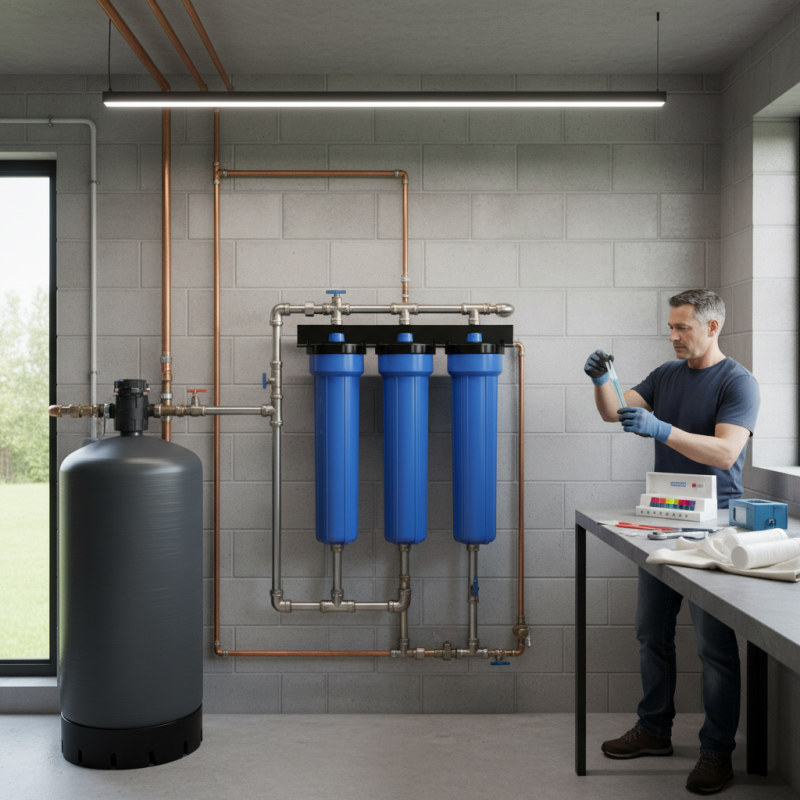
Installing a whole house water filtration system can seem daunting. However, breaking down the process makes it manageable. Begin by assessing your home's water supply. Look at the existing plumbing and determine where the system will be placed. A basement or utility room is often ideal. Take time to measure the space accurately. This will help you choose the right system.

Next, shut off your home’s water supply. Open a few faucets to release any remaining water pressure. Gather essential tools, such as wrenches and screwdrivers. It's vital to follow the specific instructions provided with the filter system. Installation typically requires cutting the main water line and fitting the system in place.

After connecting all the parts, it's time to check for leaks. Turn the water back on slowly. You may notice some water dripping initially; don’t panic. Sometimes, it just needs time to adjust. Monitor the connections carefully. A small leak could lead to bigger issues down the line.

Regular maintenance is necessary. Plan to replace filters as recommended. A thoughtless oversight can affect the water quality in your home.

Maintenance Tips for Long-lasting Water Filtration Performance

Maintaining a whole house water filtration system is crucial for optimal performance. Regular checks can prevent clogs. Look for visible debris, especially around the filters. A clean filter ensures pure water flow. It's a simple task but often overlooked. Changing filters on a set schedule helps. Most homeowners forget they exist until it's too late.

Pay attention to the pressure gauge. A sudden drop could indicate a problem. Clean the pre-filters when needed. This can greatly extend the life of your system. Keep an eye on the housing. Cracks can lead to leaks, wasting both water and money. It’s important to inspect these parts regularly.

Monitor the taste and smell of your water too. If something feels off, act quickly. Don’t ignore unusual signs. It’s easy to get complacent, but water quality is vital. Share these maintenance tips with family. It encourages everyone to stay involved. Small actions lead to significant improvements over time.

Water Filtration System Maintenance Frequency