Contaminant Comparison Chart

For a complete list of contaminants that PUR filters reduce, please view our Performance Data Sheets here.


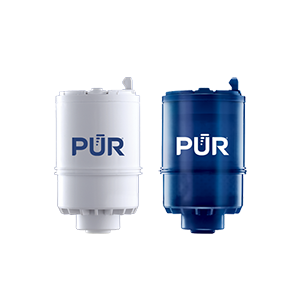
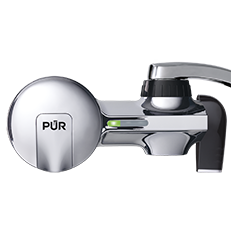
PUR & PUR PLUS FAUCET FILTERS
RF3375/RF9999

View Filters

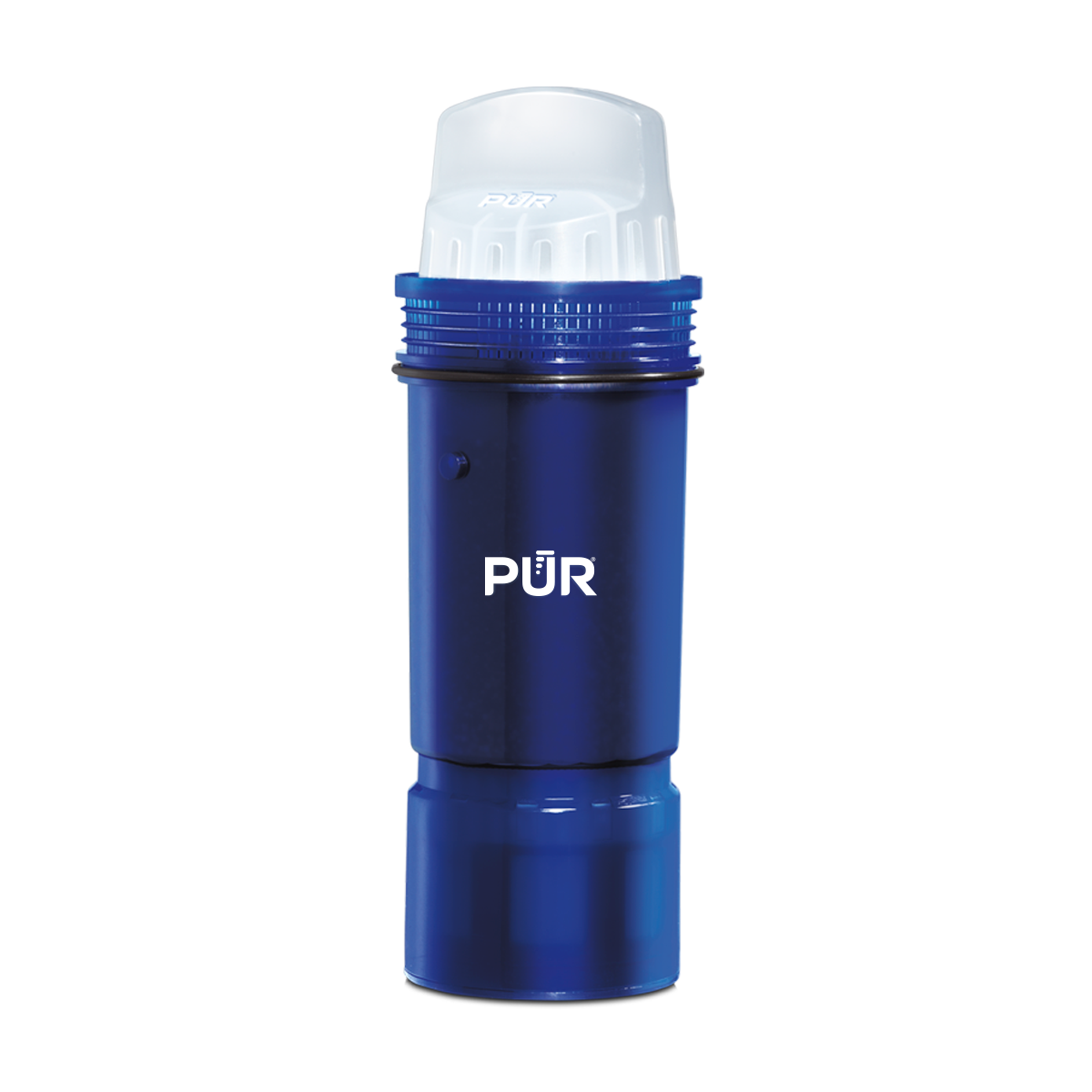
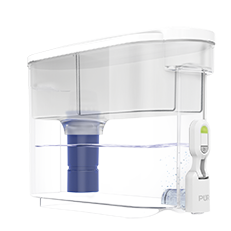
PUR PLUS PITCHER FILTERS
PPF951K

View Filter

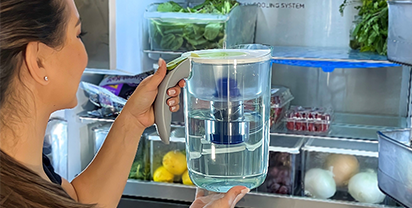
PUR BASIC PITCHER FILTERS
PPF900Z

View Filter


Vs. Brita*

Lead
Microplastics
Mercury
Chlorine Taste & Odor
DEET
TTHM

PUR’s Filtration Systems Are Certified By NSF And WQA For Their Contamination Reduction. WQA certifications as of 5/27/21 for Faucet filter models RF-3375 and RF-9999.

¹ Certified to reduce 10X more chemical and physical substances than Brita’s® leading pitcher filter.
² Certified to reduce 3X more chemical and physical substances than Brita’s® leading pitcher filter.
³ Certified to reduce 2X more chemical and physical substances than Brita’s® leading pitcher filter.
*Versus best-selling Brita® pitcher filter OB03. Brita® is a trademark of Brita LP.
**Like other leading brands, PUR does not filter microbes. As of 3/1/23 Brita® and ZeroWater® were not certified to filter microbes. Brita® is a trademark of Brita LP. ZeroWater® is a trademark of Zero Technologies, LLC..

 

PUR & PUR PLUS FAUCET FILTERS


PUR & PUR PLUS FAUCET FILTERS
RF3375/RF9999

View Filters


Vs. Brita*

Lead
Microplastics
Mercury
Chlorine Taste & Odor
DEET
TTHM

PUR’s Filtration Systems Are Certified By NSF And WQA For Their Contamination Reduction. WQA certifications as of 5/27/21 for Faucet filter models RF-3375 and RF-9999.

¹ Certified to reduce 10X more chemical and physical substances than Brita’s® leading pitcher filter.
² Certified to reduce 3X more chemical and physical substances than Brita’s® leading pitcher filter.
³ Certified to reduce 2X more chemical and physical substances than Brita’s® leading pitcher filter.
*Versus best-selling Brita® pitcher filter OB03. Brita® is a trademark of Brita LP.
**Like other leading brands, PUR does not filter microbes. As of 3/1/23 Brita® and ZeroWater® were not certified to filter microbes. Brita® is a trademark of Brita LP. ZeroWater® is a trademark of Zero Technologies, LLC..


PUR PLUS PITCHER FILTERS


PUR PLUS PITCHER FILTERS
PPF951K

View Filter


Vs. Brita*

Lead
Microplastics
Mercury
Chlorine Taste & Odor
DEET
TTHM

PUR’s Filtration Systems Are Certified By NSF And WQA For Their Contamination Reduction. WQA certifications as of 5/27/21 for Faucet filter models RF-3375 and RF-9999.

¹ Certified to reduce 10X more chemical and physical substances than Brita’s® leading pitcher filter.
² Certified to reduce 3X more chemical and physical substances than Brita’s® leading pitcher filter.
³ Certified to reduce 2X more chemical and physical substances than Brita’s® leading pitcher filter.
*Versus best-selling Brita® pitcher filter OB03. Brita® is a trademark of Brita LP.
**Like other leading brands, PUR does not filter microbes. As of 3/1/23 Brita® and ZeroWater® were not certified to filter microbes. Brita® is a trademark of Brita LP. ZeroWater® is a trademark of Zero Technologies, LLC..


PUR BASIC PITCHER FILTERS


PUR BASIC PITCHER FILTERS
PPF900Z

View Filter


Vs. Brita*

Lead
Microplastics
Mercury
Chlorine Taste & Odor
DEET
TTHM

PUR’s Filtration Systems Are Certified By NSF And WQA For Their Contamination Reduction. WQA certifications as of 5/27/21 for Faucet filter models RF-3375 and RF-9999.

¹ Certified to reduce 10X more chemical and physical substances than Brita’s® leading pitcher filter.
² Certified to reduce 3X more chemical and physical substances than Brita’s® leading pitcher filter.
³ Certified to reduce 2X more chemical and physical substances than Brita’s® leading pitcher filter.
*Versus best-selling Brita® pitcher filter OB03. Brita® is a trademark of Brita LP.
**Like other leading brands, PUR does not filter microbes. As of 3/1/23 Brita® and ZeroWater® were not certified to filter microbes. Brita® is a trademark of Brita LP. ZeroWater® is a trademark of Zero Technologies, LLC..


How to Choose the Right Stainless Steel Sheet for Your Needs?

Choosing the right Stainless Steel Sheet can be a daunting task. It's essential to understand the specific needs for your project. According to industry expert David McKenzie, “Selecting the right material can make or break your design.” His insight emphasizes the importance of careful selection.

Stainless steel sheets come in various grades and finishes. Each option has unique characteristics that cater to different applications. For instance, 304 stainless steel is known for its excellent corrosion resistance. On the other hand, 316 offers even better resistance in marine environments.

Understanding your requirements is key. Are you aiming for durability, aesthetic appeal, or specific performance standards? Sometimes, the perfect choice may feel elusive. It’s crucial to consult with knowledgeable suppliers. Their expertise can guide you toward the most suitable stainless steel sheet for your needs. Reflecting on this decision can lead to a more successful outcome in your projects.

How to Choose the Right Stainless Steel Sheet for Your Needs?

Understanding Stainless Steel Grades and Their Properties

When selecting a stainless steel sheet, understanding its grades is vital. Stainless steel comes in several grades, each with unique properties. The most common grades are 304 and 316. Grade 304 is versatile and resistant to oxidation. It is suitable for food and chemical processing. Meanwhile, 316 offers greater corrosion resistance, especially in marine environments. This makes it ideal for applications where durability is essential.

Tips: Always consider your environment. If your project will face moisture or salt, opt for grade 316. For indoor use, grade 304 may suffice. Check the sheet thickness too. Thicker sheets provide better support for heavy applications.

Another crucial factor is the finish of the stainless steel sheet. A brushed or polished finish can alter both aesthetics and performance. For visible applications, a polished sheet might be more appealing. However, brushed finishes can hide scratches and wear better over time.

Tips: When unsure, consult with an expert. They can guide you on the best grade and finish for your project. Take the time to compare different options. Investing in the right material will save you trouble in the long run.

Key Considerations for Thickness and Size in Sheet Selection

When selecting a stainless steel sheet, thickness and size are critical factors. Industry reports indicate that optimal thickness typically ranges from 0.5 mm to 6 mm for most applications. Thicker sheets can offer superior durability and corrosion resistance, but they may also be more challenging to work with. Consider your specific needs carefully; sometimes, a thinner sheet can perform adequately while being more cost-effective.

Size is another crucial element. The dimensions of the sheet should match the project's requirements precisely. According to the Steel Construction Institute, using sheets that exceed size requirements can lead to increased waste and higher costs. Alternatively, undersized sheets may compromise structural integrity. A thoughtful assessment of these dimensions can reduce material waste and maximize efficiency in your project.

Identifying the right thickness and size also requires understanding the end-use application. For instance, industrial applications may demand thicker sheets for structural strength. Meanwhile, decorative elements may benefit from thinner, aesthetically pleasing sheets. Balancing these factors can be challenging but is essential for achieving optimal results.

Evaluating the Surface Finish of Stainless Steel Sheets

When selecting a stainless steel sheet, surface finish plays a crucial role. The finish not only affects appearance but also performance. Common finishes include brushed, mirror, and matte options. A brushed finish, for instance, can hide scratches better than others. This may be ideal for applications with high wear. However, a mirror finish looks sleek but shows marks easily.

Choosing the right finish also depends on the intended use. For food processing, a smooth surface is essential to prevent contamination. Industrial projects may prioritize durability and corrosion resistance over aesthetics. Each finish type has its pros and cons, and users must weigh these factors carefully. Don’t overlook how maintenance requirements impact your choice. A material that requires frequent polishing may not be practical for busy environments.

Some finishes can be affected by environmental factors. For example, harsh weather can dull surfaces or lead to rust. This unpredictability highlights the need for thorough evaluation before making a decision. Consulting with experts can provide insights tailored to specific needs. Understanding how each surface interacts with its surroundings is vital for longevity.

Analyzing the Corrosion Resistance and Application Suitability

When selecting stainless steel sheets, corrosion resistance is critical. Different grades offer varying levels of protection. For example, 304 stainless steel is known for its resistance to corrosion in both indoor and outdoor environments. It is suitable for kitchen applications, where exposure to moisture is common. However, it may not perform well in marine settings. In such cases, 316 stainless steel provides better resistance due to its higher nickel and molybdenum content.

Application suitability also depends on environmental factors. A humid atmosphere may promote rust, even in stainless steel. It raises questions about the right choices for specific projects. Consideration should be given to both the sheet's use and expected lifespan. Corrosion can occur subtly over time. Regular inspections and maintenance are essential. Some may overlook this aspect, which can lead to costly repairs later.

Assessing corrosion resistance involves understanding your operational environment. A careful evaluation of conditions will yield better outcomes. It is vital to balance cost with performance needs. This can be challenging, but the right information leads to informed decisions. Learning from past projects can enhance future choices.

How to Choose the Right Stainless Steel Sheet for Your Needs? - Analyzing the Corrosion Resistance and Application Suitability

Type of Stainless Steel Corrosion Resistance Common Applications Strength (MPa)
304 Good Food processing, Kitchen equipment 520
316 Excellent Marine environments, Chemical processing 580
430 Fair Automotive exhaust systems, Architectural applications 450
321 Good High temperature applications, Exhaust systems 550
Duplex 2205 Very Good Oil and gas, Pulp and paper 620

Cost Comparison and Sourcing Options for Stainless Steel Sheets

When sourcing stainless steel sheets, understanding cost variations and available options is crucial. The price of stainless steel can fluctuate significantly. As reported by the London Metal Exchange, prices for stainless steel sheets have seen a rise of 15% over the last two years. This increase is largely due to the rising cost of raw materials. A detailed analysis can help you choose wisely.

Consider sourcing from local suppliers. Shipping costs can add up quickly, especially for heavier materials. Local suppliers may offer lower prices and faster delivery times. Additionally, check if suppliers provide certifications. These documents ensure the material meets industry standards.

Tips: Always ask for quotes from multiple sources. This provides a clearer picture of fair pricing. Evaluate your specific needs, as different grades of stainless steel will impact the cost. AASHTO and ASTM data demonstrate how certain grades can lead to variations in performance and durability. Reflect on your project requirements when selecting the right grade.

Quality matters. Don’t base your decision solely on price. The cheapest option may compromise on durability. Stainless steel sheets with lower nickel content may rust more easily. Investing in higher quality can save money in the long run.