


Contaminant Comparison Chart

For a complete list of contaminants that PUR filters reduce, please view our Performance Data Sheets here.


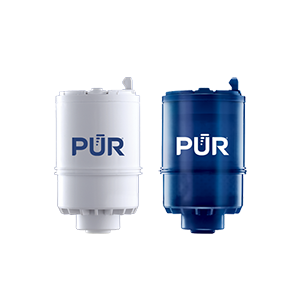
PUR & PUR PLUS FAUCET FILTERS
RF3375/RF9999

View Filters

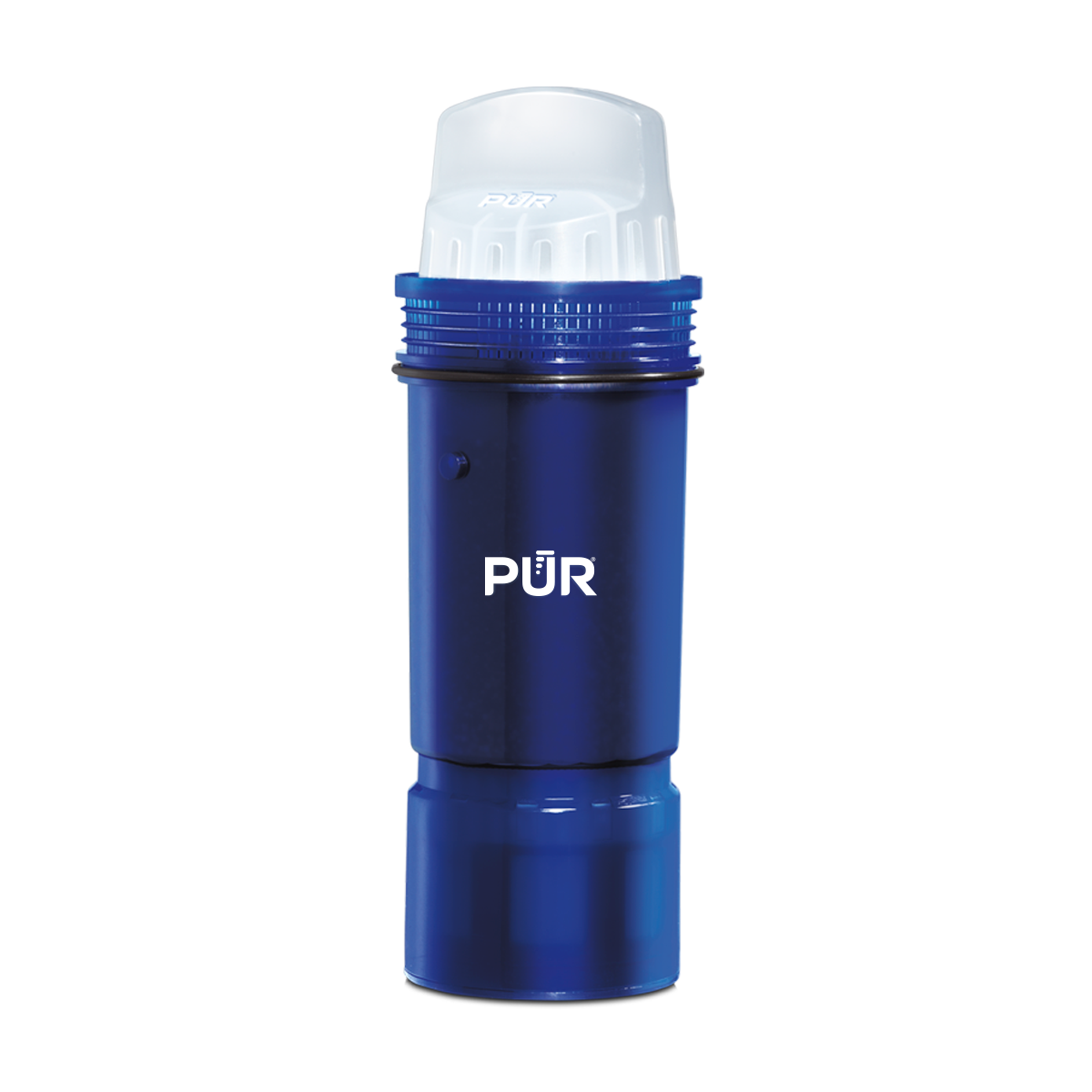
PUR PLUS PITCHER FILTERS
PPF951K

View Filter

PUR BASIC PITCHER FILTERS
PPF900Z

View Filter


Vs. Brita*

Lead
Microplastics
Mercury
Chlorine Taste & Odor
DEET
TTHM

PUR’s Filtration Systems Are Certified By NSF And WQA For Their Contamination Reduction. WQA certifications as of 5/27/21 for Faucet filter models RF-3375 and RF-9999.

¹ Certified to reduce 10X more chemical and physical substances than Brita’s® leading pitcher filter.
² Certified to reduce 3X more chemical and physical substances than Brita’s® leading pitcher filter.
³ Certified to reduce 2X more chemical and physical substances than Brita’s® leading pitcher filter.
*Versus best-selling Brita® pitcher filter OB03. Brita® is a trademark of Brita LP.
**Like other leading brands, PUR does not filter microbes. As of 3/1/23 Brita® and ZeroWater® were not certified to filter microbes. Brita® is a trademark of Brita LP. ZeroWater® is a trademark of Zero Technologies, LLC..
 

PUR & PUR PLUS FAUCET FILTERS


PUR & PUR PLUS FAUCET FILTERS
RF3375/RF9999

View Filters


Vs. Brita*

Lead
Microplastics
Mercury
Chlorine Taste & Odor
DEET
TTHM

PUR’s Filtration Systems Are Certified By NSF And WQA For Their Contamination Reduction. WQA certifications as of 5/27/21 for Faucet filter models RF-3375 and RF-9999.

¹ Certified to reduce 10X more chemical and physical substances than Brita’s® leading pitcher filter.
² Certified to reduce 3X more chemical and physical substances than Brita’s® leading pitcher filter.
³ Certified to reduce 2X more chemical and physical substances than Brita’s® leading pitcher filter.
*Versus best-selling Brita® pitcher filter OB03. Brita® is a trademark of Brita LP.
**Like other leading brands, PUR does not filter microbes. As of 3/1/23 Brita® and ZeroWater® were not certified to filter microbes. Brita® is a trademark of Brita LP. ZeroWater® is a trademark of Zero Technologies, LLC..


PUR PLUS PITCHER FILTERS


PUR PLUS PITCHER FILTERS
PPF951K

View Filter


Vs. Brita*

Lead
Microplastics
Mercury
Chlorine Taste & Odor
DEET
TTHM

PUR’s Filtration Systems Are Certified By NSF And WQA For Their Contamination Reduction. WQA certifications as of 5/27/21 for Faucet filter models RF-3375 and RF-9999.

¹ Certified to reduce 10X more chemical and physical substances than Brita’s® leading pitcher filter.
² Certified to reduce 3X more chemical and physical substances than Brita’s® leading pitcher filter.
³ Certified to reduce 2X more chemical and physical substances than Brita’s® leading pitcher filter.
*Versus best-selling Brita® pitcher filter OB03. Brita® is a trademark of Brita LP.
**Like other leading brands, PUR does not filter microbes. As of 3/1/23 Brita® and ZeroWater® were not certified to filter microbes. Brita® is a trademark of Brita LP. ZeroWater® is a trademark of Zero Technologies, LLC..


PUR BASIC PITCHER FILTERS


PUR BASIC PITCHER FILTERS
PPF900Z

View Filter


Vs. Brita*

Lead
Microplastics
Mercury
Chlorine Taste & Odor
DEET
TTHM

PUR’s Filtration Systems Are Certified By NSF And WQA For Their Contamination Reduction. WQA certifications as of 5/27/21 for Faucet filter models RF-3375 and RF-9999.

¹ Certified to reduce 10X more chemical and physical substances than Brita’s® leading pitcher filter.
² Certified to reduce 3X more chemical and physical substances than Brita’s® leading pitcher filter.
³ Certified to reduce 2X more chemical and physical substances than Brita’s® leading pitcher filter.
*Versus best-selling Brita® pitcher filter OB03. Brita® is a trademark of Brita LP.
**Like other leading brands, PUR does not filter microbes. As of 3/1/23 Brita® and ZeroWater® were not certified to filter microbes. Brita® is a trademark of Brita LP. ZeroWater® is a trademark of Zero Technologies, LLC..


How to Choose Veneers for Wall Paneling That Suit Your Style?

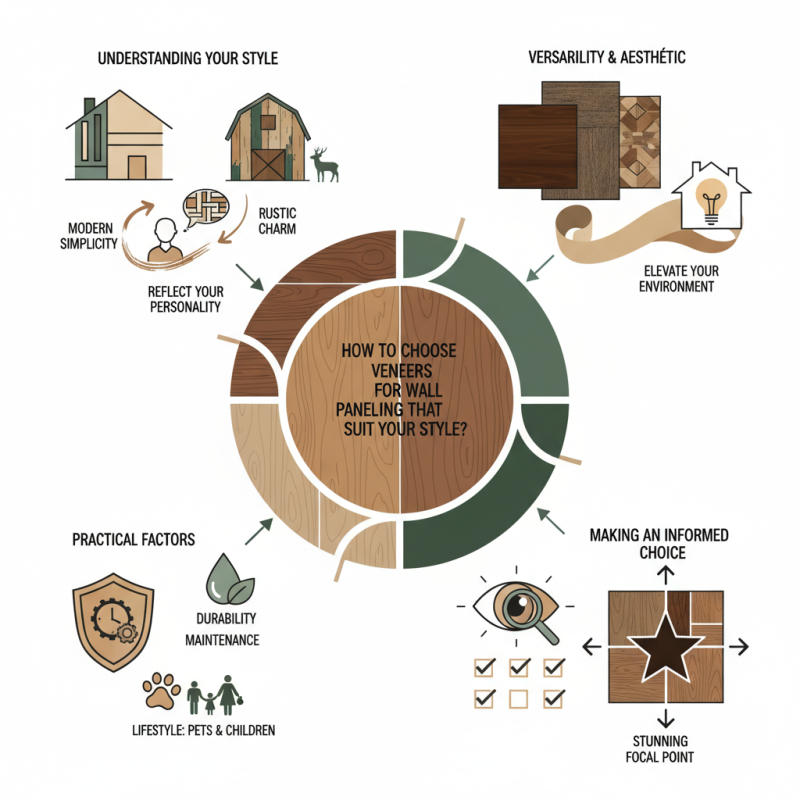
Choosing Veneers For Wall Paneling is a significant decision for your home. This choice can impact the overall aesthetic and feel of your space. Veneers for wall paneling offer a versatile option. They blend beauty with functionality. With a plethora of styles and finishes, selecting the right veneer can feel overwhelming.

Understanding your style is crucial. Do you prefer modern simplicity or rustic charm? The right veneer can enhance your design vision. It can elevate your environment and reflect your personality. However, not all veneers are created equal. Some may not suit your selected decor. You might find that certain textures clash with your furnishings.

Consider practical factors too. Durability and maintenance are essential elements in your decision. The best veneers for wall paneling should withstand the test of time. Reflect on your lifestyle—do you have pets or young children? These aspects will guide you to make a well-informed choice. Ultimately, a thoughtful selection can transform your walls into a stunning focal point.

How to Choose Veneers for Wall Paneling That Suit Your Style?

Understanding Different Types of Veneers for Wall Paneling

When selecting veneers for wall paneling, it's crucial to understand the different types available. Veneers primarily fall into two categories: natural wood veneers and reconstituted veneers. Natural wood veneers provide the classic look of real wood, offering a unique grain pattern. According to a report by the Wood Products Manufacturers Association, 70% of homeowners prefer the aesthetic appeal of natural finishes.

On the other hand, reconstituted veneers are engineered products. They mimic the appearance of rare woods, often at a lower cost. These veneers are less prone to warping and offer consistency in color and grain. A study conducted by the American Society of Interior Designers indicates that 50% of designers favor reconstituted veneers for modern interiors due to their versatility.

It's worth noting that while natural veneers may have an authentic charm, they can be sensitive to humidity and temperature changes. Some might find the variations in grain undesirable for a cohesive look. Reconstituted veneers, while reliable, may lack the warmth of solid wood. These factors often lead homeowners to reconsider their initial preferences, weighing aesthetics against practicality.

Assessing Your Personal Style and Home Aesthetics

When selecting veneers for wall paneling, consider your personal style and home aesthetics. Understanding your tastes is crucial. A professional report from the American Institute of Architects found that over 65% of homeowners prioritize aesthetics when redecorating. This statistic highlights the importance of aligning your veneers with your unique style.

Next, think about textures and colors. For instance, warm wood tones create a cozy atmosphere, while sleek laminates offer a modern edge. However, blending various styles can lead to a disjointed look. Designers recommend making mood boards to visualize how different veneers harmonize. Research shows that carefully curated combinations can increase overall satisfaction by 50%. But remember, aesthetics are subjective. What resonates with one person may not please another.

Lastly, consider practicality. Veneers should complement your lifestyle. High-traffic areas benefit from durable options, while low-maintenance finishes may suit busy families. Studies indicate about 30% of homeowners regret their choices due to maintenance issues. Reflect on your daily life to choose wisely. Your decision should not only reflect your style but also adapt to your living environment.

Evaluating the Durability and Maintenance of Veneers

When selecting veneers for wall paneling, durability is a crucial factor. Veneers are thin layers of wood that can enhance aesthetics. However, not all veneers are created equal. Some may withstand wear and tear better than others. Consider the environment where the paneling will be installed. High-traffic areas require more robust options.

Maintenance varies depending on the type of veneer chosen. Some may need regular polishing, while others might require only occasional cleaning. It’s important to know how to treat the veneer. Some materials can be sensitive to certain cleaners. Understand the long-term care needed, including exposure to moisture.

Keep in mind that imperfections may occur. Over time, even the best veneers can show signs of damage. This could come from humidity or temperature changes. Reflect on your tolerance for wear and the upkeep you’re willing to commit to. Choosing the right veneer means balancing beauty with practicality.

Choosing Colors and Textures that Complement Your Space

Choosing the right colors and textures for wall paneling is essential. Start by assessing your space's existing elements. Consider your furniture, flooring, and lighting. Each of these plays a vital role in how colors appear. For example, warm lighting can soften bold colors. Soft neutrals might clash with rich wood tones.

Textures add another layer of depth. Smooth surfaces reflect light better than textured ones. If your space is small, glossy panels can create an illusion of openness. However, a rustic finish may bring warmth and character to larger areas. Balance is crucial. Too many textures can overwhelm the senses. Think about the atmosphere you want to cultivate. A cozy, inviting room might necessitate softer textures, while a modern aesthetic could favor sleek, glossy finishes.

Finally, experiment with swatches. Apply them to your walls to see how they look at different times of the day. Colors may shift dramatically with changing light. Trust your instincts but also consider how the space will be used. Will it be lively or tranquil? Understanding these factors can lead to a more harmonious selection. Remember, it's a journey of personal reflection and adjustment.

Choosing Veneers for Wall Paneling: Color and Texture Preferences

Budgeting for Veneer Wall Paneling Options and Installation Costs

Choosing the right veneer for wall paneling involves careful budgeting. On average, veneer wall paneling costs between $2 and $10 per square foot. Installation can add another $5 to $15 per square foot. Thus, it’s crucial to assess both the material and labor costs.

Consider your total project size when estimating costs. For a typical 300-square-foot room, the material alone may range from $600 to $3,000. This number can fluctuate based on the veneer type—natural wood, MDF, or other composite options. Natural wood may offer a rich aesthetic but is often pricier.

Tips: Look for local suppliers who provide competitive pricing. Bulk purchases can lead to savings. Always ask about installation fees upfront to avoid surprises. Make sure to evaluate the craftsmanship of installation; poor workmanship can lead to additional costs later.

Don’t overlook maintenance costs. Some veneers require more upkeep, impacting long-term budgets. The goal is to find a balance between appearance and affordability. Be realistic about your style preferences versus what fits your budget. This reflective approach ensures you make an informed decision.

How to Choose Veneers for Wall Paneling That Suit Your Style?

Veneer Type Style Cost per Square Foot ($) Installation Cost ($/sq ft) Durability Rating (1-5) Maintenance Level (Low/Medium/High)
Oak Classic 5 3 4 Medium
Walnut Modern 7 4 5 Low
Maple Contemporary 6 3.5 4 Medium
Cherry Traditional 8 5 3 High
Teak Luxury 9 6 5 Low