Contaminant Comparison Chart

For a complete list of contaminants that PUR filters reduce, please view our Performance Data Sheets here.


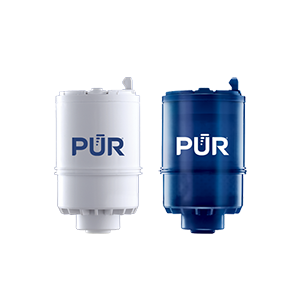
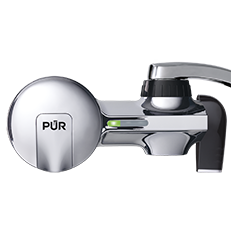
PUR & PUR PLUS FAUCET FILTERS
RF3375/RF9999

View Filters

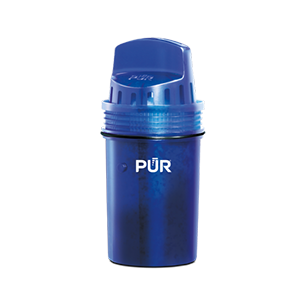
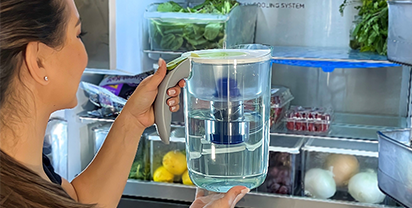
PUR PLUS PITCHER FILTERS
PPF951K

View Filter

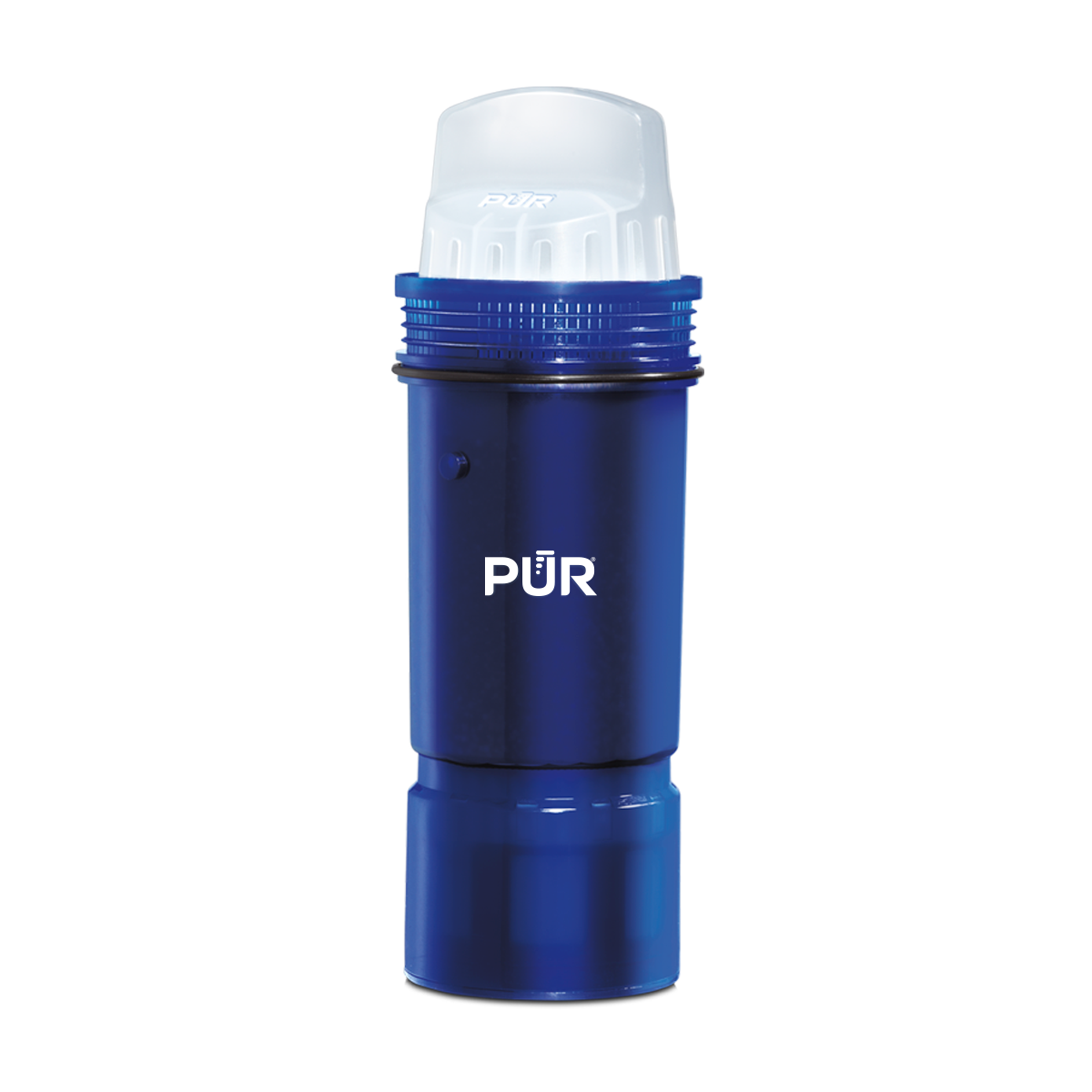
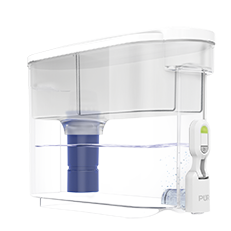
PUR BASIC PITCHER FILTERS
PPF900Z

View Filter


Vs. Brita*

Lead
Microplastics
Mercury
Chlorine Taste & Odor
DEET
TTHM

PUR’s Filtration Systems Are Certified By NSF And WQA For Their Contamination Reduction. WQA certifications as of 5/27/21 for Faucet filter models RF-3375 and RF-9999.

¹ Certified to reduce 10X more chemical and physical substances than Brita’s® leading pitcher filter.
² Certified to reduce 3X more chemical and physical substances than Brita’s® leading pitcher filter.
³ Certified to reduce 2X more chemical and physical substances than Brita’s® leading pitcher filter.
*Versus best-selling Brita® pitcher filter OB03. Brita® is a trademark of Brita LP.
**Like other leading brands, PUR does not filter microbes. As of 3/1/23 Brita® and ZeroWater® were not certified to filter microbes. Brita® is a trademark of Brita LP. ZeroWater® is a trademark of Zero Technologies, LLC..
 

PUR & PUR PLUS FAUCET FILTERS


PUR & PUR PLUS FAUCET FILTERS
RF3375/RF9999

View Filters


Vs. Brita*

Lead
Microplastics
Mercury
Chlorine Taste & Odor
DEET
TTHM

PUR’s Filtration Systems Are Certified By NSF And WQA For Their Contamination Reduction. WQA certifications as of 5/27/21 for Faucet filter models RF-3375 and RF-9999.

¹ Certified to reduce 10X more chemical and physical substances than Brita’s® leading pitcher filter.
² Certified to reduce 3X more chemical and physical substances than Brita’s® leading pitcher filter.
³ Certified to reduce 2X more chemical and physical substances than Brita’s® leading pitcher filter.
*Versus best-selling Brita® pitcher filter OB03. Brita® is a trademark of Brita LP.
**Like other leading brands, PUR does not filter microbes. As of 3/1/23 Brita® and ZeroWater® were not certified to filter microbes. Brita® is a trademark of Brita LP. ZeroWater® is a trademark of Zero Technologies, LLC..


PUR PLUS PITCHER FILTERS


PUR PLUS PITCHER FILTERS
PPF951K

View Filter


Vs. Brita*

Lead
Microplastics
Mercury
Chlorine Taste & Odor
DEET
TTHM

PUR’s Filtration Systems Are Certified By NSF And WQA For Their Contamination Reduction. WQA certifications as of 5/27/21 for Faucet filter models RF-3375 and RF-9999.

¹ Certified to reduce 10X more chemical and physical substances than Brita’s® leading pitcher filter.
² Certified to reduce 3X more chemical and physical substances than Brita’s® leading pitcher filter.
³ Certified to reduce 2X more chemical and physical substances than Brita’s® leading pitcher filter.
*Versus best-selling Brita® pitcher filter OB03. Brita® is a trademark of Brita LP.
**Like other leading brands, PUR does not filter microbes. As of 3/1/23 Brita® and ZeroWater® were not certified to filter microbes. Brita® is a trademark of Brita LP. ZeroWater® is a trademark of Zero Technologies, LLC..


PUR BASIC PITCHER FILTERS


PUR BASIC PITCHER FILTERS
PPF900Z

View Filter


Vs. Brita*

Lead
Microplastics
Mercury
Chlorine Taste & Odor
DEET
TTHM

PUR’s Filtration Systems Are Certified By NSF And WQA For Their Contamination Reduction. WQA certifications as of 5/27/21 for Faucet filter models RF-3375 and RF-9999.

¹ Certified to reduce 10X more chemical and physical substances than Brita’s® leading pitcher filter.
² Certified to reduce 3X more chemical and physical substances than Brita’s® leading pitcher filter.
³ Certified to reduce 2X more chemical and physical substances than Brita’s® leading pitcher filter.
*Versus best-selling Brita® pitcher filter OB03. Brita® is a trademark of Brita LP.
**Like other leading brands, PUR does not filter microbes. As of 3/1/23 Brita® and ZeroWater® were not certified to filter microbes. Brita® is a trademark of Brita LP. ZeroWater® is a trademark of Zero Technologies, LLC..


Why Choose the Best Aluminum Window and Door Manufacturer?

Choosing the Best Aluminum Window and Door Manufacturer is crucial for any construction project. In recent years, the demand for aluminum products has surged, with the global market projected to reach $140 billion by 2025, according to industry reports. This growth highlights the importance of selecting a reliable manufacturer.

A quality aluminum window and door can enhance energy efficiency and reduce maintenance costs. Aluminum products are known for their durability and resistance to corrosion. However, not all manufacturers offer the same level of quality. Some may cut corners, leading to poor performance and customer dissatisfaction. It's essential to evaluate the manufacturer's reputation and product offerings carefully.

Investing in the Best Aluminum Window and Door Manufacturer can significantly impact your project's success. Properly engineered products ensure aesthetic appeal and long-term functionality. Remember that the choices you make now will influence your building’s value and efficiency for years to come. Selecting wisely is key.

Why Choose the Best Aluminum Window and Door Manufacturer?

Factors to Consider When Selecting an Aluminum Window and Door Manufacturer

When selecting an aluminum window and door manufacturer, several factors must be considered. The quality of materials is crucial. Reports indicate that high-quality aluminum can increase durability by 50%. This is vital, especially in areas with extreme weather. Look for manufacturers that use thermal breaks. They can improve energy efficiency significantly. Poor insulation can lead to a 30% increase in energy costs.

Another important factor is the production process. Advanced manufacturing techniques lead to better precision and fewer defects. Studies show that factories using automated systems have a 25% lower error rate. It's essential to ask about the manufacturer's quality control processes. Certifications can indicate reliability, but they aren't a guarantee. Many reputable manufacturers invest in extensive testing.

Customer service is often overlooked, yet it plays a crucial role. Good communication can make a project smoother. If issues arise, responsive support is invaluable. Interviews with industry experts show that companies with dedicated service teams report higher customer satisfaction. Evaluating feedback from past clients can provide insights into their experiences, but it's important to consider both positive and negative reviews.

Benefits of High-Quality Aluminum Windows and Doors

High-quality aluminum windows and doors offer several advantages that can enhance your living space. They provide exceptional durability, capable of withstanding harsh weather conditions. Unlike other materials, aluminum does not warp or swell when exposed to moisture. This resilience means fewer repairs and replacements over time, saving you money in the long run.

Aesthetic appeal is another significant benefit. Aluminum windows and doors come in various styles and colors. This versatility allows homeowners to choose designs that complement their property. Many people appreciate the clean lines and contemporary appearance that aluminum provides. However, some may overlook how important it is to match their choice with home architecture.

Energy efficiency is critical today. Aluminum frames can be designed with thermal breaks, significantly reducing heat transfer. This feature helps maintain a comfortable indoor climate and can lower energy bills. Yet, many consumers forget to consider how even the best materials require proper installation. Without this, all potential benefits could easily be diminished.

Key Features to Look for in Aluminum Window and Door Products

When choosing aluminum windows and doors, several key features are essential. First, energy efficiency plays a significant role. According to the U.S. Department of Energy, proper insulation can reduce energy costs by up to 30%. Look for products with thermal breaks and low-E coatings. These features help maintain indoor temperatures, enhancing comfort.

Durability is another important aspect. Aluminum is known for its strength and resistance to corrosion. The National Association of Home Builders reports that well-manufactured aluminum frames can last more than 20 years. Lightweight but sturdy, aluminum can withstand extreme weather conditions, making it a reliable choice in various climates.

Aesthetics cannot be overlooked. Aluminum windows and doors come in many finishes and colors. Customization options allow homeowners to achieve their desired look. Some products may fade or scratch easily, though. It is wise to consider the long-term upkeep of the finish. Finding a balance between appearance and durability is essential for a satisfactory investment.

Why Choose the Best Aluminum Window and Door Manufacturer? - Key Features to Look for in Aluminum Window and Door Products

Feature Importance Benefits Considerations
Durability Essential for long-term performance Resists weather and wear Check for warranty and material quality
Energy Efficiency Reduces energy bills Keeps indoor temperatures stable Look for energy ratings
Design Variety Customization options for aesthetics Enhances property value Consider style compatibility with home
Security Features Peace of mind for homeowners Protects against break-ins Evaluate locking mechanisms
Maintenance Ease of upkeep Saves time and costs Choose finishes that resist staining

Understanding the Manufacturing Process of Aluminum Windows and Doors

The manufacturing process of aluminum windows and doors reveals a complex blend of technology and craftsmanship. Initially, raw aluminum is melted down at high temperatures. This stage is crucial since the quality of the aluminum affects the final product. Research shows that over 80% of aluminum used in construction is recycled, which emphasizes sustainability.

Once melted, the aluminum is extruded into shapes. This method allows for the creation of various profiles to meet design needs. Precision is key here; even small deviations can impact the installation. Studies indicate that a 2mm difference in extruded profiles can lead to significant inefficiencies during assembly.

After extruding, the aluminum undergoes surface treatment for durability. Anodization or powder coating enhances its resistance to weathering and corrosion. However, manufacturers must ensure proper quality control. Failing to do so can result in premature deterioration. Approximately 20% of products may require rework due to inconsistencies. This raises questions about efficiency and cost implications in the long run.

Evaluating Customer Service and Support from Manufacturers

Choosing the right aluminum window and door manufacturer is crucial for any project. However, evaluating customer service and support often gets overlooked. You might find a manufacturer with great products but poor service. This can lead to frustration and delays. Reliable support is essential for a smooth experience. You need answers quickly when issues arise.

Customer service should not be an afterthought. A good manufacturer listens to their customers. They should offer clear communication, timely responses, and effective solutions. Sometimes, companies fall short in this area. You might encounter staff who are unresponsive or uninformed. This can lead to dissatisfaction in an otherwise promising partnership.

Reviewing online feedback can be helpful, but it's not always reliable. What works for one person may not work for another. It's worth reaching out directly to gauge their response times and helpfulness. Even a simple inquiry can reveal a lot about their commitment to customer care. Engaging with their representatives can provide insights into their overall service philosophy.