

Contaminant Comparison Chart

For a complete list of contaminants that PUR filters reduce, please view our Performance Data Sheets here.


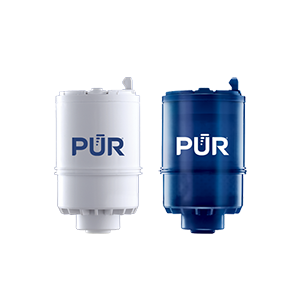
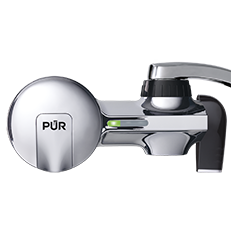
PUR & PUR PLUS FAUCET FILTERS
RF3375/RF9999

View Filters

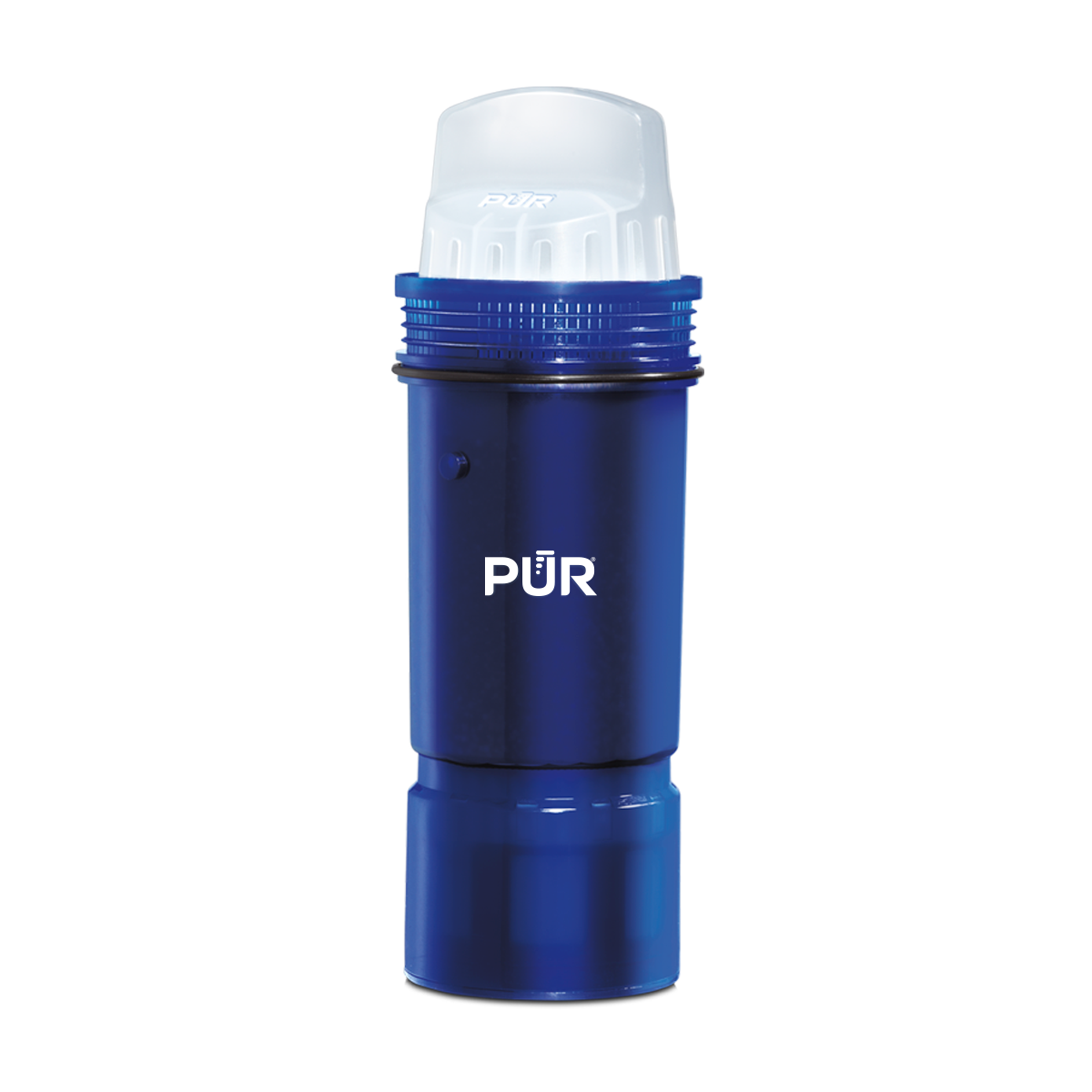
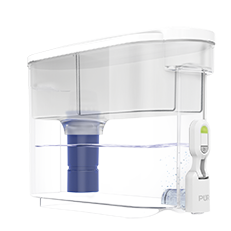
PUR PLUS PITCHER FILTERS
PPF951K

View Filter

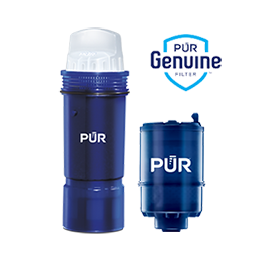
PUR BASIC PITCHER FILTERS
PPF900Z

View Filter


Vs. Brita*

Lead
Microplastics
Mercury
Chlorine Taste & Odor
DEET
TTHM

PUR’s Filtration Systems Are Certified By NSF And WQA For Their Contamination Reduction. WQA certifications as of 5/27/21 for Faucet filter models RF-3375 and RF-9999.

¹ Certified to reduce 10X more chemical and physical substances than Brita’s® leading pitcher filter.
² Certified to reduce 3X more chemical and physical substances than Brita’s® leading pitcher filter.
³ Certified to reduce 2X more chemical and physical substances than Brita’s® leading pitcher filter.
*Versus best-selling Brita® pitcher filter OB03. Brita® is a trademark of Brita LP.
**Like other leading brands, PUR does not filter microbes. As of 3/1/23 Brita® and ZeroWater® were not certified to filter microbes. Brita® is a trademark of Brita LP. ZeroWater® is a trademark of Zero Technologies, LLC..

 

PUR & PUR PLUS FAUCET FILTERS


PUR & PUR PLUS FAUCET FILTERS
RF3375/RF9999

View Filters


Vs. Brita*

Lead
Microplastics
Mercury
Chlorine Taste & Odor
DEET
TTHM

PUR’s Filtration Systems Are Certified By NSF And WQA For Their Contamination Reduction. WQA certifications as of 5/27/21 for Faucet filter models RF-3375 and RF-9999.

¹ Certified to reduce 10X more chemical and physical substances than Brita’s® leading pitcher filter.
² Certified to reduce 3X more chemical and physical substances than Brita’s® leading pitcher filter.
³ Certified to reduce 2X more chemical and physical substances than Brita’s® leading pitcher filter.
*Versus best-selling Brita® pitcher filter OB03. Brita® is a trademark of Brita LP.
**Like other leading brands, PUR does not filter microbes. As of 3/1/23 Brita® and ZeroWater® were not certified to filter microbes. Brita® is a trademark of Brita LP. ZeroWater® is a trademark of Zero Technologies, LLC..


PUR PLUS PITCHER FILTERS


PUR PLUS PITCHER FILTERS
PPF951K

View Filter


Vs. Brita*

Lead
Microplastics
Mercury
Chlorine Taste & Odor
DEET
TTHM

PUR’s Filtration Systems Are Certified By NSF And WQA For Their Contamination Reduction. WQA certifications as of 5/27/21 for Faucet filter models RF-3375 and RF-9999.

¹ Certified to reduce 10X more chemical and physical substances than Brita’s® leading pitcher filter.
² Certified to reduce 3X more chemical and physical substances than Brita’s® leading pitcher filter.
³ Certified to reduce 2X more chemical and physical substances than Brita’s® leading pitcher filter.
*Versus best-selling Brita® pitcher filter OB03. Brita® is a trademark of Brita LP.
**Like other leading brands, PUR does not filter microbes. As of 3/1/23 Brita® and ZeroWater® were not certified to filter microbes. Brita® is a trademark of Brita LP. ZeroWater® is a trademark of Zero Technologies, LLC..


PUR BASIC PITCHER FILTERS


PUR BASIC PITCHER FILTERS
PPF900Z

View Filter


Vs. Brita*

Lead
Microplastics
Mercury
Chlorine Taste & Odor
DEET
TTHM

PUR’s Filtration Systems Are Certified By NSF And WQA For Their Contamination Reduction. WQA certifications as of 5/27/21 for Faucet filter models RF-3375 and RF-9999.

¹ Certified to reduce 10X more chemical and physical substances than Brita’s® leading pitcher filter.
² Certified to reduce 3X more chemical and physical substances than Brita’s® leading pitcher filter.
³ Certified to reduce 2X more chemical and physical substances than Brita’s® leading pitcher filter.
*Versus best-selling Brita® pitcher filter OB03. Brita® is a trademark of Brita LP.
**Like other leading brands, PUR does not filter microbes. As of 3/1/23 Brita® and ZeroWater® were not certified to filter microbes. Brita® is a trademark of Brita LP. ZeroWater® is a trademark of Zero Technologies, LLC..


How to Choose the Best Deep Cycle Lithium Battery for Your Needs?

Choosing the right Deep Cycle Lithium Battery can be overwhelming. With so many options, how do you ensure you make the best choice? Industry expert Dr. Sarah Thompson, a leading authority in energy storage solutions, says, "Selecting a battery requires understanding specific needs and applications." Her insight emphasizes the importance of personalization in battery selection.

A Deep Cycle Lithium Battery is essential for applications ranging from RVs to solar storage. These batteries provide reliable performance and longevity. However, not all batteries are created equal. It's crucial to consider factors such as capacity, discharge rate, and size. Many overlook these details and may face pitfalls later.

Reflecting on your personal needs is key. Do you plan frequent off-grid trips? Or are you setting up a home solar system? Each scenario demands different specifications. This choice impacts efficiency and overall satisfaction. Be prepared to research and ask questions. As Dr. Thompson reminds us, knowledge is power in making informed decisions.

How to Choose the Best Deep Cycle Lithium Battery for Your Needs?

Understanding Deep Cycle Lithium Batteries and Their Applications

Deep cycle lithium batteries are crucial for various applications, including renewable energy systems, marine environments, and electric vehicles. These batteries excel in providing sustained power over extended periods. According to recent industry reports, the global lithium battery market is projected to grow at a CAGR of about 20% from 2021 to 2026. This rise highlights the growing reliance on energy storage solutions.

When choosing a deep cycle lithium battery, consider its capacity and efficiency. Look for options with a high cycle life, as they can endure more charge and discharge cycles. A study found that some lithium batteries can last up to 10 times longer than lead-acid counterparts. This longevity adds value, reducing replacement costs over time.

Tip: Evaluate your energy needs carefully. Accurately calculating the required amp-hours can prevent underperformance. High temperature impacts battery performance as well. Elevated temperatures can reduce battery life significantly. Always ensure that your battery operates within the optimal temperature range to avoid premature degradation.

Another consideration is the battery management system (BMS). A high-quality BMS protects the battery from overcharging and overheating. These features ensure safety and efficiency. According to the International Energy Agency, the shift toward lithium batteries aligns with global sustainability goals. So, it’s essential to make informed choices that promote longevity and reliability.

Key Factors to Consider When Choosing a Lithium Battery

When selecting a deep cycle lithium battery, consider several key factors. First, understand the battery's capacity, often measured in amp-hours (Ah). This metric dictates how long your energy needs will be met. Studies indicate that lithium batteries maintain higher capacity even after many cycles. For instance, a quality lithium battery can hold up to 80% of its capacity after 2,000 cycles, while lead-acid counterparts may only reach 300 cycles.

Next, pay attention to the discharge rate. This tells you how quickly the battery can release energy. A battery with a high discharge rate is crucial for applications requiring bursts of energy. Look for batteries that can sustain a minimum of 0.5C. Research shows these batteries can deliver better performance during usage.

Tips: Always check the battery's weight and size. A lightweight battery might offer convenience but could signal lower performance. Balance is key. Analyze your needs against the technical specifications. Read reviews and look at test results to ensure reliability. Keep an eye on temperature ratings as well. Extreme temperatures can adversely affect battery life. Choose a battery that operates effectively across a range of conditions.

Finally, warranty and manufacturer reputation matter. A five-year warranty and a strong track record can indicate a battery that will endure. However, do not ignore customer feedback; it often highlights unexpected issues. Emphasizing these factors will guide you toward the right battery for your situation.

Comparing Different Types of Deep Cycle Lithium Batteries

When selecting a deep cycle lithium battery, understanding the types available is crucial. Typically, there are three main categories: lithium iron phosphate (LiFePO4), lithium nickel manganese cobalt oxide (NMC), and lithium polymer (LiPo). Each offers unique advantages and disadvantages. LiFePO4 batteries are known for their safety and thermal stability, making them a popular choice in solar energy systems. However, they often have a lower energy density compared to NMC and LiPo batteries.

Data from industry reports indicates that LiFePO4 batteries can have a cycle life of more than 2,000 cycles at 80% depth of discharge, which is impressive. On the other hand, NMC batteries combine high energy density and longer range, appealing to electric vehicle manufacturers. Yet, they come with a higher cost and complexity. LiPo batteries, while lightweight and versatile, can present safety challenges due to their volatile nature if not managed properly.

It’s also important to consider the application. A battery suited for marine use may not perform well in a backup power setup. Battery management systems play a significant role in the longevity and performance as well. Many users overlook this and face issues later. Balancing price, performance, and intended use is essential for a satisfactory long-term investment.

Evaluating Battery Capacity and Power Needs

When evaluating battery capacity and power needs, start by understanding your requirements. Define the devices you will use and how long you need them to run. Consider the watt-hours (Wh) of your devices. This measurement helps you calculate the total energy required. For instance, if a device uses 100 watts and you need it for 5 hours, you'll need a battery with at least 500 Wh.


Next, assess the depth of discharge (DoD) for your battery. Lithium batteries allow a higher DoD compared to lead-acid options. This means you can utilize more of the battery’s capacity without damaging it. However, using the battery extensively may reduce its lifespan. Balancing usage and lifespan is crucial.


Battery weight and size are also important. A heavier battery might provide more capacity, but it can affect portability. Evaluate your space constraints before purchasing. In practice, users sometimes underestimate energy needs or overestimate how long devices last. Regularly revisiting your power requirements can lead to better choices in the future.

Assessing Budget and Brand Reliability for Your Lithium Battery Purchase

When selecting a deep cycle lithium battery, budget is a critical consideration. Prices can vary widely. Determine how much you're willing to spend before diving into specific options. This helps to narrow your choices. A budget allows for realistic expectations regarding performance and lifespan. Many people think all lithium batteries are the same, but that's far from true.

Brand reliability should not be overlooked. A reputable brand often indicates quality. Look for brands with a history of positive customer feedback. Reviews can provide insight into a brand's reliability. Trustworthy manufacturers typically offer warranties and customer support. However, some lesser-known brands may surprise you with performance. Be cautious and thorough in your research.

Remember, while aiming for the best option, consider your unique needs. Reflect on your usage patterns. Will the battery withstand heavy use? Your scenario impacts battery choice. A powerful battery may not be necessary if you use it sparingly. Balancing budget and brand reliability is complex but essential for making an informed decision.

Comparison of Deep Cycle Lithium Battery Capacity and Price