Contaminant Comparison Chart

For a complete list of contaminants that PUR filters reduce, please view our Performance Data Sheets here.


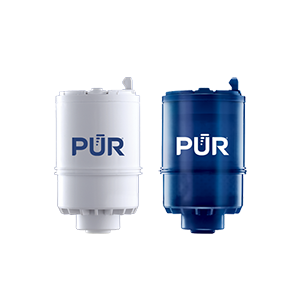
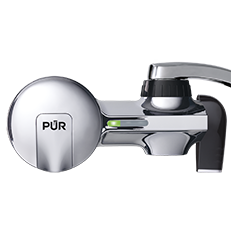
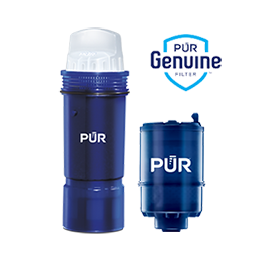
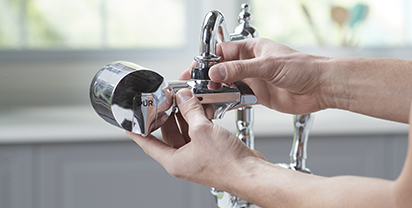
PUR & PUR PLUS FAUCET FILTERS
RF3375/RF9999

View Filters

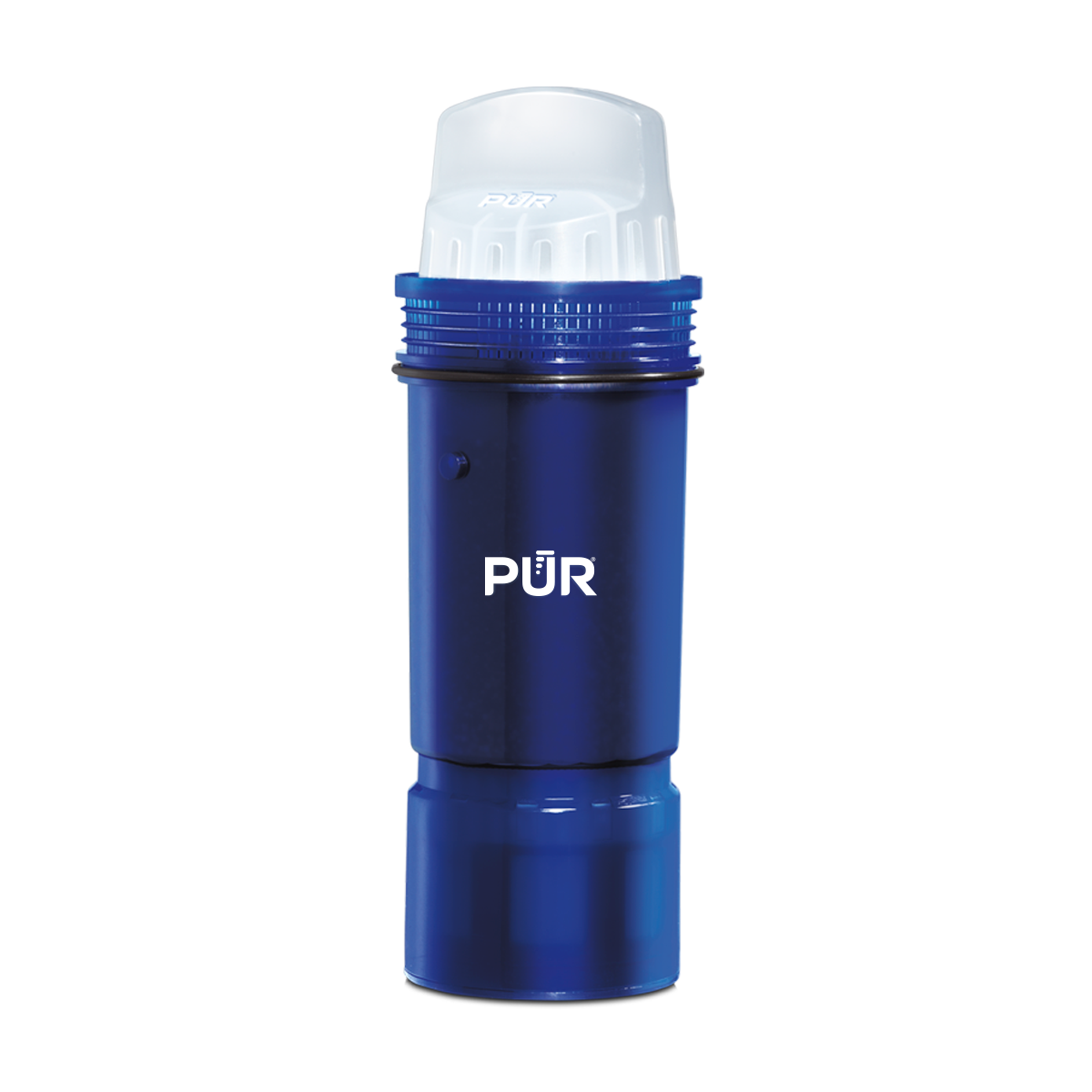
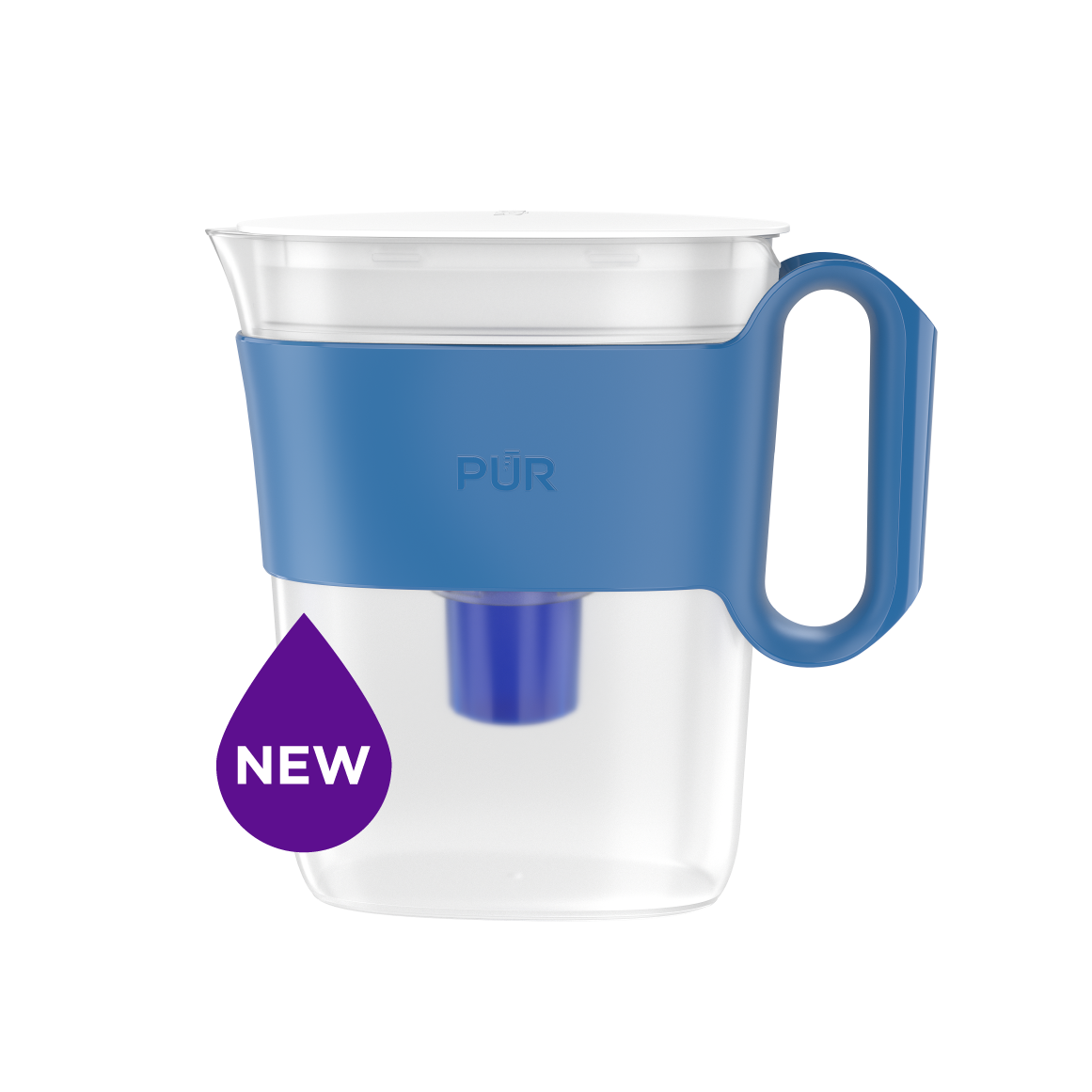
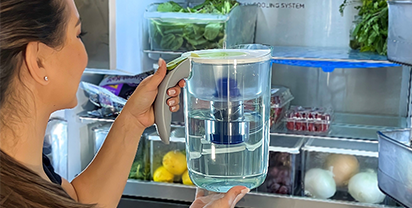
PUR PLUS PITCHER FILTERS
PPF951K

View Filter

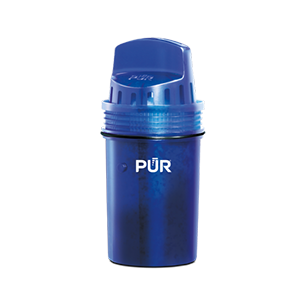
PUR BASIC PITCHER FILTERS
PPF900Z

View Filter


Vs. Brita*

Lead
Microplastics
Mercury
Chlorine Taste & Odor
DEET
TTHM

PUR’s Filtration Systems Are Certified By NSF And WQA For Their Contamination Reduction. WQA certifications as of 5/27/21 for Faucet filter models RF-3375 and RF-9999.

¹ Certified to reduce 10X more chemical and physical substances than Brita’s® leading pitcher filter.
² Certified to reduce 3X more chemical and physical substances than Brita’s® leading pitcher filter.
³ Certified to reduce 2X more chemical and physical substances than Brita’s® leading pitcher filter.
*Versus best-selling Brita® pitcher filter OB03. Brita® is a trademark of Brita LP.
**Like other leading brands, PUR does not filter microbes. As of 3/1/23 Brita® and ZeroWater® were not certified to filter microbes. Brita® is a trademark of Brita LP. ZeroWater® is a trademark of Zero Technologies, LLC..
 

PUR & PUR PLUS FAUCET FILTERS


PUR & PUR PLUS FAUCET FILTERS
RF3375/RF9999

View Filters


Vs. Brita*

Lead
Microplastics
Mercury
Chlorine Taste & Odor
DEET
TTHM

PUR’s Filtration Systems Are Certified By NSF And WQA For Their Contamination Reduction. WQA certifications as of 5/27/21 for Faucet filter models RF-3375 and RF-9999.

¹ Certified to reduce 10X more chemical and physical substances than Brita’s® leading pitcher filter.
² Certified to reduce 3X more chemical and physical substances than Brita’s® leading pitcher filter.
³ Certified to reduce 2X more chemical and physical substances than Brita’s® leading pitcher filter.
*Versus best-selling Brita® pitcher filter OB03. Brita® is a trademark of Brita LP.
**Like other leading brands, PUR does not filter microbes. As of 3/1/23 Brita® and ZeroWater® were not certified to filter microbes. Brita® is a trademark of Brita LP. ZeroWater® is a trademark of Zero Technologies, LLC..


PUR PLUS PITCHER FILTERS


PUR PLUS PITCHER FILTERS
PPF951K

View Filter


Vs. Brita*

Lead
Microplastics
Mercury
Chlorine Taste & Odor
DEET
TTHM

PUR’s Filtration Systems Are Certified By NSF And WQA For Their Contamination Reduction. WQA certifications as of 5/27/21 for Faucet filter models RF-3375 and RF-9999.

¹ Certified to reduce 10X more chemical and physical substances than Brita’s® leading pitcher filter.
² Certified to reduce 3X more chemical and physical substances than Brita’s® leading pitcher filter.
³ Certified to reduce 2X more chemical and physical substances than Brita’s® leading pitcher filter.
*Versus best-selling Brita® pitcher filter OB03. Brita® is a trademark of Brita LP.
**Like other leading brands, PUR does not filter microbes. As of 3/1/23 Brita® and ZeroWater® were not certified to filter microbes. Brita® is a trademark of Brita LP. ZeroWater® is a trademark of Zero Technologies, LLC..


PUR BASIC PITCHER FILTERS


PUR BASIC PITCHER FILTERS
PPF900Z

View Filter


Vs. Brita*

Lead
Microplastics
Mercury
Chlorine Taste & Odor
DEET
TTHM

PUR’s Filtration Systems Are Certified By NSF And WQA For Their Contamination Reduction. WQA certifications as of 5/27/21 for Faucet filter models RF-3375 and RF-9999.

¹ Certified to reduce 10X more chemical and physical substances than Brita’s® leading pitcher filter.
² Certified to reduce 3X more chemical and physical substances than Brita’s® leading pitcher filter.
³ Certified to reduce 2X more chemical and physical substances than Brita’s® leading pitcher filter.
*Versus best-selling Brita® pitcher filter OB03. Brita® is a trademark of Brita LP.
**Like other leading brands, PUR does not filter microbes. As of 3/1/23 Brita® and ZeroWater® were not certified to filter microbes. Brita® is a trademark of Brita LP. ZeroWater® is a trademark of Zero Technologies, LLC..


How to Choose the Best Heated Sweatshirt for Cold Weather?

In the chilly months, staying warm becomes essential. A Heated Sweatshirt can be a game-changer in cold weather. These innovative garments provide not only warmth but also comfort. Choosing the best heated sweatshirt requires careful consideration. You want to ensure it meets your needs for warmth, style, and battery life.

When looking for a heated sweatshirt, consider the heating elements and their placement. Quality materials are crucial for both insulation and durability. A reliable sweatshirt should withstand the test of time. Look for a brand that emphasizes safety and user-friendly features. Read reviews and seek expert opinions to make an informed decision.

Even with these guidelines, selecting the right heated sweatshirt can be challenging. You may find some products lacking in certain areas. Testing different styles may lead to disappointing experiences. Yet, this process helps refine your preferences and expectations. Stay patient and proactive in your search for the perfect heated sweatshirt.

How to Choose the Best Heated Sweatshirt for Cold Weather?

Understanding Heated Sweatshirts: A Comprehensive Overview

Heated sweatshirts have gained popularity for their ability to provide customizable warmth in cold conditions. According to a 2022 survey by the Outdoor Industry Association, nearly 30% of winter athletes prefer heated apparel for outdoor activities. This increasing demand highlights the importance of understanding the technology behind these garments.

Heated sweatshirts typically use carbon fiber heating elements. These elements provide even heat distribution across the fabric, maintaining body warmth. Reports indicate these sweatshirts can reach temperatures up to 135°F. However, not all models perform equally, with battery life often being a critical factor to assess. For instance, some sweatshirts last only 2-3 hours, while others may operate effectively for over 10 hours on a single charge.

Comfort remains essential alongside heat. Rigid designs can restrict movement, affecting user experience. Potential buyers should also consider fabric breathability, as sweat retention can lead to discomfort. While heated sweatshirts offer modern solutions for cold weather, users must weigh their specific needs against performance. Not every user will find the same level of satisfaction in their purchase, which can lead to questions about what truly works best in various environments.

How to Choose the Best Heated Sweatshirt for Cold Weather?

Feature Description Importance
Heating Technology Types of heating elements (carbon fiber, wire, etc.) Critical for effective warmth
Battery Life Duration of heat on a single charge (typically 4-12 hours) Essential for prolonged use in cold weather
Material Fabric type and quality (e.g., polyester, fleece) Impact comfort and heat retention
Control Options Remote control, app support, or manual controls Convenience of adjusting heat settings
Size & Fit Variety of sizes to accommodate different body types Ensures comfort and effectiveness in heating
Washability Machine washable or hand wash Maintains hygiene and longevity of the sweatshirt
Price Range Typical cost range and value for features Determines overall affordability

Key Features to Look for in a Heated Sweatshirt for Cold Weather

When choosing a heated sweatshirt for cold weather, the key features can significantly impact your comfort. Look for adjustable heating settings. This allows you to control how much warmth you get based on the coldness outside. Some sweatshirts may have three settings: low, medium, and high. This variety lets you find the perfect balance.

Battery life is essential too. A good heated sweatshirt should offer several hours of warmth on a single charge. Many options provide around 8 hours of heat on low settings. This can be a game-changer during outdoor activities. Consider the placement of heating elements. They should be strategically located on the back and chest for optimal warmth.

Additionally, fabric quality matters. A soft and breathable material will keep you comfortable. Look for moisture-wicking properties to help manage sweat. Remember, too much heat can sometimes make you feel clammy. Reflect on the overall fit as well. A snug fit helps retain heat, but it should also allow for easy movement.

Evaluating Heating Technology: Battery Life and Heat Distribution

When evaluating heated sweatshirts, focus on battery life and heat distribution. Experts recommend looking for sweatshirts with efficient heating technology. A report from the International Journal of Fashion Technology states that effective heated garments should maintain warmth for at least six hours. This ensures comfort during extended outdoor activities.

Battery life is crucial for your heated sweatshirt. Standard lithium-ion batteries can last between 6 to 12 hours, depending on usage settings. Sweatshirts with adjustable heat settings allow users to manage battery consumption better. For example, using a lower heat setting can extend battery life significantly.

Tip: Check the heat distribution, as evenly spread warmth prevents cold spots. Sweatshirt designs should allow heat to circulate throughout the fabric. Pay attention to the placement of heating elements; they must cover vital areas such as your chest and back.

Reflect on your needs before choosing. Some users find that sweatshirts overheat, while others may not generate enough warmth. Testing different styles and heat levels can help you find your ideal balance.

How to Choose the Best Heated Sweatshirt for Cold Weather?

This chart illustrates the evaluation of various heated sweatshirt options based on battery life (in hours) and heat distribution (in degrees Fahrenheit).

Material Selection: Optimal Fabrics for Insulation and Comfort

When selecting the best heated sweatshirt, material choice plays a crucial role. Fabrics can greatly affect insulation and comfort levels. The optimal materials for heated sweatshirts often include polyester and nylon blends. According to the American Textile Manufacturers Institute, these synthetic fibers provide superior thermal insulation while remaining lightweight.

Breathable fabrics are essential for active use. Look for sweatshirts that incorporate moisture-wicking properties. A 2022 report by the International Journal of Textile Science indicated that moisture-wicking fabrics can enhance comfort by up to 30%. However, it's vital to balance insulation with breathability. Too much insulation can lead to overheating, which may negate the benefits of a heated garment.

While manufacturers focus on innovative materials, some options may lack durability. Evaluate the fabric's resistance to wear over time. A heating element integrated into low-quality fabric might compromise both performance and safety. Therefore, inspecting material thickness and durability is important to ensure the sweatshirt lasts through multiple uses.

Sizing and Fit: Ensuring Maximum Efficiency and Wearability in Use

When it comes to choosing the best heated sweatshirt for cold weather, sizing and fit play a crucial role. According to recent industry reports, improperly sized heated clothing can lead to inefficiencies in heat distribution. A snug fit allows the heat elements to work more effectively against your body. Loose-fitting sweatshirts, in contrast, can trap air, which reduces warmth and negates the benefits of the heating technology. To ensure optimal performance, measuring your chest, waist, and arm length is advisable.

Finding the right size is not just about comfort. Inappropriate sizing can also lead to safety concerns. Overly tight sweatshirts may restrict movement, while those that are too loose could snag on objects, posing a risk. Remember that different fabrics and heating systems react differently to body heat. Thus, understanding how a heated sweatshirt is designed to fit can be vital.

A recent survey indicated that over 70% of users preferred sweatshirts that are tailored for both warmth and mobility. This highlights the pressing need for careful selection to achieve maximum efficiency and wearability.