
Contaminant Comparison Chart

For a complete list of contaminants that PUR filters reduce, please view our Performance Data Sheets here.


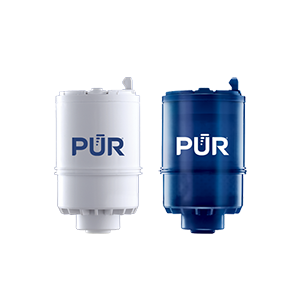
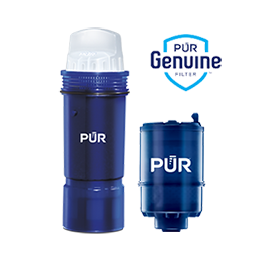
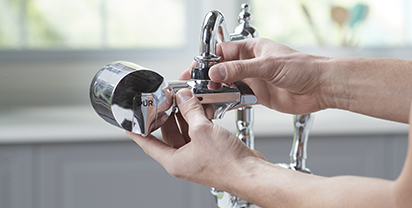
PUR & PUR PLUS FAUCET FILTERS
RF3375/RF9999

View Filters

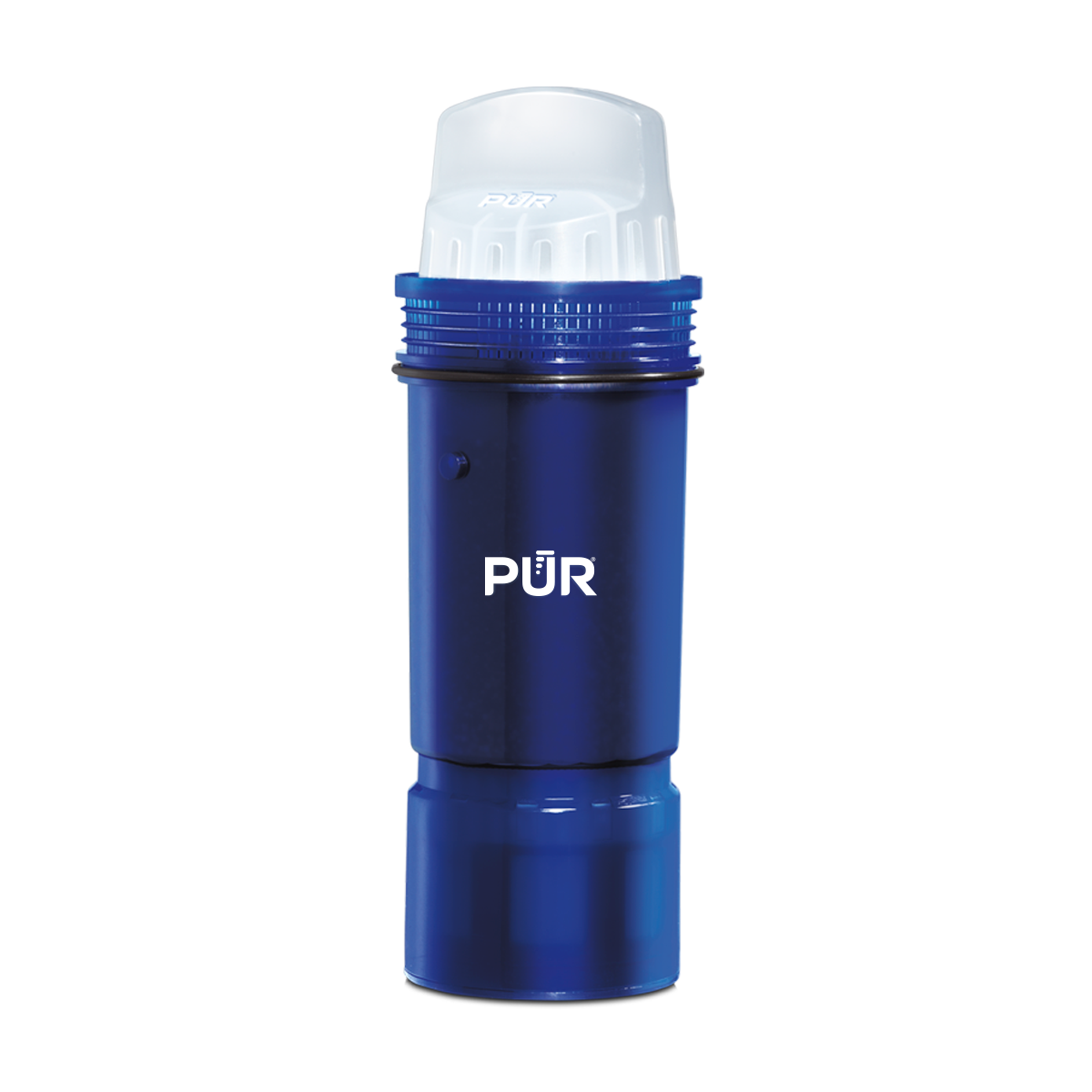
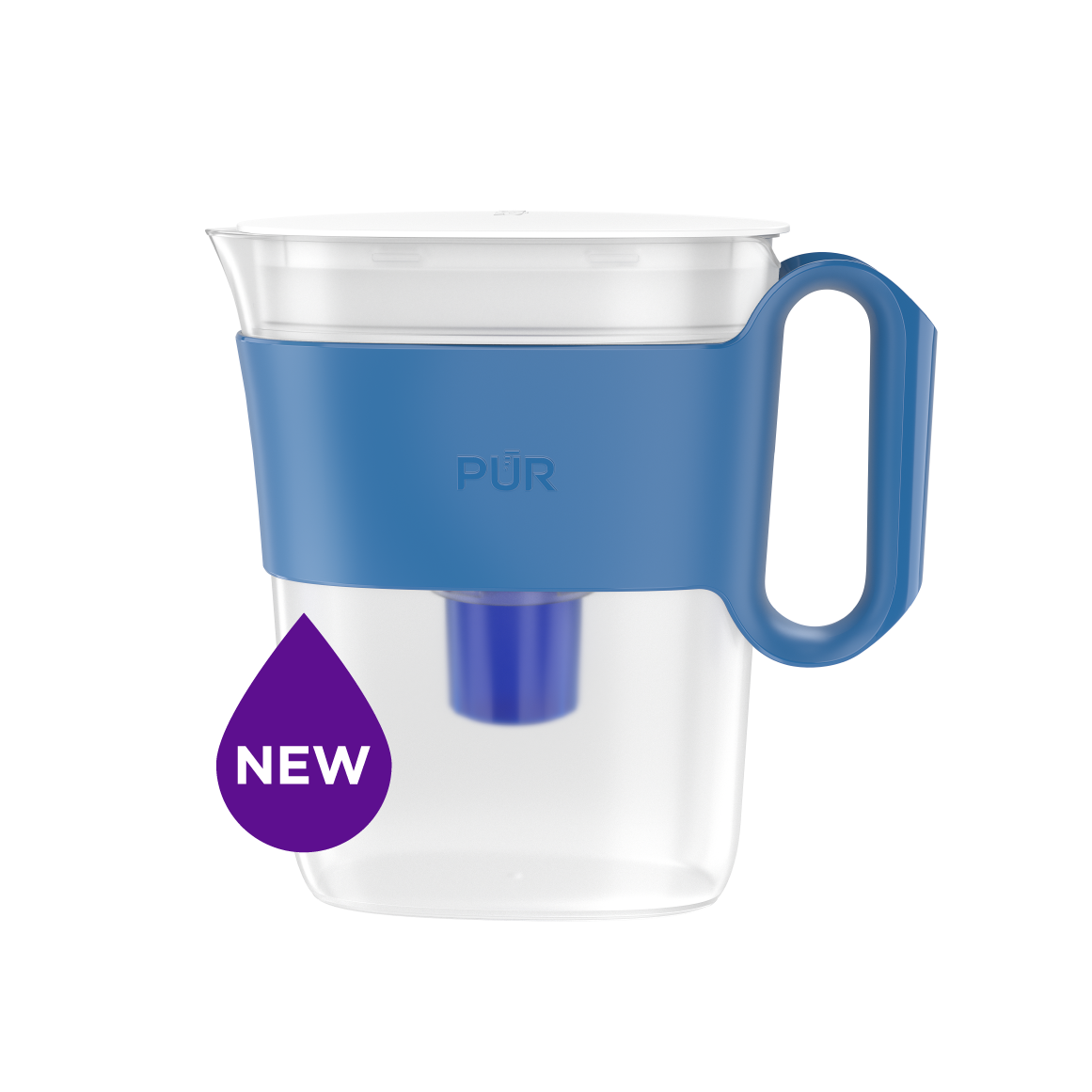
PUR PLUS PITCHER FILTERS
PPF951K

View Filter

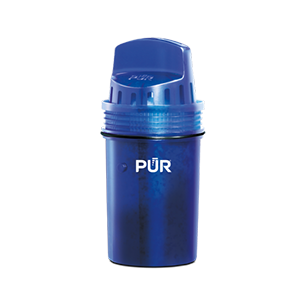
PUR BASIC PITCHER FILTERS
PPF900Z

View Filter


Vs. Brita*

Lead
Microplastics
Mercury
Chlorine Taste & Odor
DEET
TTHM

PUR’s Filtration Systems Are Certified By NSF And WQA For Their Contamination Reduction. WQA certifications as of 5/27/21 for Faucet filter models RF-3375 and RF-9999.

¹ Certified to reduce 10X more chemical and physical substances than Brita’s® leading pitcher filter.
² Certified to reduce 3X more chemical and physical substances than Brita’s® leading pitcher filter.
³ Certified to reduce 2X more chemical and physical substances than Brita’s® leading pitcher filter.
*Versus best-selling Brita® pitcher filter OB03. Brita® is a trademark of Brita LP.
**Like other leading brands, PUR does not filter microbes. As of 3/1/23 Brita® and ZeroWater® were not certified to filter microbes. Brita® is a trademark of Brita LP. ZeroWater® is a trademark of Zero Technologies, LLC..
 

PUR & PUR PLUS FAUCET FILTERS


PUR & PUR PLUS FAUCET FILTERS
RF3375/RF9999

View Filters


Vs. Brita*

Lead
Microplastics
Mercury
Chlorine Taste & Odor
DEET
TTHM

PUR’s Filtration Systems Are Certified By NSF And WQA For Their Contamination Reduction. WQA certifications as of 5/27/21 for Faucet filter models RF-3375 and RF-9999.

¹ Certified to reduce 10X more chemical and physical substances than Brita’s® leading pitcher filter.
² Certified to reduce 3X more chemical and physical substances than Brita’s® leading pitcher filter.
³ Certified to reduce 2X more chemical and physical substances than Brita’s® leading pitcher filter.
*Versus best-selling Brita® pitcher filter OB03. Brita® is a trademark of Brita LP.
**Like other leading brands, PUR does not filter microbes. As of 3/1/23 Brita® and ZeroWater® were not certified to filter microbes. Brita® is a trademark of Brita LP. ZeroWater® is a trademark of Zero Technologies, LLC..


PUR PLUS PITCHER FILTERS


PUR PLUS PITCHER FILTERS
PPF951K

View Filter


Vs. Brita*

Lead
Microplastics
Mercury
Chlorine Taste & Odor
DEET
TTHM

PUR’s Filtration Systems Are Certified By NSF And WQA For Their Contamination Reduction. WQA certifications as of 5/27/21 for Faucet filter models RF-3375 and RF-9999.

¹ Certified to reduce 10X more chemical and physical substances than Brita’s® leading pitcher filter.
² Certified to reduce 3X more chemical and physical substances than Brita’s® leading pitcher filter.
³ Certified to reduce 2X more chemical and physical substances than Brita’s® leading pitcher filter.
*Versus best-selling Brita® pitcher filter OB03. Brita® is a trademark of Brita LP.
**Like other leading brands, PUR does not filter microbes. As of 3/1/23 Brita® and ZeroWater® were not certified to filter microbes. Brita® is a trademark of Brita LP. ZeroWater® is a trademark of Zero Technologies, LLC..


PUR BASIC PITCHER FILTERS


PUR BASIC PITCHER FILTERS
PPF900Z

View Filter


Vs. Brita*

Lead
Microplastics
Mercury
Chlorine Taste & Odor
DEET
TTHM

PUR’s Filtration Systems Are Certified By NSF And WQA For Their Contamination Reduction. WQA certifications as of 5/27/21 for Faucet filter models RF-3375 and RF-9999.

¹ Certified to reduce 10X more chemical and physical substances than Brita’s® leading pitcher filter.
² Certified to reduce 3X more chemical and physical substances than Brita’s® leading pitcher filter.
³ Certified to reduce 2X more chemical and physical substances than Brita’s® leading pitcher filter.
*Versus best-selling Brita® pitcher filter OB03. Brita® is a trademark of Brita LP.
**Like other leading brands, PUR does not filter microbes. As of 3/1/23 Brita® and ZeroWater® were not certified to filter microbes. Brita® is a trademark of Brita LP. ZeroWater® is a trademark of Zero Technologies, LLC..


How to Choose the Best Light Van for Your Business Needs?

Choosing the right Light Van for your business can be challenging. Many factors must be considered. A Light Van is not just a vehicle; it’s a critical tool for your daily operations. Selecting the best one involves understanding your specific needs. Think about the size and capacity required. Think about how you'll use it day to day.

A Light Van must align with your business type. Different industries have different requirements. You may need extra space for tools or a specific layout for deliveries. This makes assessing the available models essential. Experience in handling various loads can influence your choice. Sometimes, the most popular vans aren’t the best fit.

Discussing features like fuel efficiency, maintenance costs, and reliability is crucial. A well-chosen Light Van can lead to long-term savings. However, many overlook these details. Reflect on what you truly need versus what looks appealing. The perfect Light Van is out there; it just requires careful evaluation.

How to Choose the Best Light Van for Your Business Needs?

Understanding Your Business Requirements for a Light Van

When selecting a light van for your business, understanding your specific requirements is crucial. Analyze your daily operations. Consider how often you'll transport goods and the weight of these items. Will you need extra space for tools or equipment? Addressing these questions helps ensure the van meets your demands.


Tips: List your top three needs. This can include space, fuel efficiency, and reliability. Share this list with your team. Gaining different perspectives can highlight aspects you might overlook.


Evaluate the type of materials you'll carry. Are they perishable, fragile, or bulky? Tailoring your choice to the load will enhance efficiency. A van with appropriate shelving or temperature control may be necessary.


Tips: Conduct a test drive. Assess visibility and comfort. Think about your daily routes. Is the van easy to maneuver in tight spaces? Trust your instincts. Sometimes, the perfect fit isn't just data-driven.

Evaluating Different Types of Light Vans Available in the Market

When evaluating different types of light vans for your business, consider your specific needs. Think about the type of goods you’ll transport. Are they bulky or fragile? A van with a higher payload capacity may be essential. Smaller businesses might prefer compact models for urban environments, ensuring easier navigation and parking.

Another crucial factor is fuel efficiency. Some vans offer excellent mileage, which can save you money over time. Additionally, assess the features each model includes. Consider storage solutions and whether you need a high roof for taller items. Don't forget about technology; navigation systems can enhance efficiency in deliveries.

Test driving several models helps, but be mindful of your budget. Pricing can vary widely, and it’s wise to weigh the costs against the benefits. Sometimes, choosing a cost-effective option can lead to later complications. Reflect on your choice and remember: the best van for one business isn’t always right for another.

Best Light Vans for Business Needs

Key Features to Consider When Selecting a Light Van

Choosing the right light van can significantly impact your business. When assessing options, several key features should be prioritized. Payload capacity is crucial. A standard light van typically offers a payload of up to 1,000 kg. Ensure the van's payload meets your operational demands. If you often carry heavy equipment, opting for a higher capacity is wise.

Another vital factor is fuel efficiency. On average, modern light vans deliver around 30 MPG. However, some models perform better. This affects your long-term operational costs. If your business relies on extensive travel, even slight fuel savings can lead to substantial savings.

Consider the van's technology. Features like integrated navigation and telematics improve efficiency. Analyzing data can help optimize routes and reduce time on the road. Don’t overlook interior space. Adequate room is essential for easy loading and unloading.

Tips: Test drive multiple vans. Real-world conditions reveal strengths and weaknesses you can't see on paper. Review user feedback and industry reports for insights on reliability and performance. Remember, the best choice balances capacity, efficiency, and functionality tailored to your specific needs.

Assessing Fuel Efficiency and Operating Costs for Light Vans

When selecting a light van for your business, fuel efficiency is a vital factor. A van that consumes less fuel can save money in the long run. Look for models that offer a favorable miles-per-gallon (MPG) rating. Consider how often you’ll be driving and the distance of your routes. Frequent city driving may require a different choice than those doing highway trips.

Operating costs include maintenance and insurance. A reliable van can reduce downtime and unexpected repairs. Regular servicing is important but varies by model. Check the recommended service intervals. Higher insurance rates can affect overall expenses. It's wise to gather multiple quotes before making a decision.

Reflecting on these elements can help you make a more informed choice. Balancing fuel efficiency with cost can be tricky. What works best for one business may not suit another. Evaluating your unique needs is crucial in the selection process. Every detail counts when keeping your expenses manageable.

Reviewing Financing Options and Insurance for Light Vans

When selecting a light van for your business, understanding financing options is crucial. Many businesses face budget constraints. Exploring financing can alleviate pressure, allowing for better decision-making. Options include leasing, loans, or even hire purchase agreements. Each method comes with pros and cons. Leasing may keep upfront costs low but could lead to higher long-term expenses. Loans can offer ownership but require solid credit and timely payments.

Insurance for light vans is another critical consideration. Adequate coverage protects your investment and ensures compliance. Look for comprehensive policies that cover theft, damage, and liability. Premiums can vary widely based on factors like vehicle type and driver history. Researching different insurance providers is essential. Some businesses might overlook this, resulting in gaps in protection.

Be cautious of potential pitfalls. Balancing cost with features is not always easy. It’s essential to assess your specific needs. Avoid falling into the trap of choosing based solely on the lowest price. Quality and reliability can save costs in the long run. Every decision should align with your business goals and financial health.

Article Source: