Contaminant Comparison Chart

For a complete list of contaminants that PUR filters reduce, please view our Performance Data Sheets here.


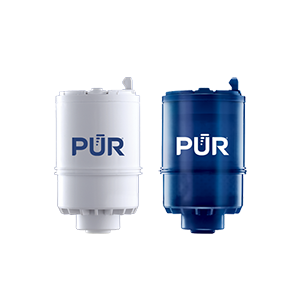
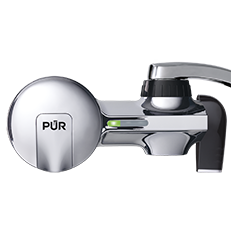
PUR & PUR PLUS FAUCET FILTERS
RF3375/RF9999

View Filters

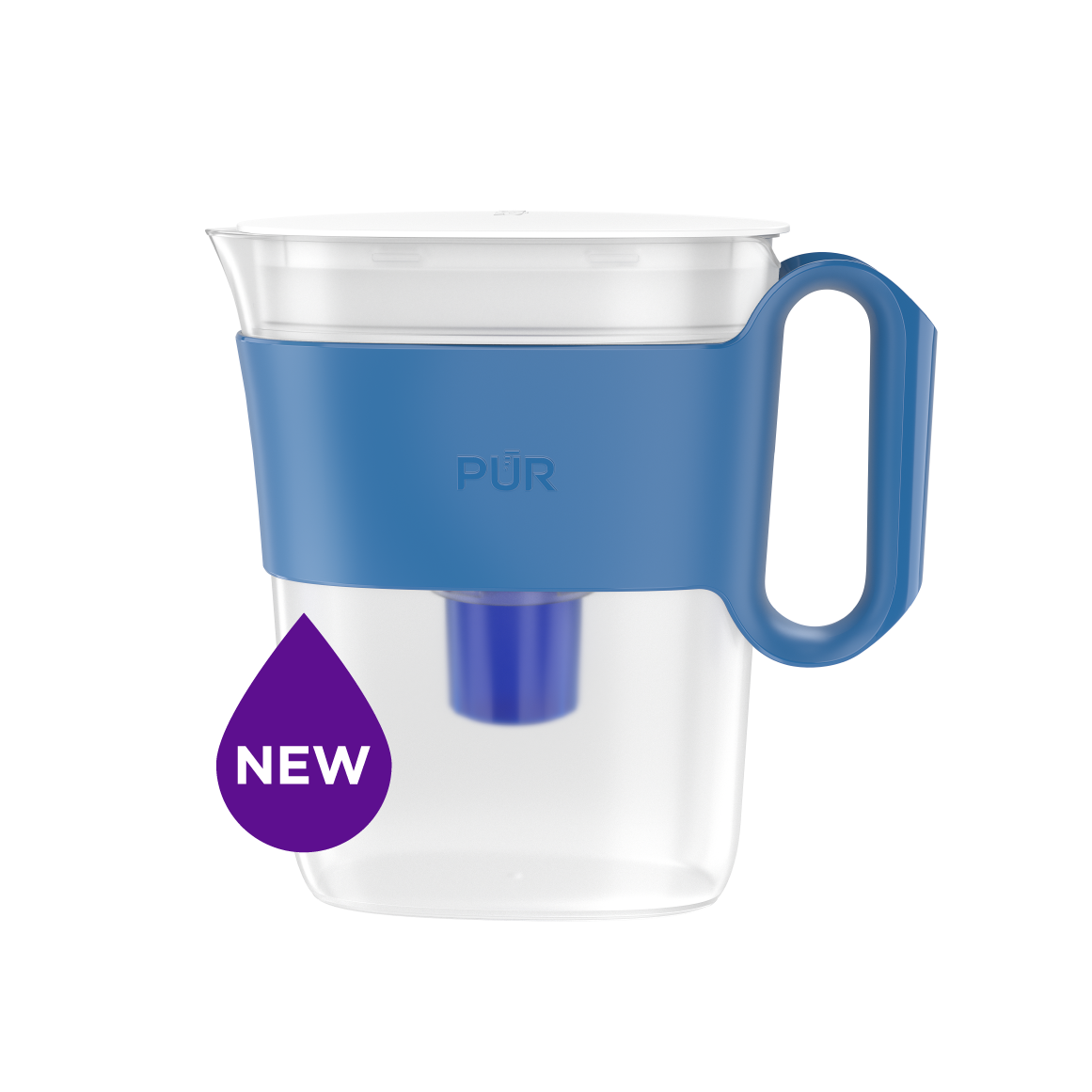
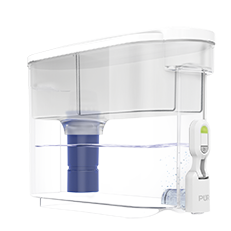
PUR PLUS PITCHER FILTERS
PPF951K

View Filter

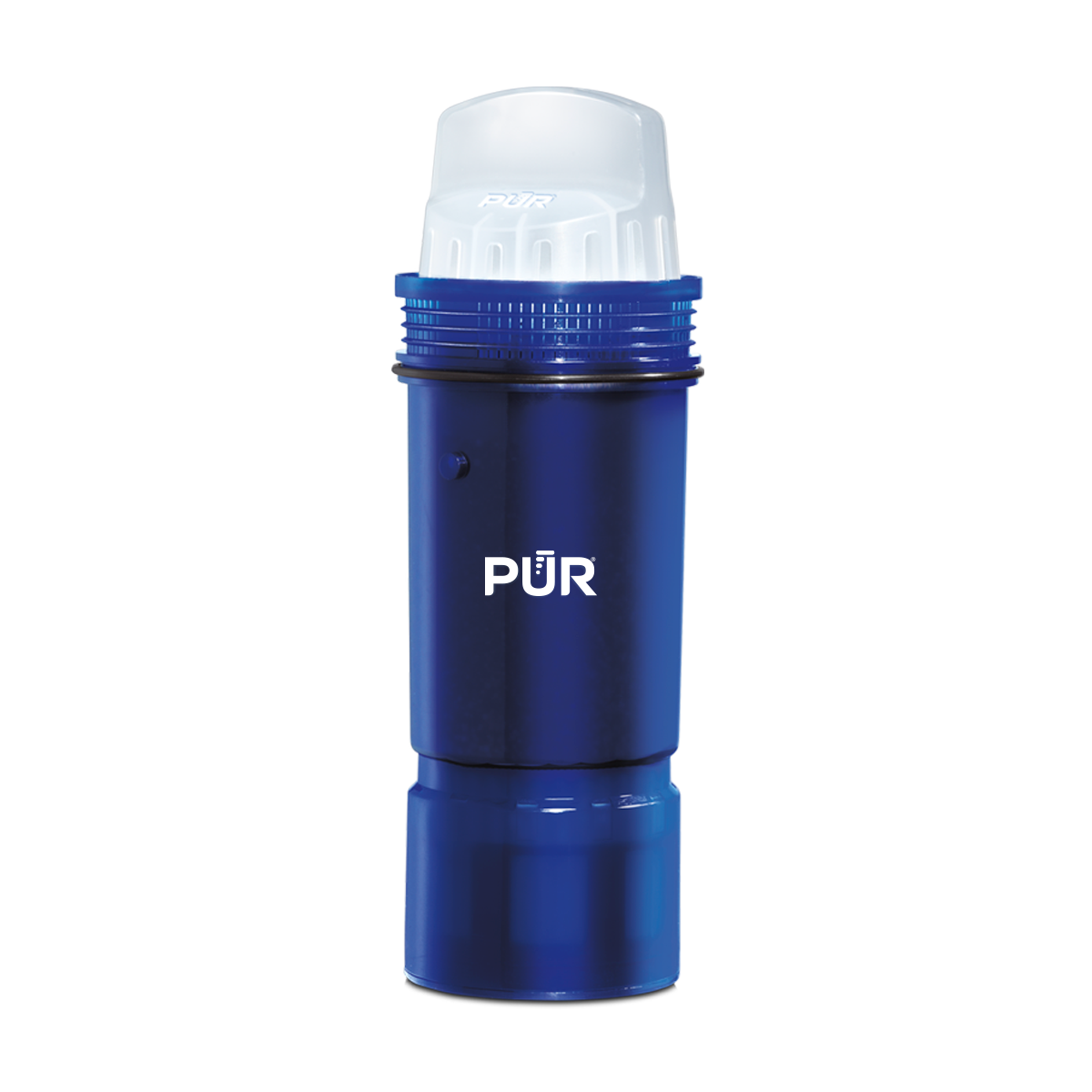
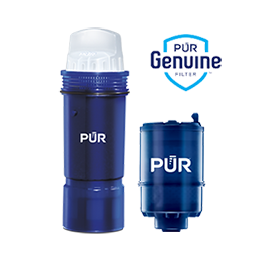
PUR BASIC PITCHER FILTERS
PPF900Z

View Filter


Vs. Brita*

Lead
Microplastics
Mercury
Chlorine Taste & Odor
DEET
TTHM

PUR’s Filtration Systems Are Certified By NSF And WQA For Their Contamination Reduction. WQA certifications as of 5/27/21 for Faucet filter models RF-3375 and RF-9999.

¹ Certified to reduce 10X more chemical and physical substances than Brita’s® leading pitcher filter.
² Certified to reduce 3X more chemical and physical substances than Brita’s® leading pitcher filter.
³ Certified to reduce 2X more chemical and physical substances than Brita’s® leading pitcher filter.
*Versus best-selling Brita® pitcher filter OB03. Brita® is a trademark of Brita LP.
**Like other leading brands, PUR does not filter microbes. As of 3/1/23 Brita® and ZeroWater® were not certified to filter microbes. Brita® is a trademark of Brita LP. ZeroWater® is a trademark of Zero Technologies, LLC..
 

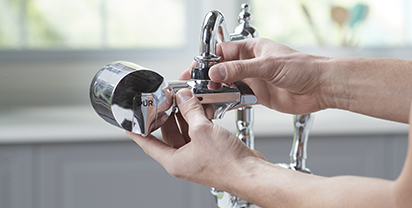
PUR & PUR PLUS FAUCET FILTERS


PUR & PUR PLUS FAUCET FILTERS
RF3375/RF9999

View Filters


Vs. Brita*

Lead
Microplastics
Mercury
Chlorine Taste & Odor
DEET
TTHM

PUR’s Filtration Systems Are Certified By NSF And WQA For Their Contamination Reduction. WQA certifications as of 5/27/21 for Faucet filter models RF-3375 and RF-9999.

¹ Certified to reduce 10X more chemical and physical substances than Brita’s® leading pitcher filter.
² Certified to reduce 3X more chemical and physical substances than Brita’s® leading pitcher filter.
³ Certified to reduce 2X more chemical and physical substances than Brita’s® leading pitcher filter.
*Versus best-selling Brita® pitcher filter OB03. Brita® is a trademark of Brita LP.
**Like other leading brands, PUR does not filter microbes. As of 3/1/23 Brita® and ZeroWater® were not certified to filter microbes. Brita® is a trademark of Brita LP. ZeroWater® is a trademark of Zero Technologies, LLC..


PUR PLUS PITCHER FILTERS


PUR PLUS PITCHER FILTERS
PPF951K

View Filter


Vs. Brita*

Lead
Microplastics
Mercury
Chlorine Taste & Odor
DEET
TTHM

PUR’s Filtration Systems Are Certified By NSF And WQA For Their Contamination Reduction. WQA certifications as of 5/27/21 for Faucet filter models RF-3375 and RF-9999.

¹ Certified to reduce 10X more chemical and physical substances than Brita’s® leading pitcher filter.
² Certified to reduce 3X more chemical and physical substances than Brita’s® leading pitcher filter.
³ Certified to reduce 2X more chemical and physical substances than Brita’s® leading pitcher filter.
*Versus best-selling Brita® pitcher filter OB03. Brita® is a trademark of Brita LP.
**Like other leading brands, PUR does not filter microbes. As of 3/1/23 Brita® and ZeroWater® were not certified to filter microbes. Brita® is a trademark of Brita LP. ZeroWater® is a trademark of Zero Technologies, LLC..


PUR BASIC PITCHER FILTERS


PUR BASIC PITCHER FILTERS
PPF900Z

View Filter


Vs. Brita*

Lead
Microplastics
Mercury
Chlorine Taste & Odor
DEET
TTHM

PUR’s Filtration Systems Are Certified By NSF And WQA For Their Contamination Reduction. WQA certifications as of 5/27/21 for Faucet filter models RF-3375 and RF-9999.

¹ Certified to reduce 10X more chemical and physical substances than Brita’s® leading pitcher filter.
² Certified to reduce 3X more chemical and physical substances than Brita’s® leading pitcher filter.
³ Certified to reduce 2X more chemical and physical substances than Brita’s® leading pitcher filter.
*Versus best-selling Brita® pitcher filter OB03. Brita® is a trademark of Brita LP.
**Like other leading brands, PUR does not filter microbes. As of 3/1/23 Brita® and ZeroWater® were not certified to filter microbes. Brita® is a trademark of Brita LP. ZeroWater® is a trademark of Zero Technologies, LLC..


How to Choose the Best PT1000 RTD Sensor for Your Needs?

Choosing the right PT1000 RTD Sensor can be challenging. Renowned expert Dr. Emily Carter once stated, "A good sensor balances accuracy, cost, and durability." This highlights the key considerations when selecting a PT1000 RTD Sensor.

PT1000 sensors are known for their precision and reliability. However, not all applications require the same specifications. Understanding your particular needs is crucial. For instance, industrial environments often demand sensors that withstand harsh conditions. In contrast, laboratory applications may prioritize sensitivity and quick response times.

Assessing the performance characteristics is essential. Look at factors such as temperature range, material compatibility, and connector types. Each application presents unique challenges, necessitating a thoughtful approach. Choosing the ideal PT1000 RTD Sensor is not just about finding the cheapest option. It's about finding the best fit for your specific application, which can sometimes be a trial-and-error process.

How to Choose the Best PT1000 RTD Sensor for Your Needs?

Understanding the Basics of PT1000 RTD Sensors

When considering a PT1000 RTD sensor, it's crucial to grasp the fundamentals of how they operate. RTD stands for Resistance Temperature Detector, a device that measures temperature by correlating the resistance of the sensor to temperature variations. The PT1000 specifically uses a resistance of 1000 ohms at 0 degrees Celsius. This high sensitivity allows for precise temperature readings, making it suitable for various applications in industrial settings.

Selecting the right PT1000 sensor can be challenging. Key factors include temperature range, accuracy, and environmental conditions. For instance, high humidity or corrosive environments might require specialized materials for the sensor. Also, the sensor's calibration is critical. A poorly calibrated sensor can lead to inaccurate readings, which can disrupt processes or lead to costly errors. It's worth assessing the specific requirements of your application to avoid potential pitfalls.

Additionally, ensure that the installation is conducted correctly. A misaligned sensor can produce erroneous data. Always consider the physical dimensions and how the sensor will integrate with existing systems. Although choosing a PT1000 may seem straightforward, these details can significantly impact performance and reliability. Without careful consideration, what seems like a simple choice can turn into a complex issue.

Key Specifications to Consider When Selecting PT1000 Sensors

When selecting a PT1000 RTD sensor, there are several key specifications to consider. One important factor is the temperature range. Different applications require varying temperature capacities. Ensure the sensor can handle the expected extremes in your environment. Operating outside the recommended range can lead to inaccurate readings or sensor failure.

Another critical specification is the resistance tolerance. PT1000 sensors have a nominal resistance of 1000 ohms at 0°C. However, tolerances can vary significantly. A tighter tolerance can provide more accurate measurements, while a wider tolerance may suffice for less precise applications. Assess your accuracy needs carefully.

Additionally, consider the sensor's construction and materials. Different sensors may use various types of protective sheaths. Stainless steel sheaths offer durability, while glass bodies enhance sensitivity. The choice of materials directly impacts the sensor's longevity and reliability in specific environments. Regular maintenance of sensors can improve performance. Recognizing these specifications can simplify your selection process and lead to better results in your projects.

Evaluating Accuracy and Response Time for Your Application

When choosing a PT1000 RTD sensor, accuracy and response time are crucial factors to consider. The accuracy of the sensor affects the reliability of your measurements. A sensor with high accuracy minimizes errors and ensures that your data reflects true conditions. It's essential to understand the precision specifications provided by the manufacturer. Sometimes, even minor discrepancies can lead to significant issues in sensitive applications.

Response time is equally important. It indicates how quickly the sensor can react to temperature changes. In critical processes, a slow response can cause delays and increase risks. When selecting your sensor, inquire about its thermal time constant. A lower time constant usually means faster responses. This can be key in environments with fluctuating temperatures.

Here are some practical considerations. Assess your application’s specific requirements. Evaluate the environment where the sensor will operate. Pay attention to the insulation type and the installation method. Each factor can influence performance. Lastly, always test the sensor in real-world conditions before making a final decision. This can reveal potential weaknesses you might not have anticipated.

Environmental Considerations for PT1000 Sensor Deployment

When deploying PT1000 RTD sensors, environmental factors are critical. These sensors excel in applications involving temperature measurement, yet their performance can be impacted by their surroundings. For instance, high humidity can lead to condensation, affecting readings. In a report by the International Society for Measurement and Control, it was noted that sensors exposed to moisture environments required protective coatings to maintain accuracy.

Another interesting finding relates to vibration. Research indicates that PT1000 sensors might experience performance degradation when subjected to consistent vibrations. Industrial settings often involve machinery that emits vibrations. This can distort temperature readings, making it vital to consider mounting techniques that mitigate these effects.

Additionally, operating temperature ranges must align with the sensor specifications. Environments exceeding recommended limits can lead to sensor failure or inaccurate data over time. A study from the Sensor Technology Forum highlighted that 30% of sensor failures are attributed to operating outside specified parameters. Understanding these environmental considerations can significantly enhance the reliability of PT1000 sensors in your applications.

Comparing Different Manufacturers and Models of PT1000 Sensors

When selecting a PT1000 RTD sensor, comparing different manufacturers and models is essential. Each sensor comes with unique specifications, response times, and accuracy levels. For instance, a recent industry analysis highlighted that some models maintain an accuracy of ±0.1°C, while others may vary up to ±1.0°C. This difference can significantly impact precision-sensitive applications, such as research laboratory environments.

Consider the sensor's temperature range. Some PT1000 sensors work well in extreme conditions, extending from -200°C to 850°C. This versatility caters to various industries, from food processing to pharmaceuticals. Pay attention to the materials used, as they affect durability and resistance to harsh environments. Copper wires in some designs seem less reliable than those with stainless steel sheaths.

Details matter when selecting a model. Look for elements like wire configuration and junction type. These features influence installation complexity and sensor response. Additionally, review datasheets to find real-world performance data. Relying on comparisons from independent sources can help clarify inconsistencies.

Choosing wisely is crucial. Mistakes in selection can lead to inaccurate measurements and costly errors in product development or production. Evaluate your specific needs and review comprehensive user feedback on various models. This diligence ensures that you invest in technology that meets your requirements without compromise.