Contaminant Comparison Chart

For a complete list of contaminants that PUR filters reduce, please view our Performance Data Sheets here.


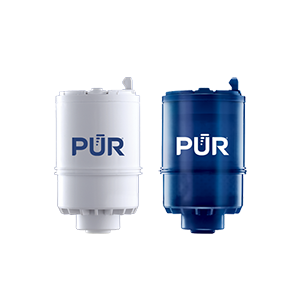
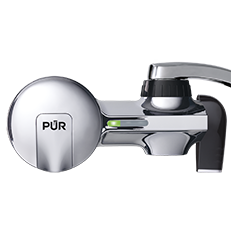
PUR & PUR PLUS FAUCET FILTERS
RF3375/RF9999

View Filters

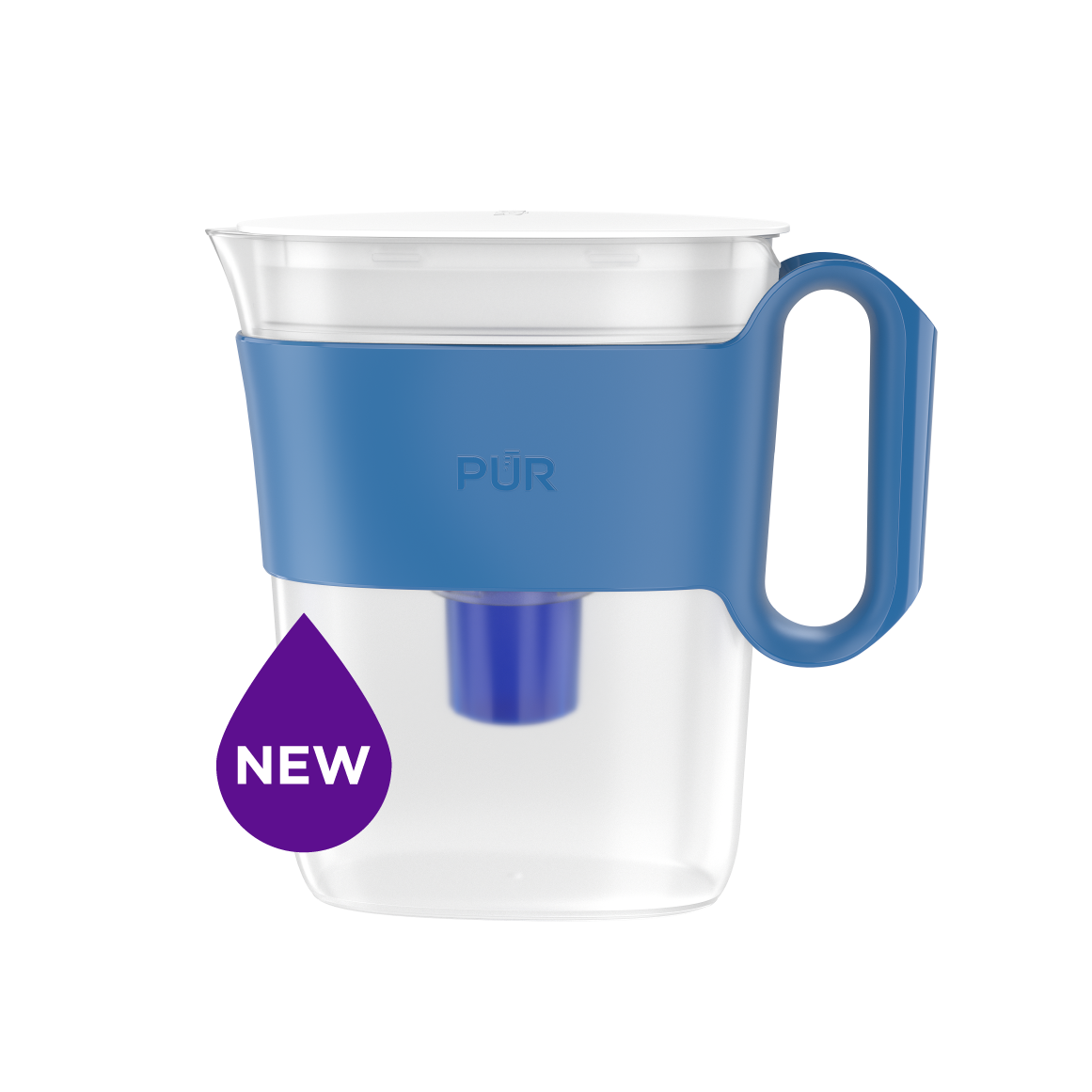
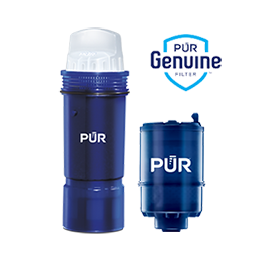
PUR PLUS PITCHER FILTERS
PPF951K

View Filter

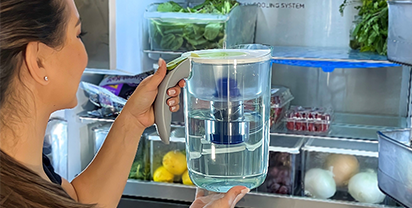
PUR BASIC PITCHER FILTERS
PPF900Z

View Filter


Vs. Brita*

Lead
Microplastics
Mercury
Chlorine Taste & Odor
DEET
TTHM

PUR’s Filtration Systems Are Certified By NSF And WQA For Their Contamination Reduction. WQA certifications as of 5/27/21 for Faucet filter models RF-3375 and RF-9999.

¹ Certified to reduce 10X more chemical and physical substances than Brita’s® leading pitcher filter.
² Certified to reduce 3X more chemical and physical substances than Brita’s® leading pitcher filter.
³ Certified to reduce 2X more chemical and physical substances than Brita’s® leading pitcher filter.
*Versus best-selling Brita® pitcher filter OB03. Brita® is a trademark of Brita LP.
**Like other leading brands, PUR does not filter microbes. As of 3/1/23 Brita® and ZeroWater® were not certified to filter microbes. Brita® is a trademark of Brita LP. ZeroWater® is a trademark of Zero Technologies, LLC..
 

PUR & PUR PLUS FAUCET FILTERS


PUR & PUR PLUS FAUCET FILTERS
RF3375/RF9999

View Filters


Vs. Brita*

Lead
Microplastics
Mercury
Chlorine Taste & Odor
DEET
TTHM

PUR’s Filtration Systems Are Certified By NSF And WQA For Their Contamination Reduction. WQA certifications as of 5/27/21 for Faucet filter models RF-3375 and RF-9999.

¹ Certified to reduce 10X more chemical and physical substances than Brita’s® leading pitcher filter.
² Certified to reduce 3X more chemical and physical substances than Brita’s® leading pitcher filter.
³ Certified to reduce 2X more chemical and physical substances than Brita’s® leading pitcher filter.
*Versus best-selling Brita® pitcher filter OB03. Brita® is a trademark of Brita LP.
**Like other leading brands, PUR does not filter microbes. As of 3/1/23 Brita® and ZeroWater® were not certified to filter microbes. Brita® is a trademark of Brita LP. ZeroWater® is a trademark of Zero Technologies, LLC..
 

PUR PLUS PITCHER FILTERS


PUR PLUS PITCHER FILTERS
PPF951K

View Filter


Vs. Brita*

Lead
Microplastics
Mercury
Chlorine Taste & Odor
DEET
TTHM

PUR’s Filtration Systems Are Certified By NSF And WQA For Their Contamination Reduction. WQA certifications as of 5/27/21 for Faucet filter models RF-3375 and RF-9999.

¹ Certified to reduce 10X more chemical and physical substances than Brita’s® leading pitcher filter.
² Certified to reduce 3X more chemical and physical substances than Brita’s® leading pitcher filter.
³ Certified to reduce 2X more chemical and physical substances than Brita’s® leading pitcher filter.
*Versus best-selling Brita® pitcher filter OB03. Brita® is a trademark of Brita LP.
**Like other leading brands, PUR does not filter microbes. As of 3/1/23 Brita® and ZeroWater® were not certified to filter microbes. Brita® is a trademark of Brita LP. ZeroWater® is a trademark of Zero Technologies, LLC..
 

PUR BASIC PITCHER FILTERS


PUR BASIC PITCHER FILTERS
PPF900Z

View Filter


Vs. Brita*

Lead
Microplastics
Mercury
Chlorine Taste & Odor
DEET
TTHM

PUR’s Filtration Systems Are Certified By NSF And WQA For Their Contamination Reduction. WQA certifications as of 5/27/21 for Faucet filter models RF-3375 and RF-9999.

¹ Certified to reduce 10X more chemical and physical substances than Brita’s® leading pitcher filter.
² Certified to reduce 3X more chemical and physical substances than Brita’s® leading pitcher filter.
³ Certified to reduce 2X more chemical and physical substances than Brita’s® leading pitcher filter.
*Versus best-selling Brita® pitcher filter OB03. Brita® is a trademark of Brita LP.
**Like other leading brands, PUR does not filter microbes. As of 3/1/23 Brita® and ZeroWater® were not certified to filter microbes. Brita® is a trademark of Brita LP. ZeroWater® is a trademark of Zero Technologies, LLC..


How to Choose the Best Water Filter for Your Needs in 2026?

Choosing the best water filter for your home in 2026 can feel overwhelming. With countless options available, it’s crucial to find one that suits your unique needs. According to John Smith, a renowned water filtration expert, “The right water filter can make all the difference in your family's health.” His insights remind us to prioritize quality.

In today’s market, various types of water filters exist. From activated carbon to reverse osmosis systems, each has its pros and cons. Many people often overlook the specifics, assuming all filters are equal. However, differences like filtration capacity, maintenance requirements, and initial costs can significantly impact your experience.

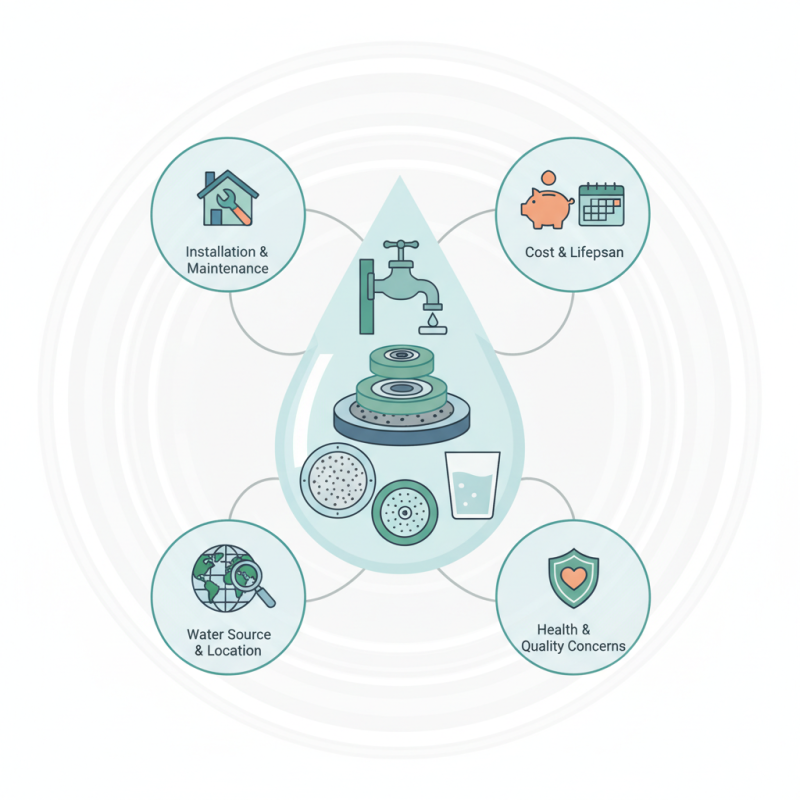
Selecting the best water filter requires careful consideration. Are you filtering tap water, well water, or other sources? Each scenario has its own challenges. The best choice will depend on your location, budget, and specific health concerns. As we dive deeper into this topic, reflect on what matters most for your water quality. Making a thoughtful choice is essential for you and your family.

How to Choose the Best Water Filter for Your Needs in 2026?

Understanding Your Water Quality and Contaminants

Understanding your water quality is essential for choosing the right filter. Start by testing your water for common contaminants. These can include chlorine, lead, bacteria, and nitrates. Testing kits are widely available and can provide immediate insights into your water's safety.

Once you identify the contaminants, you can better understand your filtration needs. For instance, if you live in an area with high lead levels, prioritize filters that specifically target heavy metals. Many people overlook sediment. This can affect taste and health, too. Clear water may still contain harmful particles.

Reflect on your daily water usage. Consider whether you want a point-of-use filter or a whole-house system. Each comes with trade-offs. Think about maintenance costs and the lifespan of filters. Understanding these aspects helps ensure you make an informed choice that suits your needs. Always remember: water quality can vary greatly by location and season. Stay updated and informed.

Water Contaminants Levels in Different Sources (2026)

Types of Water Filters Available in 2026

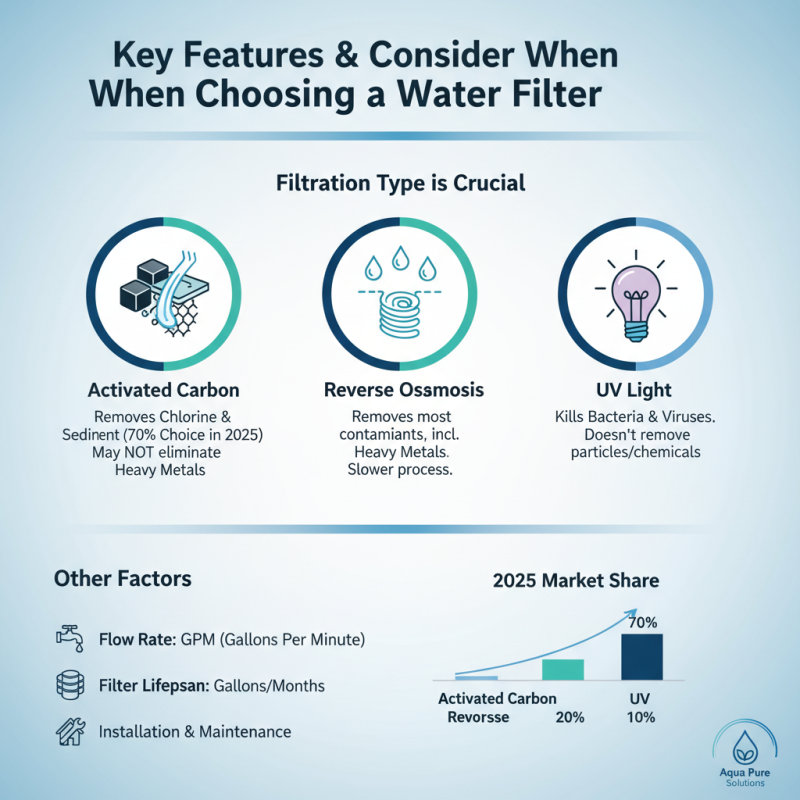
Choosing the right water filter in 2026 involves understanding the different types available. A common choice is activated carbon filters. They effectively remove chlorine and sediment. These filters can improve the taste and smell of water. However, they may not eliminate certain heavy metals.

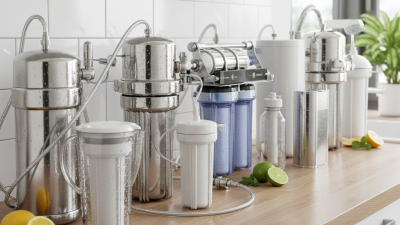
Reverse osmosis systems are another option. They use a semi-permeable membrane to filter out contaminants. This method is excellent for removing lead and other harmful substances. Yet, it can waste a significant amount of water during the filtration process. Users should consider this factor before purchasing.

Ultraviolet (UV) filters offer a unique approach. They kill bacteria and viruses by using UV light, ensuring water safety. However, they do not remove chemical contaminants. This limitation can be a critical drawback. Understanding these various types helps consumers make informed decisions based on their specific needs.

Key Features to Consider When Choosing a Water Filter

How to Choose the Best Water Filter for Your Needs in 2026?

When selecting a water filter, several key features need careful consideration. Filtration type is crucial; options include activated carbon, reverse osmosis, and UV light. In 2025, around 70% of water filter buyers chose activated carbon for its ability to remove chlorine and sediment efficiently. However, it may not eliminate heavy metals.

Flow rate also matters. A slow filter can be frustrating. For households requiring higher volumes, a model with a flow rate over 2 gallons per minute is ideal. Reports show that homeowners often overlook this aspect, leading to daily inconvenience. Maintenance frequency is often underestimated; filters need replacement every few months.

Moreover, consider certifications from reliable authorities. NSF International and the Water Quality Association provide standards that filters must meet. In a 2024 survey, over 60% of consumers trusted products with these certifications. This trust reflects a commitment to safety and effectiveness. Always check whether your choice meets these specifications to avoid regret later.

Evaluating Cost vs. Long-Term Benefits of Water Filters

When choosing a water filter, it's crucial to evaluate cost against long-term benefits. A lower-priced filter may save you money upfront but could lead to higher expenses later. You'll need to consider filter replacement costs, maintenance, and potential health benefits. Investing in a quality system may seem expensive now, yet it can provide savings over time.

Tips to keep in mind: Look for filters that remove specific contaminants pertinent to your water supply. Research local water quality reports. Getting a filter that lasts longer can save you effort and cost in the long run.

Keep in mind that some systems require more commitment. Installation might be difficult, and upkeep can be necessary. Assess your ability to maintain the filter regularly. The wrong choice now could lead to regrets later. Review your family’s water consumption patterns too; a busy household may require a more robust solution. Balancing cost and long-term benefits is essential for making a wise investment.

Maintenance and Replacement Considerations for Your Water Filter

How to Choose the Best Water Filter for Your Needs in 2026?

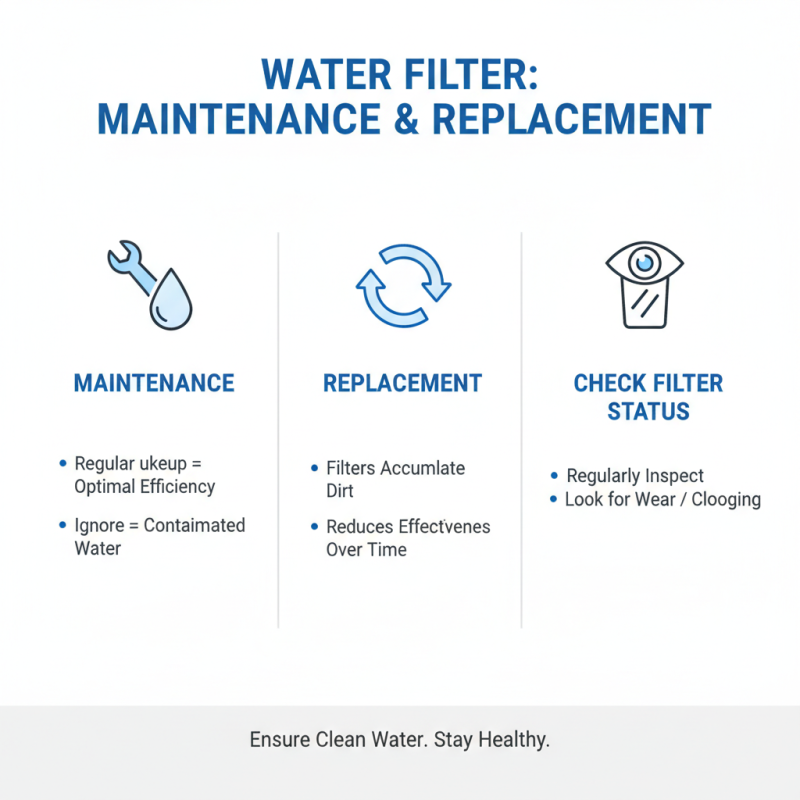
When choosing a water filter, maintenance and replacement play crucial roles. Regular upkeep ensures your filter operates at optimal efficiency. Ignoring maintenance can lead to contaminated water. Over time, filters accumulate dirt and impurities. This can reduce their effectiveness. It’s essential to check your filter’s status regularly. Look for signs of wear or clogging.

Replacement schedules often vary by model. Some filters need changing every three months; others last up to a year. Pay attention to your water quality and flow rate. If you notice any changes, it might be time for a replacement. Sometimes, manufacturers offer reminders or indicator lights. However, relying solely on these may neglect your assessment.

Consider how often you use your filter as well. A household with a large family consumes more water than a single person. This may require more frequent maintenance. Analyzing your usage and maintaining a log can help you stay ahead. Reflecting on these elements strengthens your decision-making process. Taking responsibility for maintenance helps safeguard your health.