Contaminant Comparison Chart

For a complete list of contaminants that PUR filters reduce, please view our Performance Data Sheets here.


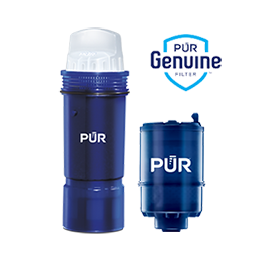
PUR & PUR PLUS FAUCET FILTERS
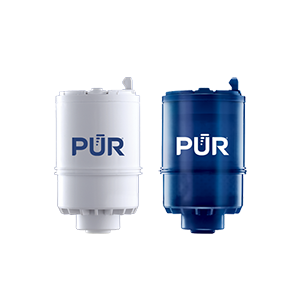
RF3375/RF9999

View Filters

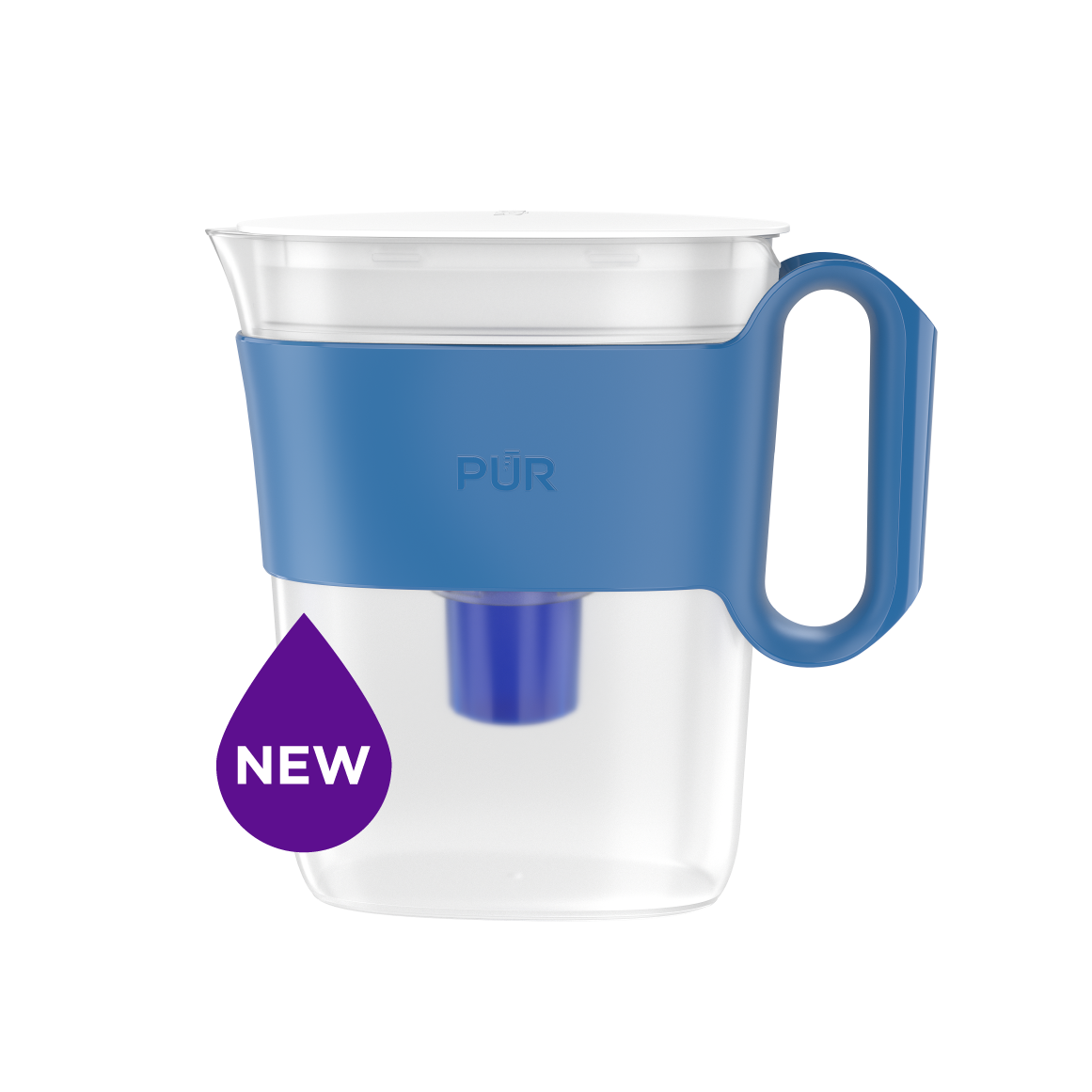
PUR PLUS PITCHER FILTERS
PPF951K

View Filter

PUR BASIC PITCHER FILTERS
PPF900Z

View Filter


Vs. Brita*

Lead
Microplastics
Mercury
Chlorine Taste & Odor
DEET
TTHM

PUR’s Filtration Systems Are Certified By NSF And WQA For Their Contamination Reduction. WQA certifications as of 5/27/21 for Faucet filter models RF-3375 and RF-9999.

¹ Certified to reduce 10X more chemical and physical substances than Brita’s® leading pitcher filter.
² Certified to reduce 3X more chemical and physical substances than Brita’s® leading pitcher filter.
³ Certified to reduce 2X more chemical and physical substances than Brita’s® leading pitcher filter.
*Versus best-selling Brita® pitcher filter OB03. Brita® is a trademark of Brita LP.
**Like other leading brands, PUR does not filter microbes. As of 3/1/23 Brita® and ZeroWater® were not certified to filter microbes. Brita® is a trademark of Brita LP. ZeroWater® is a trademark of Zero Technologies, LLC..
 

PUR & PUR PLUS FAUCET FILTERS


PUR & PUR PLUS FAUCET FILTERS
RF3375/RF9999

View Filters


Vs. Brita*

Lead
Microplastics
Mercury
Chlorine Taste & Odor
DEET
TTHM

PUR’s Filtration Systems Are Certified By NSF And WQA For Their Contamination Reduction. WQA certifications as of 5/27/21 for Faucet filter models RF-3375 and RF-9999.

¹ Certified to reduce 10X more chemical and physical substances than Brita’s® leading pitcher filter.
² Certified to reduce 3X more chemical and physical substances than Brita’s® leading pitcher filter.
³ Certified to reduce 2X more chemical and physical substances than Brita’s® leading pitcher filter.
*Versus best-selling Brita® pitcher filter OB03. Brita® is a trademark of Brita LP.
**Like other leading brands, PUR does not filter microbes. As of 3/1/23 Brita® and ZeroWater® were not certified to filter microbes. Brita® is a trademark of Brita LP. ZeroWater® is a trademark of Zero Technologies, LLC..
 

PUR PLUS PITCHER FILTERS


PUR PLUS PITCHER FILTERS
PPF951K

View Filter


Vs. Brita*

Lead
Microplastics
Mercury
Chlorine Taste & Odor
DEET
TTHM

PUR’s Filtration Systems Are Certified By NSF And WQA For Their Contamination Reduction. WQA certifications as of 5/27/21 for Faucet filter models RF-3375 and RF-9999.

¹ Certified to reduce 10X more chemical and physical substances than Brita’s® leading pitcher filter.
² Certified to reduce 3X more chemical and physical substances than Brita’s® leading pitcher filter.
³ Certified to reduce 2X more chemical and physical substances than Brita’s® leading pitcher filter.
*Versus best-selling Brita® pitcher filter OB03. Brita® is a trademark of Brita LP.
**Like other leading brands, PUR does not filter microbes. As of 3/1/23 Brita® and ZeroWater® were not certified to filter microbes. Brita® is a trademark of Brita LP. ZeroWater® is a trademark of Zero Technologies, LLC..

 

PUR BASIC PITCHER FILTERS


PUR BASIC PITCHER FILTERS
PPF900Z

View Filter


Vs. Brita*

Lead
Microplastics
Mercury
Chlorine Taste & Odor
DEET
TTHM

PUR’s Filtration Systems Are Certified By NSF And WQA For Their Contamination Reduction. WQA certifications as of 5/27/21 for Faucet filter models RF-3375 and RF-9999.

¹ Certified to reduce 10X more chemical and physical substances than Brita’s® leading pitcher filter.
² Certified to reduce 3X more chemical and physical substances than Brita’s® leading pitcher filter.
³ Certified to reduce 2X more chemical and physical substances than Brita’s® leading pitcher filter.
*Versus best-selling Brita® pitcher filter OB03. Brita® is a trademark of Brita LP.
**Like other leading brands, PUR does not filter microbes. As of 3/1/23 Brita® and ZeroWater® were not certified to filter microbes. Brita® is a trademark of Brita LP. ZeroWater® is a trademark of Zero Technologies, LLC..
 

2026 How to Choose the Best Water Filtration System for Your Home?

Choosing the right water filtration system for your home can be challenging. With so many options available, it’s hard to know what suits your needs best. Many homeowners overlook important factors, leading to regret later.

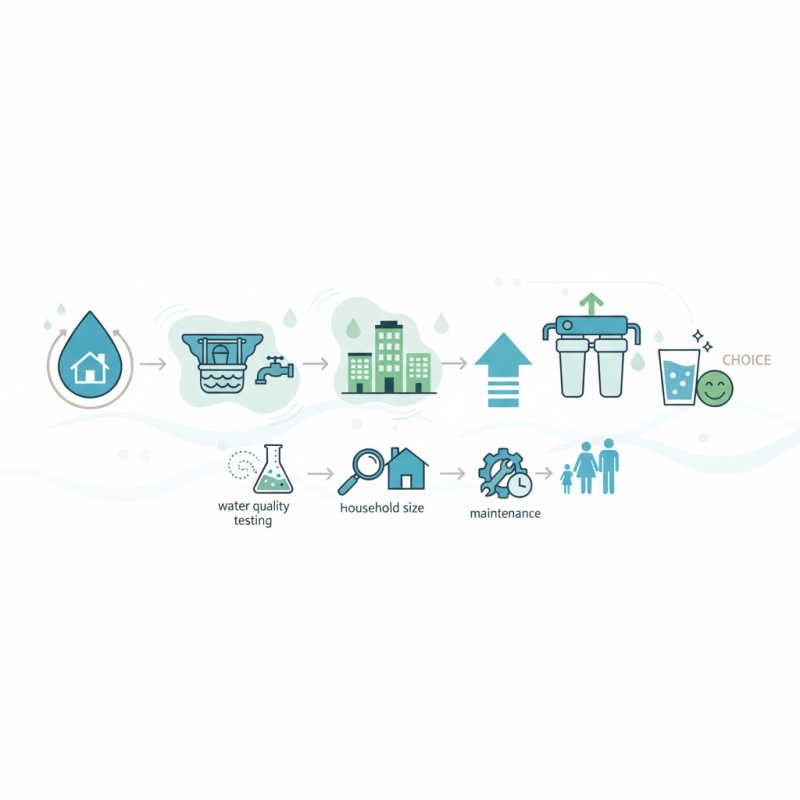
Consider your water source. Is it well water or municipal supply? Each has unique contaminants. A system that works for one may not work for the other. Diving into specifics, you need to evaluate your water quality. Get a water test kit to identify the pollutants present.

The size of your household also matters. A larger family may require a more robust filtration system. Think about maintenance as well. Some systems may seem convenient but can become a burden over time. Reflect on how much effort you are willing to invest after installation. With careful thought, you can find the best water filtration system for your home and ensure clean, safe drinking water.

2026 How to Choose the Best Water Filtration System for Your Home?

Understanding Water Filtration Systems: Types and Functions

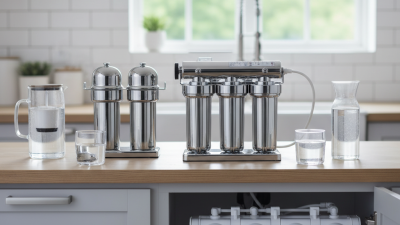
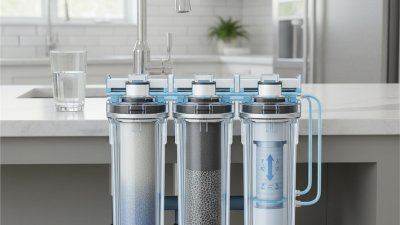
Water filtration systems come in various types, each serving specific needs. Understanding these options helps you choose the best fit for your home. Common types include activated carbon filters, reverse osmosis units, and UV purifiers. Activated carbon filters are popular; they reduce chlorine and improve taste. However, they do not eliminate all contaminants.

Reverse osmosis is more comprehensive. It removes heavy metals and other harmful substances. But, it can waste water. Some users find the process slow and may overlook this issue. UV purifiers use light to kill bacteria and viruses. They are effective but require electricity. People often forget to replace UV bulbs, which impacts performance.

Selecting the right filtration system requires careful consideration. Evaluate your local water quality first. Some contaminants may need specific treatment methods. This decision can feel overwhelming at times. Balancing efficiency, cost, and necessity is complex. Remember, a well-informed choice leads to safer drinking water.

Evaluating Your Home's Water Quality Before Filtration

2026 How to Choose the Best Water Filtration System for Your Home?

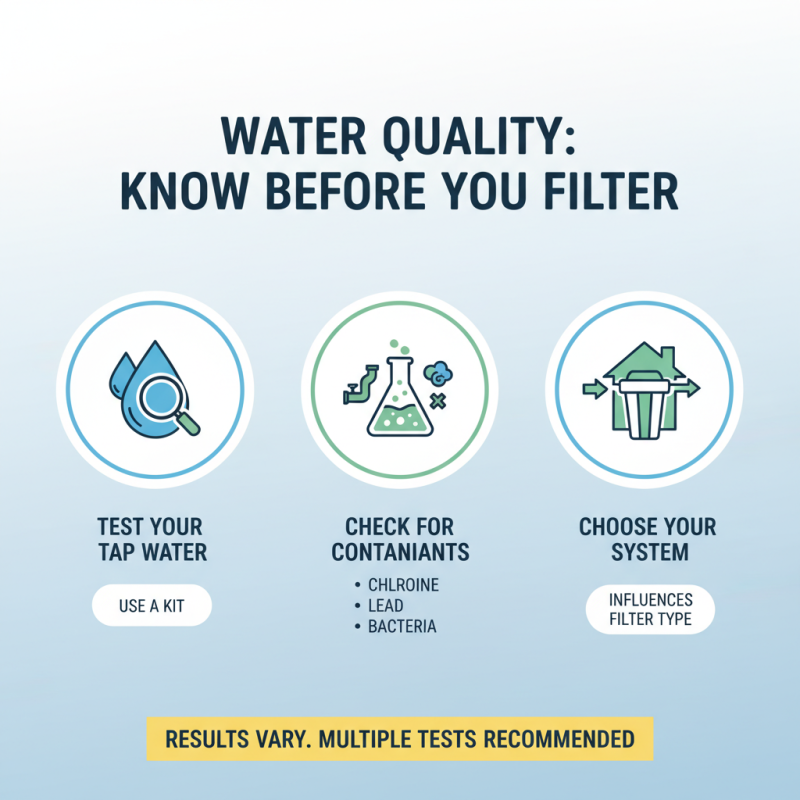
Before investing in a water filtration system, understanding your home's water quality is crucial. Test the water from your tap. Use a testing kit to check for contaminants. Look for issues like high chlorine levels, lead, or bacteria. These factors greatly influence the type of filtration system you need. Remember, results can vary, and a single test may not show the full picture.

Consider the sources of your water. Are you connected to municipal supply or well water? Each source can bring unique challenges. Municipal sources often have chlorine or fluoride, while well water might contain minerals or pathogens. Reflect on how these elements affect your health. A basic filter may suffice for clear tap water, but serious contaminants require advanced systems. Don't overlook the importance of regular testing. Even if your water seems fine now, problems can arise.

Think about your family's needs. Do you consume a lot of water daily? Are there specific health concerns? These questions can guide your decision. It's important to weigh the filtration options available. A more complex system might seem expensive initially, but it can save money in the long run. Lastly, it’s essential to regularly maintain whatever system you choose. Neglecting this can lead to more issues over time, compromising your water quality again.

Key Factors to Consider When Choosing a Filtration System

Choosing a water filtration system can be overwhelming. Numerous factors need consideration. Assessing your water quality is crucial. You might find contaminants like chlorine, lead, or bacteria. Testing kits can help identify these issues. Once you know what’s in your water, you can make an informed decision.

The type of filtration system is also important. Options include activated carbon, reverse osmosis, and UV filters. Each system works differently. They target specific contaminants. For example, reverse osmosis is effective for heavy metals but may waste water. Understanding the pros and cons of each helps narrow your choices.

Remember to consider maintenance and filter replacement costs. Some systems require frequent changes, which can add up. You might not think about this initially, but it matters. And don’t forget about installation. Some units are user-friendly, while others may need professionals. Reflecting on your needs will guide you toward the best system for your home.

Comparing Costs: Installation and Maintenance of Filtration Systems

2026 How to Choose the Best Water Filtration System for Your Home?

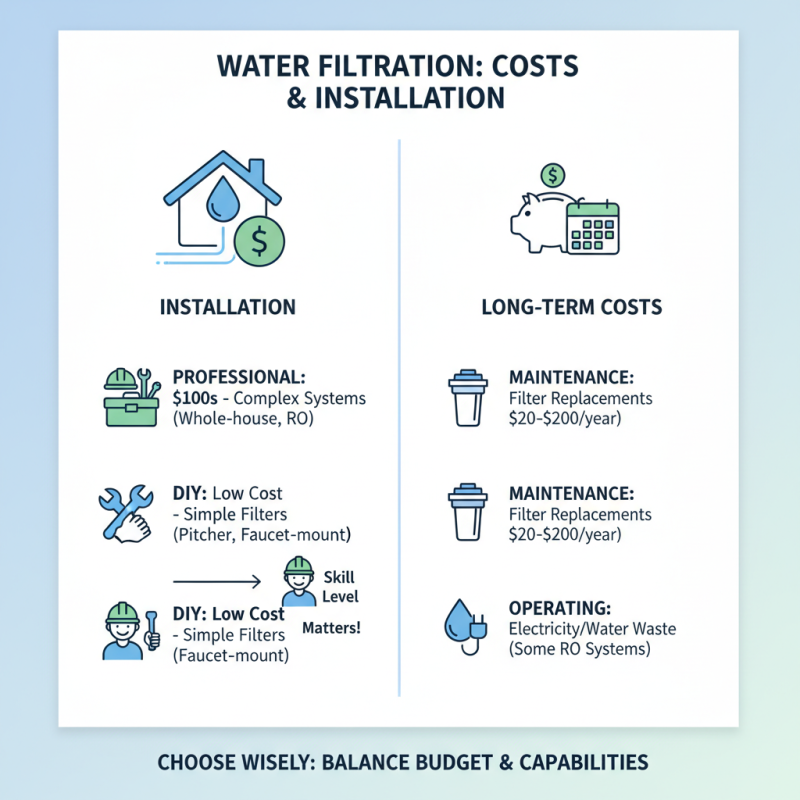
When choosing a water filtration system, costs matter. Installation and maintenance can vary widely. Some systems need professional installation, costing hundreds of dollars. Others are simple enough for DIY enthusiasts. Think about your skill level before deciding. Consider the long-term upkeep as well.

Maintenance costs can include filter replacements and system checks. Some filters last for six months; others may need changing every two years. It can be tricky to estimate these expenses. Many homeowners overlook them. Also, water quality in your area affects filter longevity. Hard water might clog filters faster than expected.

Reflect on your water usage habits too. If you consume a lot, the system needs frequent maintenance. Conversely, lighter usage may reduce costs. Weigh these factors carefully. A well-chosen system can save you money in the long run, but understanding potential pitfalls is critical.

Making an Informed Decision: Reviews and Recommendations for Systems

When choosing a water filtration system, it's essential to understand your specific needs. Consider the water quality in your area. Testing your water can reveal contaminants like lead or chlorine. This knowledge guides you toward the right system.

There are several types of filtration systems. Activated carbon filters can remove unpleasant tastes and odors. Reverse osmosis units tend to eliminate a broader range of contaminants. However, they may waste water during the filtration process. Evaluate whether the efficiency is worth it for you.

User reviews are invaluable in this decision. They offer real-life experiences with a system. Look for patterns in feedback. Some users may struggle with maintenance or installation. Others might praise the taste and clarity of their water. Dive deeper into these opinions. They can illuminate aspects you might not have considered.