
Contaminant Comparison Chart

For a complete list of contaminants that PUR filters reduce, please view our Performance Data Sheets here.


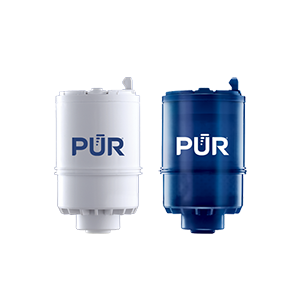
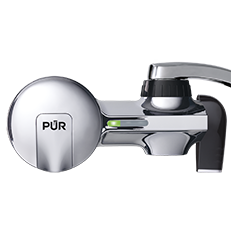
PUR & PUR PLUS FAUCET FILTERS
RF3375/RF9999

View Filters

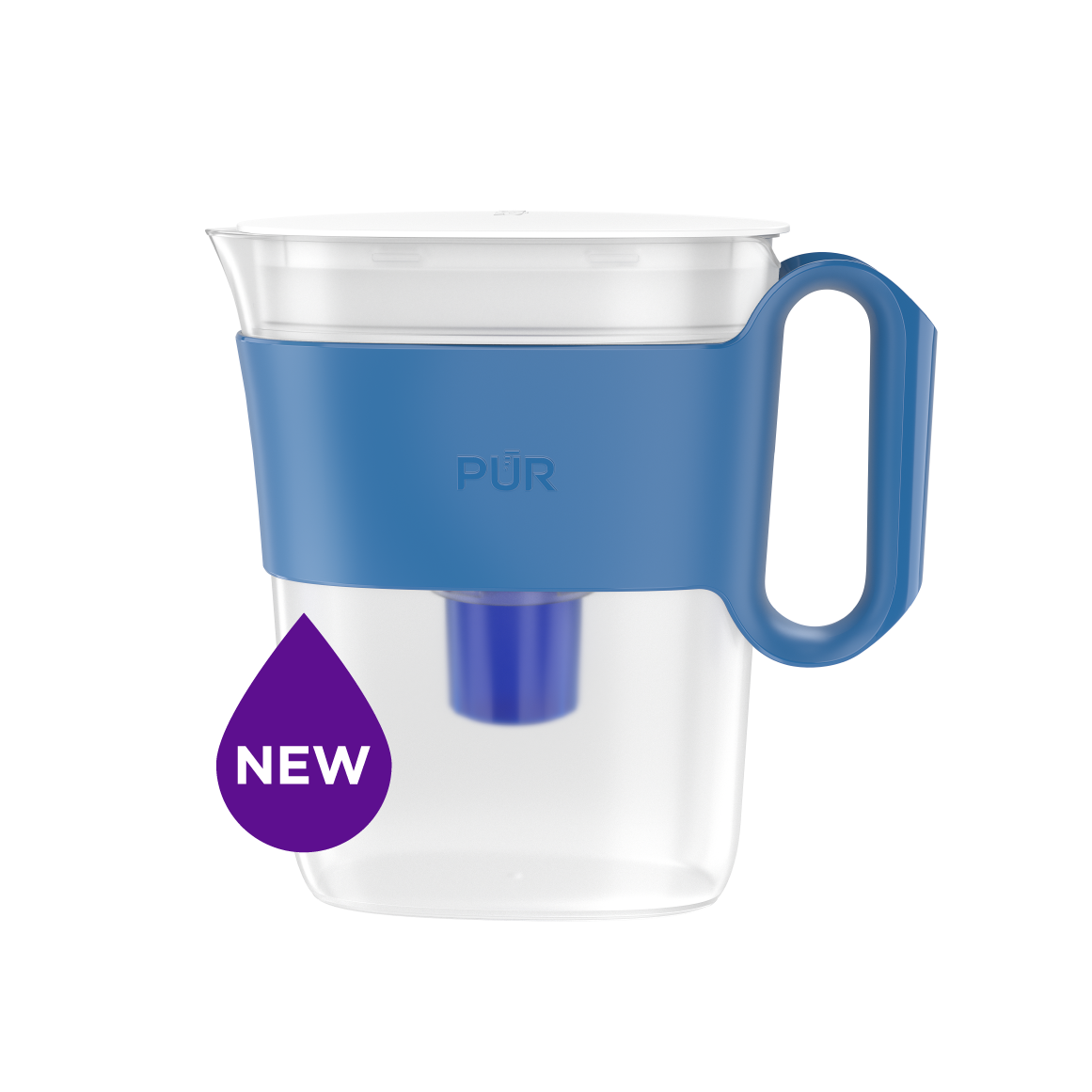
PUR PLUS PITCHER FILTERS
PPF951K

View Filter

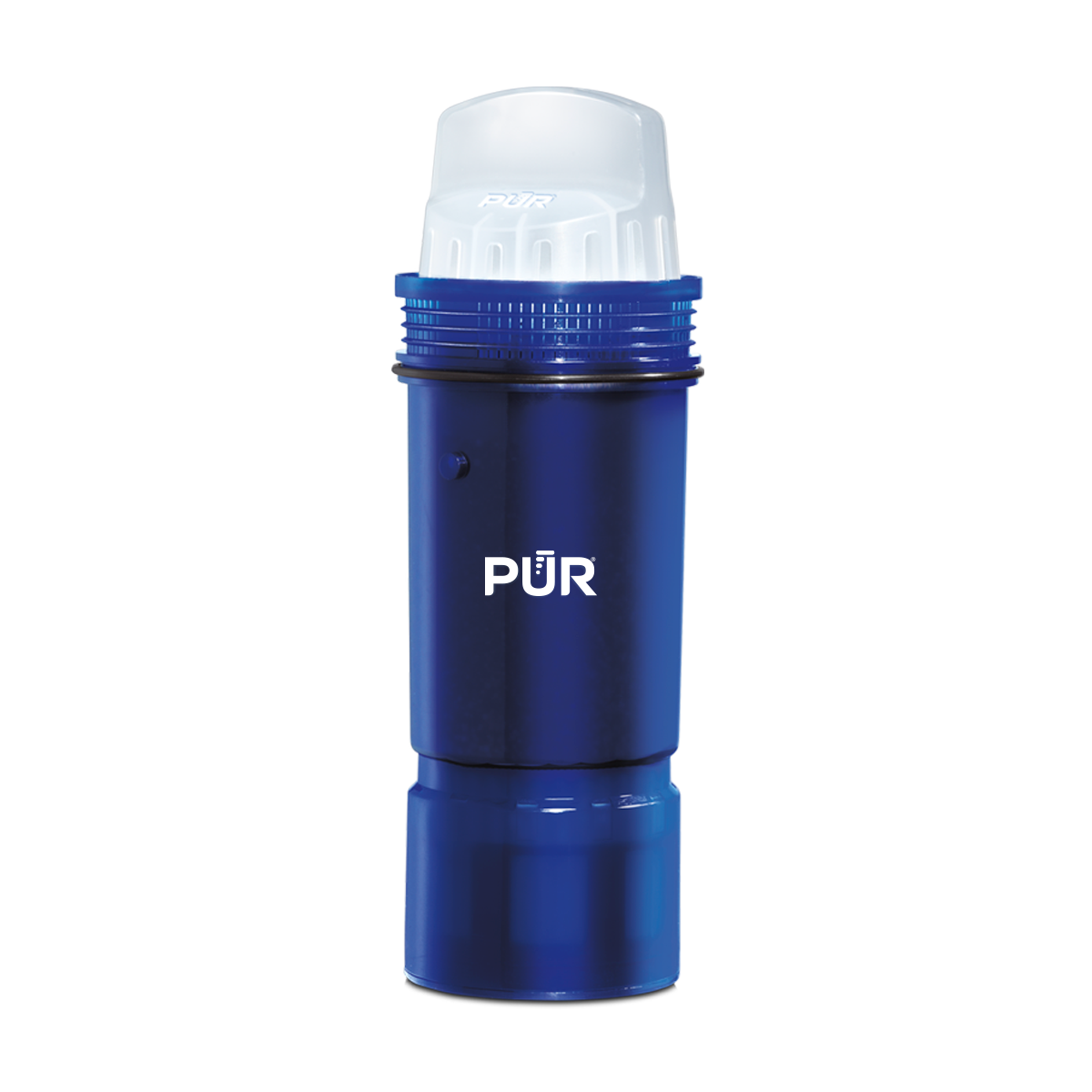
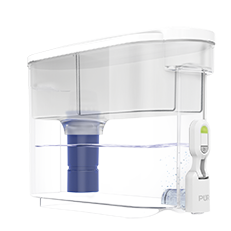
PUR BASIC PITCHER FILTERS
PPF900Z

View Filter


Vs. Brita*

Lead
Microplastics
Mercury
Chlorine Taste & Odor
DEET
TTHM

PUR’s Filtration Systems Are Certified By NSF And WQA For Their Contamination Reduction. WQA certifications as of 5/27/21 for Faucet filter models RF-3375 and RF-9999.

¹ Certified to reduce 10X more chemical and physical substances than Brita’s® leading pitcher filter.
² Certified to reduce 3X more chemical and physical substances than Brita’s® leading pitcher filter.
³ Certified to reduce 2X more chemical and physical substances than Brita’s® leading pitcher filter.
*Versus best-selling Brita® pitcher filter OB03. Brita® is a trademark of Brita LP.
**Like other leading brands, PUR does not filter microbes. As of 3/1/23 Brita® and ZeroWater® were not certified to filter microbes. Brita® is a trademark of Brita LP. ZeroWater® is a trademark of Zero Technologies, LLC..
 

PUR & PUR PLUS FAUCET FILTERS


PUR & PUR PLUS FAUCET FILTERS
RF3375/RF9999

View Filters


Vs. Brita*

Lead
Microplastics
Mercury
Chlorine Taste & Odor
DEET
TTHM

PUR’s Filtration Systems Are Certified By NSF And WQA For Their Contamination Reduction. WQA certifications as of 5/27/21 for Faucet filter models RF-3375 and RF-9999.

¹ Certified to reduce 10X more chemical and physical substances than Brita’s® leading pitcher filter.
² Certified to reduce 3X more chemical and physical substances than Brita’s® leading pitcher filter.
³ Certified to reduce 2X more chemical and physical substances than Brita’s® leading pitcher filter.
*Versus best-selling Brita® pitcher filter OB03. Brita® is a trademark of Brita LP.
**Like other leading brands, PUR does not filter microbes. As of 3/1/23 Brita® and ZeroWater® were not certified to filter microbes. Brita® is a trademark of Brita LP. ZeroWater® is a trademark of Zero Technologies, LLC..


PUR PLUS PITCHER FILTERS


PUR PLUS PITCHER FILTERS
PPF951K

View Filter


Vs. Brita*

Lead
Microplastics
Mercury
Chlorine Taste & Odor
DEET
TTHM

PUR’s Filtration Systems Are Certified By NSF And WQA For Their Contamination Reduction. WQA certifications as of 5/27/21 for Faucet filter models RF-3375 and RF-9999.

¹ Certified to reduce 10X more chemical and physical substances than Brita’s® leading pitcher filter.
² Certified to reduce 3X more chemical and physical substances than Brita’s® leading pitcher filter.
³ Certified to reduce 2X more chemical and physical substances than Brita’s® leading pitcher filter.
*Versus best-selling Brita® pitcher filter OB03. Brita® is a trademark of Brita LP.
**Like other leading brands, PUR does not filter microbes. As of 3/1/23 Brita® and ZeroWater® were not certified to filter microbes. Brita® is a trademark of Brita LP. ZeroWater® is a trademark of Zero Technologies, LLC..


PUR BASIC PITCHER FILTERS


PUR BASIC PITCHER FILTERS
PPF900Z

View Filter


Vs. Brita*

Lead
Microplastics
Mercury
Chlorine Taste & Odor
DEET
TTHM

PUR’s Filtration Systems Are Certified By NSF And WQA For Their Contamination Reduction. WQA certifications as of 5/27/21 for Faucet filter models RF-3375 and RF-9999.

¹ Certified to reduce 10X more chemical and physical substances than Brita’s® leading pitcher filter.
² Certified to reduce 3X more chemical and physical substances than Brita’s® leading pitcher filter.
³ Certified to reduce 2X more chemical and physical substances than Brita’s® leading pitcher filter.
*Versus best-selling Brita® pitcher filter OB03. Brita® is a trademark of Brita LP.
**Like other leading brands, PUR does not filter microbes. As of 3/1/23 Brita® and ZeroWater® were not certified to filter microbes. Brita® is a trademark of Brita LP. ZeroWater® is a trademark of Zero Technologies, LLC..


How to Choose the Perfect Dressing Table for Your Space?

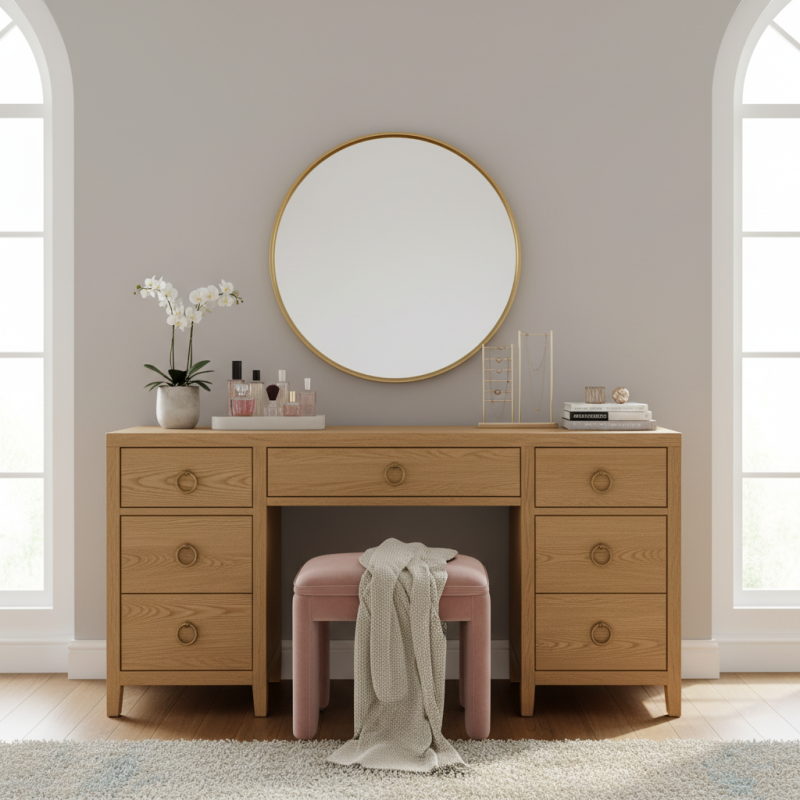
Choosing the perfect Dressing table can be a delightful yet challenging task. A dressing table is more than just a piece of furniture; it is a reflection of your personal style. When selecting a dressing table, consider the space you have available. Room size and layout play a crucial role in your choice. A compact design might be ideal for smaller rooms, while larger spaces can accommodate more ornate tables.

Think about functionality as well. A dressing table should provide sufficient storage for your cosmetics, jewelry, and other personal items. Look for tables with drawers or shelves to keep your essentials organized. Take measurements before making a purchase. This ensures the table fits seamlessly into your space and complements your existing decor.

Don't overlook the aesthetic appeal. The design, color, and material of the dressing table should resonate with your style. However, remember that perfection is subjective. You might find a table that meets most of your criteria but lacks in one aspect. Reflecting on your priorities can help you make the best choice while embracing the imperfections in your selection process.

How to Choose the Perfect Dressing Table for Your Space?

Selecting the Right Size of Dressing Table for Your Space

Choosing the right size for your dressing table is essential for maximizing both functionality and aesthetics in your space. Measure the area where you plan to place the table. Consider the width, depth, and height. A dressing table should complement the room's dimensions. A piece that is too large can overwhelm a small space. Conversely, a smaller table may seem lost in a grand room.

Think about your needs. If you have a lot of makeup and accessories, a larger table with extra drawers is beneficial. Yet, if you have minimal needs, a compact table may suffice. Keep in mind the available space for movement. You want to avoid a cramped feeling. It's vital to leave enough room to open drawers and sit comfortably.

Visualize how your dressing table fits within your overall decor. The color and material should align with the room's style. A mismatched table can disturb the harmony of the space, leading to regrets. Make a note of how light interacts with the surface of the table. Reflection and brightness can enhance the area significantly, or make it feel cluttered. Each detail counts in creating a functional yet stylish dressing area.

Understanding Different Styles of Dressing Tables: Pros and Cons

When choosing a dressing table, style matters. Different styles offer unique benefits and challenges. Traditional dressing tables often feature ornate designs. These can add elegance to a room. However, they may take up more space than modern options. This could be an issue in smaller spaces.

Contemporary dressing tables tend to be sleek and minimalistic. They fit in well with modern décor. These tables often have hidden storage, which helps keep the area tidy. Yet, their minimalist nature might not provide enough character for some. You may find this a challenge if you prefer more decorative elements.

Tips: Measure your space before purchasing. This ensures the table fits comfortably. Also, consider your storage needs. A unit with drawers can help organize your cosmetics and accessories. Reflect on your personal style and how it blends with your existing furniture. Choosing the right dressing table can enhance your daily routine.

How to Choose the Perfect Dressing Table for Your Space?

Choosing the Right Materials: Durability and Aesthetics Considerations

When selecting the right materials for a dressing table, durability and aesthetics are crucial factors. According to industry reports, over 70% of consumers prioritize durability when choosing furniture. Materials like solid wood, metal, and high-quality MDF often top those lists. Solid wood offers strength and timeless appeal, while metal frames can add an industrial touch. However, finding the perfect balance can be challenging. High-quality materials can be more expensive, potentially leading to buyer's remorse.

In terms of aesthetics, the finish of the materials plays a significant role. A 2022 survey indicated that 60% of consumers find a visually appealing dressing table enhances their space. Matte finishes often give a modern vibe, contrasting beautifully with glossy surfaces. Yet, opting for glam over practicality can backfire. High-gloss surfaces may require more maintenance and can show fingerprints easily. It’s essential to reflect on the long-term needs of your space. Choosing materials that align with both your visual goals and lifestyle demands can lead to regrets down the line.

While prioritizing aesthetics, remember that functionality matters. The dressing table should fit your habits. For example, a glass surface may look sleek but can be impractical for everyday use. In contrast, a sturdy wooden table can withstand daily wear and tear. Ensuring your choice meets both aesthetic desires and practical requirements is vital for a fulfilling purchase.

Incorporating Lighting Solutions for Optimal Vanity Use

When choosing the perfect dressing table, lighting options significantly impact functionality. Proper lighting is essential for makeup application and grooming. According to a report by the American Society of Interior Designers, 70% of users complain about inadequate lighting conditions at their vanity setups. This dissatisfaction can lead to poor makeup application and reduced confidence.

Incorporating various lighting solutions enhances the ambiance. Soft, diffused lighting mimics natural daylight, allowing for better color matching. LED strip lights are a popular choice for many dressing tables, offering adjustable brightness. A survey conducted by the National Kitchen and Bath Association suggests a growing trend: more than 60% of homeowners now prioritize layering lighting for their vanity spaces. Positioning lights on either side of a mirror minimizes shadows, making routines smoother.

Though many opt for bright white lights, it’s essential to reflect on personal preferences. Not everyone thrives under high-intensity lighting. Some might prefer a warmer tone for a cozy feel. This is where customization becomes vital. Experimenting with light fixtures can lead to a more personalized routine. Ideal lighting ultimately enhances the dressing room experience, promoting better self-care practices.

How to Choose the Perfect Dressing Table for Your Space? - Incorporating Lighting Solutions for Optimal Vanity Use

Dimension Recommendations Lighting Solutions
Space Size Small (under 50 sq. ft.) Wall-mounted mirror lights
Space Size Medium (50 - 100 sq. ft.) Vanity strip lights
Space Size Large (over 100 sq. ft.) Chandeliers or pendant lights
Style Preference Modern Integrated LED lights
Style Preference Classic Vintage sconces
Functionality Multi-purpose Adjustable lighting
Functionality Minimalist Simple LED bulbs

Functionality Features to Look for in a Dressing Table

When selecting a dressing table, focus on functionality. Consider your daily routine. A well-designed dressing table should fit your personal habits. Look for features like storage space for cosmetics and toiletries. Drawers or compartments are essential for keeping items organized. This will save time during your busy mornings.


Lighting is another critical aspect. A dressing table with built-in lights can enhance your makeup application. Soft, adjustable lighting makes a significant difference. Not all models have perfect lighting, so check for brightness levels before deciding.


The height is key. Ensure the table's height suits your needs. You don’t want to strain your back while getting ready. Reflect on your space and choose a style that complements your decor. Remember, the perfect dressing table should blend practicality with aesthetics, but it may not be flawless. Embrace the process of choosing carefully; it requires thought and reflection.