
Contaminant Comparison Chart

For a complete list of contaminants that PUR filters reduce, please view our Performance Data Sheets here.


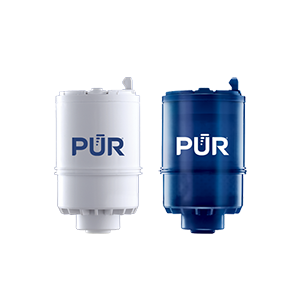
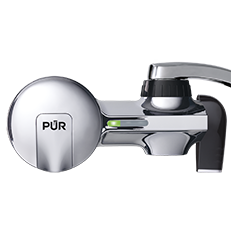
PUR & PUR PLUS FAUCET FILTERS
RF3375/RF9999

View Filters

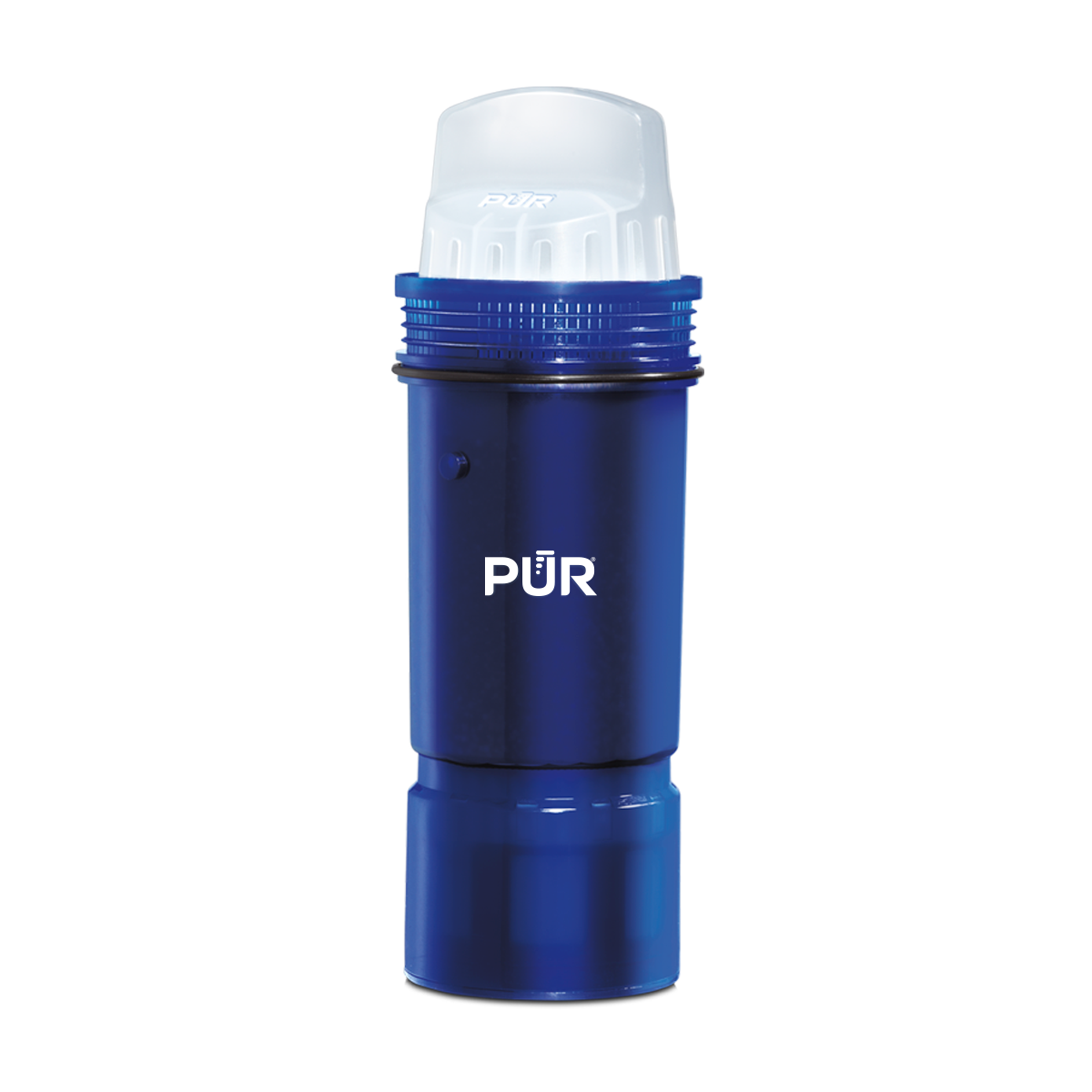
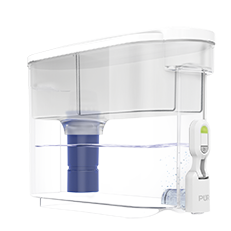
PUR PLUS PITCHER FILTERS
PPF951K

View Filter

PUR BASIC PITCHER FILTERS
PPF900Z

View Filter


Vs. Brita*

Lead
Microplastics
Mercury
Chlorine Taste & Odor
DEET
TTHM

PUR’s Filtration Systems Are Certified By NSF And WQA For Their Contamination Reduction. WQA certifications as of 5/27/21 for Faucet filter models RF-3375 and RF-9999.

¹ Certified to reduce 10X more chemical and physical substances than Brita’s® leading pitcher filter.
² Certified to reduce 3X more chemical and physical substances than Brita’s® leading pitcher filter.
³ Certified to reduce 2X more chemical and physical substances than Brita’s® leading pitcher filter.
*Versus best-selling Brita® pitcher filter OB03. Brita® is a trademark of Brita LP.
**Like other leading brands, PUR does not filter microbes. As of 3/1/23 Brita® and ZeroWater® were not certified to filter microbes. Brita® is a trademark of Brita LP. ZeroWater® is a trademark of Zero Technologies, LLC..
 

PUR & PUR PLUS FAUCET FILTERS


PUR & PUR PLUS FAUCET FILTERS
RF3375/RF9999

View Filters


Vs. Brita*

Lead
Microplastics
Mercury
Chlorine Taste & Odor
DEET
TTHM

PUR’s Filtration Systems Are Certified By NSF And WQA For Their Contamination Reduction. WQA certifications as of 5/27/21 for Faucet filter models RF-3375 and RF-9999.

¹ Certified to reduce 10X more chemical and physical substances than Brita’s® leading pitcher filter.
² Certified to reduce 3X more chemical and physical substances than Brita’s® leading pitcher filter.
³ Certified to reduce 2X more chemical and physical substances than Brita’s® leading pitcher filter.
*Versus best-selling Brita® pitcher filter OB03. Brita® is a trademark of Brita LP.
**Like other leading brands, PUR does not filter microbes. As of 3/1/23 Brita® and ZeroWater® were not certified to filter microbes. Brita® is a trademark of Brita LP. ZeroWater® is a trademark of Zero Technologies, LLC..


PUR PLUS PITCHER FILTERS


PUR PLUS PITCHER FILTERS
PPF951K

View Filter


Vs. Brita*

Lead
Microplastics
Mercury
Chlorine Taste & Odor
DEET
TTHM

PUR’s Filtration Systems Are Certified By NSF And WQA For Their Contamination Reduction. WQA certifications as of 5/27/21 for Faucet filter models RF-3375 and RF-9999.

¹ Certified to reduce 10X more chemical and physical substances than Brita’s® leading pitcher filter.
² Certified to reduce 3X more chemical and physical substances than Brita’s® leading pitcher filter.
³ Certified to reduce 2X more chemical and physical substances than Brita’s® leading pitcher filter.
*Versus best-selling Brita® pitcher filter OB03. Brita® is a trademark of Brita LP.
**Like other leading brands, PUR does not filter microbes. As of 3/1/23 Brita® and ZeroWater® were not certified to filter microbes. Brita® is a trademark of Brita LP. ZeroWater® is a trademark of Zero Technologies, LLC..


PUR BASIC PITCHER FILTERS


PUR BASIC PITCHER FILTERS
PPF900Z

View Filter


Vs. Brita*

Lead
Microplastics
Mercury
Chlorine Taste & Odor
DEET
TTHM

PUR’s Filtration Systems Are Certified By NSF And WQA For Their Contamination Reduction. WQA certifications as of 5/27/21 for Faucet filter models RF-3375 and RF-9999.

¹ Certified to reduce 10X more chemical and physical substances than Brita’s® leading pitcher filter.
² Certified to reduce 3X more chemical and physical substances than Brita’s® leading pitcher filter.
³ Certified to reduce 2X more chemical and physical substances than Brita’s® leading pitcher filter.
*Versus best-selling Brita® pitcher filter OB03. Brita® is a trademark of Brita LP.
**Like other leading brands, PUR does not filter microbes. As of 3/1/23 Brita® and ZeroWater® were not certified to filter microbes. Brita® is a trademark of Brita LP. ZeroWater® is a trademark of Zero Technologies, LLC..


Why Choose Pneumatic Actuator Components for Your Business?

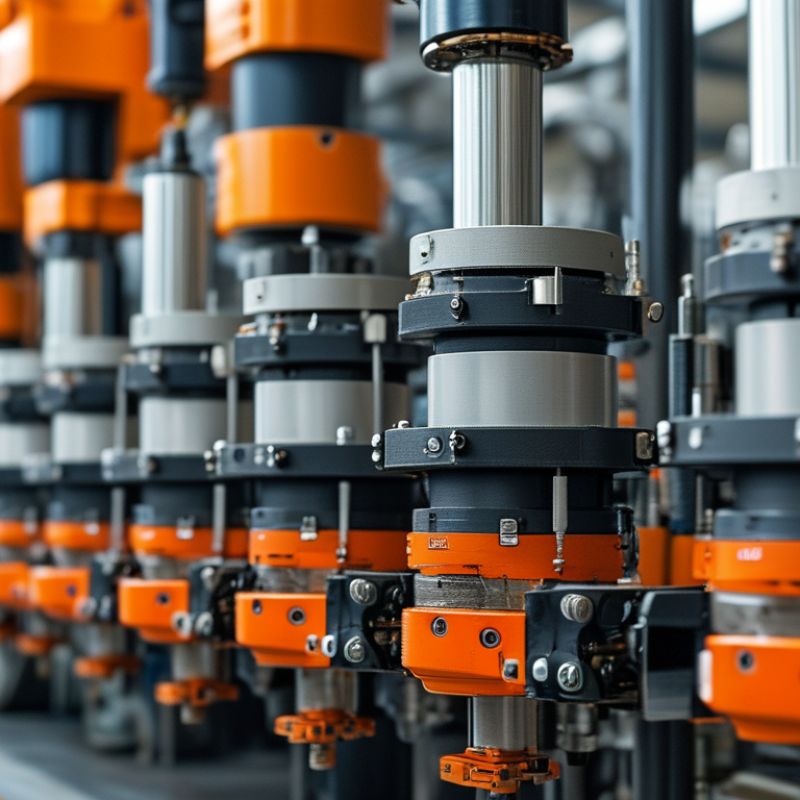
When considering the efficiency of operations, businesses often overlook the importance of Pneumatic Actuator Components. These components play a critical role in automation systems. Their design and functionality are at the heart of many industrial processes. They help control movement and pressure with remarkable precision.

The reliability of Pneumatic Actuator Components cannot be overstated. Many industries depend on them for efficient operation. The responsive nature of these actuators meets the demands of various applications. They enable quick and accurate movements, which can lead to increased productivity.

Yet, the choice of Pneumatic Actuator Components should not be taken lightly. Each application has unique requirements. Selecting the right components demands careful consideration. It's essential to evaluate factors like the working environment and specific operational needs. When done correctly, businesses can enhance their performance while minimizing downtime and costs.

Why Choose Pneumatic Actuator Components for Your Business?

Advantages of Pneumatic Actuator Components in Industrial Systems

Pneumatic actuators hold distinct advantages in industrial systems. They provide quick response times, essential for tasks requiring precision and speed. Their design often allows for easier installation compared to electric actuators. This can lead to reduced downtime, enhancing overall productivity.

Reliability is another key aspect. Pneumatic systems typically require fewer components, decreasing the chance of failure. However, compressed air sources may need regular maintenance. Operators should ensure that air quality is consistently monitored. Contaminants in the air can lead to actuator issues over time.

Energy efficiency plays a significant role. Pneumatic actuators use less energy than many electric alternatives, especially in high-cycle applications. Still, it is crucial to assess the entire system’s energy needs before choosing pneumatic options. Although they can be incredibly efficient, improper setup can negate these benefits. Identifying the right fit for your specific process is vital.

Key Applications of Pneumatic Actuators Across Various Industries

Pneumatic actuators are vital components in numerous industries, offering quick and efficient operations. They convert compressed air into mechanical motion. This makes them ideal for applications requiring rapid movement and precise control. Areas like automotive manufacturing and food processing rely heavily on pneumatic actuators for automation and efficiency.

In automotive industries, pneumatic actuators assist in assembly lines. They help position and secure parts swiftly. This reduces the time taken on tasks, enhancing productivity. In food processing, hygiene is crucial. Pneumatic systems are easy to clean and maintain, meeting health regulations.

**Tip:** Regular maintenance of pneumatic actuators is essential. Check for air leaks and ensure proper lubrication. It helps in extending the lifespan of the components.

Another key application is in packaging. Pneumatic actuators control mechanisms for sealing and labeling. They ensure products are packaged quickly and accurately. This improves throughput and reduces waste.

**Tip:** When integrating pneumatic actuators, consider the specific needs of your application. Pay attention to the pressure requirements and response times. Small adjustments can lead to significant efficiency gains.

Key Applications of Pneumatic Actuators Across Various Industries

Comparative Analysis: Pneumatic vs. Electric Actuators in Performance

When deciding between pneumatic and electric actuators, performance is a crucial factor. Pneumatic actuators often provide faster response times. They excel in applications needing quick and powerful movements. Their operation relies on compressed air, allowing for immediate force generation. However, this reliance can lead to fluctuations in power output depending on air supply consistency.

Electric actuators shine in precision applications. They offer fine control, sometimes surpassing pneumatic options. Electric systems enjoy minimal maintenance, as they lack moving parts associated with air compressors. Yet, they may struggle with high-speed applications. The initial setup cost is often higher than that of pneumatic systems. It’s worth noting that larger installations might require careful planning for electric actuator wiring.

Tips: When considering actuator options, evaluate your specific needs. If quick stops and starts are vital, prioritize pneumatic systems. If precision is key, electric might be the better choice. Always factor in maintenance commitments as well. Balancing power with control can lead to more informed decisions.

Cost-Effectiveness of Pneumatic Actuator Solutions in Automation

Pneumatic actuators have gained significant traction in automation due to their cost-effectiveness. According to industry reports, manufacturing businesses can save up to 30% on operational costs by switching to pneumatic systems. This reduction is primarily due to lower energy consumption and maintenance requirements. Pneumatic actuators use compressed air, which can be sourced inexpensively, especially when compared to electric systems that often come with high initial setup costs.

Reliability is crucial in automation. Reports indicate that pneumatic systems can operate effectively in harsh environments. This durability translates into fewer breakdowns and repairs, further enhancing their appeal in industrial settings. A study highlighted that poorly chosen actuators can lead to a 15% increase in downtime, which negatively impacts productivity. Companies must weigh their options carefully. Air leaks, a common issue, can also diminish efficiency and raise costs.

However, not all applications suit pneumatic actuators. Some tasks require precise control beyond what pneumatic systems can offer. Understanding this balance is vital for businesses seeking to optimize performance. Selecting the right actuator involves assessing specific needs and operational conditions. The decision should hinge on both immediate cost benefits and long-term reliability.

Future Trends: Innovations in Pneumatic Actuator Technologies and Materials

Pneumatic actuators are evolving rapidly. Innovations are transforming how industries operate. New materials enhance performance while reducing costs. Lightweight composites are becoming more common. These materials improve durability and efficiency.

Advancements in smart technology are key. Integration with IoT is on the rise. Sensors embedded in actuators allow real-time monitoring. This capability improves responsiveness and maintenance scheduling. Industries can minimize downtime significantly with predictive analytics.

Despite the progress, challenges remain. Not all actuators are adaptable to new technologies. Some users face integration hurdles. Understanding current limitations is crucial for choosing the right components. Staying informed about trends can help businesses leverage future advancements effectively.