Contaminant Comparison Chart

For a complete list of contaminants that PUR filters reduce, please view our Performance Data Sheets here.


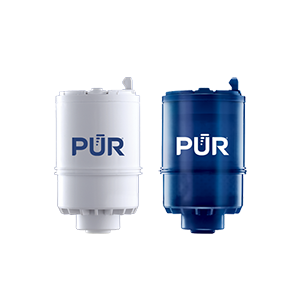
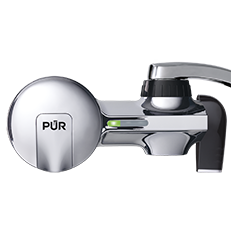
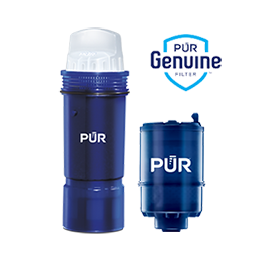
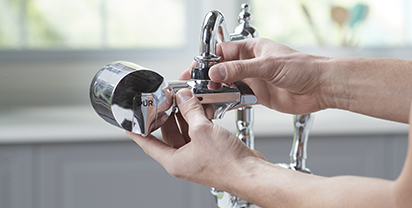
PUR & PUR PLUS FAUCET FILTERS
RF3375/RF9999

View Filters

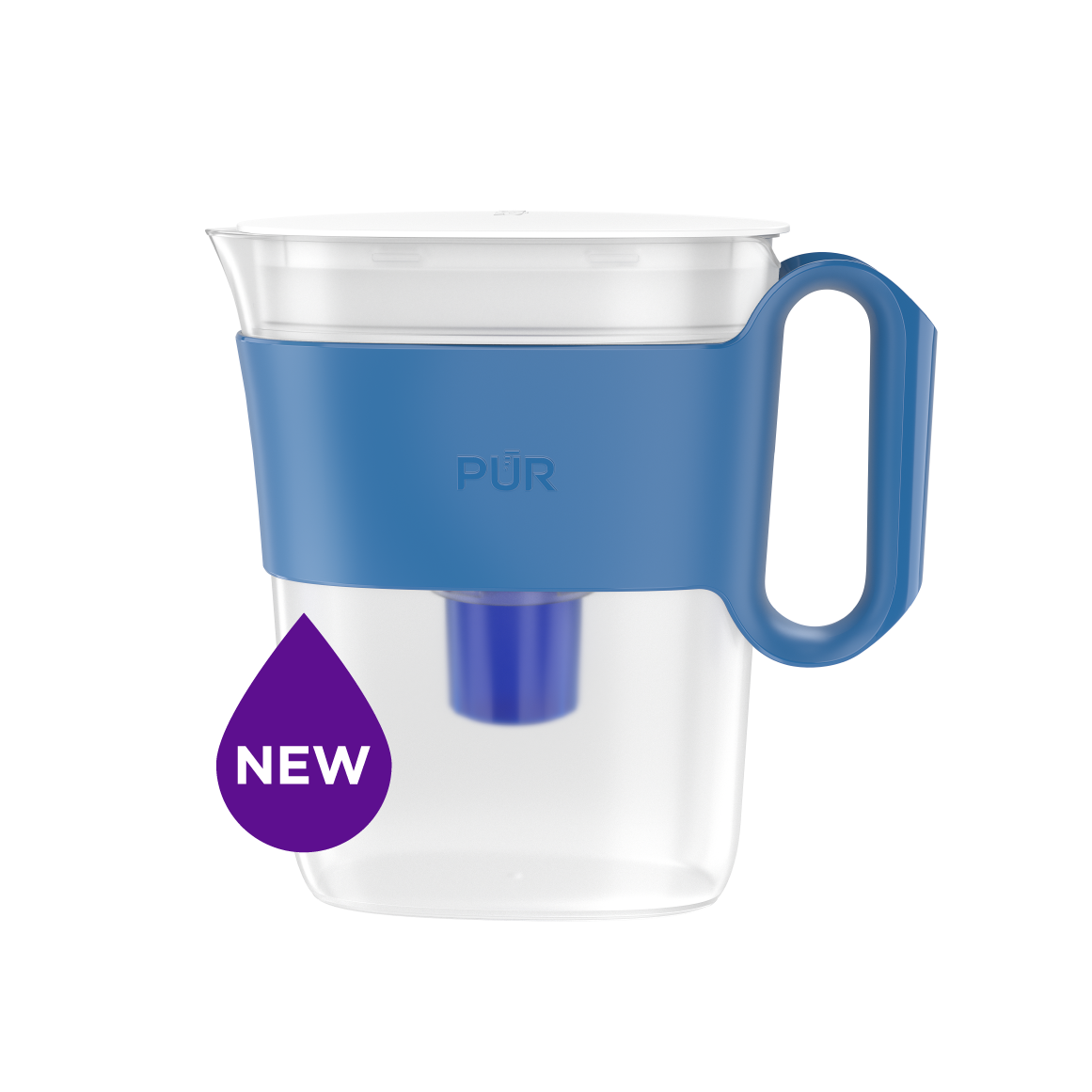
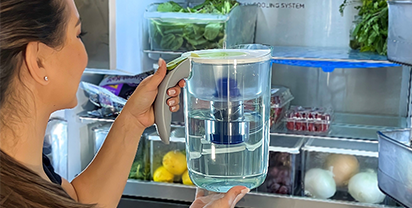
PUR PLUS PITCHER FILTERS
PPF951K

View Filter

PUR BASIC PITCHER FILTERS
PPF900Z

View Filter


Vs. Brita*

Lead
Microplastics
Mercury
Chlorine Taste & Odor
DEET
TTHM

PUR’s Filtration Systems Are Certified By NSF And WQA For Their Contamination Reduction. WQA certifications as of 5/27/21 for Faucet filter models RF-3375 and RF-9999.

¹ Certified to reduce 10X more chemical and physical substances than Brita’s® leading pitcher filter.
² Certified to reduce 3X more chemical and physical substances than Brita’s® leading pitcher filter.
³ Certified to reduce 2X more chemical and physical substances than Brita’s® leading pitcher filter.
*Versus best-selling Brita® pitcher filter OB03. Brita® is a trademark of Brita LP.
**Like other leading brands, PUR does not filter microbes. As of 3/1/23 Brita® and ZeroWater® were not certified to filter microbes. Brita® is a trademark of Brita LP. ZeroWater® is a trademark of Zero Technologies, LLC..
 

PUR & PUR PLUS FAUCET FILTERS


PUR & PUR PLUS FAUCET FILTERS
RF3375/RF9999

View Filters


Vs. Brita*

Lead
Microplastics
Mercury
Chlorine Taste & Odor
DEET
TTHM

PUR’s Filtration Systems Are Certified By NSF And WQA For Their Contamination Reduction. WQA certifications as of 5/27/21 for Faucet filter models RF-3375 and RF-9999.

¹ Certified to reduce 10X more chemical and physical substances than Brita’s® leading pitcher filter.
² Certified to reduce 3X more chemical and physical substances than Brita’s® leading pitcher filter.
³ Certified to reduce 2X more chemical and physical substances than Brita’s® leading pitcher filter.
*Versus best-selling Brita® pitcher filter OB03. Brita® is a trademark of Brita LP.
**Like other leading brands, PUR does not filter microbes. As of 3/1/23 Brita® and ZeroWater® were not certified to filter microbes. Brita® is a trademark of Brita LP. ZeroWater® is a trademark of Zero Technologies, LLC..
 

PUR PLUS PITCHER FILTERS


PUR PLUS PITCHER FILTERS
PPF951K

View Filter


Vs. Brita*

Lead
Microplastics
Mercury
Chlorine Taste & Odor
DEET
TTHM

PUR’s Filtration Systems Are Certified By NSF And WQA For Their Contamination Reduction. WQA certifications as of 5/27/21 for Faucet filter models RF-3375 and RF-9999.

¹ Certified to reduce 10X more chemical and physical substances than Brita’s® leading pitcher filter.
² Certified to reduce 3X more chemical and physical substances than Brita’s® leading pitcher filter.
³ Certified to reduce 2X more chemical and physical substances than Brita’s® leading pitcher filter.
*Versus best-selling Brita® pitcher filter OB03. Brita® is a trademark of Brita LP.
**Like other leading brands, PUR does not filter microbes. As of 3/1/23 Brita® and ZeroWater® were not certified to filter microbes. Brita® is a trademark of Brita LP. ZeroWater® is a trademark of Zero Technologies, LLC..
 

PUR BASIC PITCHER FILTERS


PUR BASIC PITCHER FILTERS
PPF900Z

View Filter


Vs. Brita*

Lead
Microplastics
Mercury
Chlorine Taste & Odor
DEET
TTHM

PUR’s Filtration Systems Are Certified By NSF And WQA For Their Contamination Reduction. WQA certifications as of 5/27/21 for Faucet filter models RF-3375 and RF-9999.

¹ Certified to reduce 10X more chemical and physical substances than Brita’s® leading pitcher filter.
² Certified to reduce 3X more chemical and physical substances than Brita’s® leading pitcher filter.
³ Certified to reduce 2X more chemical and physical substances than Brita’s® leading pitcher filter.
*Versus best-selling Brita® pitcher filter OB03. Brita® is a trademark of Brita LP.
**Like other leading brands, PUR does not filter microbes. As of 3/1/23 Brita® and ZeroWater® were not certified to filter microbes. Brita® is a trademark of Brita LP. ZeroWater® is a trademark of Zero Technologies, LLC..

 

How to Choose the Best House Water Filter for Your Needs?

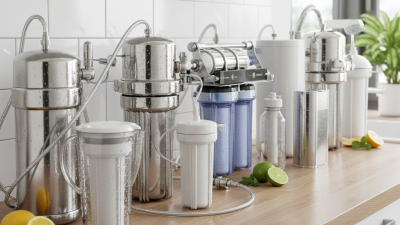
Choosing the right house water filter is crucial for your health. With so many options available, it can be overwhelming. Filters vary in type, size, and purpose. Knowing what to look for is essential.

Your needs depend on several factors. Contaminants in your water source matter. You may need a filter for sediment, chlorine, or heavy metals. Each type serves a different function. Doing your research can save you time and money.

It's also important to consider installation and maintenance. Some filters are easy to set up, while others require professional help. Look for user reviews and expert recommendations. This can guide your decision. Without proper care, even the best filter may not perform well. Balancing cost and effectiveness is key. What you choose should suit your lifestyle and water quality.

How to Choose the Best House Water Filter for Your Needs?

Factors to Consider When Choosing a House Water Filter System

Choosing the right house water filter system involves several important factors. Start with understanding your water quality. Home testing kits can reveal contaminants such as chlorine, lead, or sediment. Knowing what’s in your water guides you toward the appropriate filter type. For instance, if you have hard water, a softener may be necessary.

Next, think about filter capacity. Assess how much water your household uses daily. A system that cannot keep up may lead to inconveniences. Look into flow rate; slower filters may take longer to provide the needed water. Sometimes, larger households might consider multiple units. This can be an uncertain area, as it may increase maintenance needs.

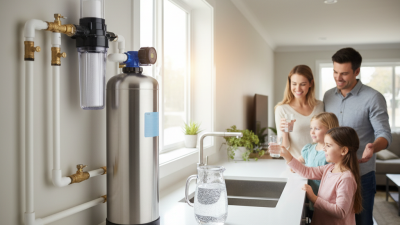
Consider installation and maintenance as well. Some filters require professional installation, while others are DIY-friendly. Regular maintenance is crucial for effectiveness. A neglected filter can do more harm than good. Reflect on your commitment to upkeep. Such factors can often influence the system's overall reliability and lifespan.

Water Filter System Features Comparison

Types of Water Contaminants and Their Health Implications

Water quality is crucial for health. Common contaminants include bacteria, heavy metals, and chemicals. According to the Environmental Protection Agency (EPA), over 80 contaminants can be found in drinking water. Heavy metals like lead can cause serious health issues, especially in children. Reports indicate that even low levels can affect brain development.

Originally, many homeowners overlook water filtration's importance. They assume tap water is safe. However, it may contain harmful substances. For instance, chlorine used for disinfection can form harmful byproducts. These factors highlight the need for an effective water filter.

Tip: Always check local water quality reports. Test your water for specific contaminants before making any decisions.

Understanding these risks allows you to make an informed choice about filtration systems. Not all filters are equally effective against every contaminant. Research is necessary to determine which filter best meets your needs.

Tip: Look for certifications from reliable organizations, like NSF International. These can show a filter's effectiveness against specific contaminants.

Choosing the right water filter requires careful consideration. Your health relies on the quality of your drinking water. Take the time to evaluate what's in your water supply for the best choice.

Understanding Filter Technologies: Activated Carbon vs. Reverse Osmosis

When choosing a house water filter, understanding the filtering technologies is crucial. Activated carbon filters are popular due to their effectiveness in removing chlorine, sediment, and volatile organic compounds. They improve taste and odor, making water more palatable. However, they may not eliminate all contaminants. Bacteria and heavy metals can still slip through, raising concerns about their reliability in some situations.

On the other hand, reverse osmosis filtration provides a more comprehensive solution. This technology removes a broader range of contaminants, including heavy metals, bacteria, and fluoride. Water is pushed through a semipermeable membrane, ensuring high purity. Yet, it can waste water during the filtration process, leading to questions about its environmental impact. It's essential to weigh the benefits against potential drawbacks carefully.

Both technologies have their merits and shortcomings. When selecting a water filter, consider your specific needs and the quality of your water source. It's a balancing act between taste and safety. Understanding these nuances helps in making an informed decision.

Assessing Flow Rate and Water Pressure for Filter Efficiency

When selecting a house water filter, flow rate and water pressure are crucial factors. Flow rate refers to how much water can pass through the filter in a given time. If your household uses a lot of water, a higher flow rate filter is essential. A slow filter can be frustrating, especially during busy times like morning routines.

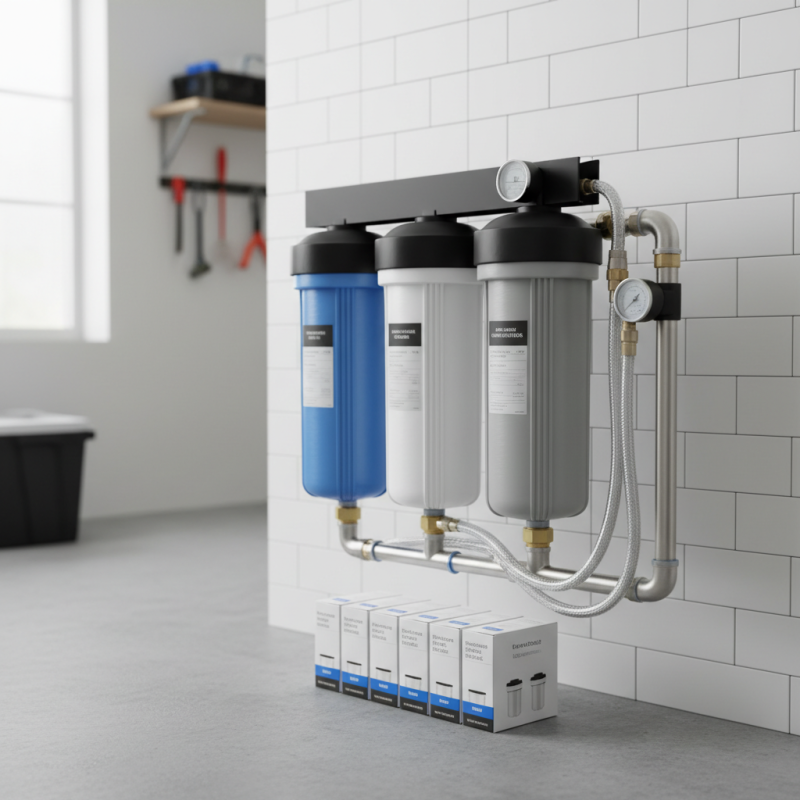
Water pressure is just as important. Low water pressure diminishes the filter's effectiveness. It affects the filter's ability to remove contaminants. Be sure to measure your home's water pressure before making a decision. A pressure gauge can provide this information. This helps ensure the filter adequately meets your household needs.

Tips: Always check the maximum flow rate of the filters you consider. It may differ under various conditions. Test your water pressure before purchasing a filter. It can inform your selection process. Don't overlook these elements, as they heavily impact your filter's overall efficiency. Finding the right balance between flow rate and pressure is essential for optimal performance.

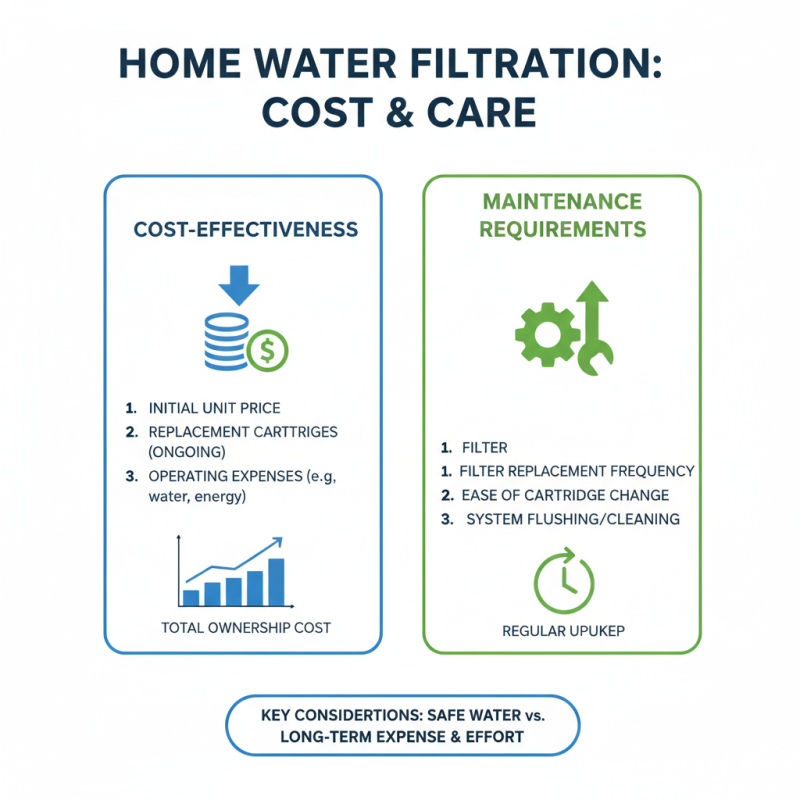
Evaluating Cost-Effectiveness and Maintenance Requirements of Filters

How to Choose the Best House Water Filter for Your Needs?

When selecting a house water filter, consider its cost-effectiveness and maintenance requirements. An effective filter can provide safe drinking water. However, the price of the unit is only part of the story. Initial costs may be appealing, but ongoing maintenance can add up. Filters often require regular replacement cartridges, which can lead to unexpected expenses.

Maintenance should not be overlooked. Evaluate the frequency of filter changes. Some filters require changes every few months; others may last a year. Think about your water consumption too. A large family will need more frequent replacements than a single person. Be honest about your lifestyle and usage.

Consider the installation process as well. Some filters are easy to install, while others need professional help. This can also impact your overall budget. The need for specialized filters for specific contaminants can complicate maintenance. Regularly testing your water can help ensure safety. Think about tracking your costs and maintenance habits over time. This can reveal patterns and help you decide. Choosing the right filter is a process of trial, error, and reflection.