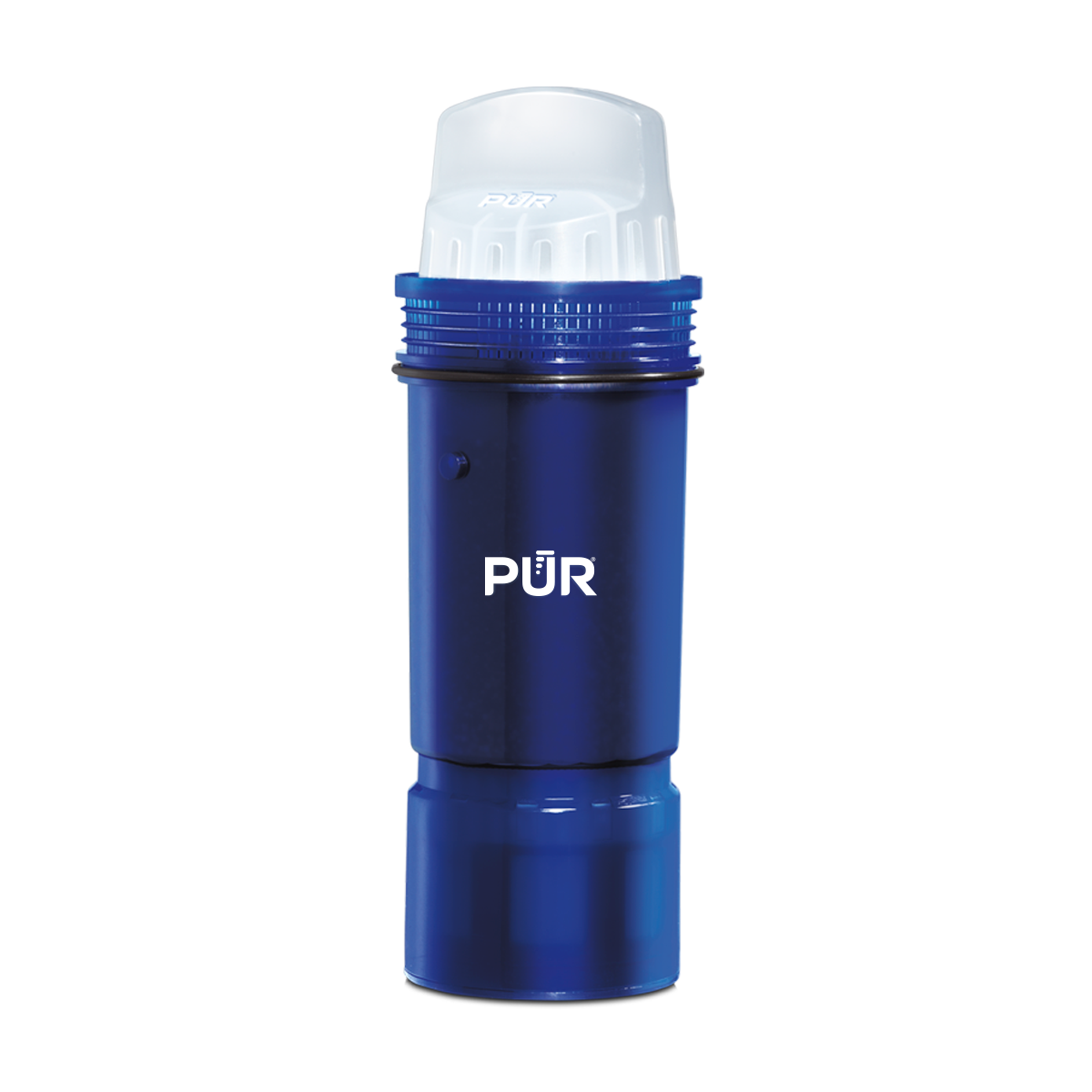
Contaminant Comparison Chart

For a complete list of contaminants that PUR filters reduce, please view our Performance Data Sheets here.


PUR & PUR PLUS FAUCET FILTERS
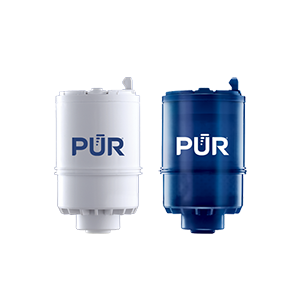
RF3375/RF9999

View Filters

PUR PLUS PITCHER FILTERS
PPF951K

View Filter

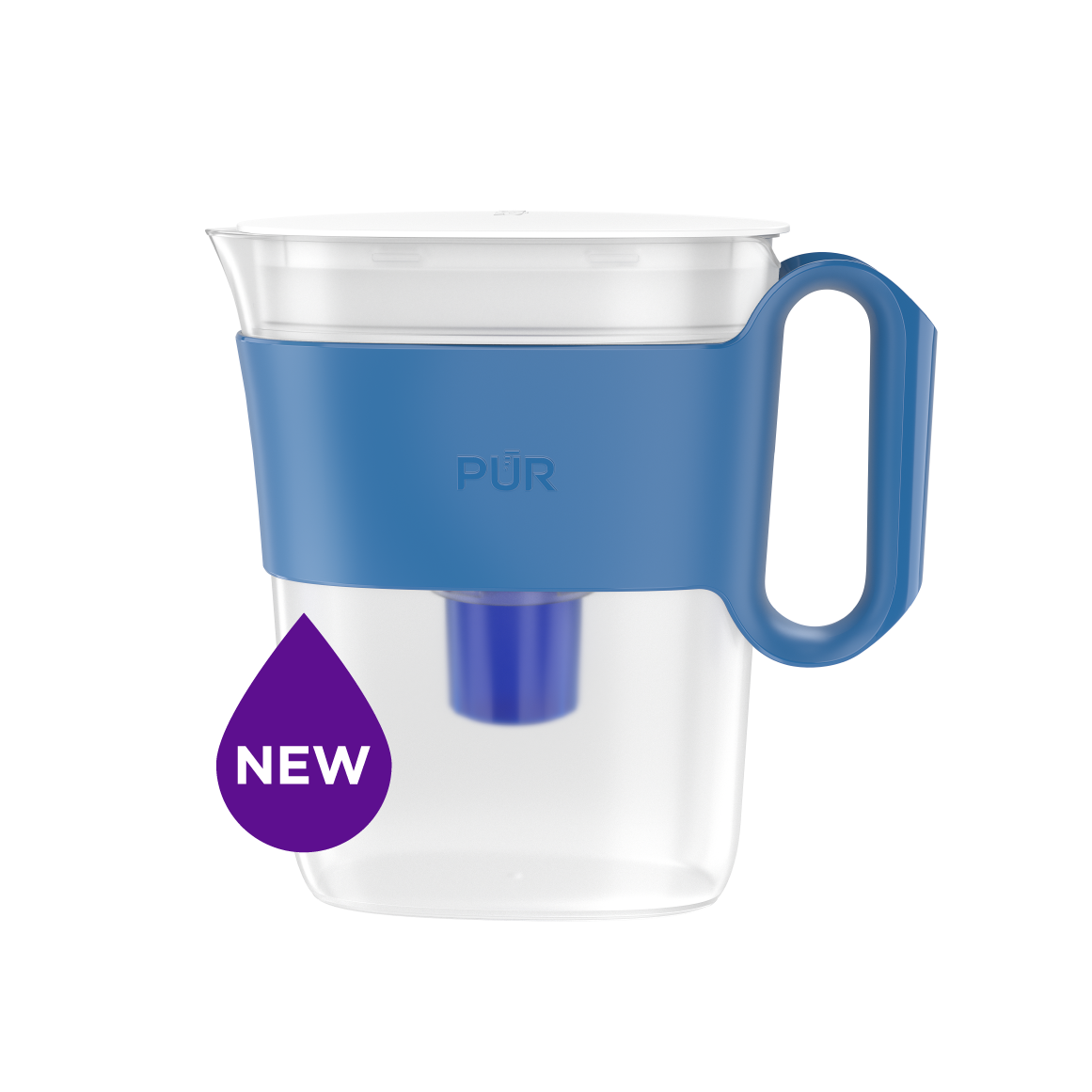
PUR BASIC PITCHER FILTERS
PPF900Z

View Filter


Vs. Brita*

Lead ✓ ✓
Microplastics ✓ ✓
Mercury ✓ ✓ ✓
Chlorine Taste & Odor ✓ ✓ ✓
DEET ✓
TTHM ✓

PUR’s Filtration Systems Are Certified By NSF And WQA For Their Contamination Reduction. WQA certifications as of 5/27/21 for Faucet filter models RF-3375 and RF-9999.

¹ Certified to reduce 10X more chemical and physical substances than Brita’s® leading pitcher filter.
² Certified to reduce 3X more chemical and physical substances than Brita’s® leading pitcher filter.
³ Certified to reduce 2X more chemical and physical substances than Brita’s® leading pitcher filter.
*Versus best-selling Brita® pitcher filter OB03. Brita® is a trademark of Brita LP.
**Like other leading brands, PUR does not filter microbes. As of 3/1/23 Brita® and ZeroWater® were not certified to filter microbes. Brita® is a trademark of Brita LP. ZeroWater® is a trademark of Zero Technologies, LLC..

 

PUR & PUR PLUS FAUCET FILTERS


PUR & PUR PLUS FAUCET FILTERS
RF3375/RF9999

View Filters


Vs. Brita*

Lead ✓
Microplastics ✓
Mercury ✓
Chlorine Taste & Odor ✓
DEET ✓
TTHM ✓

PUR’s Filtration Systems Are Certified By NSF And WQA For Their Contamination Reduction. WQA certifications as of 5/27/21 for Faucet filter models RF-3375 and RF-9999.

¹ Certified to reduce 10X more chemical and physical substances than Brita’s® leading pitcher filter.
² Certified to reduce 3X more chemical and physical substances than Brita’s® leading pitcher filter.
³ Certified to reduce 2X more chemical and physical substances than Brita’s® leading pitcher filter.
*Versus best-selling Brita® pitcher filter OB03. Brita® is a trademark of Brita LP.
**Like other leading brands, PUR does not filter microbes. As of 3/1/23 Brita® and ZeroWater® were not certified to filter microbes. Brita® is a trademark of Brita LP. ZeroWater® is a trademark of Zero Technologies, LLC..
 

PUR PLUS PITCHER FILTERS


PUR PLUS PITCHER FILTERS
PPF951K

View Filter


Vs. Brita*

Lead ✓
Microplastics ✓
Mercury ✓
Chlorine Taste & Odor ✓
DEET
TTHM

PUR’s Filtration Systems Are Certified By NSF And WQA For Their Contamination Reduction. WQA certifications as of 5/27/21 for Faucet filter models RF-3375 and RF-9999.

¹ Certified to reduce 10X more chemical and physical substances than Brita’s® leading pitcher filter.
² Certified to reduce 3X more chemical and physical substances than Brita’s® leading pitcher filter.
³ Certified to reduce 2X more chemical and physical substances than Brita’s® leading pitcher filter.
*Versus best-selling Brita® pitcher filter OB03. Brita® is a trademark of Brita LP.
**Like other leading brands, PUR does not filter microbes. As of 3/1/23 Brita® and ZeroWater® were not certified to filter microbes. Brita® is a trademark of Brita LP. ZeroWater® is a trademark of Zero Technologies, LLC..
 

PUR BASIC PITCHER FILTERS


PUR BASIC PITCHER FILTERS
PPF900Z

View Filter


Vs. Brita*

Lead
Microplastics
Mercury ✓
Chlorine Taste & Odor ✓
DEET
TTHM

PUR’s Filtration Systems Are Certified By NSF And WQA For Their Contamination Reduction. WQA certifications as of 5/27/21 for Faucet filter models RF-3375 and RF-9999.

¹ Certified to reduce 10X more chemical and physical substances than Brita’s® leading pitcher filter.
² Certified to reduce 3X more chemical and physical substances than Brita’s® leading pitcher filter.
³ Certified to reduce 2X more chemical and physical substances than Brita’s® leading pitcher filter.
*Versus best-selling Brita® pitcher filter OB03. Brita® is a trademark of Brita LP.
**Like other leading brands, PUR does not filter microbes. As of 3/1/23 Brita® and ZeroWater® were not certified to filter microbes. Brita® is a trademark of Brita LP. ZeroWater® is a trademark of Zero Technologies, LLC..
 

How to Choose a Water System for Home in 2026?

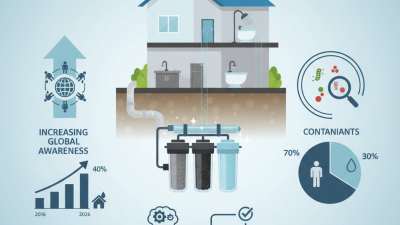
Choosing a water system for home in 2026 requires more than comparing prices, filter colors, or impressive claims. Your tap may look clear while carrying lead, nitrates, PFAS, hardness minerals, or unpleasant odors. The correct choice begins with evidence: test the incoming water, identify the contaminant, and match treatment performance to the problem.

The WHO/UNICEF Joint Monitoring Programme reported that 2.2 billion people lacked safely managed drinking water in 2022. This global figure also reminds homeowners that reliable water quality cannot be assumed. In the United States, the Environmental Protection Agency’s 2024 Lead and Copper Rule Improvements highlighted the continuing risk from lead service lines and household plumbing. Small details matter. An old brass faucet can change the decision.

Dr. Tedros Adhanom Ghebreyesus, Director-General of the World Health Organization, said, “Water, sanitation and hygiene are among the most basic needs for human health.” His statement supports a practical principle: treatment should protect health, not simply improve taste. NSF/ANSI certifications, maintenance records, flow capacity, and replacement costs deserve equal attention.

There is no perfect system.

A reverse osmosis unit may reduce dissolved contaminants, but it can waste water and require regular membrane changes. Activated carbon can improve taste and reduce selected chemicals, yet it cannot solve every microbiological concern. UV treatment needs electricity and clearer water to work effectively. Some homes need a whole-house solution; others need one certified drinking-water filter.

This guide compares these options using published standards, professional guidance, and realistic household conditions. It also admits an uncomfortable truth: the cheapest system may become expensive when maintenance is ignored. Reliable protection is measured over years, not at checkout.

How to Choose a Water System for Home in 2026?

Assess Your Home’s Water Quality, Usage, and Household Needs

How to Choose a Water System for Home in 2026?

Assess Your Home’s Water Quality, Usage, and Household Needs

When choosing a home water system in 2026, start with evidence, not appliance features. Request your latest water quality report from the local supplier. In the United States, the Environmental Protection Agency requires annual Consumer Confidence Reports for community systems. Private-well owners need a different plan. The CDC recommends testing wells at least yearly, and after flooding, repairs, or noticeable changes. Test for relevant risks, including lead, nitrate, bacteria, hardness, and PFAS where applicable. Clear water is not proof of safety.

Estimate usage before selecting capacity. The USGS reported about 82 gallons per person daily for public-supply users in its 2020 national report, based on 2015 data. Your household may differ sharply. Count showers, laundry loads, cooking, irrigation, and simultaneous use. A family of four with two bathrooms needs different flow than a couple in an apartment. Record one week of meter readings. It is imperfect, but useful.

Match treatment to the verified problem. Sediment requires filtration; dissolved contaminants may need other methods. Hard water often leaves white scale around a kettle or shower screen. EPA WaterSense estimates household leaks can waste over 10,000 gallons annually. Check toilet tanks, outdoor spigots, and under-sink joints first. I once blamed low pressure on a filter. A partly closed valve caused it. That mistake matters. Ask for certified performance data, replacement intervals, wastewater needs, and independent testing. Avoid broad promises.

Compare Main Types of Home Water Systems

How to Choose a Water System for Home in 2026?

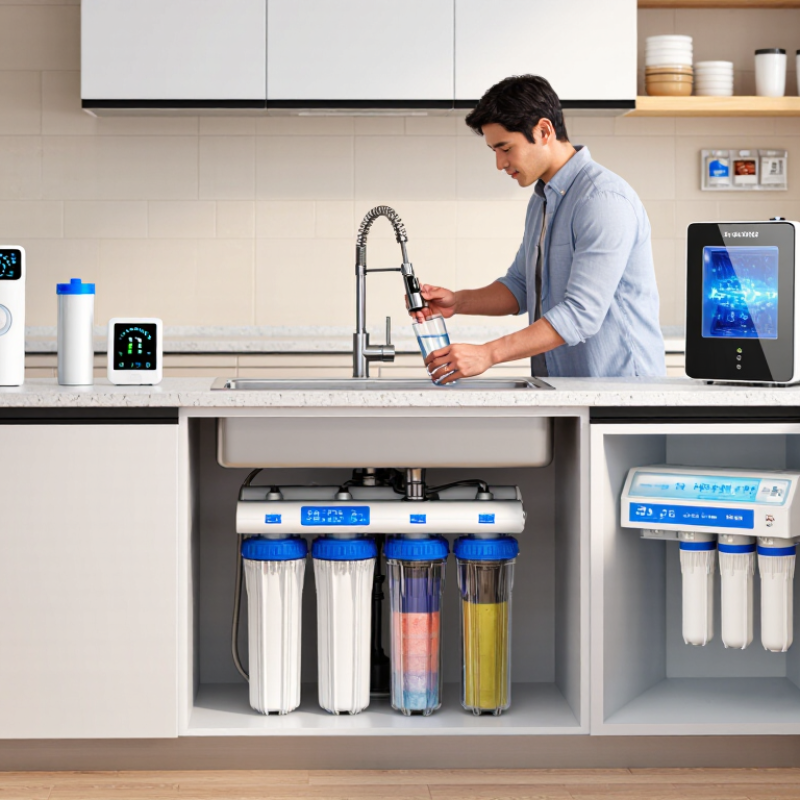
Choosing a home water system starts with your actual water problem. Test your tap water before buying equipment. Municipal water and private wells can require different solutions. A sediment filter catches sand, rust, and visible particles. Carbon filtration can reduce chlorine, odors, and some organic chemicals. It usually preserves useful minerals and creates less wastewater.

Reverse osmosis offers deeper treatment at one drinking-water tap. It can reduce many dissolved salts, metals, and other contaminants when properly maintained. However, it needs filter changes, a storage tank, and a drain connection.

Whole-house filtration treats every shower and faucet. It suits homes with strong odors, sediment, or water-quality concerns throughout the building. Ultraviolet treatment can control microorganisms, but it does not remove chemicals or dirt. A water softener targets hardness, not general contamination. These systems are not interchangeable.

Tips: Match the system to a recent laboratory report. Check flow rate before connecting whole-house equipment. Ask how often filters need replacement and who can service them. Look for independent performance certification and clear contaminant claims. Keep installation records and test treated water periodically. I once underestimated maintenance costs, and that mistake changed my choice. A cheaper system may become expensive when replacement parts are difficult to find. No system is perfect. Your household size, plumbing, budget, and tolerance for maintenance should influence the final decision.

Match System Features to Your Budget and Installation Space

How to Choose a Water System for Home in 2026?

Match System Features to Your Budget and Installation Space

Start with your water problem, not the system’s appearance. Test hardness, chlorine, sediment, and water pressure before comparing prices. A compact under-sink filter may suit a rented apartment or a household needing better drinking water. It usually requires less plumbing and leaves the shower supply unchanged. Measure the cabinet carefully. Allow room for filter replacement and a small leak tray.

Larger homes may need whole-house treatment, especially when sediment stains fixtures or hard water damages heating equipment. These systems need floor space, drainage, electrical access, and suitable pipe diameter. Check the installation area with a tape measure. A professional should confirm pressure loss, flow demand, and local plumbing requirements. I have seen homeowners overlook a nearby drain, turning a simple installation into expensive pipework.

Compare the full cost, not only the purchase price. Include cartridges, salt, electricity, servicing, water waste, and possible installation changes. A cheaper system can become costly after repeated maintenance. A high-capacity model may also be unnecessary for two people. That wastes space and money. Ask how often parts need replacement and whether you can service them safely. Leave clearance around valves and connections. You may need it later. Water quality can change seasonally, so review test results after installation rather than trusting one sample forever.

How to Choose a Water System for Home in 2026?

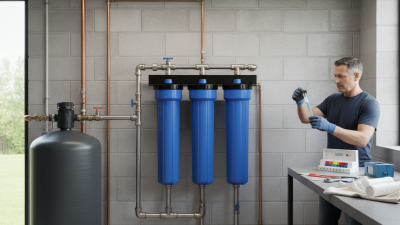
Match system features to your budget and available installation space. The figures below show typical residential planning ranges for common water-treatment options; actual costs vary by water quality, capacity, plumbing work, and local labor rates.

Tip: Point-of-use systems generally require less space and a lower upfront budget, while whole-house systems provide broader treatment but need more installation room and maintenance planning.

Check Maintenance Needs, Certifications, and Long-Term Costs

How to Choose a Water System for Home in 2026?

Check Maintenance Needs, Certifications, and Long-Term Costs

A water system should fit your daily routine, not just your kitchen counter. Check filter life, replacement steps, electricity use, drainage, and service access. The U.S. Environmental Protection Agency reports that household leaks can waste nearly 10,000 gallons of water yearly. A poorly maintained system may quietly add to that waste.

Maintenance matters more than glossy specifications. Choose systems with clear schedules and accessible filter housings. The Centers for Disease Control and Prevention advises replacing filters according to manufacturer instructions. Delayed replacement can reduce performance and create hygiene concerns. It is an easy detail to ignore.

Look for certification matched to your water concern. NSF/ANSI 42 generally covers aesthetic issues, such as taste and odor. NSF/ANSI 53 addresses specific health-related contaminants. NSF/ANSI 58 applies to reverse osmosis systems. Certification does not mean every contaminant is removed, so read the exact claim.

Calculate the five-year cost before buying. Include cartridges, membranes, electricity, wastewater, testing, and professional visits. EPA WaterSense estimates that fixing household leaks can save thousands of gallons annually, but a system itself still needs responsible upkeep. A cheaper unit may become expensive after several replacement cycles. I would also keep a small maintenance log. It is not perfect, but missed dates are easier to spot.

Choose a Reliable System and Plan Professional Installation

Choosing a home water system in 2026 should begin with water testing, not advertising claims. A laboratory report can reveal hardness, lead, nitrates, bacteria, or unusual odors. The U.S. Environmental Protection Agency estimates that household leaks waste nearly 10,000 gallons of water each year. A poor connection can increase that loss.

Professional installation protects the system’s performance. An installer should check pressure, drainage, pipe compatibility, electrical safety, and available maintenance space. The World Health Organization’s Guidelines for Drinking-water Quality support risk-based water safety planning from source to tap. That approach matters at home, because treatment equipment cannot correct every plumbing problem. The CDC also advises private-well owners to test water at least annually and after flooding or repairs. No system is perfect. Even careful plans may need adjustment after several months of use.

Tips: Test first. Match the treatment method to the contaminant. Ask for a written installation plan, flow-rate details, replacement intervals, and service costs. Keep a simple maintenance log near the equipment. It can record filter changes, pressure readings, and unusual taste or odor. Check local plumbing requirements before work begins. A certified professional is usually safer than a rushed installation, though certification alone does not guarantee good workmanship. Ask for references and inspect the final connections yourself. Small details matter.

How to Choose a Water System for Home in 2026? - Choose a Reliable System and Plan Professional Installation

System Type Best For Main Contaminants or Issues Addressed Typical Capacity or Flow Typical Service Interval Typical Installed Cost in 2026 Installation Considerations Key Selection Check
Sediment Filtration Homes with visible particles, sand, rust flakes, or well-water sediment Dirt, sand, silt, pipe scale, and suspended particles Whole-house units commonly support approximately 5–20 gallons per minute (GPM), depending on filter size and pressure Replace or clean the filter approximately every 3–12 months, depending on sediment loading Approximately US$300–$1,500 Installed on the main water line; requires correctly sized shutoff valves, a drain or service area, and protection from freezing Select the micron rating and flow capacity from a laboratory water test rather than choosing the finest filter automatically
Activated Carbon Filtration Municipal water with chlorine taste or odor and selected organic compounds Chlorine, unpleasant taste and odor, and some volatile organic compounds; performance varies by carbon type and contact time Approximately 5–15 GPM for many residential point-of-entry systems Carbon media or cartridges commonly require replacement every 6–24 months Approximately US$800–$2,500 Needs adequate contact time, correct bypass plumbing, and sufficient pressure for peak household demand Confirm the system is tested for the specific contaminant; carbon alone does not reliably remove dissolved salts, hardness, or all microorganisms
Water Softener Homes affected by hard water, scale, dry skin, or reduced soap performance Calcium and magnesium hardness; it does not disinfect water or remove most dissolved contaminants Common residential sizes provide approximately 8–15 GPM service flow and 24,000–64,000 grains of capacity Add salt or regenerant as needed; inspect and service approximately once per year Approximately US$1,000–$3,000 Requires a drain connection, power for the control valve, overflow protection, and adequate space for the brine tank Size it using hardness, household occupants, daily water use, and iron or manganese levels
Reverse Osmosis Drinking-Water System A dedicated kitchen tap for drinking and cooking water Many dissolved salts, nitrate, fluoride, arsenic, lead, and other contaminants when the specific membrane is properly certified and maintained Typical residential production is approximately 15–100 gallons per day; it is not intended to supply the whole house Prefilters commonly last 6–12 months; the membrane commonly lasts 2–5 years, depending on water quality and use Approximately US$500–$2,000 Requires under-sink space, a storage tank or suitable tankless design, a drain connection, and adequate inlet pressure Check contaminant-specific performance, wastewater ratio, replacement-part availability, and the system’s independent certification
Ultraviolet Disinfection Private wells or other supplies with microbiological contamination risk Bacteria, viruses, and protozoa when the unit delivers the required UV dose Common residential systems provide approximately 5–20 GPM, depending on the required dose and water clarity Replace the UV lamp approximately every 9–12 months and clean the quartz sleeve as needed Approximately US$900–$2,500 Requires continuous electricity, prefiltration for cloudy water, protection from power interruptions, and an accessible service area Test for bacteria first and verify the UV dose, flow-rate rating, alarm function, and pretreatment requirements
Whole-House Combination System Homes with several confirmed water-quality issues, such as sediment plus hardness or disinfectant taste A tailored combination may address sediment, chlorine, hardness, iron, manganese, or microorganisms; no single combination removes every contaminant Approximately 8–20 GPM for many residential designs, subject to the limiting component Individual filters, salt or media, lamps, and membranes follow separate service schedules, generally from 3 months to 5 years Approximately US$2,000–$7,000 or more Professional design is strongly recommended; installation may require multiple drains, electrical outlets, bypass valves, and floor space Build the treatment sequence from a current laboratory test and confirm peak flow, pressure loss, maintenance access, and total operating cost
Planning note: Cost ranges are broad residential estimates in U.S. dollars and vary by location, plumbing complexity, pretreatment, water quality, labor rates, and permitting. Test the water before selecting equipment, and have whole-house systems installed and commissioned by a qualified professional.