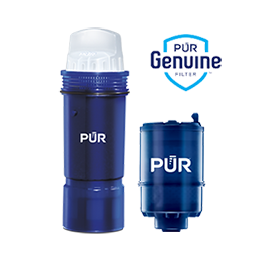

Contaminant Comparison Chart

For a complete list of contaminants that PUR filters reduce, please view our Performance Data Sheets here.


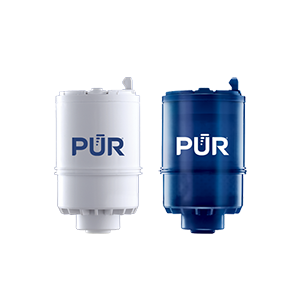
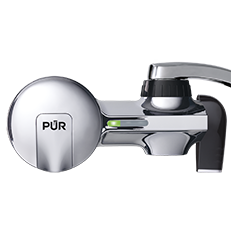
PUR & PUR PLUS FAUCET FILTERS
RF3375/RF9999

View Filters

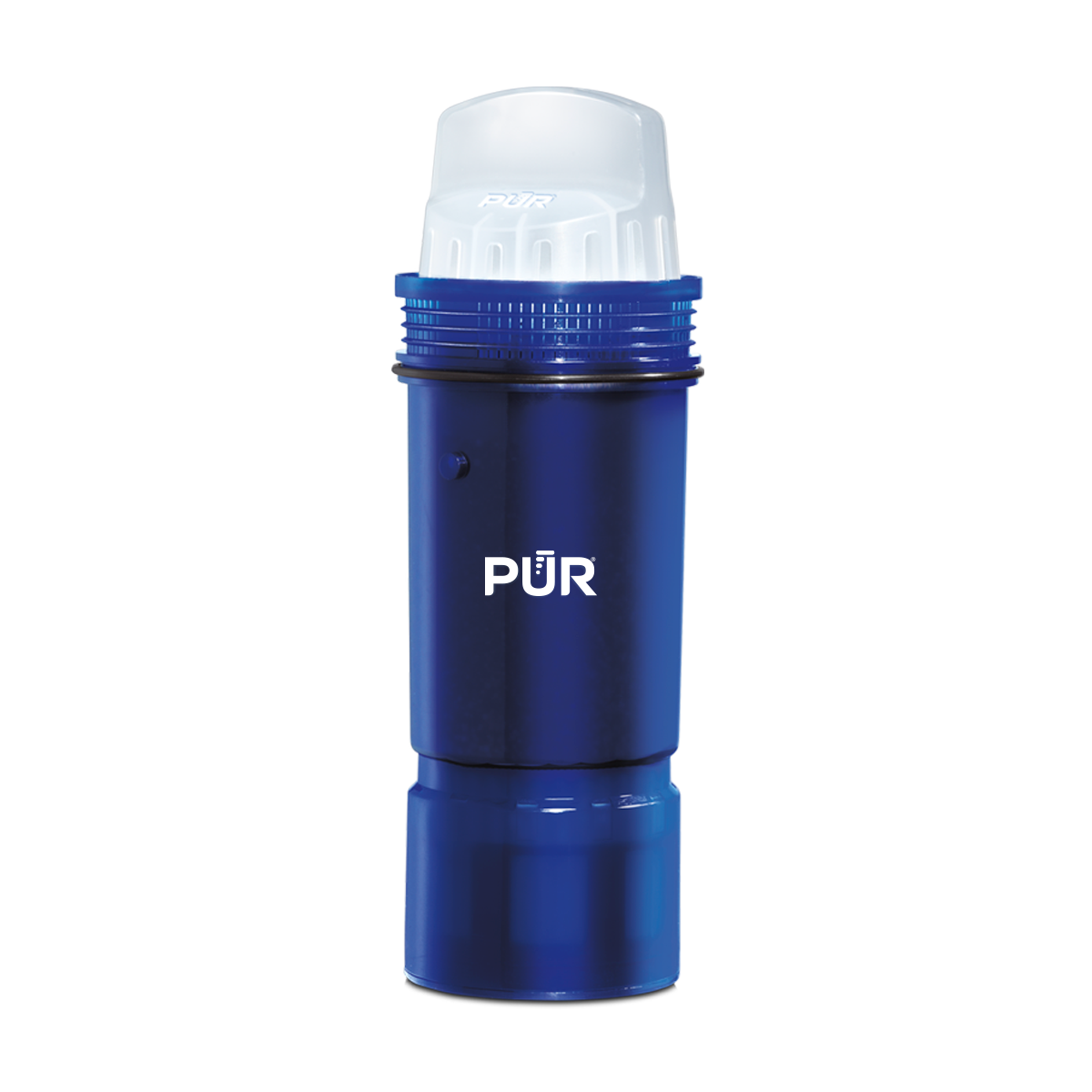
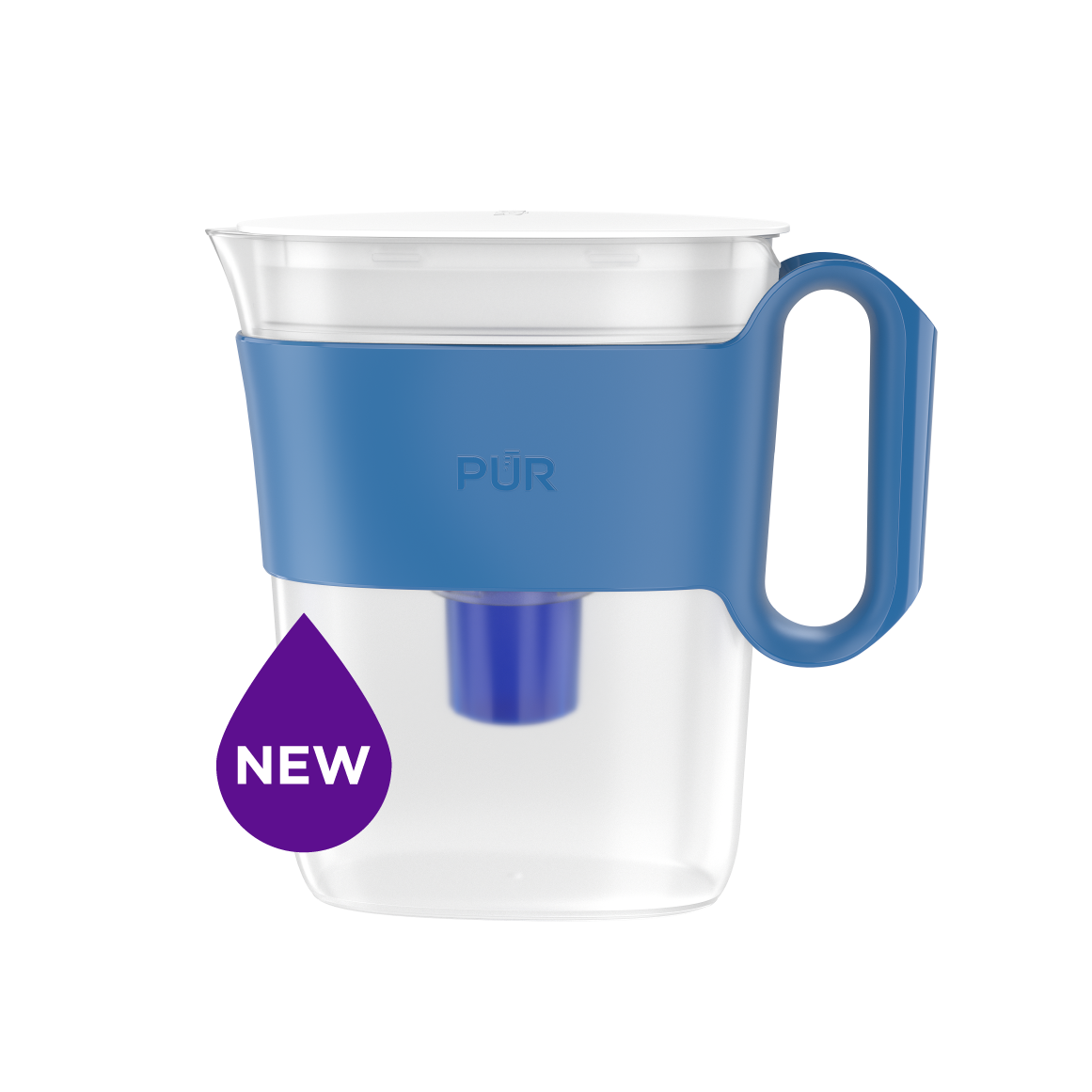
PUR PLUS PITCHER FILTERS
PPF951K

View Filter

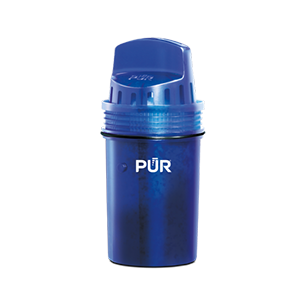
PUR BASIC PITCHER FILTERS
PPF900Z

View Filter


Vs. Brita*

Lead
Microplastics
Mercury
Chlorine Taste & Odor
DEET
TTHM

PUR’s Filtration Systems Are Certified By NSF And WQA For Their Contamination Reduction. WQA certifications as of 5/27/21 for Faucet filter models RF-3375 and RF-9999.

¹ Certified to reduce 10X more chemical and physical substances than Brita’s® leading pitcher filter.
² Certified to reduce 3X more chemical and physical substances than Brita’s® leading pitcher filter.
³ Certified to reduce 2X more chemical and physical substances than Brita’s® leading pitcher filter.
*Versus best-selling Brita® pitcher filter OB03. Brita® is a trademark of Brita LP.
**Like other leading brands, PUR does not filter microbes. As of 3/1/23 Brita® and ZeroWater® were not certified to filter microbes. Brita® is a trademark of Brita LP. ZeroWater® is a trademark of Zero Technologies, LLC..
 

PUR & PUR PLUS FAUCET FILTERS


PUR & PUR PLUS FAUCET FILTERS
RF3375/RF9999

View Filters


Vs. Brita*

Lead
Microplastics
Mercury
Chlorine Taste & Odor
DEET
TTHM

PUR’s Filtration Systems Are Certified By NSF And WQA For Their Contamination Reduction. WQA certifications as of 5/27/21 for Faucet filter models RF-3375 and RF-9999.

¹ Certified to reduce 10X more chemical and physical substances than Brita’s® leading pitcher filter.
² Certified to reduce 3X more chemical and physical substances than Brita’s® leading pitcher filter.
³ Certified to reduce 2X more chemical and physical substances than Brita’s® leading pitcher filter.
*Versus best-selling Brita® pitcher filter OB03. Brita® is a trademark of Brita LP.
**Like other leading brands, PUR does not filter microbes. As of 3/1/23 Brita® and ZeroWater® were not certified to filter microbes. Brita® is a trademark of Brita LP. ZeroWater® is a trademark of Zero Technologies, LLC..


PUR PLUS PITCHER FILTERS


PUR PLUS PITCHER FILTERS
PPF951K

View Filter


Vs. Brita*

Lead
Microplastics
Mercury
Chlorine Taste & Odor
DEET
TTHM

PUR’s Filtration Systems Are Certified By NSF And WQA For Their Contamination Reduction. WQA certifications as of 5/27/21 for Faucet filter models RF-3375 and RF-9999.

¹ Certified to reduce 10X more chemical and physical substances than Brita’s® leading pitcher filter.
² Certified to reduce 3X more chemical and physical substances than Brita’s® leading pitcher filter.
³ Certified to reduce 2X more chemical and physical substances than Brita’s® leading pitcher filter.
*Versus best-selling Brita® pitcher filter OB03. Brita® is a trademark of Brita LP.
**Like other leading brands, PUR does not filter microbes. As of 3/1/23 Brita® and ZeroWater® were not certified to filter microbes. Brita® is a trademark of Brita LP. ZeroWater® is a trademark of Zero Technologies, LLC..


PUR BASIC PITCHER FILTERS


PUR BASIC PITCHER FILTERS
PPF900Z

View Filter


Vs. Brita*

Lead
Microplastics
Mercury
Chlorine Taste & Odor
DEET
TTHM

PUR’s Filtration Systems Are Certified By NSF And WQA For Their Contamination Reduction. WQA certifications as of 5/27/21 for Faucet filter models RF-3375 and RF-9999.

¹ Certified to reduce 10X more chemical and physical substances than Brita’s® leading pitcher filter.
² Certified to reduce 3X more chemical and physical substances than Brita’s® leading pitcher filter.
³ Certified to reduce 2X more chemical and physical substances than Brita’s® leading pitcher filter.
*Versus best-selling Brita® pitcher filter OB03. Brita® is a trademark of Brita LP.
**Like other leading brands, PUR does not filter microbes. As of 3/1/23 Brita® and ZeroWater® were not certified to filter microbes. Brita® is a trademark of Brita LP. ZeroWater® is a trademark of Zero Technologies, LLC..


How to Choose the Right Switch Panel for Your Needs?

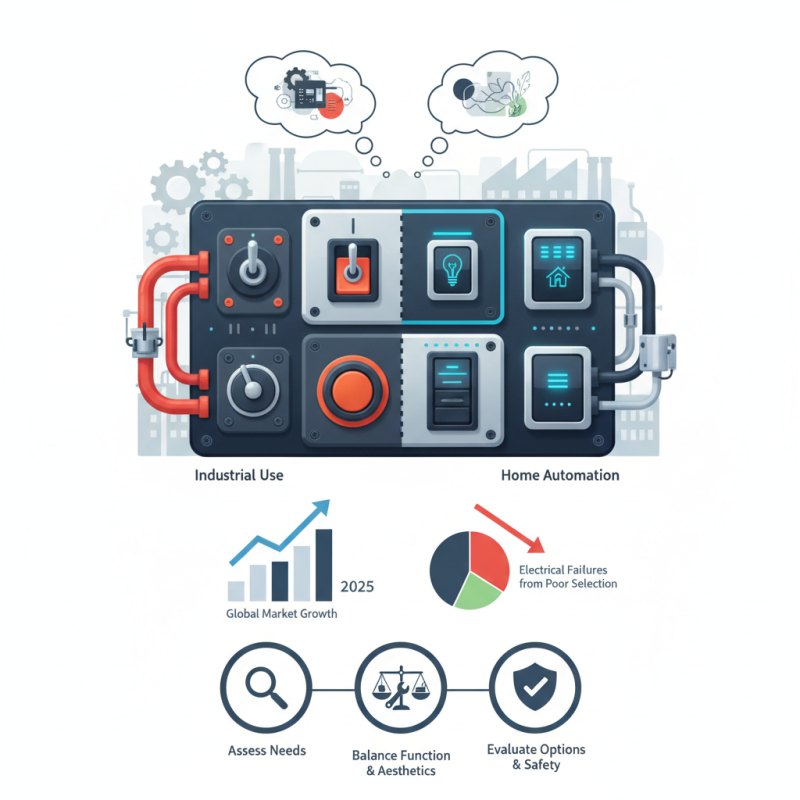
Choosing the right Switch Panel is critical for optimal performance in various applications. According to the International Electrotechnical Commission (IEC), the global market for switch panels is expected to grow significantly, reaching over $10 billion by 2025. This surge underscores the importance of selecting high-quality, reliable switch panels that meet specific requirements.

When considering a switch panel, it's vital to assess your needs. For instance, a panel designed for industrial use may differ significantly from one intended for home automation. The National Electrical Manufacturers Association (NEMA) reports that approximately 70% of electrical failures stem from poor switch selection. This statistic highlights the need for careful decision-making.

Balance functionality with aesthetics when choosing a switch panel. While you may favor modern designs, they must also align with your application. Remember, not every panel will suit all environments, and misjudgment can lead to inefficiencies or safety hazards. Take time to evaluate all options before finalizing your selection.

How to Choose the Right Switch Panel for Your Needs?

Understanding the Different Types of Switch Panels on the Market

When it comes to switch panels, understanding the types available is crucial. You’ll find numerous options, each designed for different applications. For instance, basic toggles work well for simple lighting controls. They offer reliability and are often easy to install. Meanwhile, dimmer switches provide more versatility. You can adjust light intensity for various moods or settings. However, these require a bit more installation expertise.

Touch panels have surged in popularity. These sleek designs not only appeal aesthetically but also provide modern functionality. Many have smart features. Yet, technical glitches can happen, demanding an understanding of the hardware. Another option is smart switches. These allow remote control through apps or voice, increasing convenience. However, they depend on a stable Wi-Fi connection, which raises concerns for some users.

Analog switches also remain relevant. They offer a traditional feel and often last longer than their digital counterparts. However, they might lack some modern features, limiting their appeal. The choice depends on your specific needs and level of comfort with technology. Knowing these details can make the selection process a bit smoother, though it can still feel overwhelming at times. Determine your priorities and make the decision that feels right for your circumstances.

Key Features to Consider When Selecting a Switch Panel

When selecting a switch panel, certain key features can greatly impact functionality. A report by Research and Markets indicates that the global demand for switch panels is expected to grow at a CAGR of 6.2% until 2027. This trend highlights the importance of making informed choices.

The power rating is crucial. It determines how much load a panel can handle. Choosing a switch panel with a power rating higher than your requirements is advisable. Compatibility with your existing electrical system should also be evaluated. Not every switch panel works seamlessly with all setups.

Moreover, user interface and ease of use matter. Many panels now offer touchscreen options for convenience. A study from Technavio found that 58% of users prefer intuitive designs over complex interfaces. Lastly, consider the panel's size and layout. Ensure it fits your space comfortably. A poorly fitting panel can lead to inefficiencies and safety hazards. Thoughtful selection can prevent future issues.

Evaluating Safety Standards and Certifications for Switch Panels

When selecting a switch panel, safety standards and certifications are crucial. Look for panels that adhere to recognized regulations. Compliance ensures safety during operation. The UL, CE, and IEC marks indicate a product has been tested. This is vital for reducing risks. A poorly designed panel can lead to short circuits or fire hazards.

Understanding certifications can be tricky. Not all labels guarantee the same level of safety. Some certifications focus on electrical safety, while others emphasize environmental impact. Always read the specifications carefully. Verify if the panel suits your specific needs, particularly in industrial applications where safety standards are stringent.

Choosing the right switch panel without proper knowledge can be risky. Conduct thorough research or consult with experts. Unverified products may lack essential safety features. Be mindful of where you install your switch panel. Improper placement can compromise its effectiveness. It's essential to reflect on these factors during your selection process.

Assessing Technical Specifications: Voltage, Current, and Load Capacity

When selecting a switch panel, understanding voltage, current, and load capacity is vital. These technical specifications can greatly impact the effectiveness of your panel. Voltage refers to the electric potential difference. Choosing a switch panel that matches your system’s voltage is essential. Mismatched voltage can lead to failures or fires.

Current, measured in amperes, denotes the flow of electricity. Each switch panel has a specific current rating. Staying within this rating ensures safety and efficiency. Too much current can cause overheating. It’s important to assess the expected load. This includes all devices connected to the panel. If the total load exceeds the panel’s capacity, it may not function properly.

Consider the environment where the switch panel will be used. Weather conditions can affect performance. For instance, humidity can cause corrosion. Reflecting on your needs is crucial. Do you require versatility? Think about future expansions. Can the panel handle future electrical demands? Answering these questions will ensure you choose wisely.

Determining Your Budget and Long-Term Investment for Switch Panels

When determining your budget for switch panels, consider both initial costs and long-term value. A low upfront price can be tempting, but it may lead to higher maintenance expenses. Evaluate the materials and technology used in the switch panel. Quality components may cost more initially but often result in better durability and performance.

Investing wisely means planning for the future. Think about your needs over time. Will you expand or upgrade your system? A cheaper panel now could restrict your options later. There are also costs associated with installation and potential replacements.

Reflect on your choices. It's easy to get caught up in features, yet a basic panel may suffice. Align your decision with practical use rather than just aesthetic desires. Sometimes, the right option is not the most flashy one but the most functional for your specific needs.

Switch Panel Budget vs. Features

Article Source: