Contaminant Comparison Chart

For a complete list of contaminants that PUR filters reduce, please view our Performance Data Sheets here.


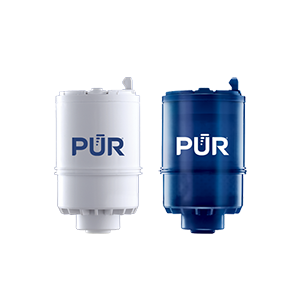
PUR & PUR PLUS FAUCET FILTERS
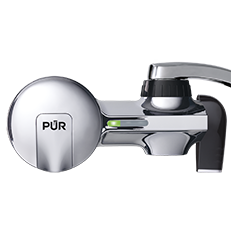
RF3375/RF9999

View Filters

PUR PLUS PITCHER FILTERS
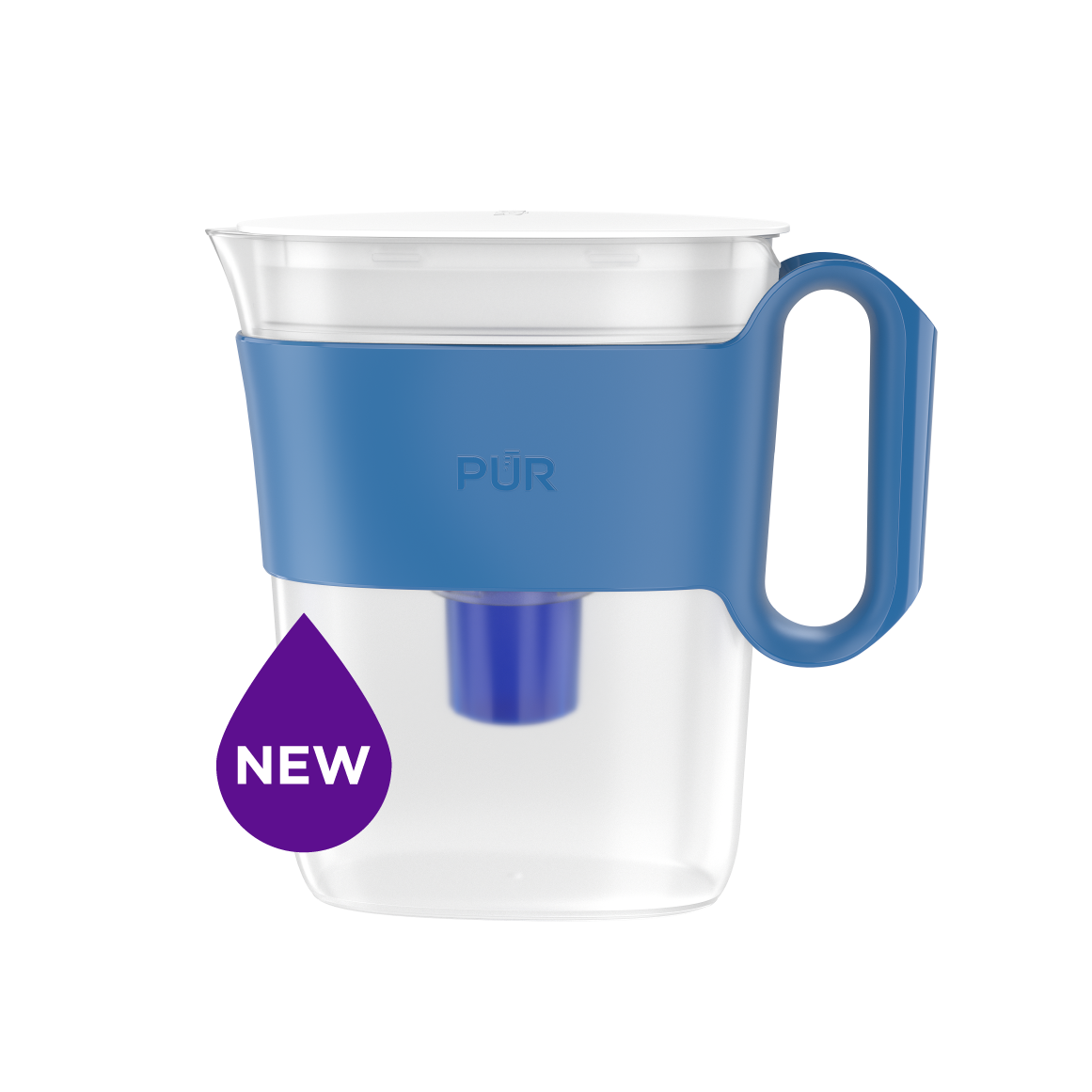
PPF951K

View Filter

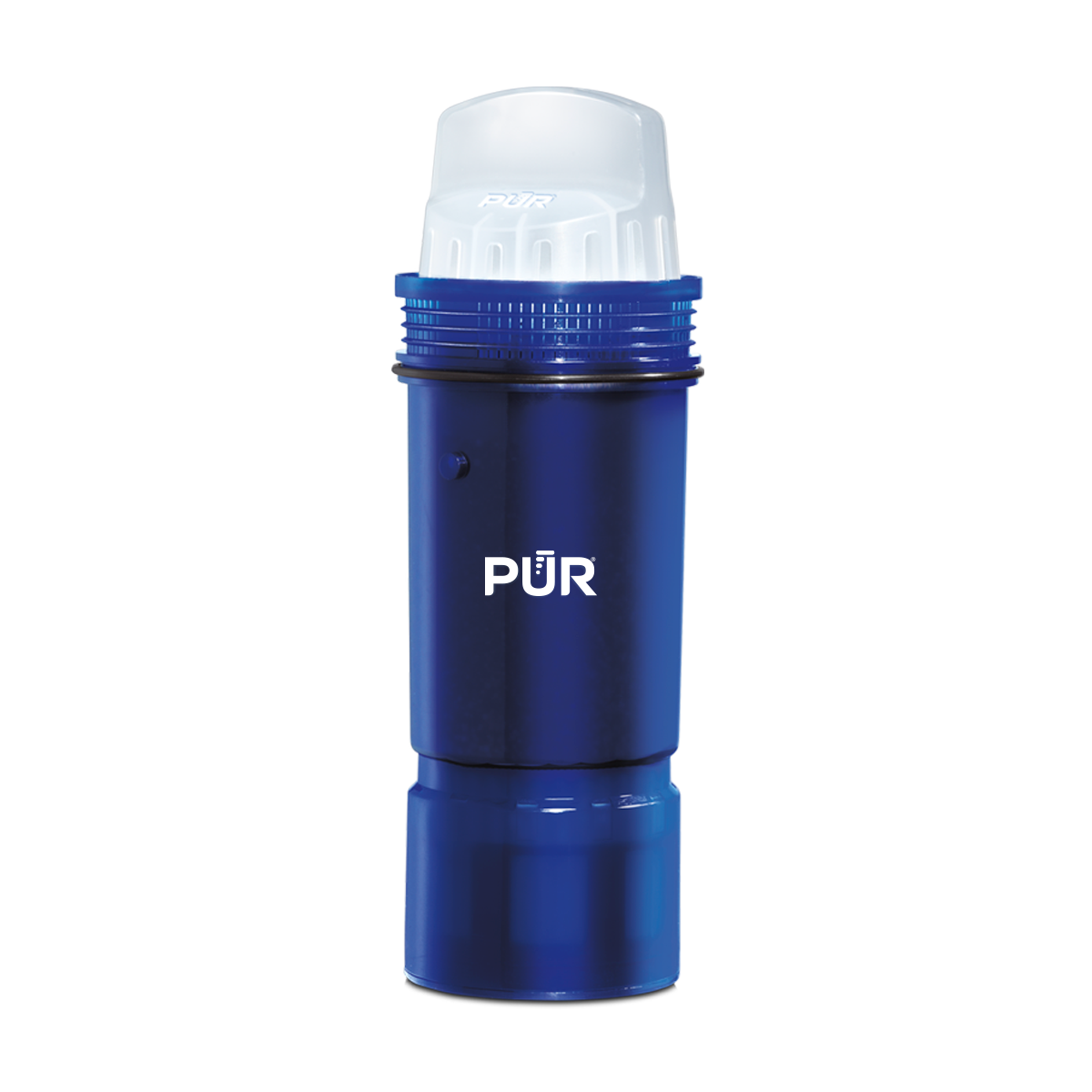
PUR BASIC PITCHER FILTERS
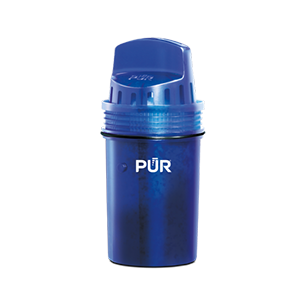
PPF900Z

View Filter


Vs. Brita*

Lead
Microplastics
Mercury
Chlorine Taste & Odor
DEET
TTHM

PUR’s Filtration Systems Are Certified By NSF And WQA For Their Contamination Reduction. WQA certifications as of 5/27/21 for Faucet filter models RF-3375 and RF-9999.

¹ Certified to reduce 10X more chemical and physical substances than Brita’s® leading pitcher filter.
² Certified to reduce 3X more chemical and physical substances than Brita’s® leading pitcher filter.
³ Certified to reduce 2X more chemical and physical substances than Brita’s® leading pitcher filter.
*Versus best-selling Brita® pitcher filter OB03. Brita® is a trademark of Brita LP.
**Like other leading brands, PUR does not filter microbes. As of 3/1/23 Brita® and ZeroWater® were not certified to filter microbes. Brita® is a trademark of Brita LP. ZeroWater® is a trademark of Zero Technologies, LLC..
 

PUR & PUR PLUS FAUCET FILTERS


PUR & PUR PLUS FAUCET FILTERS
RF3375/RF9999

View Filters


Vs. Brita*

Lead
Microplastics
Mercury
Chlorine Taste & Odor
DEET
TTHM

PUR’s Filtration Systems Are Certified By NSF And WQA For Their Contamination Reduction. WQA certifications as of 5/27/21 for Faucet filter models RF-3375 and RF-9999.

¹ Certified to reduce 10X more chemical and physical substances than Brita’s® leading pitcher filter.
² Certified to reduce 3X more chemical and physical substances than Brita’s® leading pitcher filter.
³ Certified to reduce 2X more chemical and physical substances than Brita’s® leading pitcher filter.
*Versus best-selling Brita® pitcher filter OB03. Brita® is a trademark of Brita LP.
**Like other leading brands, PUR does not filter microbes. As of 3/1/23 Brita® and ZeroWater® were not certified to filter microbes. Brita® is a trademark of Brita LP. ZeroWater® is a trademark of Zero Technologies, LLC..


PUR PLUS PITCHER FILTERS


PUR PLUS PITCHER FILTERS
PPF951K

View Filter


Vs. Brita*

Lead
Microplastics
Mercury
Chlorine Taste & Odor
DEET
TTHM

PUR’s Filtration Systems Are Certified By NSF And WQA For Their Contamination Reduction. WQA certifications as of 5/27/21 for Faucet filter models RF-3375 and RF-9999.

¹ Certified to reduce 10X more chemical and physical substances than Brita’s® leading pitcher filter.
² Certified to reduce 3X more chemical and physical substances than Brita’s® leading pitcher filter.
³ Certified to reduce 2X more chemical and physical substances than Brita’s® leading pitcher filter.
*Versus best-selling Brita® pitcher filter OB03. Brita® is a trademark of Brita LP.
**Like other leading brands, PUR does not filter microbes. As of 3/1/23 Brita® and ZeroWater® were not certified to filter microbes. Brita® is a trademark of Brita LP. ZeroWater® is a trademark of Zero Technologies, LLC..


PUR BASIC PITCHER FILTERS


PUR BASIC PITCHER FILTERS
PPF900Z

View Filter


Vs. Brita*

Lead
Microplastics
Mercury
Chlorine Taste & Odor
DEET
TTHM

PUR’s Filtration Systems Are Certified By NSF And WQA For Their Contamination Reduction. WQA certifications as of 5/27/21 for Faucet filter models RF-3375 and RF-9999.

¹ Certified to reduce 10X more chemical and physical substances than Brita’s® leading pitcher filter.
² Certified to reduce 3X more chemical and physical substances than Brita’s® leading pitcher filter.
³ Certified to reduce 2X more chemical and physical substances than Brita’s® leading pitcher filter.
*Versus best-selling Brita® pitcher filter OB03. Brita® is a trademark of Brita LP.
**Like other leading brands, PUR does not filter microbes. As of 3/1/23 Brita® and ZeroWater® were not certified to filter microbes. Brita® is a trademark of Brita LP. ZeroWater® is a trademark of Zero Technologies, LLC..


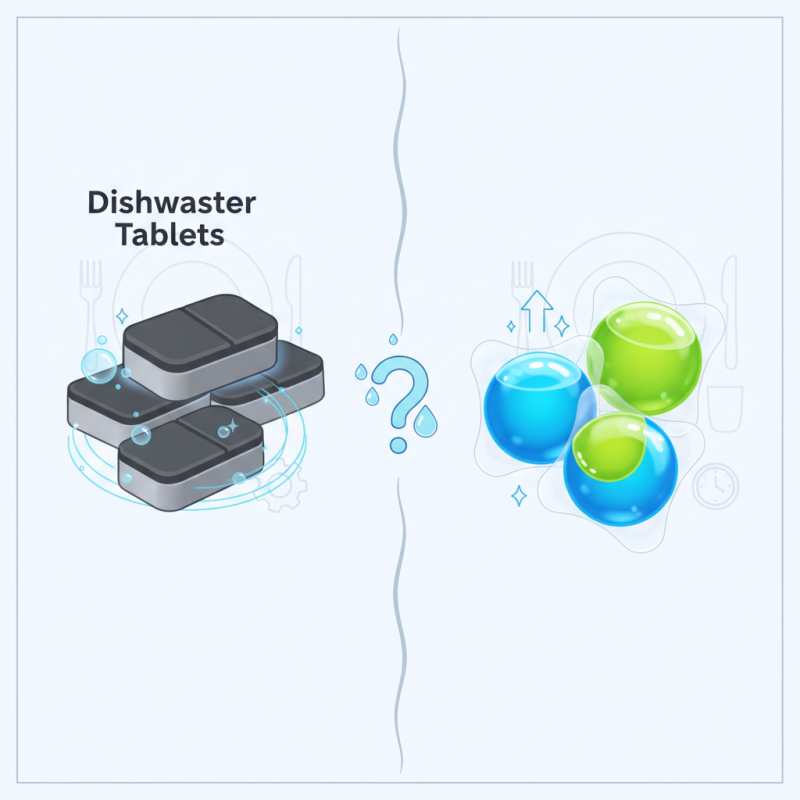
Dishwasher Tablets Vs Pods Which One Is Better For You

When it comes to cleaning dishes, many people face the choice of "Dishwasher Tablets Vs Pods." Both options promise efficiency and convenience. However, the better choice can depend on your specific needs and preferences. Understanding the differences between these two products is essential for making an informed decision.

Dishwasher tablets are compact and highly concentrated. They often contain multiple cleaning agents, including enzymes and rinse aids. This makes them powerful performers, even in tough conditions. On the other hand, pods are pre-measured and easy to use. They typically offer convenience, perfect for those who want a hassle-free experience. Yet, some users find that pods can leave residue if not used correctly.

It's worth noting that personal experiences can vary widely. Some users swear by tablets, while others prefer the simplicity of pods. You may even find that your dishwasher operates better with one over the other. Ultimately, the choice between Dishwasher Tablets Vs Pods is subjective. Reflection on your cleaning habits will guide you toward the best selection for your household.

Dishwasher Tablets Vs Pods Which One Is Better For You

Dishwasher Tablets: Composition and Cleaning Efficiency Explained

Dishwasher tablets have gained popularity due to their compact design and powerful cleaning capabilities. They often contain a mix of enzymes, surfactants, and cleaning agents. These components work together to effectively break down food residue. The concentrated formulation allows for efficient cleaning, even in hard water conditions. Many users find that tablets simplify the dishwashing process, providing consistent results.

However, not all tablets are created equal. Some might not dissolve fully in shorter cycles or when the water temperature is low. This can lead to leftover residue on dishes. For those with specific dishwashing needs, it’s essential to choose tablets designed for their machines. Consumer experiences highlight the importance of testing different brands to find the most effective option.

While tablets promise convenience, it’s wise to remain critical of their performance. Regular maintenance and the right loading technique are key factors in achieving optimal results. Dishes may still require pre-rinsing to remove stubborn food particles. Therefore, understanding the composition of tablets is crucial for maximizing their impact. This awareness can help users make informed decisions in the long run.

Pods: Convenience, Cost Efficiency, and Usage Statistics

When considering dishwasher cleaning products, pods offer notable convenience. Their compact size makes them easy to store, taking up minimal space in your kitchen. They dissolve quickly in water, ensuring a mess-free experience. Many users appreciate the simplicity of tossing a pod into the dishwasher without measuring.

Cost efficiency is another aspect to consider. Pods are often sold in bulk packages, which can be more economical compared to traditional tablets. However, this can also mean buying more than you need at once. Some families might find that a large supply of pods leads to waste, especially if they underuse their dishwasher. Tracking usage is essential to determine the value of purchase over time.

Usage statistics highlight a growing preference for pods among consumers. Many reports suggest that people enjoy the ease and quick setup of pods. Yet, not everyone is convinced. Some users express concerns over the effectiveness of pods compared to tablets, especially for heavily soiled dishes. Testing different options can be a worthwhile journey to understand what truly works for your household.

Dishwasher Tablets Vs Pods: Which One Is Better For You?

Feature Tablets Pods
Convenience Moderate High
Cost per Load $0.25 $0.30
Usage Statistics (%) 35% 65%
Dissolving Time Slow Fast
Environmental Concerns Less plastic More plastic
Storage Space Compact Bulkier

Comparative Analysis of Eco-friendliness: Tablets vs. Pods

When evaluating eco-friendliness, dishwasher tablets and pods present distinct environmental footprints. Tablets are generally more concentrated, which means less packaging waste is generated. Studies indicate that tablets can deliver up to up to 30% less plastic waste compared to pods. This is crucial as the world grapples with increasing plastic pollution and seeks more sustainable alternatives.

However, some reports suggest that the production of tablets may involve more energy due to their manufacturing processes. It's essential to consider where and how they are sourced. The overall sustainability should include assessing ingredients. Many eco-conscious consumers are turning to phosphate-free options, which both tablets and pods increasingly offer.

Tip: Always check for certifications on the packaging, like eco-labels. This often signals a commitment to sustainability.

Another consideration is dosage. Pods are often pre-measured but can lead to overuse if individuals don't adjust based on load size. Tablets can be broken for smaller loads, allowing precise use. Each approach has its pros and cons, and you might find one works better for your lifestyle than the other.

Tip: Experiment with both forms to see which cleaning efficacy suits your needs without wasting product.

Consumer Preferences and Market Trends in Dishwasher Products

In recent years, the dishwasher products market has experienced notable shifts. Research indicates a growing preference for dishwasher tablets over pods among consumers. According to a 2022 market report, 60% of users prefer tablets due to their concentrated cleaning power and ease of storage. However, pods have maintained a loyal following. Their convenience and compact nature appeal to busy households.

Tips: When choosing between tablets and pods, consider your dishwashing needs. Tablets work well for heavy-duty cleaning. Pods may be better for quick, everyday washes. Experimenting with both can help find the right fit.

Consumer satisfaction plays a key role in market trends. Many users rave about tablets’ effectiveness in tough stains. Yet, some express frustration over the sometimes excessive packaging. It's essential to acknowledge that while one product may excel in cleaning, sustainability is also a crucial factor. Reviews highlight that not all brands prioritize eco-friendly practices.

Tips: Look for products that highlight biodegradable packaging. This choice can reduce your environmental impact. Reading reviews can provide insights into real-world performance, so don’t skip this step.

Dishwasher Tablets vs Pods: Consumer Preferences

Expert Recommendations on Choosing Between Tablets and Pods

Choosing between dishwasher tablets and pods can be confusing. Both have their benefits, but experts recommend considering a few key factors. Tablets are compact and often more potent, containing concentrated cleaning agents. They might suit households with heavy-duty dishwashing needs. However, some users find tablets too rigid for smaller loads or quick washes.


On the other hand, pods offer convenience and pre-measured doses. They dissolve quickly, which is ideal for various wash cycles. But, they can be a hit or miss regarding effectiveness on tough stains. Users often express frustration when pods don’t perform as expected. It’s essential to also consider your water hardness and machine type.


Cost is another factor. Some may find pods more expensive over time, especially if they require multiple for a thorough clean. Tablets, while more concentrated, can seem like a better deal. Balancing effectiveness and budget is vital in making the right choice. Ultimately, experimenting may guide you to the best option for your needs.