


Contaminant Comparison Chart

For a complete list of contaminants that PUR filters reduce, please view our Performance Data Sheets here.


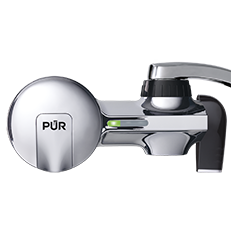
PUR & PUR PLUS FAUCET FILTERS
RF3375/RF9999

View Filters

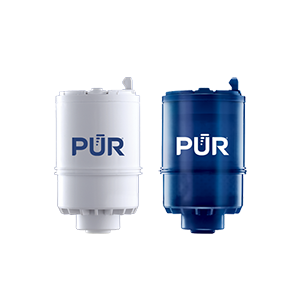
PUR PLUS PITCHER FILTERS
PPF951K

View Filter

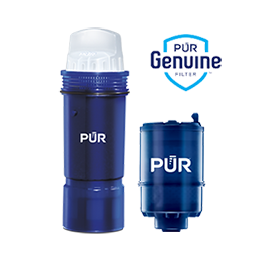
PUR BASIC PITCHER FILTERS
PPF900Z

View Filter


Vs. Brita*

Lead
Microplastics
Mercury
Chlorine Taste & Odor
DEET
TTHM

PUR’s Filtration Systems Are Certified By NSF And WQA For Their Contamination Reduction. WQA certifications as of 5/27/21 for Faucet filter models RF-3375 and RF-9999.

¹ Certified to reduce 10X more chemical and physical substances than Brita’s® leading pitcher filter.
² Certified to reduce 3X more chemical and physical substances than Brita’s® leading pitcher filter.
³ Certified to reduce 2X more chemical and physical substances than Brita’s® leading pitcher filter.
*Versus best-selling Brita® pitcher filter OB03. Brita® is a trademark of Brita LP.
**Like other leading brands, PUR does not filter microbes. As of 3/1/23 Brita® and ZeroWater® were not certified to filter microbes. Brita® is a trademark of Brita LP. ZeroWater® is a trademark of Zero Technologies, LLC..
 

PUR & PUR PLUS FAUCET FILTERS


PUR & PUR PLUS FAUCET FILTERS
RF3375/RF9999

View Filters


Vs. Brita*

Lead
Microplastics
Mercury
Chlorine Taste & Odor
DEET
TTHM

PUR’s Filtration Systems Are Certified By NSF And WQA For Their Contamination Reduction. WQA certifications as of 5/27/21 for Faucet filter models RF-3375 and RF-9999.

¹ Certified to reduce 10X more chemical and physical substances than Brita’s® leading pitcher filter.
² Certified to reduce 3X more chemical and physical substances than Brita’s® leading pitcher filter.
³ Certified to reduce 2X more chemical and physical substances than Brita’s® leading pitcher filter.
*Versus best-selling Brita® pitcher filter OB03. Brita® is a trademark of Brita LP.
**Like other leading brands, PUR does not filter microbes. As of 3/1/23 Brita® and ZeroWater® were not certified to filter microbes. Brita® is a trademark of Brita LP. ZeroWater® is a trademark of Zero Technologies, LLC..


PUR PLUS PITCHER FILTERS


PUR PLUS PITCHER FILTERS
PPF951K

View Filter


Vs. Brita*

Lead
Microplastics
Mercury
Chlorine Taste & Odor
DEET
TTHM

PUR’s Filtration Systems Are Certified By NSF And WQA For Their Contamination Reduction. WQA certifications as of 5/27/21 for Faucet filter models RF-3375 and RF-9999.

¹ Certified to reduce 10X more chemical and physical substances than Brita’s® leading pitcher filter.
² Certified to reduce 3X more chemical and physical substances than Brita’s® leading pitcher filter.
³ Certified to reduce 2X more chemical and physical substances than Brita’s® leading pitcher filter.
*Versus best-selling Brita® pitcher filter OB03. Brita® is a trademark of Brita LP.
**Like other leading brands, PUR does not filter microbes. As of 3/1/23 Brita® and ZeroWater® were not certified to filter microbes. Brita® is a trademark of Brita LP. ZeroWater® is a trademark of Zero Technologies, LLC..


PUR BASIC PITCHER FILTERS


PUR BASIC PITCHER FILTERS
PPF900Z

View Filter


Vs. Brita*

Lead
Microplastics
Mercury
Chlorine Taste & Odor
DEET
TTHM

PUR’s Filtration Systems Are Certified By NSF And WQA For Their Contamination Reduction. WQA certifications as of 5/27/21 for Faucet filter models RF-3375 and RF-9999.

¹ Certified to reduce 10X more chemical and physical substances than Brita’s® leading pitcher filter.
² Certified to reduce 3X more chemical and physical substances than Brita’s® leading pitcher filter.
³ Certified to reduce 2X more chemical and physical substances than Brita’s® leading pitcher filter.
*Versus best-selling Brita® pitcher filter OB03. Brita® is a trademark of Brita LP.
**Like other leading brands, PUR does not filter microbes. As of 3/1/23 Brita® and ZeroWater® were not certified to filter microbes. Brita® is a trademark of Brita LP. ZeroWater® is a trademark of Zero Technologies, LLC..


Why Choose an Electric Eco Bike for Sustainable Commuting?

In recent years, the push for sustainable commuting has gained momentum. One innovative solution is the Electric Eco Bike. Dr. Emily Carter, a leading expert in sustainable transportation, emphasizes its benefits: "Electric Eco Bikes are transforming how we think about urban travel."

Electric Eco Bikes offer an eco-friendly alternative to traditional vehicles. They reduce emissions and encourage healthier lifestyles. However, many commuters still hesitate to make the switch. The idea of incorporating an Electric Eco Bike into daily life can seem daunting.

Realizing the potential of Electric Eco Bikes requires some reflection. They present challenges, like initial costs and learning curves. Yet, these bikes can significantly impact our environment and personal well-being. As urban areas grow, the need for efficient commuting solutions becomes crucial. An Electric Eco Bike might just be the answer we need.

Why Choose an Electric Eco Bike for Sustainable Commuting?

Advantages of Electric Eco Bikes for Daily Commuting

Electric eco bikes are becoming a popular choice for daily commuting. They combine the benefits of traditional cycling with electric assistance. This means less physical strain during your commute, making it suitable for people of all fitness levels. You can easily tackle hills or longer distances. This technology also allows commuters to arrive at work feeling fresh.

Another advantage is the environmental impact. Electric eco bikes produce zero emissions during operation. This contributes to cleaner air in urban areas. Additionally, they reduce reliance on fossil fuels. However, the manufacturing process still involves resources and energy. It’s important to consider the full lifecycle of the bike.

Cost-effectiveness is another factor. Electric eco bikes lower transportation costs compared to cars. They require less maintenance than vehicles, which often need frequent servicing. Yet, the initial investment can be significant. People might hesitate to make the switch without careful consideration. It's an ongoing journey towards sustainable commuting.

Environmental Benefits of Choosing Electric Eco Bikes

Electric eco bikes are an excellent choice for sustainable commuting, offering numerous environmental benefits. According to a study by the European Cyclists' Federation, bicycles produce significantly less CO2 than cars. In fact, cycling emits only 21 grams of CO2 per kilometer, while cars can emit up to 271 grams. This drastic difference highlights the potential for eco bikes to reduce urban air pollution.

Opting for electric eco bikes can also decrease traffic congestion. A report from the Institute for Transportation and Development Policy states that even modest increases in cycling can lead to a 40% reduction in traffic volumes. With fewer cars on the road, cities can enjoy cleaner air and healthier populations. However, it's crucial to consider the energy source for charging. Renewable energy can maximize the ecological benefits.

Tip: Choose electric eco bikes powered by renewable energy to enhance their sustainability. Consider joining local cycling groups for support and knowledge-sharing. Embrace the journey and reflect on your commuting habits, exploring how small changes can have a big impact.

Environmental Benefits of Choosing Electric Eco Bikes

Cost-Effectiveness of Electric Eco Bikes in the Long Run

Electric eco bikes are gaining traction as a sustainable commuting choice. Their cost-effectiveness in the long run is a significant factor. Studies show that electric bikes can save users over $6,000 annually compared to driving a car. Maintenance costs are also lower. A typical electric bike requires minimal upkeep, whereas cars incur expenses such as fuel, insurance, and repairs.

Additionally, electric bikes have lower environmental impacts. According to the European Cyclists' Federation, cycling reduces carbon emissions by 90% compared to driving. With an average lifespan of 10-15 years, an electric bike represents an investment not just in personal convenience but also in sustainable living. It's essential to consider initial expenses against long-term savings.

Tips: Ride regularly to maximize efficiency. Keeping the battery charged properly enhances its lifespan. Evaluate your commute distance. Electric bikes often serve short trips best, making them ideal for urban commuting. In some cases, community-based e-bike programs can offer renting options which reduce the need to buy outright.

Health and Fitness Benefits of Riding an Electric Eco Bike

Riding an electric eco bike offers significant health and fitness benefits. The gentle assistance from the motor encourages more people to ride. This can lead to a more active lifestyle. Regular biking can improve cardiovascular health. It strengthens the heart and boosts endurance. Many riders notice weight loss with consistent use.

Engaging in this activity can also enhance mental well-being. The fresh air and outdoor scenery can reduce stress. Additionally, biking releases endorphins, which improve mood. However, some may find it challenging to start. Building stamina requires commitment. In the beginning, it can feel exhausting. With time, most adapt and enjoy the ride.

Electric eco bikes can bridge the gap for those hesitant about traditional biking. They provide a level of exercise while easing the strain on joints. Yet, it's easy to lean too much on the bike’s power. It’s crucial to keep pedaling actively. Riders should aim for a balance between assisted riding and physical exertion. This ensures the health benefits are fully realized.

The Role of Electric Eco Bikes in Urban Transportation Solutions

Electric eco bikes are becoming vital for urban transportation. They help reduce traffic congestion and lower emissions. Cities worldwide are adopting these bikes to create cleaner air and sustainable living spaces. Electric bikes offer an efficient way to navigate busy streets while minimizing carbon footprints.

Tips: When choosing an electric eco bike, consider your commute distance and terrain. A bike with a solid battery range can make long rides more manageable. Look for features like lightweight frames and comfortable seating for a better riding experience.

Many urban areas lack the infrastructure for bike lanes. This can pose challenges for safety and convenience. Cyclists may find themselves sharing roads with cars. Local governments must invest in developing dedicated bike paths. This would encourage more people to make the switch to eco-friendly commuting.

Tips: Always wear a helmet when riding an electric bike. It enhances your safety, especially in high-traffic areas. Stay visible by using lights and reflective gear. Awareness is essential for avoiding accidents and enjoying a smooth commute.