Contaminant Comparison Chart

For a complete list of contaminants that PUR filters reduce, please view our Performance Data Sheets here.


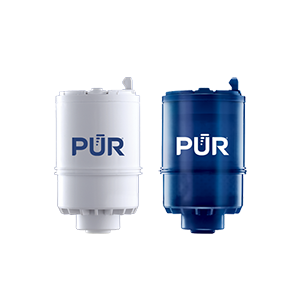
PUR & PUR PLUS FAUCET FILTERS
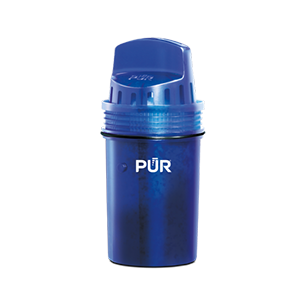
RF3375/RF9999

View Filters

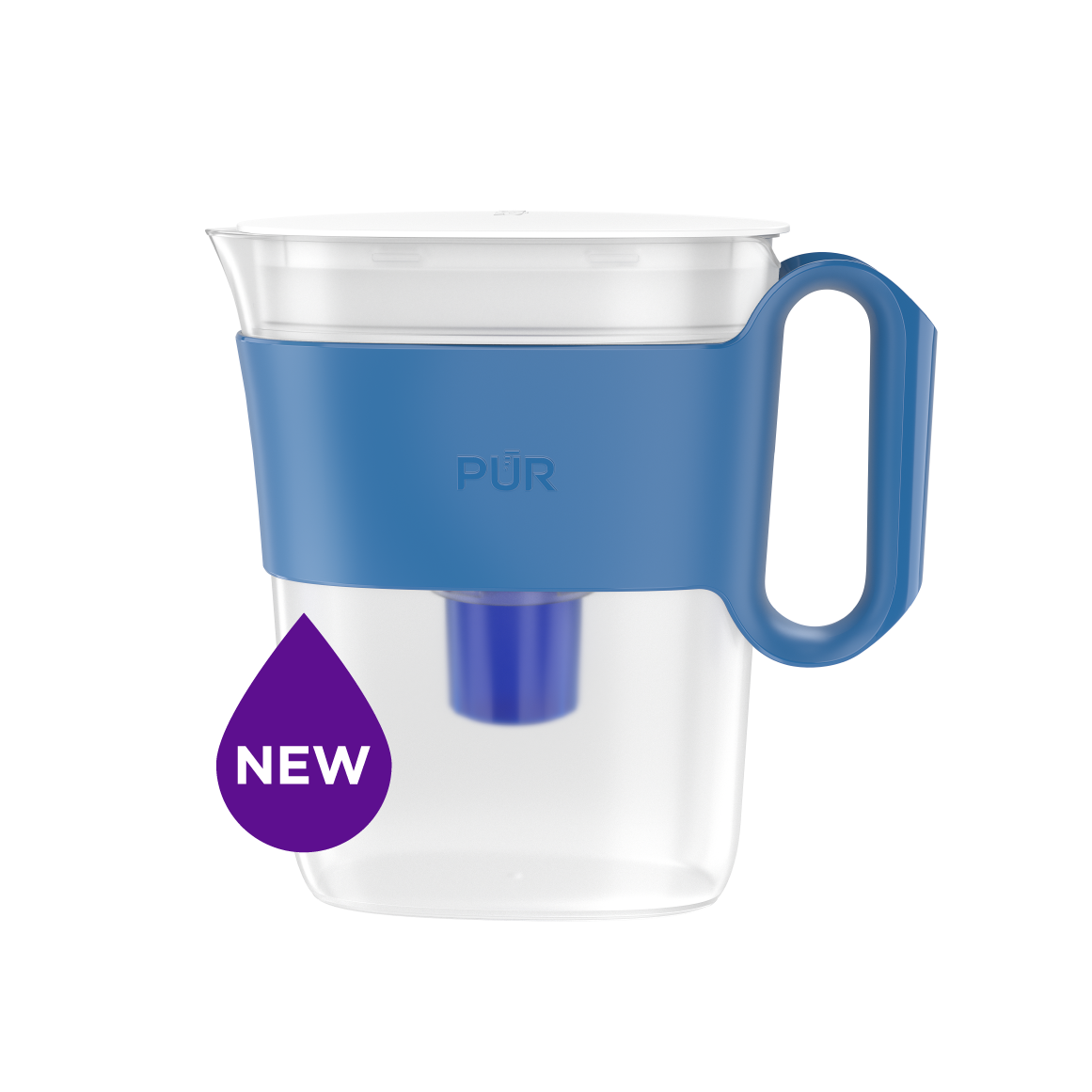
PUR PLUS PITCHER FILTERS
PPF951K

View Filter

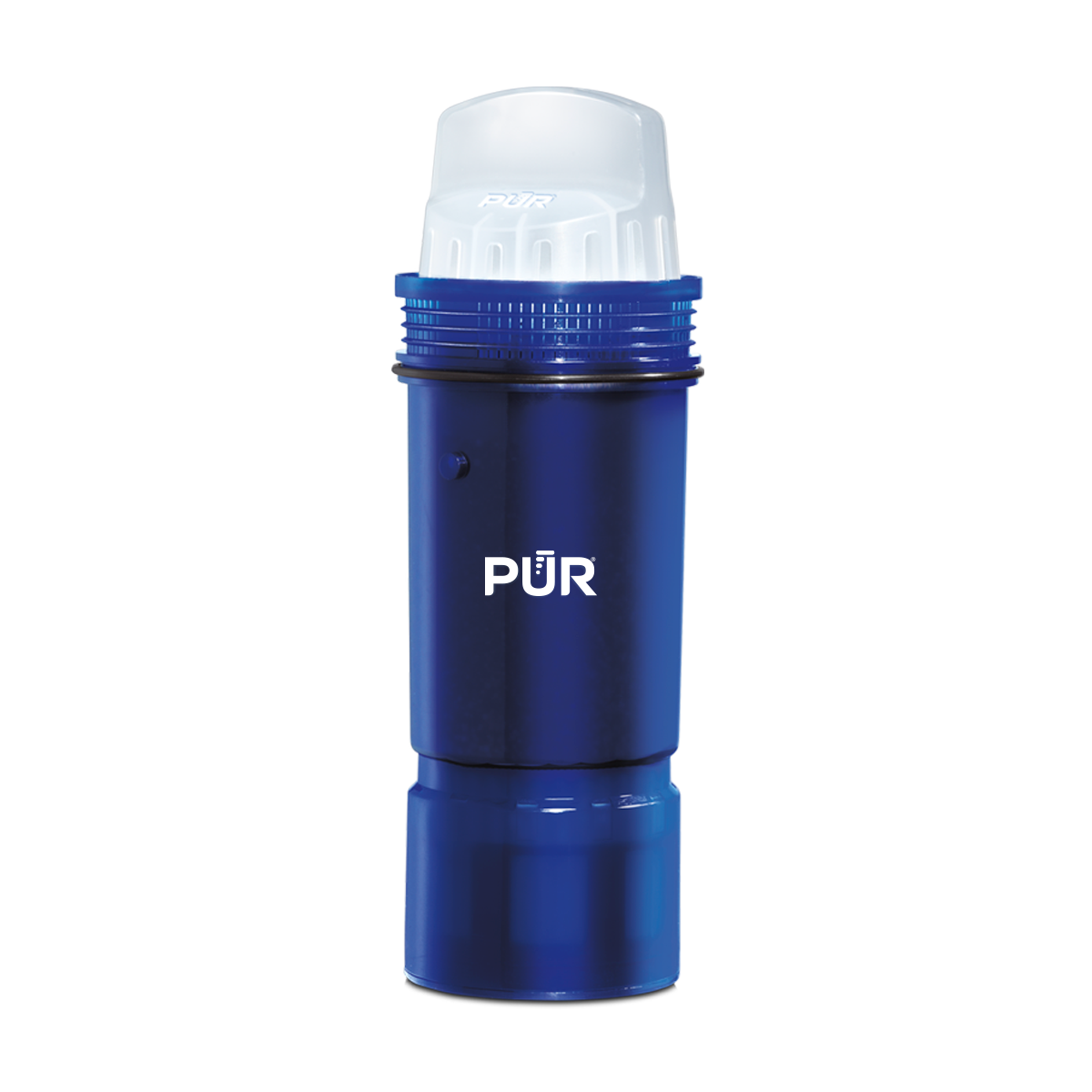
PUR BASIC PITCHER FILTERS
PPF900Z

View Filter


Vs. Brita*

Lead
Microplastics
Mercury
Chlorine Taste & Odor
DEET
TTHM

PUR’s Filtration Systems Are Certified By NSF And WQA For Their Contamination Reduction. WQA certifications as of 5/27/21 for Faucet filter models RF-3375 and RF-9999.

¹ Certified to reduce 10X more chemical and physical substances than Brita’s® leading pitcher filter.
² Certified to reduce 3X more chemical and physical substances than Brita’s® leading pitcher filter.
³ Certified to reduce 2X more chemical and physical substances than Brita’s® leading pitcher filter.
*Versus best-selling Brita® pitcher filter OB03. Brita® is a trademark of Brita LP.
**Like other leading brands, PUR does not filter microbes. As of 3/1/23 Brita® and ZeroWater® were not certified to filter microbes. Brita® is a trademark of Brita LP. ZeroWater® is a trademark of Zero Technologies, LLC..
 

PUR & PUR PLUS FAUCET FILTERS


PUR & PUR PLUS FAUCET FILTERS
RF3375/RF9999

View Filters


Vs. Brita*

Lead
Microplastics
Mercury
Chlorine Taste & Odor
DEET
TTHM

PUR’s Filtration Systems Are Certified By NSF And WQA For Their Contamination Reduction. WQA certifications as of 5/27/21 for Faucet filter models RF-3375 and RF-9999.

¹ Certified to reduce 10X more chemical and physical substances than Brita’s® leading pitcher filter.
² Certified to reduce 3X more chemical and physical substances than Brita’s® leading pitcher filter.
³ Certified to reduce 2X more chemical and physical substances than Brita’s® leading pitcher filter.
*Versus best-selling Brita® pitcher filter OB03. Brita® is a trademark of Brita LP.
**Like other leading brands, PUR does not filter microbes. As of 3/1/23 Brita® and ZeroWater® were not certified to filter microbes. Brita® is a trademark of Brita LP. ZeroWater® is a trademark of Zero Technologies, LLC..
 

PUR PLUS PITCHER FILTERS


PUR PLUS PITCHER FILTERS
PPF951K

View Filter


Vs. Brita*

Lead
Microplastics
Mercury
Chlorine Taste & Odor
DEET
TTHM

PUR’s Filtration Systems Are Certified By NSF And WQA For Their Contamination Reduction. WQA certifications as of 5/27/21 for Faucet filter models RF-3375 and RF-9999.

¹ Certified to reduce 10X more chemical and physical substances than Brita’s® leading pitcher filter.
² Certified to reduce 3X more chemical and physical substances than Brita’s® leading pitcher filter.
³ Certified to reduce 2X more chemical and physical substances than Brita’s® leading pitcher filter.
*Versus best-selling Brita® pitcher filter OB03. Brita® is a trademark of Brita LP.
**Like other leading brands, PUR does not filter microbes. As of 3/1/23 Brita® and ZeroWater® were not certified to filter microbes. Brita® is a trademark of Brita LP. ZeroWater® is a trademark of Zero Technologies, LLC..
 

PUR BASIC PITCHER FILTERS


PUR BASIC PITCHER FILTERS
PPF900Z

View Filter


Vs. Brita*

Lead
Microplastics
Mercury
Chlorine Taste & Odor
DEET
TTHM

PUR’s Filtration Systems Are Certified By NSF And WQA For Their Contamination Reduction. WQA certifications as of 5/27/21 for Faucet filter models RF-3375 and RF-9999.

¹ Certified to reduce 10X more chemical and physical substances than Brita’s® leading pitcher filter.
² Certified to reduce 3X more chemical and physical substances than Brita’s® leading pitcher filter.
³ Certified to reduce 2X more chemical and physical substances than Brita’s® leading pitcher filter.
*Versus best-selling Brita® pitcher filter OB03. Brita® is a trademark of Brita LP.
**Like other leading brands, PUR does not filter microbes. As of 3/1/23 Brita® and ZeroWater® were not certified to filter microbes. Brita® is a trademark of Brita LP. ZeroWater® is a trademark of Zero Technologies, LLC..
 

10 Essential Tips for Choosing the Best Countertop Water Filter for Your Home

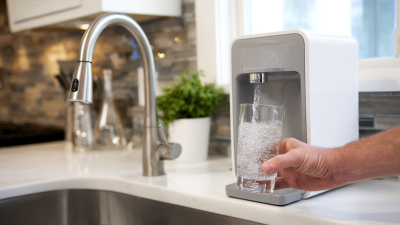
When it comes to ensuring the safety and quality of the water we consume at home, choosing the right countertop water filter is paramount. As water quality expert Dr. Emily Campbell states, "Investing in a reliable countertop water filter not only improves the taste of your water but also safeguards your health by reducing harmful contaminants." With a plethora of options available on the market, it can be overwhelming for homeowners to navigate through the various features and specifications to find the perfect solution for their needs.

A countertop water filter provides a convenient option for purifying drinking water without the need for permanent installation. Factors such as filtration capabilities, flow rate, and maintenance requirements significantly influence the effectiveness of these systems. In this guide, we will explore ten essential tips to help you make an informed decision when selecting the best countertop water filter for your home. By understanding these crucial aspects, you can enhance your water quality and ensure that every glass you pour contributes to your overall well-being.

10 Essential Tips for Choosing the Best Countertop Water Filter for Your Home

Factors to Consider When Selecting a Countertop Water Filter

10 Essential Tips for Choosing the Best Countertop Water Filter for Your Home

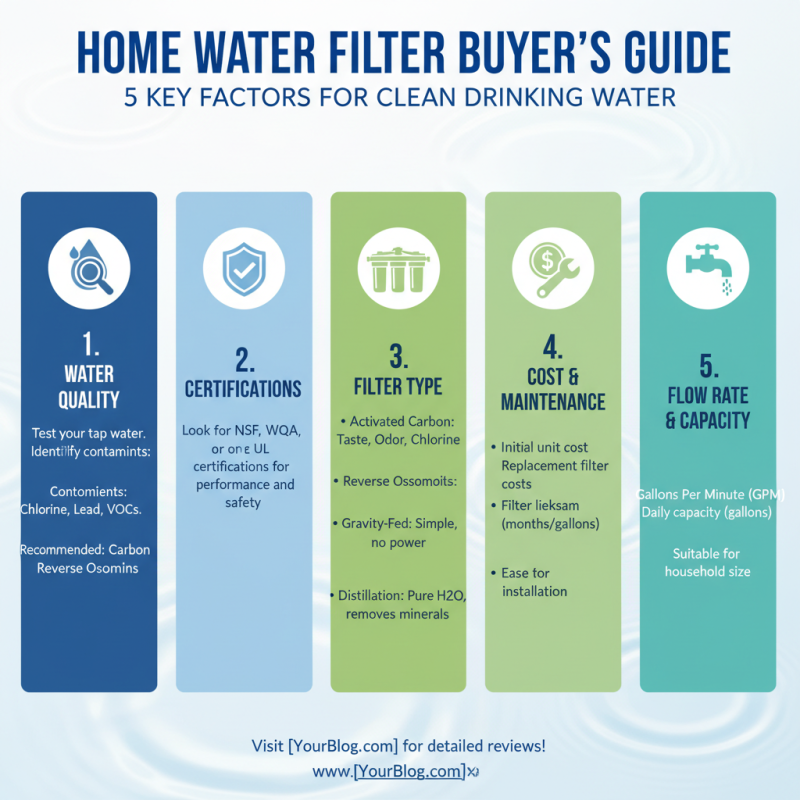
When selecting a countertop water filter for your home, there are several key factors to consider to ensure that you choose the best option for your needs. First and foremost, water quality should be your top priority. According to the Environmental Protection Agency (EPA), contaminants such as chlorine, lead, and volatile organic compounds can significantly impact drinking water safety. A comprehensive water test can help identify specific pollutants present in your water, allowing you to select a filter that effectively targets these contaminants. Filters with activated carbon or reverse osmosis technology are often recommended for their ability to improve water taste and safety.

Another essential factor to consider is the filtration capacity and maintenance requirements of the unit. Research indicates that many households utilize approximately 80 gallons of water per week for cooking and drinking alone. Consequently, selecting a filter with an adequate flow rate and capacity is crucial to meet daily needs without constant interruptions for maintenance. In addition, ease of filter replacement is an important aspect, as filters should be replaced regularly to maintain effectiveness. A filter that requires minimal effort for cartridge changes can save both time and hassle, ensuring that you stay on top of your water quality throughout the year.

Understanding Different Types of Countertop Water Filters

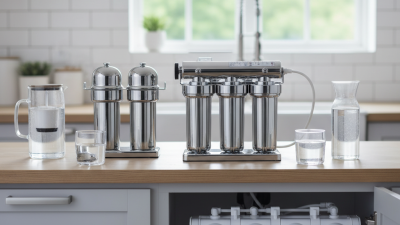
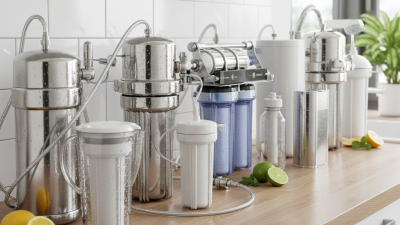
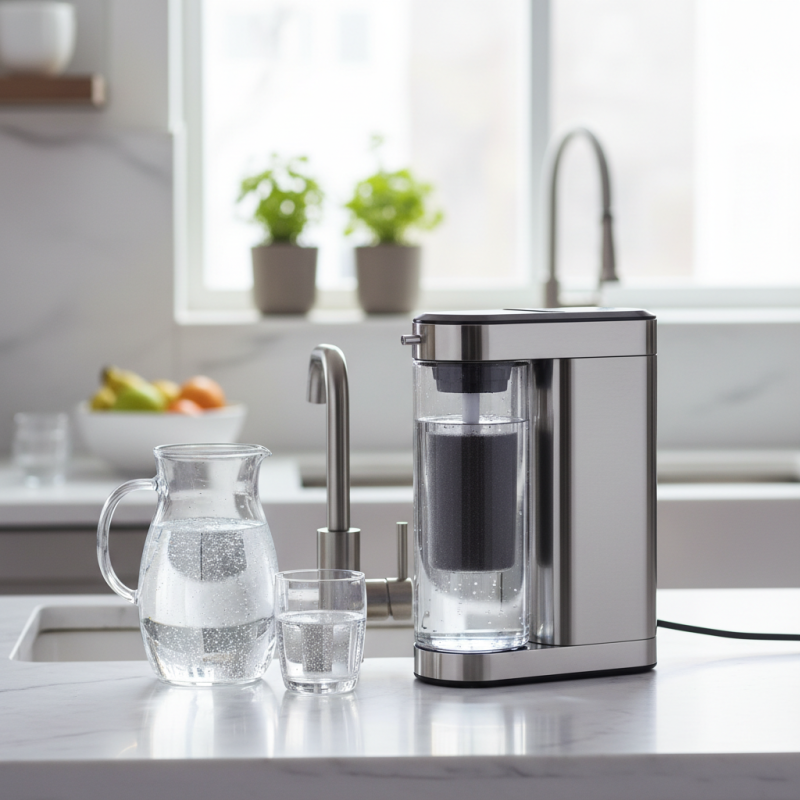
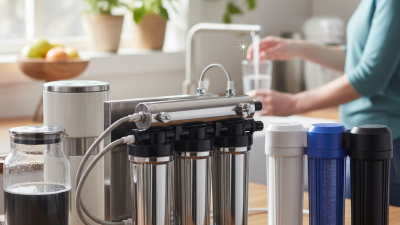
When selecting a countertop water filter, it’s crucial to understand the different types available to find the best fit for your home. Filters such as activated carbon, reverse osmosis, and ultraviolet (UV) systems each have unique functions and benefits. Activated carbon filters effectively reduce chlorine taste and odor, making them ideal for improving the flavor of your tap water. On the other hand, reverse osmosis systems can remove a broader range of contaminants, including heavy metals and dissolved solids, providing you with purified water. UV filters are excellent for disinfection, destroying bacteria and viruses, ensuring safe drinking water.

Tip: Before making a decision, assess your water quality by testing for specific contaminants. This will help you choose a filter that targets your primary concerns. Additionally, consider the filter's flow rate and capacity; some may be better suited for large families or heavy usage than others.

Another important factor is maintenance and filter replacement frequency. Some filters require more regular changes, while others offer longer-lasting solutions. Researching these aspects can save you time and money in the long run. Always look for features that simplify the maintenance process and ensure the efficiency of the unit.

Comparison of Different Types of Countertop Water Filters

Evaluating Filtration Technology and Efficiency

When it comes to selecting the best countertop water filter for your home, understanding filtration technology and efficiency is paramount. Different filtration methods provide varying levels of contaminants removal, so it's crucial to evaluate the technology behind each option. Common technologies include activated carbon filters, reverse osmosis systems, and UV purification. Activated carbon is renowned for its ability to reduce chlorine, sediment, and some organic compounds, while reverse osmosis uses a semipermeable membrane to eliminate a broader spectrum of contaminants, including heavy metals and bacteria. UV purification, on the other hand, is effective in neutralizing microorganisms, making it a great addition to other filtration methods for comprehensive protection.

Efficiency is another key factor to consider. A water filter's efficiency is often measured by its flow rate and the lifespan of its filters. A higher flow rate indicates that the system can provide filtered water more quickly, which is essential for daily use. Moreover, look for filters that have longer filter replacement intervals; this not only enhances convenience but also reduces the frequency of maintenance required. Additionally, check for certification from recognized organizations, as this can provide assurance of the filter's performance in terms of contaminant removal and overall safety. By carefully evaluating both filtration technology and efficiency, you can ensure that your chosen countertop water filter meets your household's specific needs for clean and safe drinking water.

10 Essential Tips for Choosing the Best Countertop Water Filter for Your Home

Filtration Technology Contaminants Removed Filter Lifespan (Months) Flow Rate (GPM) Price Range ($)
Activated Carbon Chlorine, Sediments, VOCs 6-12 0.5 30-120
Reverse Osmosis Heavy Metals, Salts, Fluoride 24-36 0.3 150-500
Ultraviolet (UV) Bacteria, Viruses 12-18 1.0 100-300
Ceramic Bacteria, Sediments 6-12 0.4 20-80
Ion Exchange Heavy Metals, Hardness 12-24 0.5 50-150

Assessing Cost-Effectiveness and Maintenance Requirements

When selecting a countertop water filter for your home, understanding cost-effectiveness and maintenance requirements is crucial to making an informed decision. According to a report from the Water Quality Association, the average home can save up to 50% on bottled water expenses by investing in a countertop filter system, which typically ranges from $150 to $500 initially. This investment can pay off in less than a year, particularly for households that consume large amounts of water.

In addition to initial costs, potential owners should consider the long-term maintenance required for these filtration systems. Many countertop filters include replaceable cartridges that must be changed every six months to one year, with replacement costs averaging between $30 and $100. The Environmental Protection Agency suggests regular checks and maintenance schedules to ensure that filters perform effectively, which can aid in prolonging the lifespan of your system. Understanding these dynamics not only reveals the financial implications but also underscores the importance of routine upkeep in ensuring that your drinking water remains clean and safe over time.

Reading Consumer Reviews and Expert Ratings for Guidance

10 Essential Tips for Choosing the Best Countertop Water Filter for Your Home

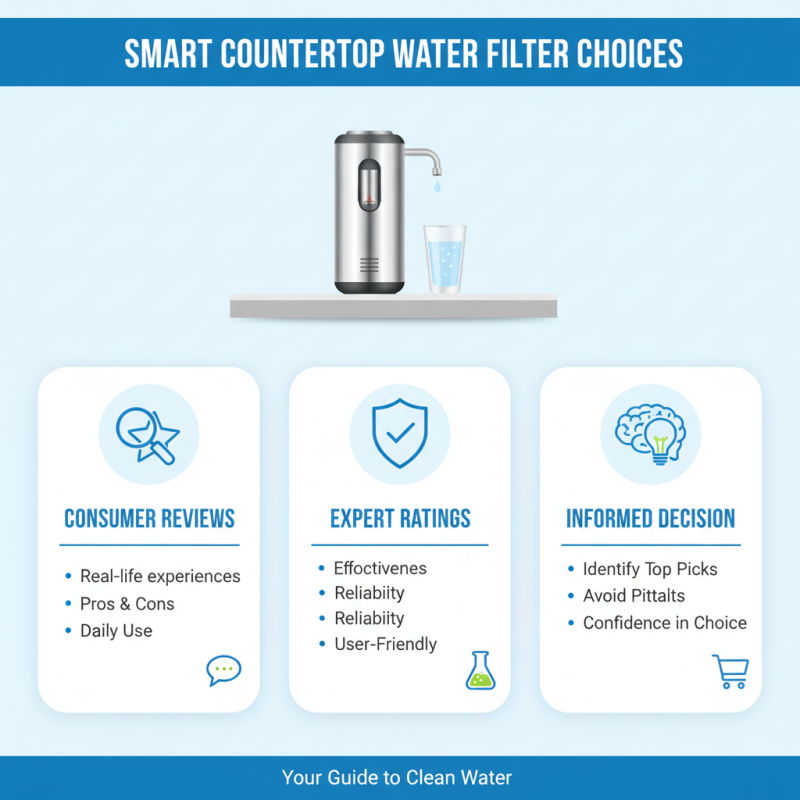
When selecting a countertop water filter for your home, turning to consumer reviews and expert ratings can offer invaluable insights. These resources can help you identify which filters are most effective, reliable, and user-friendly. Consumers often share their real-life experiences, detailing how a particular filter has performed in day-to-day use. By paying attention to both the positive and negative reviews, potential buyers can get a clearer picture of the product's strengths and weaknesses, enabling informed decision-making.

Expert ratings also play a crucial role in the selection process. Industry professionals often conduct thorough tests and evaluations, assessing factors such as filtration efficiency, ease of installation, and overall durability. Their insights can spotlight filters that have undergone rigorous testing and met high standards of safety and performance. When combined, consumer feedback and expert evaluations provide a comprehensive view of what to expect from different countertop water filters, guiding you towards the most suitable option for your needs.