Contaminant Comparison Chart

For a complete list of contaminants that PUR filters reduce, please view our Performance Data Sheets here.


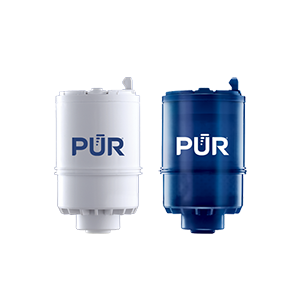
PUR & PUR PLUS FAUCET FILTERS
RF3375/RF9999

View Filters

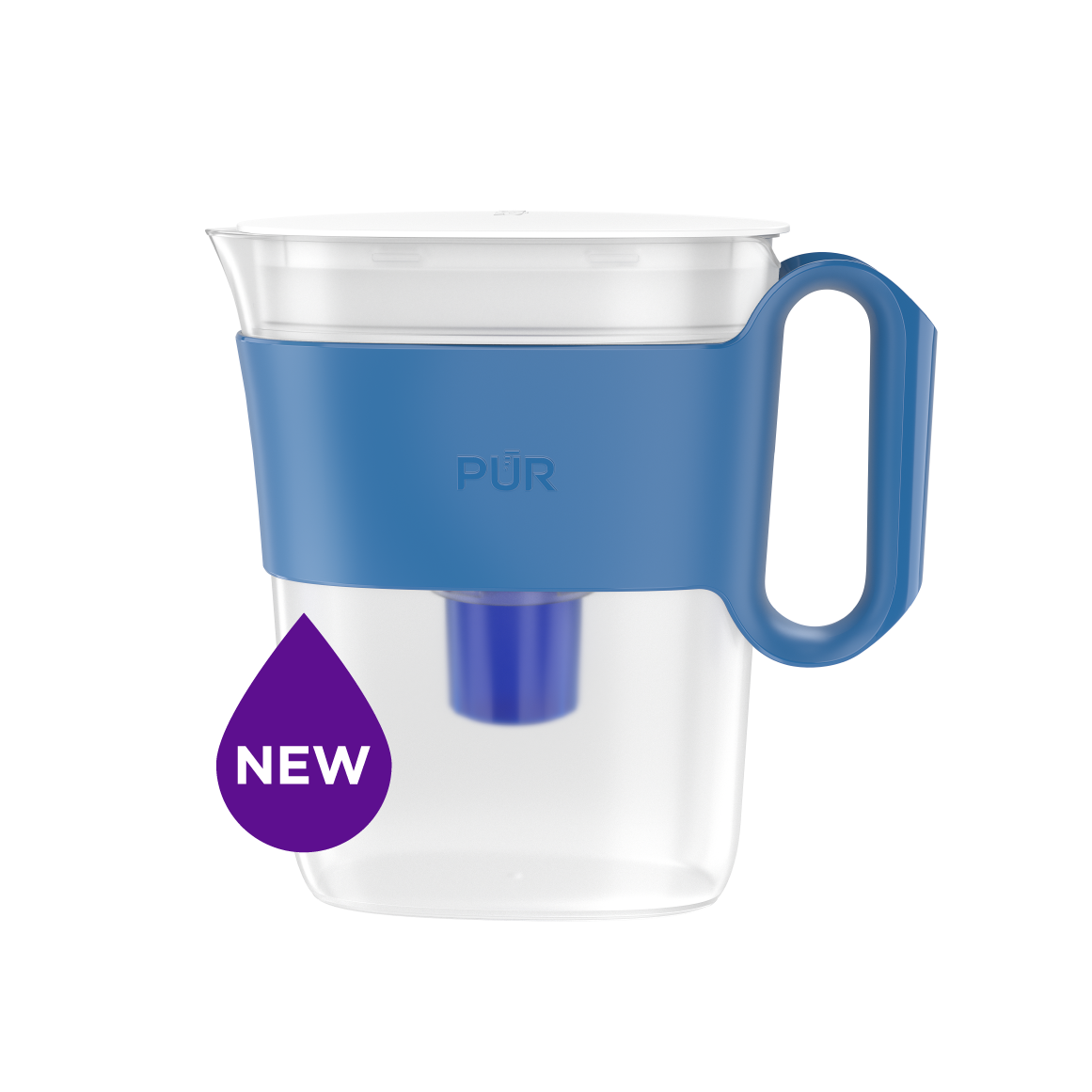
PUR PLUS PITCHER FILTERS
PPF951K

View Filter

PUR BASIC PITCHER FILTERS
PPF900Z

View Filter


Vs. Brita*

Lead
Microplastics
Mercury
Chlorine Taste & Odor
DEET
TTHM

PUR’s Filtration Systems Are Certified By NSF And WQA For Their Contamination Reduction. WQA certifications as of 5/27/21 for Faucet filter models RF-3375 and RF-9999.

¹ Certified to reduce 10X more chemical and physical substances than Brita’s® leading pitcher filter.
² Certified to reduce 3X more chemical and physical substances than Brita’s® leading pitcher filter.
³ Certified to reduce 2X more chemical and physical substances than Brita’s® leading pitcher filter.
*Versus best-selling Brita® pitcher filter OB03. Brita® is a trademark of Brita LP.
**Like other leading brands, PUR does not filter microbes. As of 3/1/23 Brita® and ZeroWater® were not certified to filter microbes. Brita® is a trademark of Brita LP. ZeroWater® is a trademark of Zero Technologies, LLC..
 

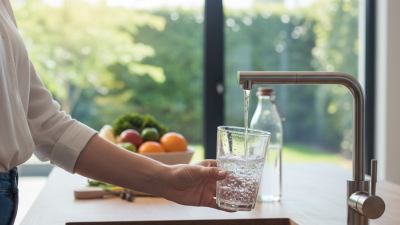
PUR & PUR PLUS FAUCET FILTERS


PUR & PUR PLUS FAUCET FILTERS
RF3375/RF9999

View Filters


Vs. Brita*

Lead
Microplastics
Mercury
Chlorine Taste & Odor
DEET
TTHM

PUR’s Filtration Systems Are Certified By NSF And WQA For Their Contamination Reduction. WQA certifications as of 5/27/21 for Faucet filter models RF-3375 and RF-9999.

¹ Certified to reduce 10X more chemical and physical substances than Brita’s® leading pitcher filter.
² Certified to reduce 3X more chemical and physical substances than Brita’s® leading pitcher filter.
³ Certified to reduce 2X more chemical and physical substances than Brita’s® leading pitcher filter.
*Versus best-selling Brita® pitcher filter OB03. Brita® is a trademark of Brita LP.
**Like other leading brands, PUR does not filter microbes. As of 3/1/23 Brita® and ZeroWater® were not certified to filter microbes. Brita® is a trademark of Brita LP. ZeroWater® is a trademark of Zero Technologies, LLC..
 

PUR PLUS PITCHER FILTERS


PUR PLUS PITCHER FILTERS
PPF951K

View Filter


Vs. Brita*

Lead
Microplastics
Mercury
Chlorine Taste & Odor
DEET
TTHM

PUR’s Filtration Systems Are Certified By NSF And WQA For Their Contamination Reduction. WQA certifications as of 5/27/21 for Faucet filter models RF-3375 and RF-9999.

¹ Certified to reduce 10X more chemical and physical substances than Brita’s® leading pitcher filter.
² Certified to reduce 3X more chemical and physical substances than Brita’s® leading pitcher filter.
³ Certified to reduce 2X more chemical and physical substances than Brita’s® leading pitcher filter.
*Versus best-selling Brita® pitcher filter OB03. Brita® is a trademark of Brita LP.
**Like other leading brands, PUR does not filter microbes. As of 3/1/23 Brita® and ZeroWater® were not certified to filter microbes. Brita® is a trademark of Brita LP. ZeroWater® is a trademark of Zero Technologies, LLC..
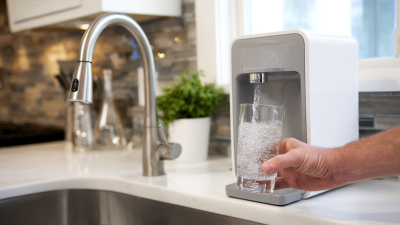
 

PUR BASIC PITCHER FILTERS


PUR BASIC PITCHER FILTERS
PPF900Z

View Filter


Vs. Brita*

Lead
Microplastics
Mercury
Chlorine Taste & Odor
DEET
TTHM

PUR’s Filtration Systems Are Certified By NSF And WQA For Their Contamination Reduction. WQA certifications as of 5/27/21 for Faucet filter models RF-3375 and RF-9999.

¹ Certified to reduce 10X more chemical and physical substances than Brita’s® leading pitcher filter.
² Certified to reduce 3X more chemical and physical substances than Brita’s® leading pitcher filter.
³ Certified to reduce 2X more chemical and physical substances than Brita’s® leading pitcher filter.
*Versus best-selling Brita® pitcher filter OB03. Brita® is a trademark of Brita LP.
**Like other leading brands, PUR does not filter microbes. As of 3/1/23 Brita® and ZeroWater® were not certified to filter microbes. Brita® is a trademark of Brita LP. ZeroWater® is a trademark of Zero Technologies, LLC..


10 Essential Tips for Choosing the Right Water Filter for Your Home

Choosing the right water filter is crucial for ensuring clean and safe drinking water at home. With so many options available, this decision can be overwhelming. A water filter not only purifies your water but also influences your family's health. The quality of water you consume daily matters significantly.

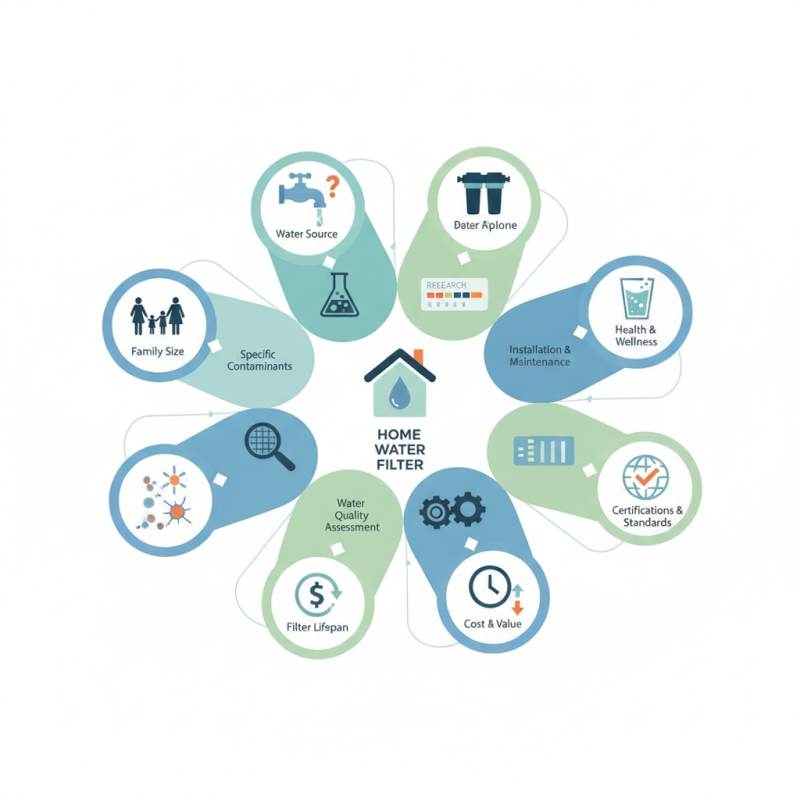
Each household has different needs. Factors like the source of water, the family size, and specific contaminants all play a role in this decision. Many people overlook these details, leading to dissatisfaction with their filter choice. A water filter should fit seamlessly into your lifestyle, and it's essential to do thorough research.

Take time to understand the technologies available. Some filters excel at removing specific contaminants while others may not perform as well. Assessing your water's quality is vital, yet many homeowners fail to conduct this evaluation. It’s a learning process, one filled with both clarity and confusion. In this guide, we will explore ten essential tips that can help you make an informed choice for your home.

10 Essential Tips for Choosing the Right Water Filter for Your Home

Understanding Water Contaminants and Their Health Impacts

Water quality is a growing concern for many households. Contaminants like lead, chlorine, and bacteria can severely impact health. According to the Environmental Protection Agency (EPA), nearly 15% of community water systems have reported violations in safety standards. This raises alarms about the hidden dangers in our tap water.

Understanding the types of contaminants is crucial. Lead can come from old pipes and can affect brain development in children. Chlorine is commonly used for disinfection but may produce harmful byproducts. Microbial contaminants, such as E. coli, can cause serious digestive issues. Research indicates that exposure to these substances can lead to long-term health effects.

When choosing a water filter, consider these tips. Assess your water's current quality using a test kit. Look for filters that specifically target contaminants in your area. Certification from an independent lab ensures the filter meets safety standards. Don’t forget to replace filters regularly. This simple step maintains the filter's effectiveness. Remember, a good water filter protects not just your water, but your family’s health too.

Water Contaminants and Their Health Impacts

Types of Water Filters Available for Home Use

When selecting a water filter for your home, understanding the different types available is crucial. There are several options, including activated carbon filters, reverse osmosis systems, and pitcher filters. Activated carbon filters excel at removing chlorine and sediment, improving taste. They are often compact and easy to install.

Consider how much space you have. Some filters, like under-sink reverse osmosis systems, need additional room. Pitcher filters are portable but require regular filling. You must also think about your water source. Well water may need more robust filtration than city water.

One tip is to check the filter's certification. Not all filters remove contaminants effectively. Experiencing unclear water may indicate you need a better option. Sometimes, families may overlook regular maintenance tasks, like changing cartridges. This can lead to less effective filtration. Think about what your water needs are and choose accordingly.

Factors to Consider When Choosing a Water Filter

When choosing a water filter for your home, consider the specific contaminants present in your water supply. Get a water quality report. This helps identify impurities like lead, chlorine, and bacteria. It guides your filter choice effectively. Remember, not all filters remove the same contaminants. Research different types, such as activated carbon, reverse osmosis, and UV purifiers.

Think about the filter's capacity and maintenance needs. Some filters require frequent replacements, while others can last longer. Evaluate your household's water consumption too. If you have a large family, a filter with a higher capacity might be necessary. Don't overlook the installation process. Some systems are complex. Others are simple and user-friendly. Cost is also a factor. Budget-friendly options may save money now but could lead to higher costs over time with frequent replacements. Test your choices. Reflect on what works best for your needs.

10 Essential Tips for Choosing the Right Water Filter for Your Home

Factor Description Importance Level
Water Quality Assess the contaminants present in your water. High
Filter Type Choose between activated carbon, reverse osmosis, or UV filters. Medium
Filter Lifespan Check how often filters need to be replaced. High
Installation Determine if you can install it yourself or need professional help. Medium
Maintenance Understand what maintenance tasks are required. Medium
Cost Evaluate the initial purchase and ongoing costs. High
Certifications Look for certifications from health organizations. High
User Reviews Research what other users say about performance. Medium
Capacity Check the filter’s capacity based on your household needs. Medium
Aesthetic Consider the design and how it fits in your home. Low

Evaluating Filter Performance and Certification Standards

Choosing the right water filter involves more than just price. Evaluating filter performance is critical for ensuring clean, healthy drinking water. Look for filters that reduce contaminants like chlorine, lead, and sediment. Many products boast high performance, but it's essential to dig deeper. Not all filters work the same way in every home.

Certification standards play an essential role. Certifications from recognized organizations can indicate a filter's effectiveness. Check if the filter meets the NSF/ANSI standards. These benchmarks ensure the filter will perform as promised. However, some filters may not receive certification despite claims of superior quality. This raises questions about their reliability and safety.

Understand the specific needs of your household. A filter that suits one family might not suit another. It's frustrating when a filter fails to meet expectations, especially regarding taste and clarity. Make sure to read reviews and seek feedback from real users. Sometimes, a high price tag doesn't guarantee quality. Critically assess each option, taking the time to research. This diligence can prevent costly mistakes down the line.

Maintenance and Replacement Guidelines for Water Filters

10 Essential Tips for Choosing the Right Water Filter for Your Home

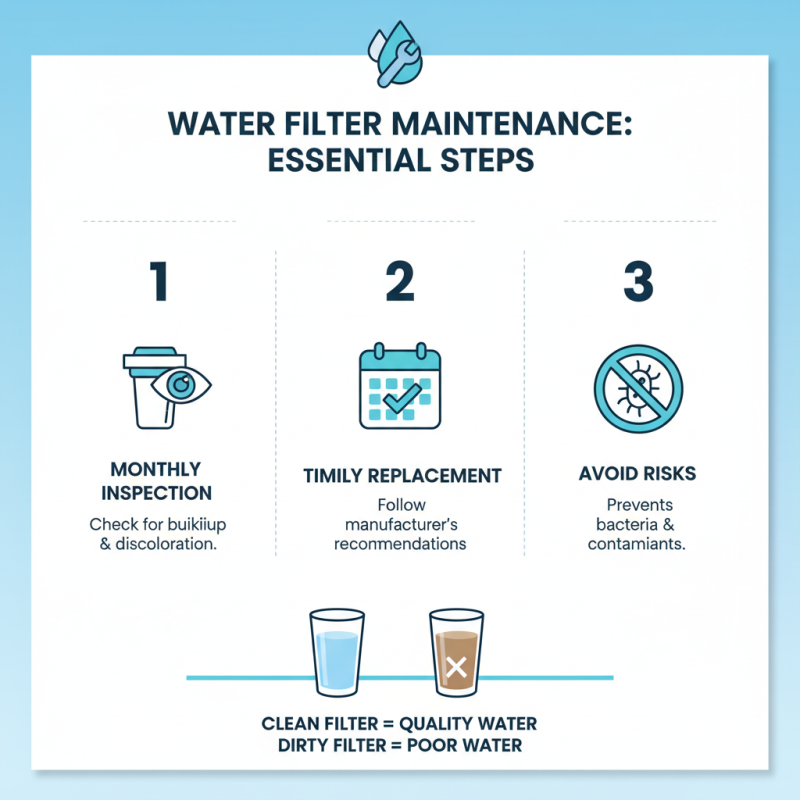
When it comes to water filters, maintenance is key. Regularly checking your water filter will help ensure it functions properly. Change the filter as recommended by the manufacturer. Ignoring this can lead to reduced water quality. A dirty filter can harbor bacteria and other contaminants. Inspect your filter every month for buildup or discoloration.

It's also important to flush the filter after replacing it. This process clears out any loose particles. Many people forget this step, which can affect taste and effectiveness. Keep a calendar reminder for replacements. Filters are often overlooked until problems arise.

To prolong the lifespan of your filter, avoid excessive exposure to heat. Keep it in a cool, dry area. Regular cleaning can also help. Use mild soap and water for the housing. Pay attention to your water usage. High consumption may require more frequent changes. This ensures you’re always drinking clean, safe water.