Contaminant Comparison Chart

For a complete list of contaminants that PUR filters reduce, please view our Performance Data Sheets here.


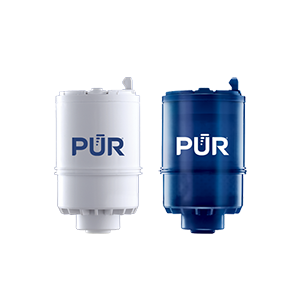
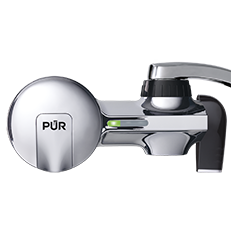
PUR & PUR PLUS FAUCET FILTERS
RF3375/RF9999

View Filters

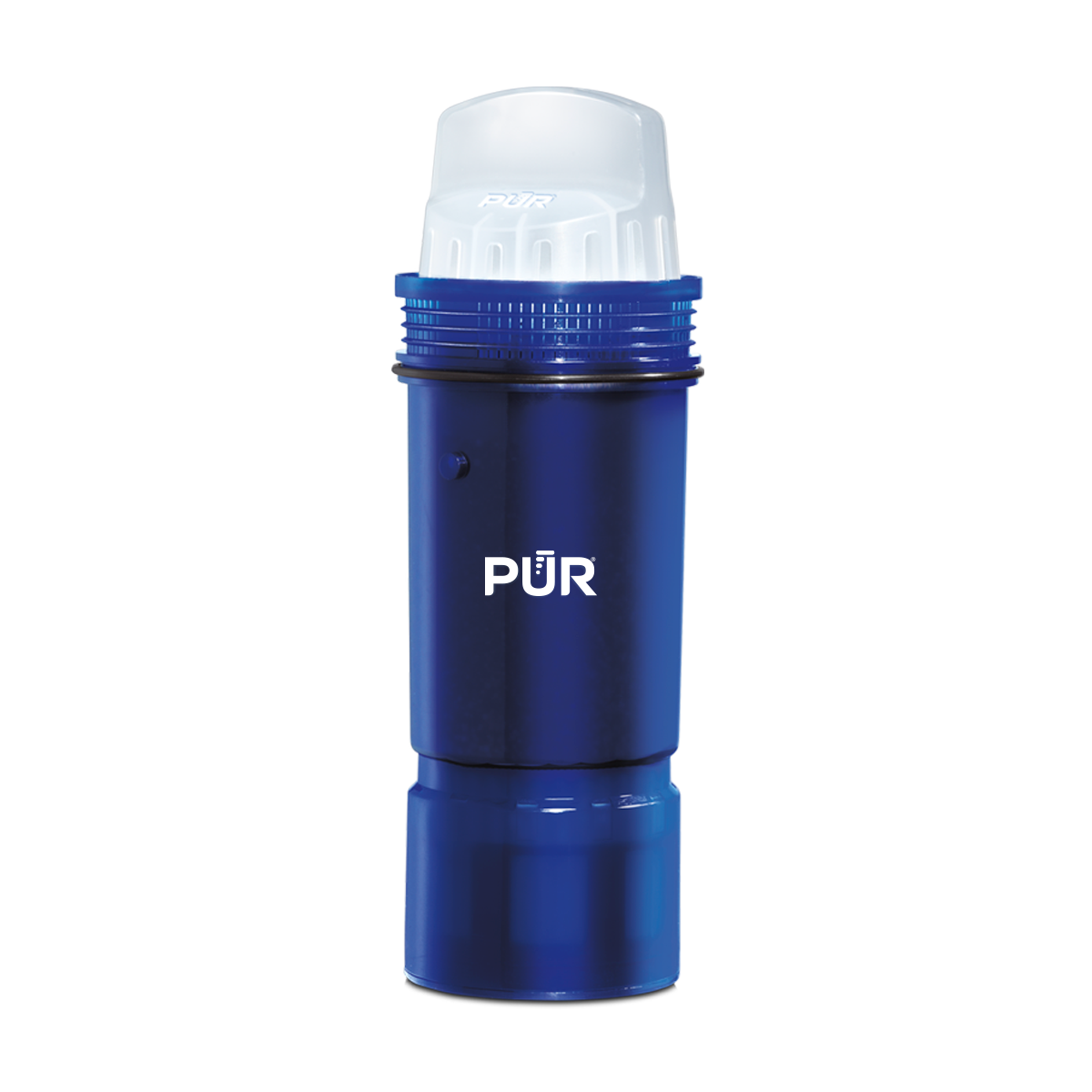
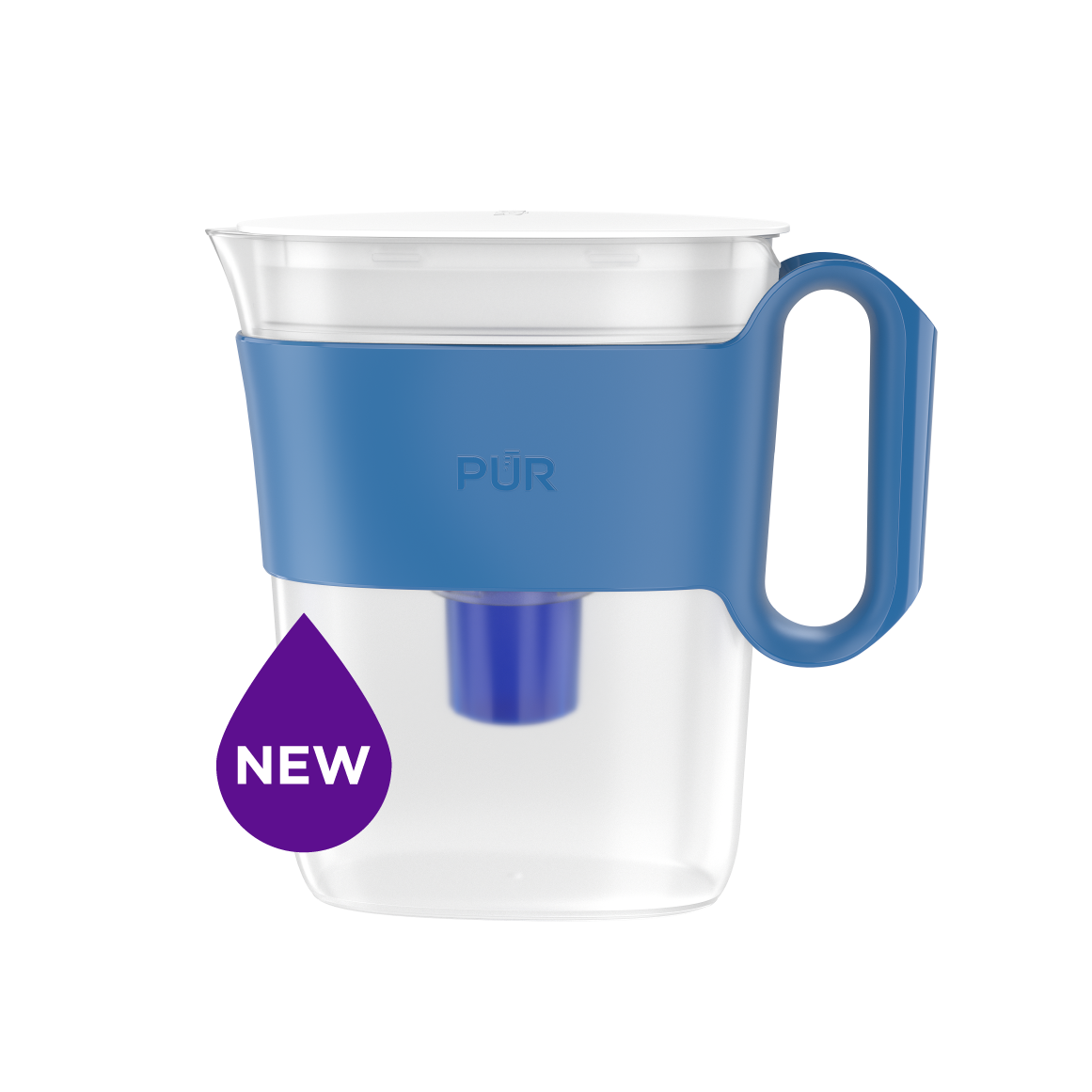
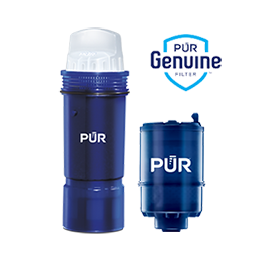
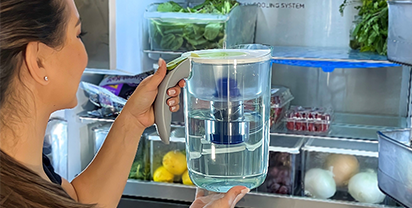
PUR PLUS PITCHER FILTERS
PPF951K

View Filter

PUR BASIC PITCHER FILTERS
PPF900Z

View Filter


Vs. Brita*

Lead
Microplastics
Mercury
Chlorine Taste & Odor
DEET
TTHM

PUR’s Filtration Systems Are Certified By NSF And WQA For Their Contamination Reduction. WQA certifications as of 5/27/21 for Faucet filter models RF-3375 and RF-9999.

¹ Certified to reduce 10X more chemical and physical substances than Brita’s® leading pitcher filter.
² Certified to reduce 3X more chemical and physical substances than Brita’s® leading pitcher filter.
³ Certified to reduce 2X more chemical and physical substances than Brita’s® leading pitcher filter.
*Versus best-selling Brita® pitcher filter OB03. Brita® is a trademark of Brita LP.
**Like other leading brands, PUR does not filter microbes. As of 3/1/23 Brita® and ZeroWater® were not certified to filter microbes. Brita® is a trademark of Brita LP. ZeroWater® is a trademark of Zero Technologies, LLC..
 

PUR & PUR PLUS FAUCET FILTERS


PUR & PUR PLUS FAUCET FILTERS
RF3375/RF9999

View Filters


Vs. Brita*

Lead
Microplastics
Mercury
Chlorine Taste & Odor
DEET
TTHM

PUR’s Filtration Systems Are Certified By NSF And WQA For Their Contamination Reduction. WQA certifications as of 5/27/21 for Faucet filter models RF-3375 and RF-9999.

¹ Certified to reduce 10X more chemical and physical substances than Brita’s® leading pitcher filter.
² Certified to reduce 3X more chemical and physical substances than Brita’s® leading pitcher filter.
³ Certified to reduce 2X more chemical and physical substances than Brita’s® leading pitcher filter.
*Versus best-selling Brita® pitcher filter OB03. Brita® is a trademark of Brita LP.
**Like other leading brands, PUR does not filter microbes. As of 3/1/23 Brita® and ZeroWater® were not certified to filter microbes. Brita® is a trademark of Brita LP. ZeroWater® is a trademark of Zero Technologies, LLC..
 

PUR PLUS PITCHER FILTERS


PUR PLUS PITCHER FILTERS
PPF951K

View Filter


Vs. Brita*

Lead
Microplastics
Mercury
Chlorine Taste & Odor
DEET
TTHM

PUR’s Filtration Systems Are Certified By NSF And WQA For Their Contamination Reduction. WQA certifications as of 5/27/21 for Faucet filter models RF-3375 and RF-9999.

¹ Certified to reduce 10X more chemical and physical substances than Brita’s® leading pitcher filter.
² Certified to reduce 3X more chemical and physical substances than Brita’s® leading pitcher filter.
³ Certified to reduce 2X more chemical and physical substances than Brita’s® leading pitcher filter.
*Versus best-selling Brita® pitcher filter OB03. Brita® is a trademark of Brita LP.
**Like other leading brands, PUR does not filter microbes. As of 3/1/23 Brita® and ZeroWater® were not certified to filter microbes. Brita® is a trademark of Brita LP. ZeroWater® is a trademark of Zero Technologies, LLC..
 

PUR BASIC PITCHER FILTERS


PUR BASIC PITCHER FILTERS
PPF900Z

View Filter


Vs. Brita*

Lead
Microplastics
Mercury
Chlorine Taste & Odor
DEET
TTHM

PUR’s Filtration Systems Are Certified By NSF And WQA For Their Contamination Reduction. WQA certifications as of 5/27/21 for Faucet filter models RF-3375 and RF-9999.

¹ Certified to reduce 10X more chemical and physical substances than Brita’s® leading pitcher filter.
² Certified to reduce 3X more chemical and physical substances than Brita’s® leading pitcher filter.
³ Certified to reduce 2X more chemical and physical substances than Brita’s® leading pitcher filter.
*Versus best-selling Brita® pitcher filter OB03. Brita® is a trademark of Brita LP.
**Like other leading brands, PUR does not filter microbes. As of 3/1/23 Brita® and ZeroWater® were not certified to filter microbes. Brita® is a trademark of Brita LP. ZeroWater® is a trademark of Zero Technologies, LLC..
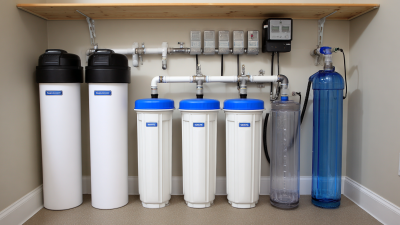
 

10 Essential Tips for Choosing the Best Water Purifier for Your Sink

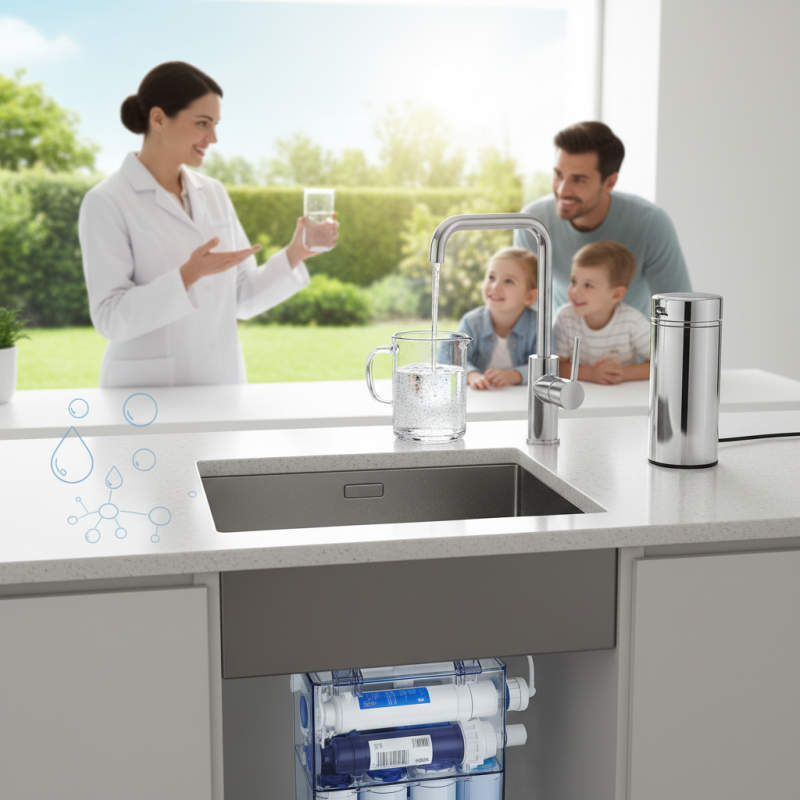
When it comes to ensuring the safety and quality of our drinking water, choosing the right water purifier for sink can be a daunting task. As water quality expert Dr. Emily Chen states, “Selecting a suitable water purifier involves understanding both your water source and your family's specific needs.” With countless options available in the market, consumers often find themselves overwhelmed by the features, technologies, and price ranges.

Understanding the essential factors that contribute to the effectiveness of a water purifier for sink is crucial. Factors such as filtration technology, maintenance requirements, and overall cost can significantly influence your purchasing decision. By keeping these key considerations in mind, you can navigate through the myriad of choices and find a purifier that meets your household's unique demands.

In this guide, we will present ten essential tips to help you make an informed decision. From evaluating water contaminants to considering the installation process, each tip equips you with the knowledge needed to choose the ideal water purifier for sink, ensuring clean and safe drinking water for you and your family.

10 Essential Tips for Choosing the Best Water Purifier for Your Sink

Understanding Different Types of Water Purifiers for Your Sink

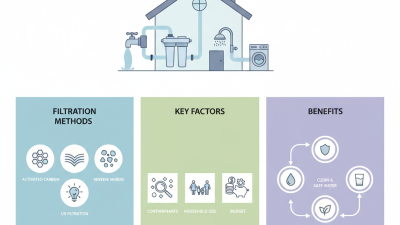
When choosing a water purifier for your sink, understanding the different types available is crucial for ensuring clean and safe drinking water. The primary categories of water purifiers include activated carbon filters, reverse osmosis systems, ultraviolet (UV) purifiers, and whole-house filtration systems. Activated carbon filters are effective in removing chlorine, sediment, and volatile organic compounds (VOCs), making them a popular choice for improving taste and odor. According to a report from the Water Quality Association (WQA), approximately 30% of households in the U.S. use activated carbon filters to enhance their drinking water quality.

Reverse osmosis (RO) systems, on the other hand, utilize a semi-permeable membrane to eliminate a broader spectrum of contaminants, including heavy metals and microbes. The Environmental Protection Agency (EPA) states that RO systems can remove up to 99% of dissolved solids. This makes them suitable for areas with hard water or significant contamination issues. However, it's essential to note that RO systems typically require more maintenance and may waste some water during purification.

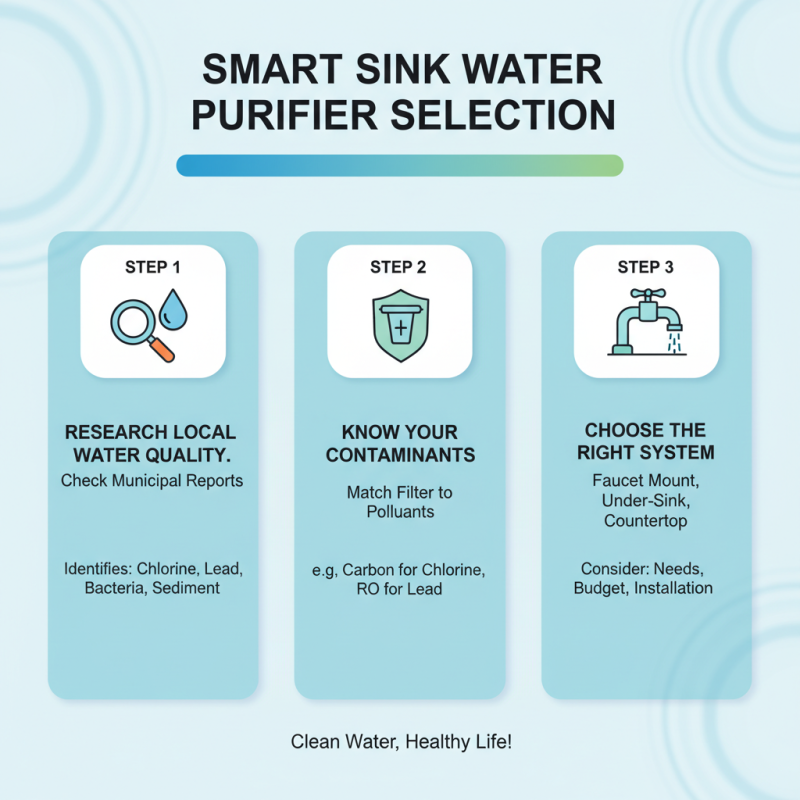
When selecting a water purifier, consider the following tips: First, assess the specific contaminants in your water supply by conducting a water quality test. Second, determine your household's water consumption needs to ensure you choose a system capable of providing adequate purification capacity. Finally, consider the installation and maintenance requirements for each type of purifier, as this can significantly impact long-term satisfaction and performance.

Types of Water Purifiers and Their Effectiveness

Evaluating Water Quality and Contaminants in Your Area

10 Essential Tips for Choosing the Best Water Purifier for Your Sink

When selecting the best water purifier for your sink, understanding the water quality and contaminants present in your area is essential. Start by researching local water quality reports, which are often published by municipal water suppliers or health departments. These reports can provide critical information on the common pollutants in your water source, such as chlorine, lead, bacteria, and sediment. Knowing the specific contaminants in your water will guide you in determining the type of filtration system that will effectively address these issues.

After identifying the contaminants, consider the purification technologies available, such as activated carbon filters, reverse osmosis systems, or UV purifiers. Each method has its strengths depending on the pollutants present. For example, activated carbon filters are excellent for removing chlorine and improving taste, while reverse osmosis systems excel in reducing heavy metals and harmful microorganisms. Additionally, it’s vital to assess the maintenance needs and replacement frequency of each system to ensure ongoing effectiveness. By thoroughly evaluating the water quality in your area, you can make an informed choice that ensures safe and clean drinking water from your sink.

Key Features to Look For in a Sink Water Purifier

10 Essential Tips for Choosing the Best Water Purifier for Your Sink

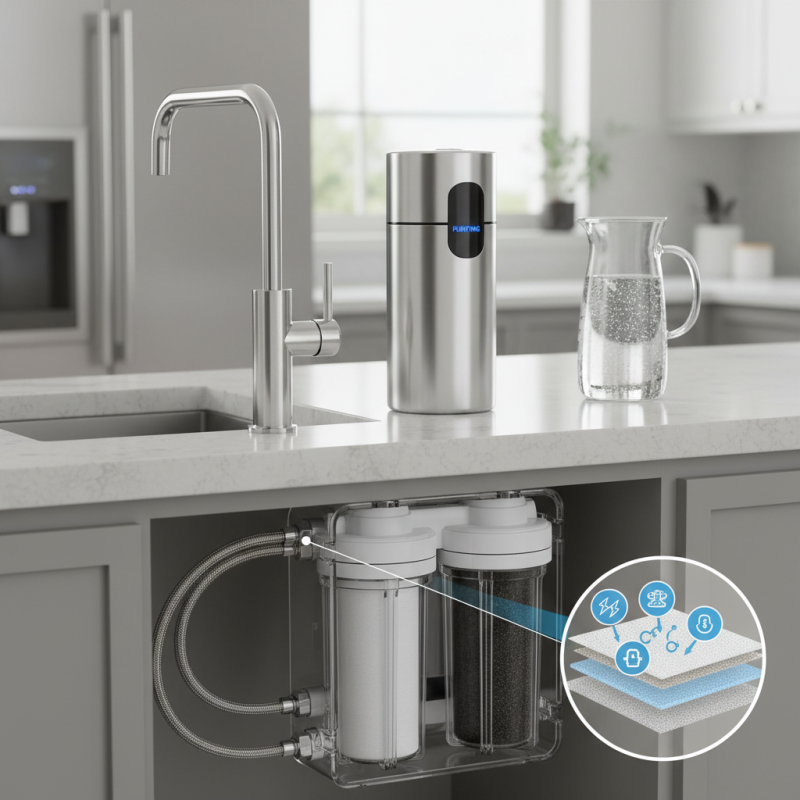
When selecting a water purifier for your sink, there are several key features to consider that ensure you are making a sound investment in your home’s water quality. First and foremost, pay attention to the purification technology utilized by the system. Options like reverse osmosis and activated carbon filters are popular for their effectiveness in removing contaminants, including chlorine, heavy metals, and sediments. Understanding the specific filtration process can help you gauge how well the purifier will meet your household's needs.

Another crucial feature to look for is the purifier's capacity and flow rate. If you have a large family or use a great deal of water for cooking and drinking, a system with a higher capacity will be more efficient. Additionally, consider the installation type; some models may require professional installation, while others are designed for easy DIY setup. Finally, a user-friendly interface and maintenance alerts can enhance your experience, ensuring your water remains clean with minimal effort on your part. Always check for certification from recognized standards to guarantee the product meets safety and performance benchmarks.

Assessing Installation and Maintenance Requirements

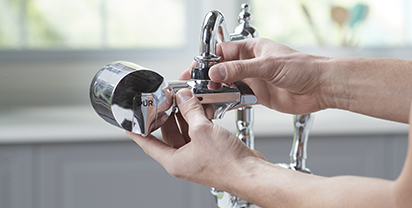
When it comes to selecting a water purifier for your sink, assessing installation and maintenance requirements is crucial. A study by the Water Quality Association indicates that nearly 40% of consumers overlook the long-term upkeep of their water filtration systems. It's vital to choose a system that not only fits your sink setup but is also easy to install and maintain. Many units require minimal plumbing knowledge, while some may necessitate a professional installation, which can incur additional costs. Therefore, consider your comfort level with DIY projects and the potential need for plumbing tools.

Regular maintenance is another factor to weigh heavily in your decision. Filter changes, often needed every six months to a year depending on usage and water quality, can impact the overall efficiency of the purifier. Some advanced systems may feature alarms or indicators to notify you when it’s time for a change, simplifying your maintenance tasks. Look for units that come with clear maintenance guidelines and readily available replacement filters.

For those who prioritize ease of use, opting for a water purifier with straightforward maintenance procedures can save time and hassle. Check if the purifier has a user-friendly design that allows for quick filter replacements and minimal cleaning. Investing in a system with a good balance of effective purification capabilities and manageable upkeep is key to enjoying clean, safe water without overwhelming inconvenience.

10 Essential Tips for Choosing the Best Water Purifier for Your Sink - Assessing Installation and Maintenance Requirements

Tip Description Installation Level Maintenance Frequency
1. Identify Your Water Quality Test your water to determine contaminants and choose a purifier that targets them. Low As needed
2. Consider Filter Type Choose between activated carbon, reverse osmosis, or UV filters based on needs. Medium Every 6 months
3. Evaluate Flow Rate Check the purifier's flow rate to ensure it meets your household's needs. Low Annual check
4. Assess Installation Space Ensure you have enough space under the sink for the purifier unit. High N/A
5. Check for Certifications Look for filters certified by NSF or WQA to ensure effectiveness. Low N/A
6. Consider Maintenance Costs Evaluate the costs of replacement filters and services over time. Low Bi-annually
7. Research Brand Reputation Read reviews and check ratings to find reliable brands. Low N/A
8. Understand Warranty Terms Make sure to read the warranty to cover any repairs or replacements. Low N/A
9. Test Water Taste Choose a purifier that improves the taste of your water. Low N/A
10. Evaluate Size and Design Select a unit that fits your kitchen aesthetics and space constraints. Medium Annual check

Budget Considerations: Finding the Right Purifier for Your Wallet

When considering a water purifier for your sink, budget plays a crucial role in determining the right choice. Research indicates that the average household spends between $50 to $500 on water filtration systems, depending on the type and features. Basic carbon filters may cost around $50, while reverse osmosis systems can reach up to $300 or more. According to industry trends reported by the Water Quality Association, the demand for affordable solutions has led to the prevalence of multi-stage filtration systems, which balance cost and effectiveness for many consumers.

Additionally, upfront cost isn't the only factor to consider; ongoing maintenance and replacement filter expenses should also be accounted for. A typical annual expenditure for replacement filters can range from $30 to $150, depending on the model. It's essential to evaluate the overall cost of ownership when selecting a purifier, ensuring it fits your long-term financial planning. As consumer preferences shift toward sustainable and health-conscious options, many affordable technologies are emerging, giving homeowners access to quality water purification without breaking the bank.