Contaminant Comparison Chart

For a complete list of contaminants that PUR filters reduce, please view our Performance Data Sheets here.


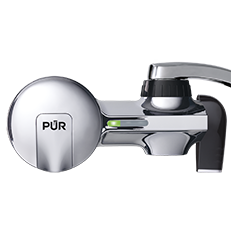
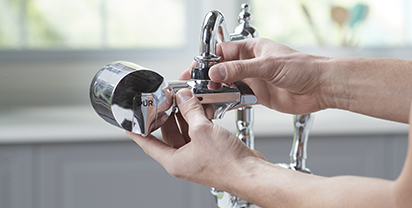
PUR & PUR PLUS FAUCET FILTERS
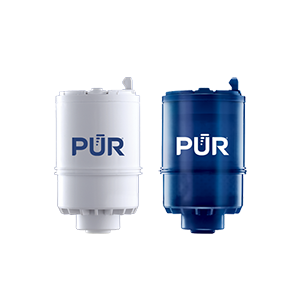
RF3375/RF9999

View Filters

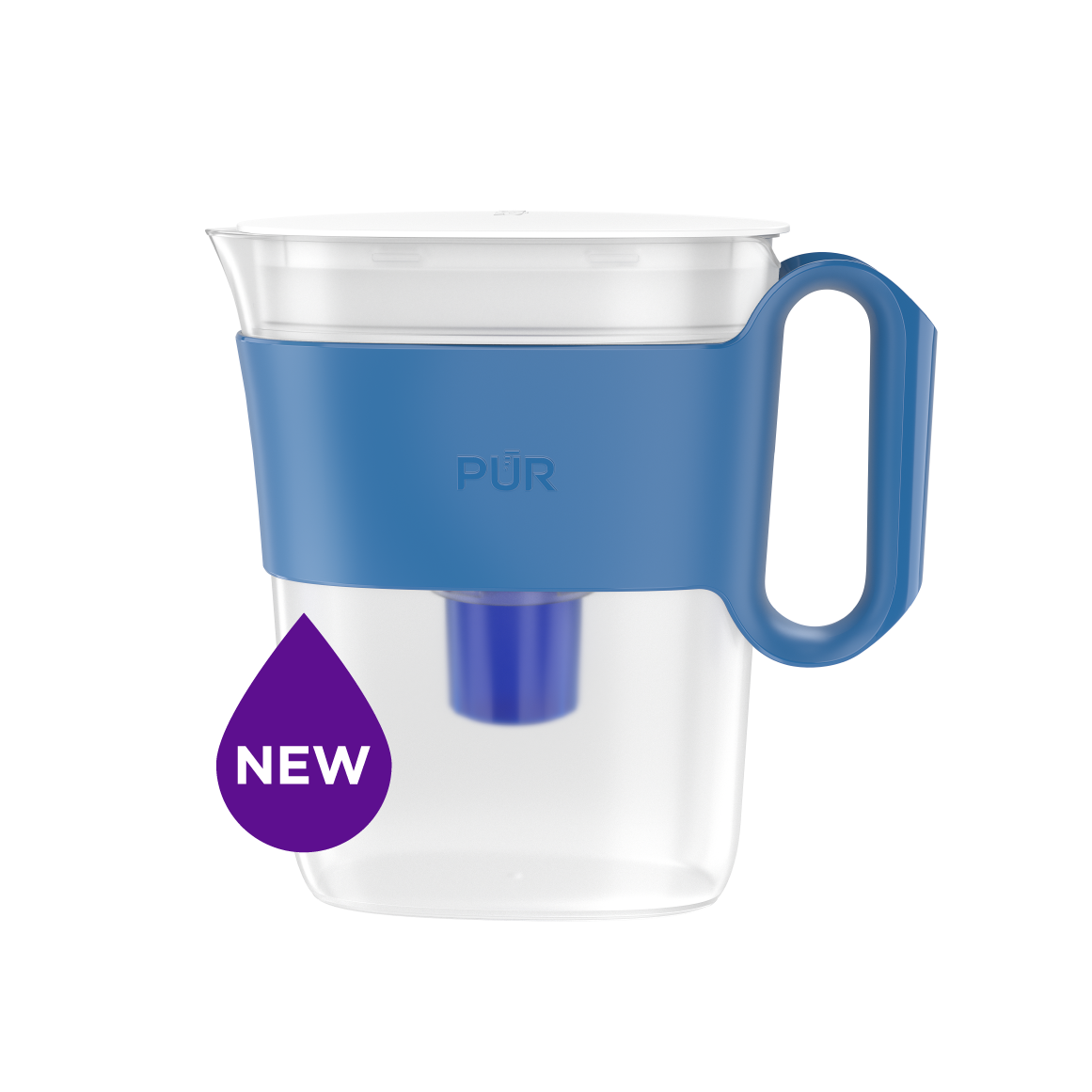
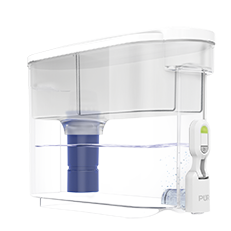
PUR PLUS PITCHER FILTERS
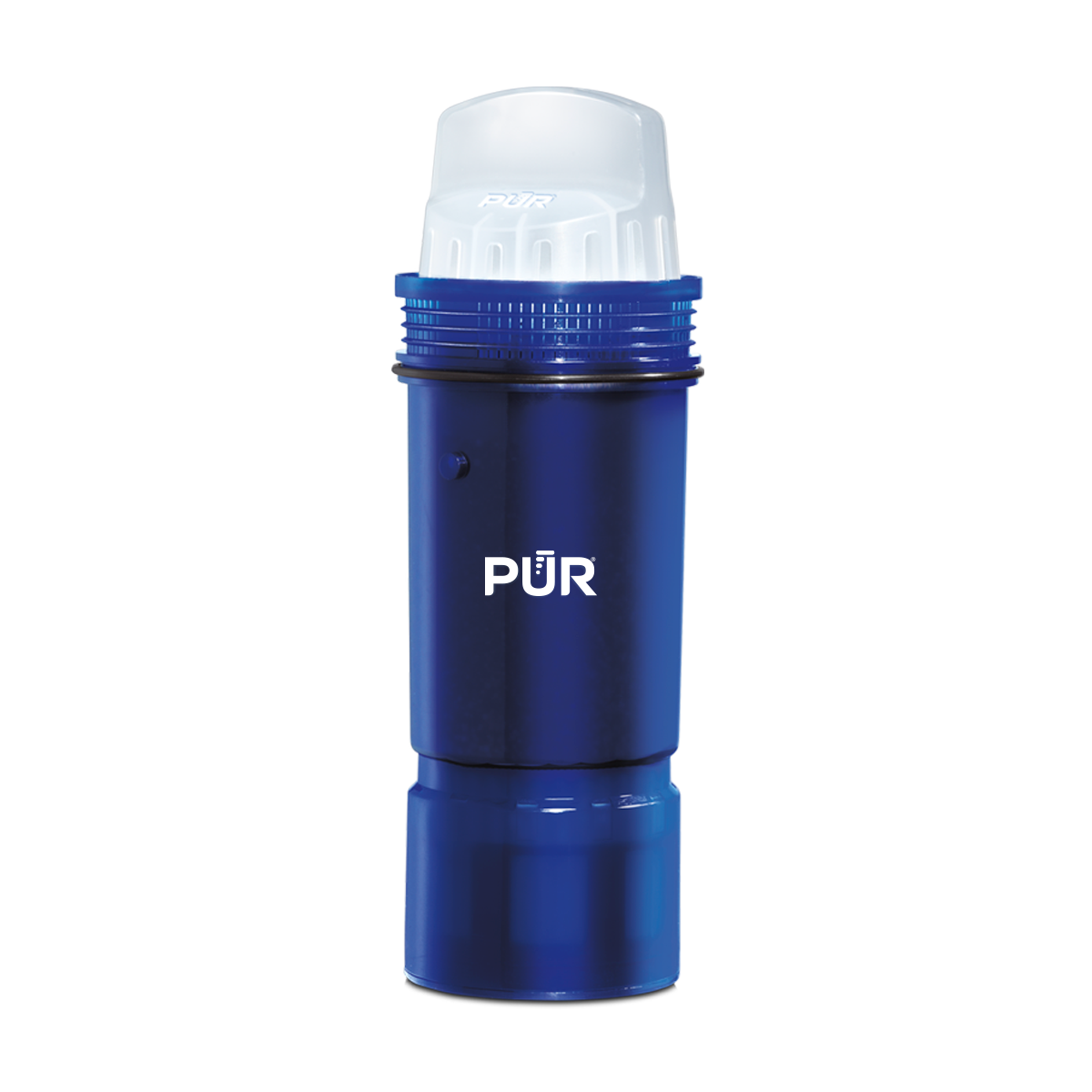
PPF951K

View Filter

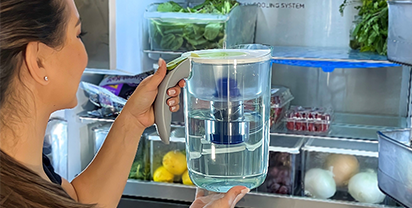
PUR BASIC PITCHER FILTERS
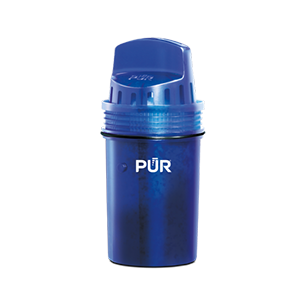
PPF900Z

View Filter


Vs. Brita*

Lead
Microplastics
Mercury
Chlorine Taste & Odor
DEET
TTHM

PUR’s Filtration Systems Are Certified By NSF And WQA For Their Contamination Reduction. WQA certifications as of 5/27/21 for Faucet filter models RF-3375 and RF-9999.

¹ Certified to reduce 10X more chemical and physical substances than Brita’s® leading pitcher filter.
² Certified to reduce 3X more chemical and physical substances than Brita’s® leading pitcher filter.
³ Certified to reduce 2X more chemical and physical substances than Brita’s® leading pitcher filter.
*Versus best-selling Brita® pitcher filter OB03. Brita® is a trademark of Brita LP.
**Like other leading brands, PUR does not filter microbes. As of 3/1/23 Brita® and ZeroWater® were not certified to filter microbes. Brita® is a trademark of Brita LP. ZeroWater® is a trademark of Zero Technologies, LLC..
 

PUR & PUR PLUS FAUCET FILTERS


PUR & PUR PLUS FAUCET FILTERS
RF3375/RF9999

View Filters


Vs. Brita*

Lead
Microplastics
Mercury
Chlorine Taste & Odor
DEET
TTHM

PUR’s Filtration Systems Are Certified By NSF And WQA For Their Contamination Reduction. WQA certifications as of 5/27/21 for Faucet filter models RF-3375 and RF-9999.

¹ Certified to reduce 10X more chemical and physical substances than Brita’s® leading pitcher filter.
² Certified to reduce 3X more chemical and physical substances than Brita’s® leading pitcher filter.
³ Certified to reduce 2X more chemical and physical substances than Brita’s® leading pitcher filter.
*Versus best-selling Brita® pitcher filter OB03. Brita® is a trademark of Brita LP.
**Like other leading brands, PUR does not filter microbes. As of 3/1/23 Brita® and ZeroWater® were not certified to filter microbes. Brita® is a trademark of Brita LP. ZeroWater® is a trademark of Zero Technologies, LLC..
 

PUR PLUS PITCHER FILTERS


PUR PLUS PITCHER FILTERS
PPF951K

View Filter


Vs. Brita*

Lead
Microplastics
Mercury
Chlorine Taste & Odor
DEET
TTHM

PUR’s Filtration Systems Are Certified By NSF And WQA For Their Contamination Reduction. WQA certifications as of 5/27/21 for Faucet filter models RF-3375 and RF-9999.

¹ Certified to reduce 10X more chemical and physical substances than Brita’s® leading pitcher filter.
² Certified to reduce 3X more chemical and physical substances than Brita’s® leading pitcher filter.
³ Certified to reduce 2X more chemical and physical substances than Brita’s® leading pitcher filter.
*Versus best-selling Brita® pitcher filter OB03. Brita® is a trademark of Brita LP.
**Like other leading brands, PUR does not filter microbes. As of 3/1/23 Brita® and ZeroWater® were not certified to filter microbes. Brita® is a trademark of Brita LP. ZeroWater® is a trademark of Zero Technologies, LLC..
 

PUR BASIC PITCHER FILTERS


PUR BASIC PITCHER FILTERS
PPF900Z

View Filter


Vs. Brita*

Lead
Microplastics
Mercury
Chlorine Taste & Odor
DEET
TTHM

PUR’s Filtration Systems Are Certified By NSF And WQA For Their Contamination Reduction. WQA certifications as of 5/27/21 for Faucet filter models RF-3375 and RF-9999.

¹ Certified to reduce 10X more chemical and physical substances than Brita’s® leading pitcher filter.
² Certified to reduce 3X more chemical and physical substances than Brita’s® leading pitcher filter.
³ Certified to reduce 2X more chemical and physical substances than Brita’s® leading pitcher filter.
*Versus best-selling Brita® pitcher filter OB03. Brita® is a trademark of Brita LP.
**Like other leading brands, PUR does not filter microbes. As of 3/1/23 Brita® and ZeroWater® were not certified to filter microbes. Brita® is a trademark of Brita LP. ZeroWater® is a trademark of Zero Technologies, LLC..
 

What is a filtered water dispenser and how does it work?

The filtered water dispenser has become a popular choice for many households and offices. This innovative device provides easy access to clean, safe drinking water. Experts like Dr. Emily Harmon, a water purification specialist, highlight its significance. She states, “A filtered water dispenser transforms tap water into a refreshing beverage you can trust."

These dispensers utilize advanced filtration systems, removing impurities and contaminants. Most models combine carbon filters with reverse osmosis technology. Users enjoy water that tastes better and is healthier. It’s not just about convenience; it's about quality and safety. Many families are turning to these devices to ensure their loved ones drink safe water.

However, not all filtered water dispensers are created equal. Some may not filter contaminants effectively. Regular maintenance and filter replacements are crucial for optimal performance. Reflecting on these factors is important for making informed choices. Ultimately, a filtered water dispenser can make a meaningful difference in everyday hydration.

What is a filtered water dispenser and how does it work?

What is a Filtered Water Dispenser?

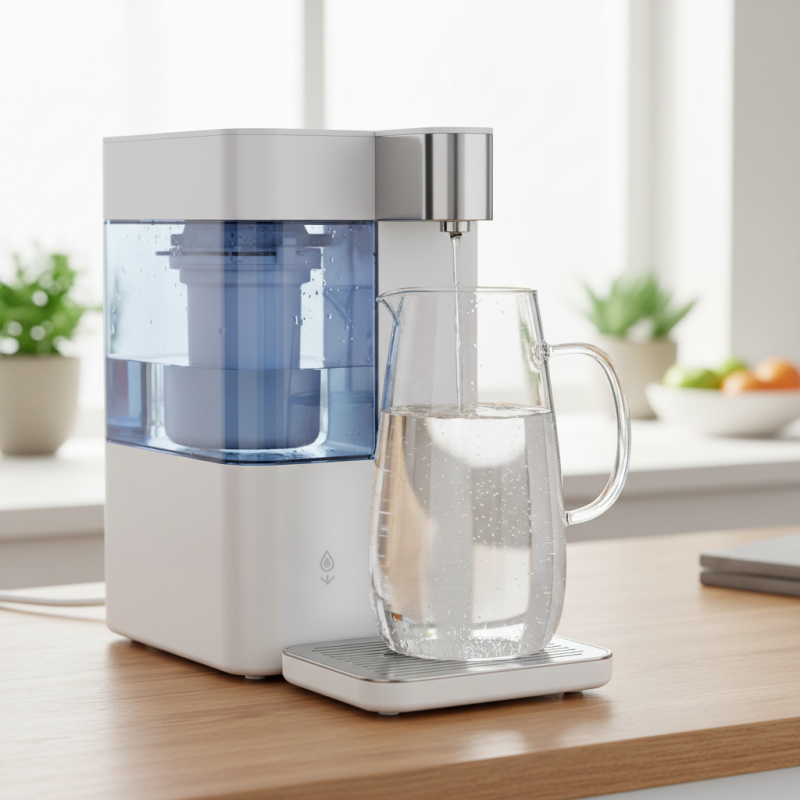
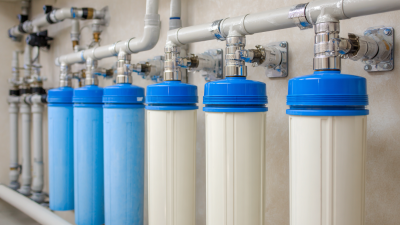
A filtered water dispenser is a device designed to provide clean and safe drinking water. It works by using a filtration system that removes impurities and contaminants from tap water. The basic equipment includes a filter cartridge, a water reservoir, and a dispensing mechanism. The filter typically uses activated carbon to absorb harmful substances, such as chlorine, sediment, and heavy metals.

When you fill the reservoir, water flows through the filter. The process helps improve the taste and odor of the water. It is important to regularly replace the filter to ensure optimal performance. Over time, filters can become less effective. This emphasizes the need for users to monitor their dispenser's maintenance.

Using a filtered water dispenser can reduce reliance on bottled water. Many people find this option more convenient and environmentally friendly. However, not all filters remove every type of contaminant. Some pollutants can linger, so it’s vital to understand your water quality. This knowledge helps users make informed choices about their drinking water.

Key Components of a Filtered Water Dispenser

What is a filtered water dispenser and how does it work?

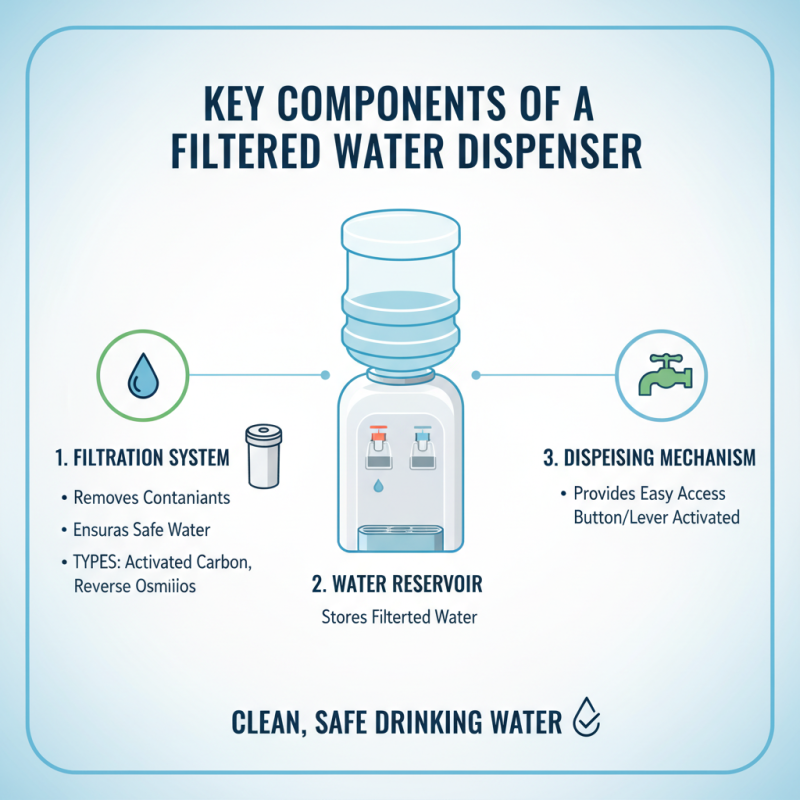
A filtered water dispenser provides clean drinking water through several essential components. These dispensers typically include a filtration system, a water reservoir, and a dispensing mechanism. The filtration system is crucial. It removes contaminants, ensuring safe water. There are different types of filters available, including activated carbon and reverse osmosis. Each filter type has unique strengths and weaknesses.

The water reservoir stores filtered water for immediate access. It is essential to clean the reservoir regularly to prevent bacteria growth. The dispensing mechanism often involves a simple lever or button that allows users to obtain water easily. Some models feature user-friendly designs that enhance convenience. However, users must be cautious with maintenance. A neglected dispenser can lead to poor water quality, which defeats the purpose of filtering.

Understanding the components helps in choosing the right dispenser. Different households have unique needs. A family may require a larger reservoir, while individuals might prefer a compact model. Consider the space available for the dispenser too. Not all designs fit seamlessly into every kitchen or office setting. Evaluating these factors can lead to better water quality and overall satisfaction.

How Filtration Systems Work in Water Dispensers

What is a filtered water dispenser and how does it work?

Filtered water dispensers are becoming popular in homes and offices. These devices provide clean water by removing impurities. Understanding how filtration systems work can help users appreciate their benefits.

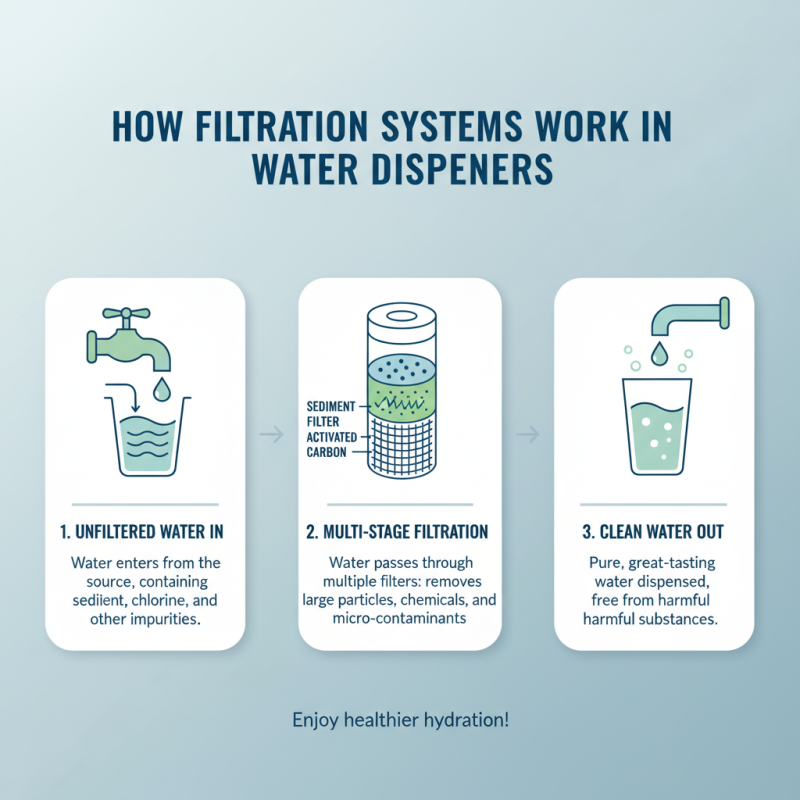
Filtration systems in water dispensers rely on several technologies. Most commonly, activated carbon filters reduce chlorine, sediments, and volatile organic compounds. These filters use a porous material, which traps contaminants effectively. Some dispensers also include reverse osmosis systems. This method pushes water through a semi-permeable membrane, leaving behind harmful substances.

The filtration process varies by design. Some dispensers have multi-stage filters for enhanced purification. Regular maintenance is crucial. Users often overlook the need to replace filters timely. Neglecting this can lead to reduced water quality over time. Educating oneself on the specific needs of their water system is essential for optimal performance.

Benefits of Using a Filtered Water Dispenser

Filtered water dispensers are becoming essential in today’s homes and offices. They provide clean drinking water while reducing plastic waste. According to the Environmental Protection Agency, convenient access to filtered water can help families and businesses shift away from bottled water, which contributes significantly to plastic pollution.

One key benefit of using a filtered water dispenser is improved health. A study by the World Health Organization highlights that drinking filtered water can lower the risk of contaminants. This is especially important for children and pregnant women. Enhanced taste and odor also make hydration more enjoyable. When water is free from chemicals like chlorine, individuals are more likely to drink sufficient amounts daily.

Tips for choosing the right dispenser include considering filter longevity. Some filters need replacement every few months. Check if the dispenser has an indicator for filter life. Regular maintenance ensures optimal performance. Additionally, pick a model with a user-friendly design. Easy operation encourages more frequent use, promoting better hydration habits. Remember, clean water is vital for overall health and well-being.

What is a filtered water dispenser and how does it work? - Benefits of Using a Filtered Water Dispenser

Feature Description Benefits
Filtration System Removes impurities and contaminants from tap water using various filtration methods. Provides cleaner, safer drinking water; improves taste and odor.
Ease of Use Simple operation with a push-button or lever mechanism for dispensing water. Convenient and quick access to filtered water; reduces time spent filling containers.
Cost-Effectiveness Lower cost per gallon compared to bottled water by using municipal water sources. Saves money over time; reduces plastic waste from bottled water.
Health Benefits Removes chlorine, lead, and other harmful substances. Supports overall health by ensuring better hydration with clean water.
Sustainability Encourages the use of refillable containers instead of single-use plastics. Contributes to environmental conservation by reducing plastic waste.

Maintenance and Care for Filtered Water Dispensers

Maintaining a filtered water dispenser is essential. Regular upkeep ensures optimal performance. A quick check every month can prevent issues. First, replace the filter as recommended by the manufacturer. This helps maintain water quality and taste.

Cleaning the dispenser is equally important. Wipe down the exterior weekly to remove dust and grime. Don't forget to clean the water reservoir, too. Use a mix of vinegar and water for a natural disinfectant. Rinse thoroughly afterward. Stagnant water can lead to mold growth.

Lastly, watch for leaks and unusual noises. These might indicate a problem. Addressing these issues promptly can save you from bigger repairs. A reliable dispenser requires attention, but the effort pays off. Enjoying clean, filtered water is worth it.

Maintenance Considerations for Filtered Water Dispensers

This chart illustrates the various maintenance considerations for filtered water dispensers, highlighting the frequency of different maintenance activities throughout the year. Keeping up with these activities ensures optimal performance and water quality.