


Contaminant Comparison Chart

For a complete list of contaminants that PUR filters reduce, please view our Performance Data Sheets here.


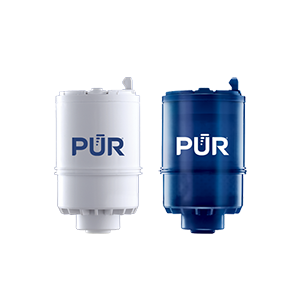
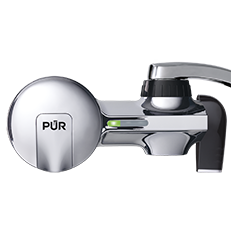
PUR & PUR PLUS FAUCET FILTERS
RF3375/RF9999

View Filters

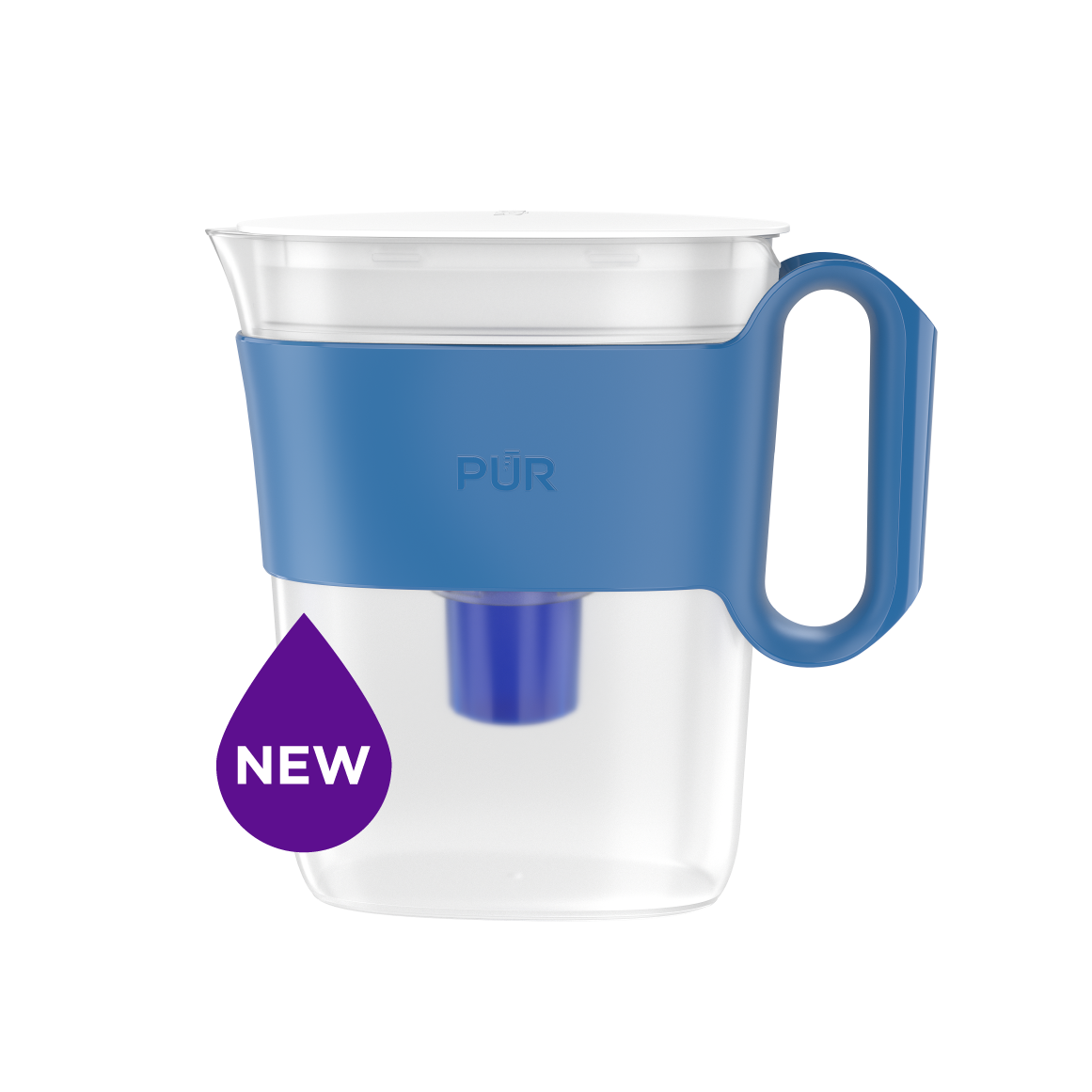
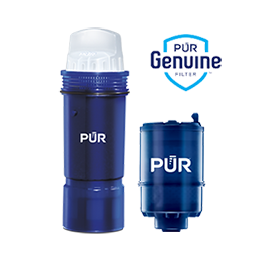
PUR PLUS PITCHER FILTERS
PPF951K

View Filter

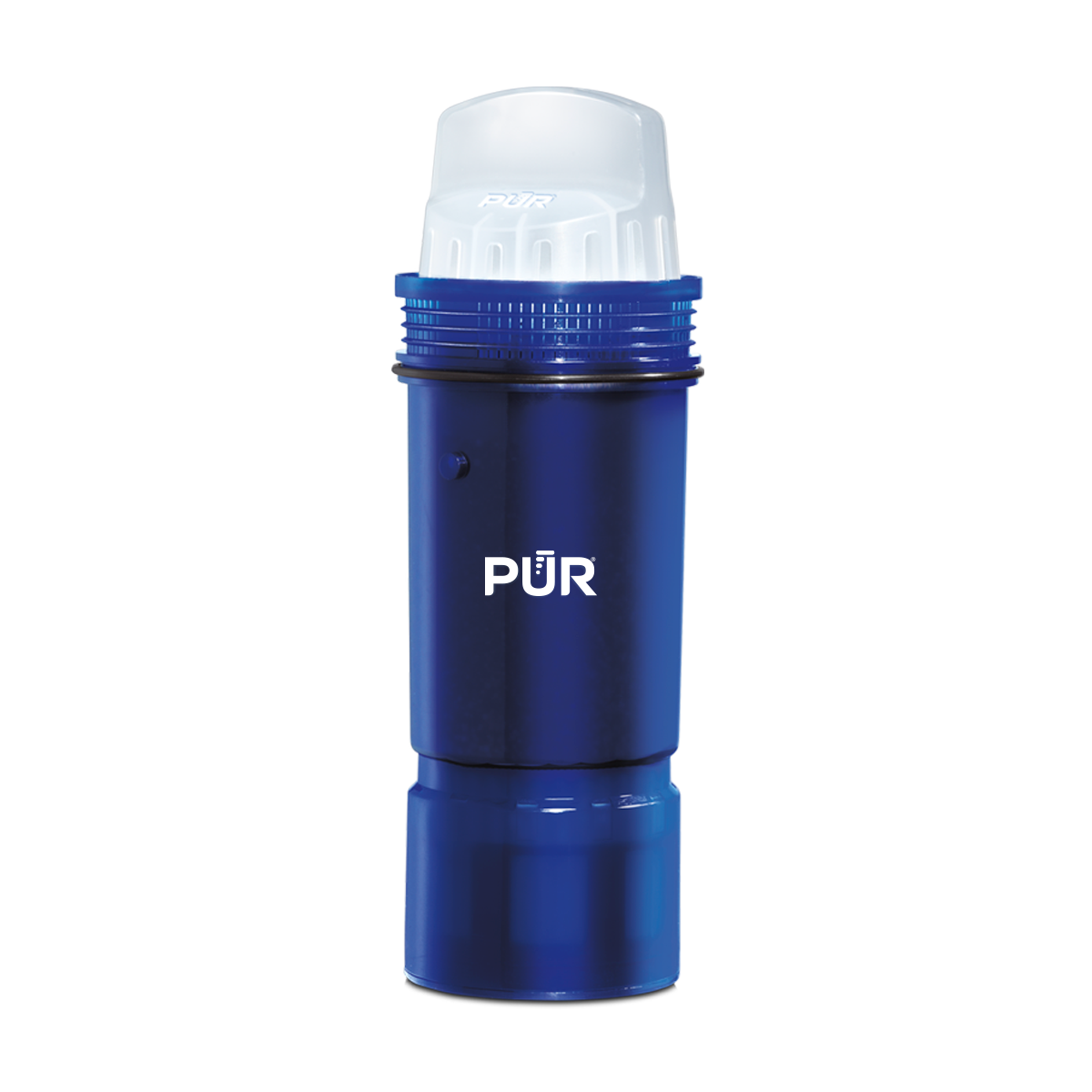
PUR BASIC PITCHER FILTERS
PPF900Z

View Filter


Vs. Brita*

Lead
Microplastics
Mercury
Chlorine Taste & Odor
DEET
TTHM

PUR’s Filtration Systems Are Certified By NSF And WQA For Their Contamination Reduction. WQA certifications as of 5/27/21 for Faucet filter models RF-3375 and RF-9999.

¹ Certified to reduce 10X more chemical and physical substances than Brita’s® leading pitcher filter.
² Certified to reduce 3X more chemical and physical substances than Brita’s® leading pitcher filter.
³ Certified to reduce 2X more chemical and physical substances than Brita’s® leading pitcher filter.
*Versus best-selling Brita® pitcher filter OB03. Brita® is a trademark of Brita LP.
**Like other leading brands, PUR does not filter microbes. As of 3/1/23 Brita® and ZeroWater® were not certified to filter microbes. Brita® is a trademark of Brita LP. ZeroWater® is a trademark of Zero Technologies, LLC..
 

PUR & PUR PLUS FAUCET FILTERS


PUR & PUR PLUS FAUCET FILTERS
RF3375/RF9999

View Filters


Vs. Brita*

Lead
Microplastics
Mercury
Chlorine Taste & Odor
DEET
TTHM

PUR’s Filtration Systems Are Certified By NSF And WQA For Their Contamination Reduction. WQA certifications as of 5/27/21 for Faucet filter models RF-3375 and RF-9999.

¹ Certified to reduce 10X more chemical and physical substances than Brita’s® leading pitcher filter.
² Certified to reduce 3X more chemical and physical substances than Brita’s® leading pitcher filter.
³ Certified to reduce 2X more chemical and physical substances than Brita’s® leading pitcher filter.
*Versus best-selling Brita® pitcher filter OB03. Brita® is a trademark of Brita LP.
**Like other leading brands, PUR does not filter microbes. As of 3/1/23 Brita® and ZeroWater® were not certified to filter microbes. Brita® is a trademark of Brita LP. ZeroWater® is a trademark of Zero Technologies, LLC..


PUR PLUS PITCHER FILTERS


PUR PLUS PITCHER FILTERS
PPF951K

View Filter


Vs. Brita*

Lead
Microplastics
Mercury
Chlorine Taste & Odor
DEET
TTHM

PUR’s Filtration Systems Are Certified By NSF And WQA For Their Contamination Reduction. WQA certifications as of 5/27/21 for Faucet filter models RF-3375 and RF-9999.

¹ Certified to reduce 10X more chemical and physical substances than Brita’s® leading pitcher filter.
² Certified to reduce 3X more chemical and physical substances than Brita’s® leading pitcher filter.
³ Certified to reduce 2X more chemical and physical substances than Brita’s® leading pitcher filter.
*Versus best-selling Brita® pitcher filter OB03. Brita® is a trademark of Brita LP.
**Like other leading brands, PUR does not filter microbes. As of 3/1/23 Brita® and ZeroWater® were not certified to filter microbes. Brita® is a trademark of Brita LP. ZeroWater® is a trademark of Zero Technologies, LLC..


PUR BASIC PITCHER FILTERS


PUR BASIC PITCHER FILTERS
PPF900Z

View Filter


Vs. Brita*

Lead
Microplastics
Mercury
Chlorine Taste & Odor
DEET
TTHM

PUR’s Filtration Systems Are Certified By NSF And WQA For Their Contamination Reduction. WQA certifications as of 5/27/21 for Faucet filter models RF-3375 and RF-9999.

¹ Certified to reduce 10X more chemical and physical substances than Brita’s® leading pitcher filter.
² Certified to reduce 3X more chemical and physical substances than Brita’s® leading pitcher filter.
³ Certified to reduce 2X more chemical and physical substances than Brita’s® leading pitcher filter.
*Versus best-selling Brita® pitcher filter OB03. Brita® is a trademark of Brita LP.
**Like other leading brands, PUR does not filter microbes. As of 3/1/23 Brita® and ZeroWater® were not certified to filter microbes. Brita® is a trademark of Brita LP. ZeroWater® is a trademark of Zero Technologies, LLC..


China Top Electronic Cigarette Tobacco Supplier Guide?

The electronic cigarette tobacco industry is rapidly evolving. Market reports indicate that in 2022, the global electronic cigarette market was valued at approximately $20 billion, projected to reach over $40 billion by 2028. This growth reflects a shift in consumer preferences towards vaping products. However, experts express concerns about the long-term impacts on health. Dr. John Smith, a leading expert in tobacco harm reduction, states, "The electronic cigarette tobacco landscape presents both opportunities and uncertainties."

The supply chain for electronic cigarette tobacco is critical. It is essential for manufacturers to partner with reliable suppliers. Quality control measures can significantly affect product safety and consumer trust. Data reveals that 70% of vapers prioritize product quality when choosing brands. Yet, the landscape is not without challenges. Regulatory issues and market saturation add layers of complexity for suppliers.

Navigating this industry requires expertise and diligence. Manufacturers must stay informed about evolving regulations and consumer trends. Balancing innovation with safety is vital. As the market expands, the importance of trustworthy suppliers remains paramount for sustainable growth in electronic cigarette tobacco.

China Top Electronic Cigarette Tobacco Supplier Guide?

Overview of the Electronic Cigarette Market in China

The electronic cigarette market in China has seen rapid growth in recent years. The increasing popularity of vaping among younger consumers is a key factor driving this trend. Many individuals seek alternatives to traditional smoking, making e-cigarettes appealing due to their perceived safety.

China is now a major player in the global e-cigarette landscape. Local manufacturers are producing a variety of products. Some designs prioritize user experience while others focus on aesthetics. However, quality can be inconsistent. Consumers should be cautious and do their research before making a purchase.

Regulations surrounding e-cigarettes are evolving. The government is focusing on public health concerns, which may impact future developments. Manufacturers must adapt to ensure compliance. This presents challenges but can also lead to innovation. As the market matures, it will be essential to prioritize product safety and consumer education.

Key Players in China's Electronic Cigarette Supply Chain

China's electronic cigarette supply chain is vast and intricate, involving various key players. Manufacturers form the backbone, producing hardware and e-liquids. These companies ensure quality, but challenges remain in standard compliance and product safety. Effective communication between suppliers and manufacturers is crucial to avoid discrepancies.

Distributors play a significant role as well. They manage logistics and ensure products reach retailers efficiently. However, fluctuating demand often leads to overstock or stockouts. Retailers, the last link in the chain, face stiff competition. They need to understand consumer preferences to thrive. Challenges include navigating regulations and maintaining a diverse product range.

Despite its growth, the industry is not without flaws. Regulation uncertainty creates hesitance among investors. Education around safe usage and health implications is still needed. The pathway for improvement is clear. Clear communication, joint efforts, and transparency can foster a more reliable supply chain. Embracing these changes could help solidify China's position in the global market.

China's Electronic Cigarette Supply Chain Overview

Regulatory Landscape Affecting Tobacco and Vape Products in China

China's regulatory landscape for tobacco and vape products is complex and evolving. In recent years, authorities have imposed strict regulations to ensure consumer safety and public health. The government has set limits on advertising, sales, and distribution channels. New laws are frequently introduced, creating uncertainty for suppliers and businesses in the industry. Compliance is essential for companies seeking to thrive in this market.

Current regulations govern not only the manufacturing of products but also their marketing practices. For instance, youth protection policies restrict access and advertise towards minors. Manufacturers must be vigilant about these rules. Non-compliance could lead to costly penalties. The increased scrutiny and evolving regulations can make it challenging for companies to sustain their presence. Thus, staying informed about legal changes is crucial for maintaining a competitive edge in China's dynamic market.

Additionally, the global perspective on vaping continues to shape local policies. Some areas push for stricter controls, while others embrace innovation. This disparity presents both challenges and opportunities. Companies must adapt to changing consumer preferences while navigating these regulatory hurdles. Successful firms are those that balance compliance with creativity in their product offerings.

Trends Shaping the Future of Electronic Cigarettes in China

The electronic cigarette market in China is undergoing significant transformations. According to recent industry reports, the market size for e-cigarettes in China is projected to reach approximately $15 billion by 2025. This growth reflects changing consumer preferences and a shifting regulatory landscape. Younger consumers are increasingly drawn to vaping as an alternative to traditional smoking, illustrating a trend toward healthier lifestyle choices.

Regulatory changes are shaping the industry’s evolution. The Chinese government is tightening regulations on advertising and sales to minors, aiming to address public health concerns. Reports suggest that, in the short term, this could slow market growth. However, it may enhance credibility and safety in the long run. Market insights indicate that companies focusing on quality and transparency can gain a competitive edge amid evolving regulations.

Tip: Consider the importance of compliance. Understanding local laws is crucial for success in this market.

Another trend is the rise of innovative flavors and customizable devices. Many consumers are seeking unique experiences. This demand drives companies to invest in research and development. However, there’s a risk: too many choices can overwhelm consumers. Striking a balance between variety and simplicity is essential.

Tip: Focus on consumer education. Helping customers understand products can foster brand loyalty.

Market Statistics: Sales Growth and Consumer Demographics in China

The electronic cigarette market in China is rapidly evolving. Recent statistics reveal significant sales growth over the past few years. A diverse consumer base is emerging, with many young adults exploring vaping as an alternative to traditional tobacco. This shift reflects changing attitudes towards smoking and health.

Demographic studies indicate that a large portion of e-cigarette users are between 18 and 30 years old. They often seek flavors that suit their preferences. This demand leads to a variety of products entering the market. However, challenges remain. Some consumers express concerns about health impacts and long-term effects. The industry needs to address these worries transparently.

Consumer behavior is also influenced by social media trends and marketing strategies. Many users enjoy sharing their vaping experiences online. This engagement shapes public perceptions and can drive sales. Nevertheless, some may question the authenticity of influencer promotions. Brands must build trust to succeed in this competitive landscape. As the market matures, understanding consumer needs will be crucial for sustainable growth.

China Top Electronic Cigarette Tobacco Supplier Guide

Category Market Share (%) Sales Growth (Yearly %) Average Price per Unit (CNY) Consumer Age Group (%)
Juice 30 15 100 18-24: 30%, 25-34: 45%
Devices 25 10 250 18-24: 20%, 25-34: 50%
Accessories 20 5 50 25-34: 40%, 35-44: 30%
Total Market 75 10 130 18-44: 80%

Article Source: