Contaminant Comparison Chart

For a complete list of contaminants that PUR filters reduce, please view our Performance Data Sheets here.


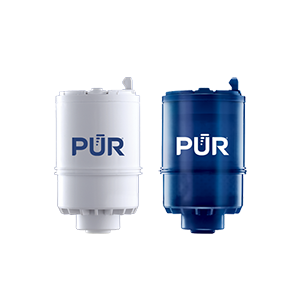
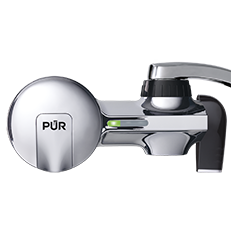
PUR & PUR PLUS FAUCET FILTERS
RF3375/RF9999

View Filters

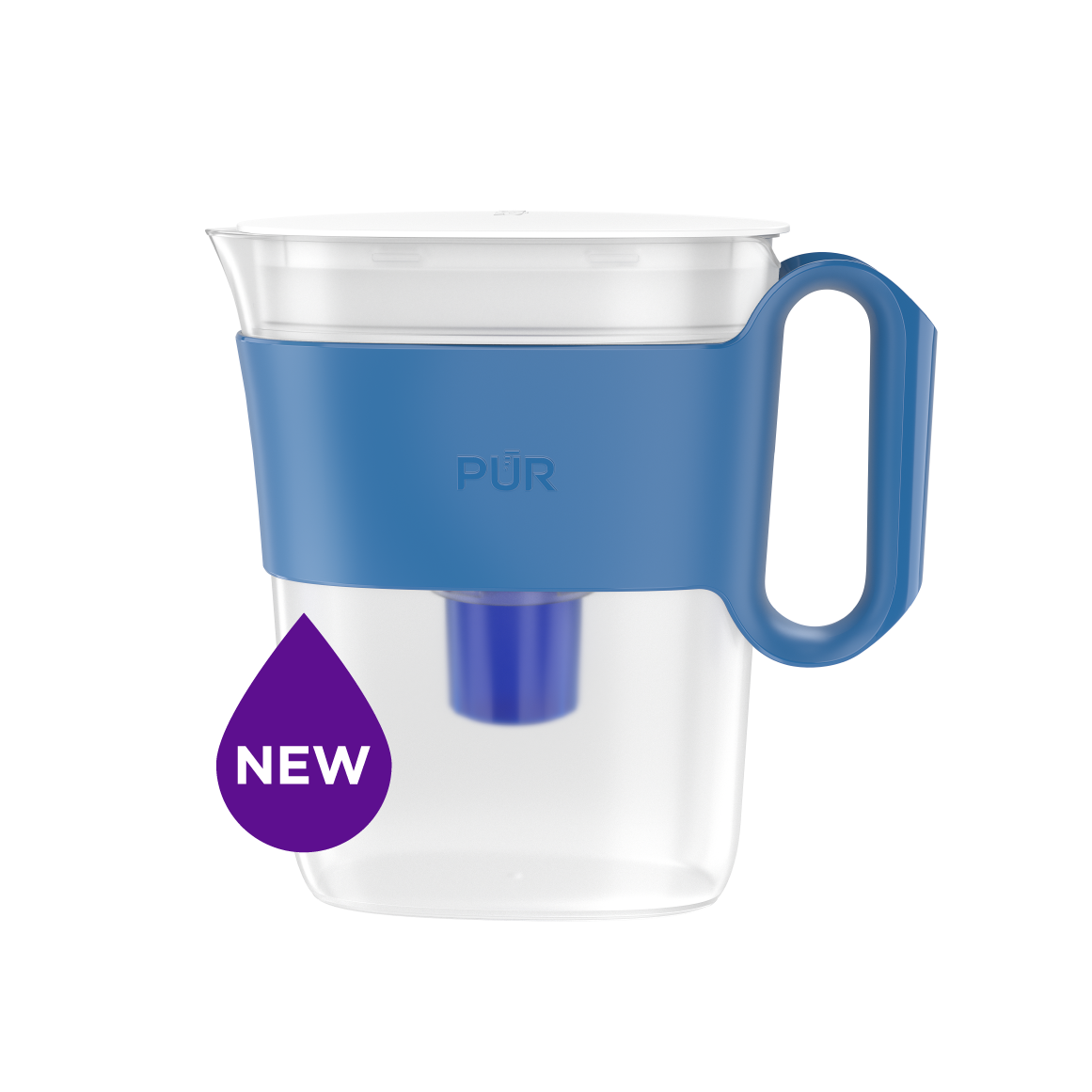
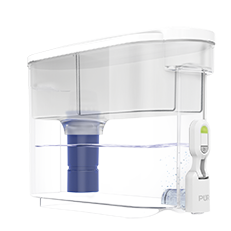
PUR PLUS PITCHER FILTERS
PPF951K

View Filter

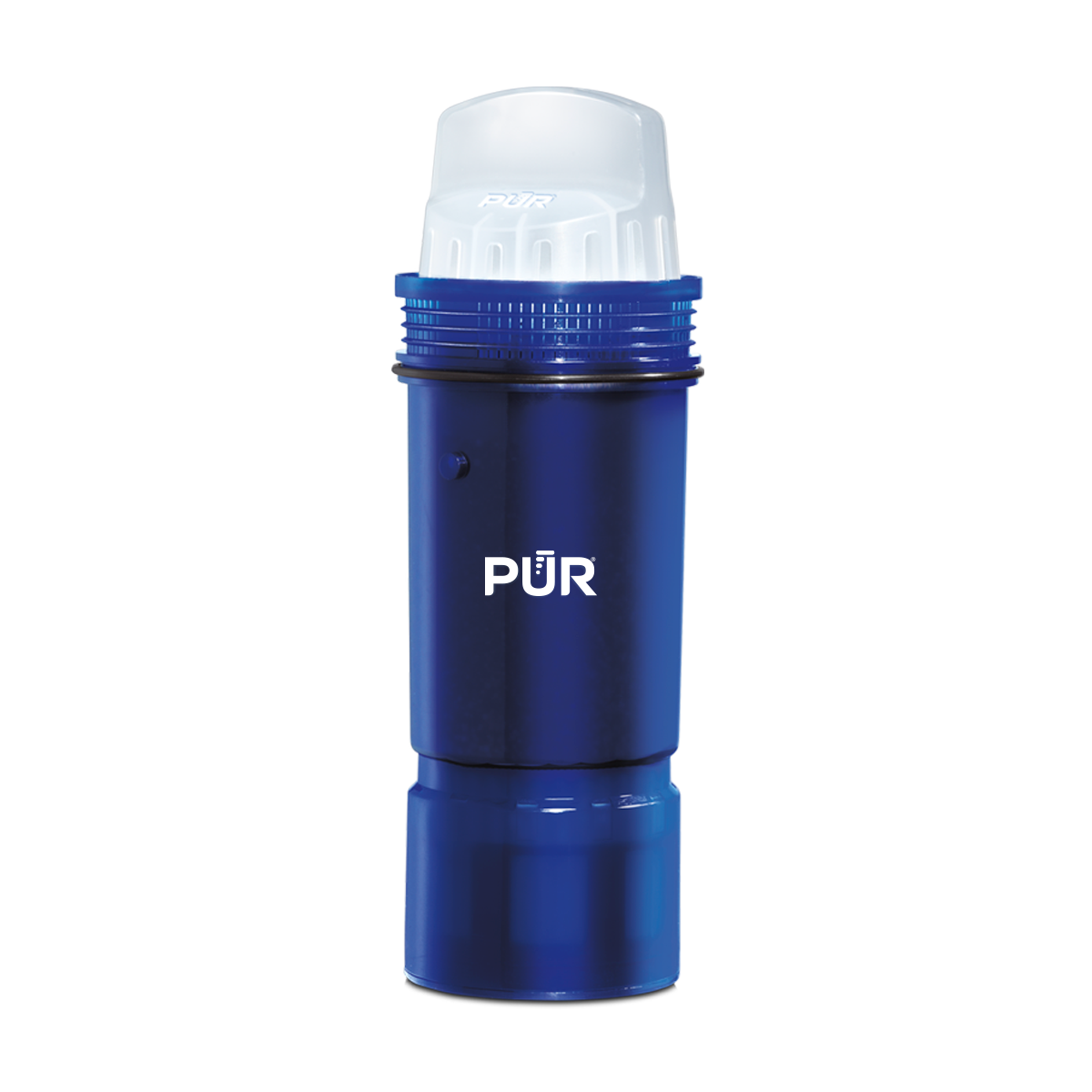
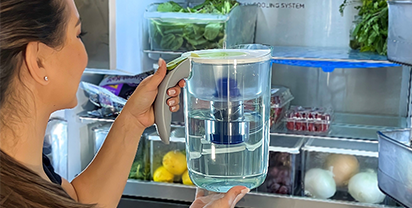
PUR BASIC PITCHER FILTERS
PPF900Z

View Filter


Vs. Brita*

Lead
Microplastics
Mercury
Chlorine Taste & Odor
DEET
TTHM

PUR’s Filtration Systems Are Certified By NSF And WQA For Their Contamination Reduction. WQA certifications as of 5/27/21 for Faucet filter models RF-3375 and RF-9999.

¹ Certified to reduce 10X more chemical and physical substances than Brita’s® leading pitcher filter.
² Certified to reduce 3X more chemical and physical substances than Brita’s® leading pitcher filter.
³ Certified to reduce 2X more chemical and physical substances than Brita’s® leading pitcher filter.
*Versus best-selling Brita® pitcher filter OB03. Brita® is a trademark of Brita LP.
**Like other leading brands, PUR does not filter microbes. As of 3/1/23 Brita® and ZeroWater® were not certified to filter microbes. Brita® is a trademark of Brita LP. ZeroWater® is a trademark of Zero Technologies, LLC..
 

PUR & PUR PLUS FAUCET FILTERS


PUR & PUR PLUS FAUCET FILTERS
RF3375/RF9999

View Filters


Vs. Brita*

Lead
Microplastics
Mercury
Chlorine Taste & Odor
DEET
TTHM

PUR’s Filtration Systems Are Certified By NSF And WQA For Their Contamination Reduction. WQA certifications as of 5/27/21 for Faucet filter models RF-3375 and RF-9999.

¹ Certified to reduce 10X more chemical and physical substances than Brita’s® leading pitcher filter.
² Certified to reduce 3X more chemical and physical substances than Brita’s® leading pitcher filter.
³ Certified to reduce 2X more chemical and physical substances than Brita’s® leading pitcher filter.
*Versus best-selling Brita® pitcher filter OB03. Brita® is a trademark of Brita LP.
**Like other leading brands, PUR does not filter microbes. As of 3/1/23 Brita® and ZeroWater® were not certified to filter microbes. Brita® is a trademark of Brita LP. ZeroWater® is a trademark of Zero Technologies, LLC..


PUR PLUS PITCHER FILTERS


PUR PLUS PITCHER FILTERS
PPF951K

View Filter


Vs. Brita*

Lead
Microplastics
Mercury
Chlorine Taste & Odor
DEET
TTHM

PUR’s Filtration Systems Are Certified By NSF And WQA For Their Contamination Reduction. WQA certifications as of 5/27/21 for Faucet filter models RF-3375 and RF-9999.

¹ Certified to reduce 10X more chemical and physical substances than Brita’s® leading pitcher filter.
² Certified to reduce 3X more chemical and physical substances than Brita’s® leading pitcher filter.
³ Certified to reduce 2X more chemical and physical substances than Brita’s® leading pitcher filter.
*Versus best-selling Brita® pitcher filter OB03. Brita® is a trademark of Brita LP.
**Like other leading brands, PUR does not filter microbes. As of 3/1/23 Brita® and ZeroWater® were not certified to filter microbes. Brita® is a trademark of Brita LP. ZeroWater® is a trademark of Zero Technologies, LLC..


PUR BASIC PITCHER FILTERS


PUR BASIC PITCHER FILTERS
PPF900Z

View Filter


Vs. Brita*

Lead
Microplastics
Mercury
Chlorine Taste & Odor
DEET
TTHM

PUR’s Filtration Systems Are Certified By NSF And WQA For Their Contamination Reduction. WQA certifications as of 5/27/21 for Faucet filter models RF-3375 and RF-9999.

¹ Certified to reduce 10X more chemical and physical substances than Brita’s® leading pitcher filter.
² Certified to reduce 3X more chemical and physical substances than Brita’s® leading pitcher filter.
³ Certified to reduce 2X more chemical and physical substances than Brita’s® leading pitcher filter.
*Versus best-selling Brita® pitcher filter OB03. Brita® is a trademark of Brita LP.
**Like other leading brands, PUR does not filter microbes. As of 3/1/23 Brita® and ZeroWater® were not certified to filter microbes. Brita® is a trademark of Brita LP. ZeroWater® is a trademark of Zero Technologies, LLC..


What is PVC Tarpaulin and Its Key Uses in Various Industries?

In the realm of industrial materials, PVC Tarpaulin stands out for its versatility and durability. As John Doe, a renowned expert in materials engineering, states, "PVC Tarpaulin is the backbone of many industries due to its unmatched resilience." This material is widely used in construction, transportation, and agriculture.

Manufacturers often choose PVC Tarpaulin for its waterproof qualities. For instance, it protects goods from harsh weather conditions. In construction, it acts as a protective cover, shielding equipment and materials from rain and UV rays. However, the reliance on PVC Tarpaulin raises concerns about environmental impact. Critics argue that its production can lead to pollution.

Furthermore, while this material is decisive for many businesses, it is essential to evaluate alternatives. Sustainability has emerged as a pressing issue in recent years. Industry leaders must consider innovative solutions that minimize ecological footprints. Embracing new materials could enhance both performance and environmental responsibility.

What is PVC Tarpaulin and Its Key Uses in Various Industries?

Definition and Composition of PVC Tarpaulin

PVC tarpaulin is a versatile material made from polyvinyl chloride (PVC) resins. It is specially formulated to create a waterproof fabric that is both durable and flexible. Typically, this material comprises a woven polyester core coated with layers of PVC on both sides. This unique combination gives PVC tarpaulin its strength and makes it resistant to various environmental factors.

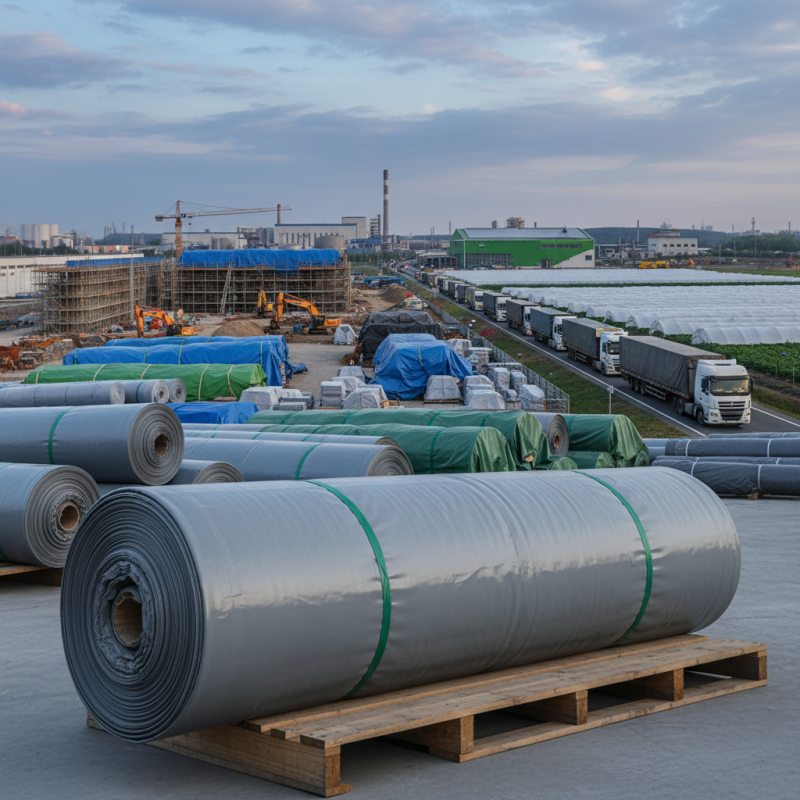
In several industries, PVC tarpaulin plays a crucial role. For instance, the transportation sector utilizes it for truck covers, protecting cargo from rain and UV rays. Additionally, construction sites employ PVC tarpaulin for scaffolding and protective enclosures, enhancing safety. According to a recent industry report, the demand for waterproof tarpaulin solutions has surged by 15% over the past five years.

**Tip**: When selecting PVC tarpaulin, consider the weight and thickness. Lighter options may be easier to handle, but heavier variants provide better durability and protection.

Another fascinating aspect is the recyclability of PVC tarpaulin. It can be repurposed into new products, reducing waste. However, the recycling process is not always straightforward. There can be challenges related to contamination and the quality of the recycled material. It highlights the need for better methods and awareness in the industry.

**Tip**: Always verify recycling facilities in your area. Not all places accept PVC materials, and understanding this can help minimize environmental impact.

What is PVC Tarpaulin and Its Key Uses in Various Industries?

Dimension Material Composition Key Uses Industries
0.5mm Thick PVC Coated Polyester Tents, Awnings Construction, Events
0.7mm Thick PVC with UV Protection Boat Covers, Tarps Marine, Agriculture
1.0mm Thick Heavy-Duty PVC Cargo Covers, Truck Tarps Transportation, Logistics
0.3mm Thick Lightweight PVC Inflatable Structures, Signs Advertising, Entertainment
1.5mm Thick Fire Retardant PVC Partition Curtains, Safety Covers Manufacturing, Safety

Key Properties and Advantages of PVC Tarpaulin

PVC tarpaulin is a versatile material used in many industries. Its key properties make it highly valuable. It is waterproof, durable, and resistant to UV rays. This resistance helps prevent fading and damage from sunlight. According to a recent industry report, the global PVC tarpaulin market is expected to reach $12 billion by 2025. These figures highlight the increasing demand for this material across various sectors.


The advantages of PVC tarpaulin include its lightweight nature and flexibility. This makes it easy to transport and install. Moreover, it can withstand harsh weather conditions. Industries such as construction and transportation greatly benefit from these features. For instance, PVC tarpaulin is often used for truck covers and protective sheeting. Such applications demonstrate its practical use in day-to-day operations.


Tips: When selecting PVC tarpaulin, consider its thickness. Thicker tarpaulins offer better durability. Also, check the specifications related to temperature resistance. Some may fail under extreme conditions. It’s crucial to choose the right type for your specific needs. This attention to detail can prevent costly replacements later.

Common Industrial Applications of PVC Tarpaulin

PVC tarpaulin is a versatile material commonly used across various industries. Its strength and durability make it very popular. In construction, PVC tarpaulin is often utilized for temporary shelters and protection. Workers can stay dry and shielded from the elements. Many construction sites use this material to cover equipment and supplies.

Agriculture also benefits from PVC tarpaulin. Farmers use it to create protective covers for crops. These covers protect plants from harsh weather conditions. Additionally, they can be used in storage to keep grain dry and free from pests. Livestock shelters made of tarpaulin can reduce stress and provide a safer environment.

Another key application is in the transport sector. PVC tarpaulin is perfect for lorry covers and trailers. It protects goods from rain and deterioration. However, issues such as fading or wear can arise over time. Regular inspections help ensure its effectiveness, but not all organizations prioritize this. Balancing cost and quality is often tricky.

Comparison of PVC Tarpaulin with Other Materials

PVC tarpaulin is widely recognized for its strength and durability. Compared to other materials like canvas and polyethylene, PVC offers superior resistance to water, UV rays, and chemicals. According to industry reports, PVC tarpaulin can last up to five times longer than canvas under the same conditions. This durability makes it a popular choice in many sectors, including construction, agriculture, and transportation.


When evaluating the suitability of materials, one must consider weight and flexibility. PVC tarpaulin is lighter than many alternatives but remains robust. In contrast, canvas can be heavier and less adaptable to varying weather conditions. It may break down quicker, leading to more frequent replacements. An analysis from a leading materials research organization noted that while PVC may incur a higher initial investment, its longevity can lead to lower costs over time.


Environmental concerns are also relevant. PVC is a synthetic product, which raises questions about its sustainability. The production process can lead to emissions that are harmful to the environment. As industries push for greener options, the recyclability of PVC tarpaulin is yet to be fully established. This aspect suggests a need for ongoing evaluation and improvement in production practices, ensuring a balance between utility and environmental impact.

Maintenance and Care for PVC Tarpaulin Products

PVC tarpaulin is known for its durability and versatility. However, proper maintenance is essential to extend its lifespan. Regular cleaning is a must. Use mild soap and water to remove dirt. Avoid harsh chemicals, as they can damage the material. Rinse thoroughly to prevent residue buildup.

When storing PVC tarpaulin, roll it instead of folding. Folding can create creases that weaken the fabric over time. Keep it in a cool, dry place. Extreme temperatures can lead to deterioration. Address any damage promptly. Small tears can be repaired with adhesive patches.

**Tips:**
Keep it away from sharp objects. UV exposure can fade colors. Consider using a protective cover during long-term storage. Lastly, check for mildew in humid climates.

PVC Tarpaulin Applications Across Industries

PVC tarpaulin is widely used in various industries due to its durability and versatility. This bar chart illustrates the percentage of use among different sectors including construction, agriculture, transportation, event management, and marine applications.