Contaminant Comparison Chart

For a complete list of contaminants that PUR filters reduce, please view our Performance Data Sheets here.


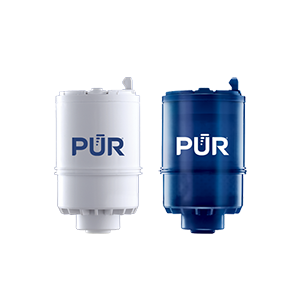
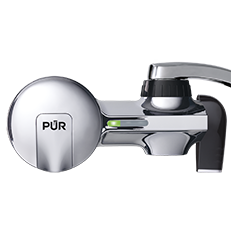
PUR & PUR PLUS FAUCET FILTERS
RF3375/RF9999

View Filters

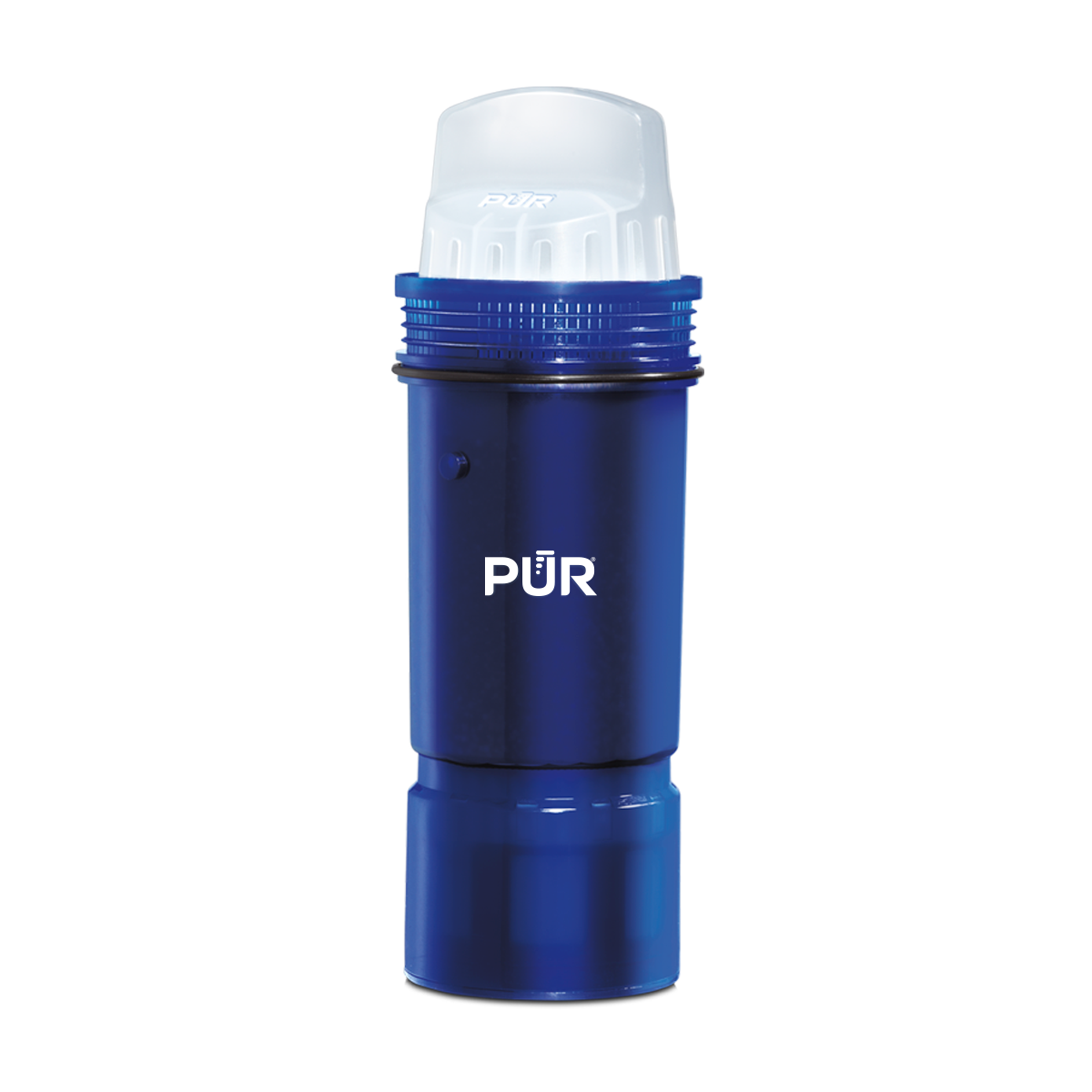
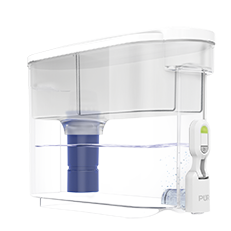
PUR PLUS PITCHER FILTERS
PPF951K

View Filter

PUR BASIC PITCHER FILTERS
PPF900Z

View Filter


Vs. Brita*

Lead
Microplastics
Mercury
Chlorine Taste & Odor
DEET
TTHM

PUR’s Filtration Systems Are Certified By NSF And WQA For Their Contamination Reduction. WQA certifications as of 5/27/21 for Faucet filter models RF-3375 and RF-9999.

¹ Certified to reduce 10X more chemical and physical substances than Brita’s® leading pitcher filter.
² Certified to reduce 3X more chemical and physical substances than Brita’s® leading pitcher filter.
³ Certified to reduce 2X more chemical and physical substances than Brita’s® leading pitcher filter.
*Versus best-selling Brita® pitcher filter OB03. Brita® is a trademark of Brita LP.
**Like other leading brands, PUR does not filter microbes. As of 3/1/23 Brita® and ZeroWater® were not certified to filter microbes. Brita® is a trademark of Brita LP. ZeroWater® is a trademark of Zero Technologies, LLC..
 

PUR & PUR PLUS FAUCET FILTERS


PUR & PUR PLUS FAUCET FILTERS
RF3375/RF9999

View Filters


Vs. Brita*

Lead
Microplastics
Mercury
Chlorine Taste & Odor
DEET
TTHM

PUR’s Filtration Systems Are Certified By NSF And WQA For Their Contamination Reduction. WQA certifications as of 5/27/21 for Faucet filter models RF-3375 and RF-9999.

¹ Certified to reduce 10X more chemical and physical substances than Brita’s® leading pitcher filter.
² Certified to reduce 3X more chemical and physical substances than Brita’s® leading pitcher filter.
³ Certified to reduce 2X more chemical and physical substances than Brita’s® leading pitcher filter.
*Versus best-selling Brita® pitcher filter OB03. Brita® is a trademark of Brita LP.
**Like other leading brands, PUR does not filter microbes. As of 3/1/23 Brita® and ZeroWater® were not certified to filter microbes. Brita® is a trademark of Brita LP. ZeroWater® is a trademark of Zero Technologies, LLC..


PUR PLUS PITCHER FILTERS


PUR PLUS PITCHER FILTERS
PPF951K

View Filter


Vs. Brita*

Lead
Microplastics
Mercury
Chlorine Taste & Odor
DEET
TTHM

PUR’s Filtration Systems Are Certified By NSF And WQA For Their Contamination Reduction. WQA certifications as of 5/27/21 for Faucet filter models RF-3375 and RF-9999.

¹ Certified to reduce 10X more chemical and physical substances than Brita’s® leading pitcher filter.
² Certified to reduce 3X more chemical and physical substances than Brita’s® leading pitcher filter.
³ Certified to reduce 2X more chemical and physical substances than Brita’s® leading pitcher filter.
*Versus best-selling Brita® pitcher filter OB03. Brita® is a trademark of Brita LP.
**Like other leading brands, PUR does not filter microbes. As of 3/1/23 Brita® and ZeroWater® were not certified to filter microbes. Brita® is a trademark of Brita LP. ZeroWater® is a trademark of Zero Technologies, LLC..


PUR BASIC PITCHER FILTERS


PUR BASIC PITCHER FILTERS
PPF900Z

View Filter


Vs. Brita*

Lead
Microplastics
Mercury
Chlorine Taste & Odor
DEET
TTHM

PUR’s Filtration Systems Are Certified By NSF And WQA For Their Contamination Reduction. WQA certifications as of 5/27/21 for Faucet filter models RF-3375 and RF-9999.

¹ Certified to reduce 10X more chemical and physical substances than Brita’s® leading pitcher filter.
² Certified to reduce 3X more chemical and physical substances than Brita’s® leading pitcher filter.
³ Certified to reduce 2X more chemical and physical substances than Brita’s® leading pitcher filter.
*Versus best-selling Brita® pitcher filter OB03. Brita® is a trademark of Brita LP.
**Like other leading brands, PUR does not filter microbes. As of 3/1/23 Brita® and ZeroWater® were not certified to filter microbes. Brita® is a trademark of Brita LP. ZeroWater® is a trademark of Zero Technologies, LLC..


Top Quality Laminate Plank Flooring for Global Buyers?

In today's competitive flooring market, Top Quality Laminate Plank options have gained significant traction among global buyers. According to a recent report by the International Floor Covering Association (IFCA), the laminate flooring segment is projected to grow at a compound annual growth rate (CAGR) of 4.5% from 2023 to 2028. This growth reflects a shift in consumer preferences towards sustainable and cost-effective flooring solutions. Industry expert Dr. Emily Carter, a leading figure in flooring innovations, states, “The evolution of laminate plank technology has redefined consumer choices in flooring.”

Laminate planks offer durability and aesthetic variety, appealing to both residential and commercial markets. Their ability to mimic natural wood while being resistant to scratches and moisture makes them a preferred choice. However, with this popularity comes the challenge of discerning quality. As buyers navigate choices, it becomes crucial to assess warranties, manufacturing standards, and environmental impacts.

While the laminate plank industry is advancing, it is not without its flaws. Quality control issues sometimes arise, impacting consumer trust. Understanding these dynamics is vital for buyers eager to invest in long-lasting, visually appealing flooring solutions. Investment in high-quality products is essential to avoid the pitfalls of less reliable options in the market.

Top Quality Laminate Plank Flooring for Global Buyers?

Overview of Laminate Plank Flooring and its Global Appeal

Laminate plank flooring has captured global interest due to its affordability and durability. According to the latest industry reports, the global laminate flooring market was valued at around $30 billion in 2022, with forecasts predicting a growth rate of over 5% per year. This growth stems from the increasing demand for sustainable and cost-effective flooring solutions in both residential and commercial spaces.

One key factor driving this trend is the variety of designs available. Laminate flooring mimics the appearance of hardwood, tile, and stone, making it adaptable to various aesthetic preferences. The World Floor Covering Association noted that laminate now comprises nearly 10% of the entire flooring market in North America alone. However, while laminate is popular, some buyers express concerns about its scratch resistance and longevity in high-traffic areas.

As manufacturers continue to innovate, the quality of materials and production processes must improve. The challenge lies in balancing cost and quality, as not all products meet the same durability standards. Research indicates that options with higher fiber density and better surface protection are essential for ensuring long-term satisfaction. Ongoing consumer education around these factors remains necessary to prevent disappointment and reaffirm the value of laminate as a flooring choice.

Key Characteristics of High-Quality Laminate Plank Flooring

When considering laminate plank flooring, quality is paramount. High-quality options stand out due to their durability and aesthetic appeal. One key characteristic is the wear layer. This top layer protects the flooring from scratches and stains. A thicker wear layer generally means better resistance to wear over time. Quality laminate also features realistic textures, mimicking natural materials like wood or stone. The visual authenticity brings a warm, inviting feel to any space.

Another important aspect is ease of installation. Many high-quality laminates come with a simple locking mechanism. This feature allows for quick and straightforward installation, appealing to DIY enthusiasts. Additionally, sound absorption capabilities can enhance comfort, making a room feel more cozy. However, buyers should be cautious. Not all products deliver on their promises. It's essential to research and verify claims through reviews or recommendations.

Lastly, moisture resistance is vital for laminate flooring, especially in humid environments. Some products offer enhanced protection, which can prevent warping or damage. Being aware of these characteristics can guide buyers in making informed decisions. This approach minimizes future regrets, especially in high-traffic areas. A thoughtful choice will lead to long-lasting satisfaction with laminate flooring.

Key Characteristics of High-Quality Laminate Plank Flooring

Popular Styles and Patterns for International Markets

When it comes to laminate plank flooring, design choices play a crucial role in appealing to global buyers. Many international markets favor natural wood looks that offer warmth and sophistication. Textures that mimic oak, walnut, and maple are popular, creating an inviting ambiance in homes. Buyers are drawn to styles that provide not just aesthetics but also practicality.

Patterns have also evolved significantly. Distressed and hand-scraped finishes are gaining traction, appealing to those seeking a rustic charm. This trend shows a desire for authenticity and character in flooring. Geometric patterns and herringbone layouts are trending as well. They add a contemporary twist to traditional designs, capturing the attention of modern homeowners. However, the challenge lies in aligning these designs with varying cultural preferences across countries. The effectiveness of these styles can fluctuate based on regional tastes and demands.

Durability remains a priority for buyers. High-quality laminate must withstand wear and tear in busy homes. Yet, some designs may sacrifice durability for style. This trade-off requires careful consideration. Compatibility with local housing styles is another aspect to ponder. The global market is diverse, and what appeals in one area may not resonate in another. Adapting designs to suit specific markets can be complex but vital for success.

Manufacturing Processes of Premium Laminate Flooring

The manufacturing processes of premium laminate flooring involve several critical stages that determine the final product's quality. High-density fiberboard (HDF) is often the core material, which provides durability and stability. According to a recent market report, 60% of laminate flooring produced globally uses HDF, showcasing its dominance in the industry.

During the lamination process, a decorative layer is fused over the HDF. This layer can imitate wood, stone, or other materials, giving flexibility to design choices. Advanced printing technologies, including digital printing, allow for intricate patterns and textures. However, the reliance on technology may lead to quality inconsistencies if not monitored properly.

When choosing laminate flooring, consider the thickness. Floors should typically be at least 8mm thick for residential use, balancing durability and cost. The type of wear layer applied also influences longevity; a thicker wear layer often correlates with better performance in high-traffic areas.

The production process can involve considerable waste, emphasizing the importance of sustainable practices. Several manufacturers are now focusing on eco-friendly methods, yet challenges remain in minimizing waste. It encourages ongoing reflection on how the industry can improve its sustainability efforts while maintaining quality.

Top Global Suppliers and Brands in the Laminate Flooring Industry

When searching for top global suppliers in the laminate flooring industry, it's crucial to consider various key factors. The landscape is packed with manufacturers offering unique designs and durability. A closer look reveals that some brands excel in innovation, while others may lag. Quality varies widely, highlighting the importance of understanding product specifications.

For buyers, it’s vital to examine the production processes. Some suppliers use eco-friendly materials, which appeal to environmentally-conscious consumers. However, not all manufacturers prioritize sustainability. Investigating their practices can unveil hidden truths about product origins. Sampling products before committing can help assess their quality.

The laminate flooring market is competitive, yet transparency is often lacking. Some brands boast high ratings but fall short in customer service. This inconsistency can lead to frustration for global buyers. Engaging with online reviews and industry forums can provide insight into real user experiences. Making informed decisions requires diligence and caution in selecting suppliers.

Top Quality Laminate Plank Flooring for Global Buyers

Type Thickness (mm) Water Resistance Warranty (years) Price Range (per Sq. Ft.)
Standard Laminate 8 Moderate 10 $1.50 - $3.00
High-End Laminate 12 High 25 $2.50 - $5.00
Water Resistant Laminate 10 Very High 15 $2.00 - $4.00
Luxury Laminate 10 Moderate 20 $3.00 - $6.00