Contaminant Comparison Chart

For a complete list of contaminants that PUR filters reduce, please view our Performance Data Sheets here.


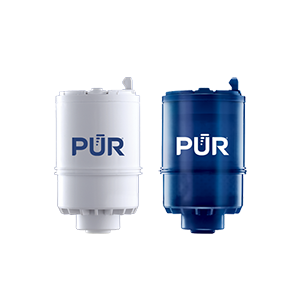
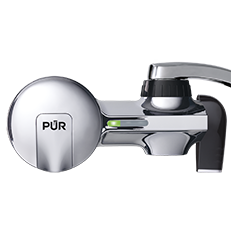
PUR & PUR PLUS FAUCET FILTERS
RF3375/RF9999

View Filters

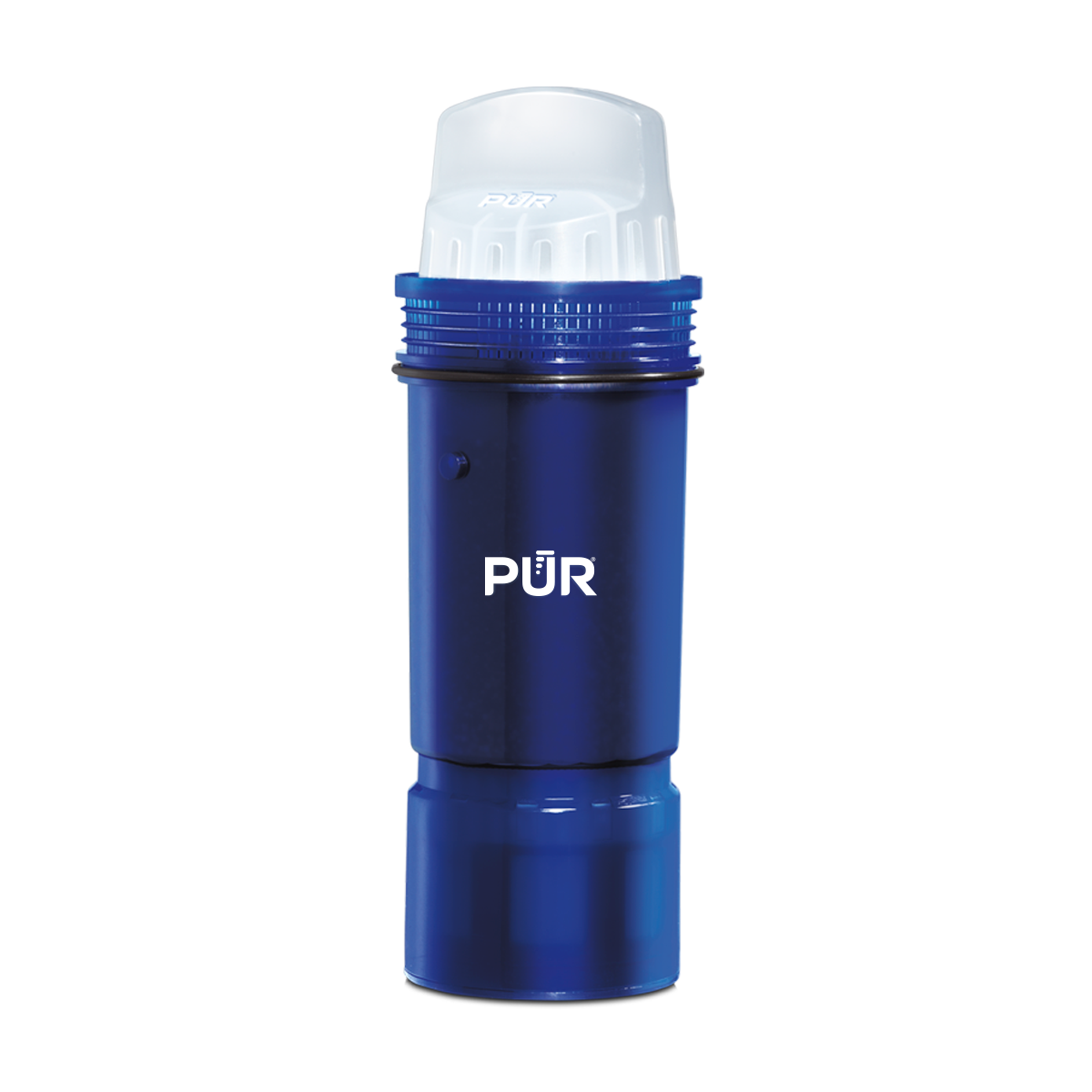
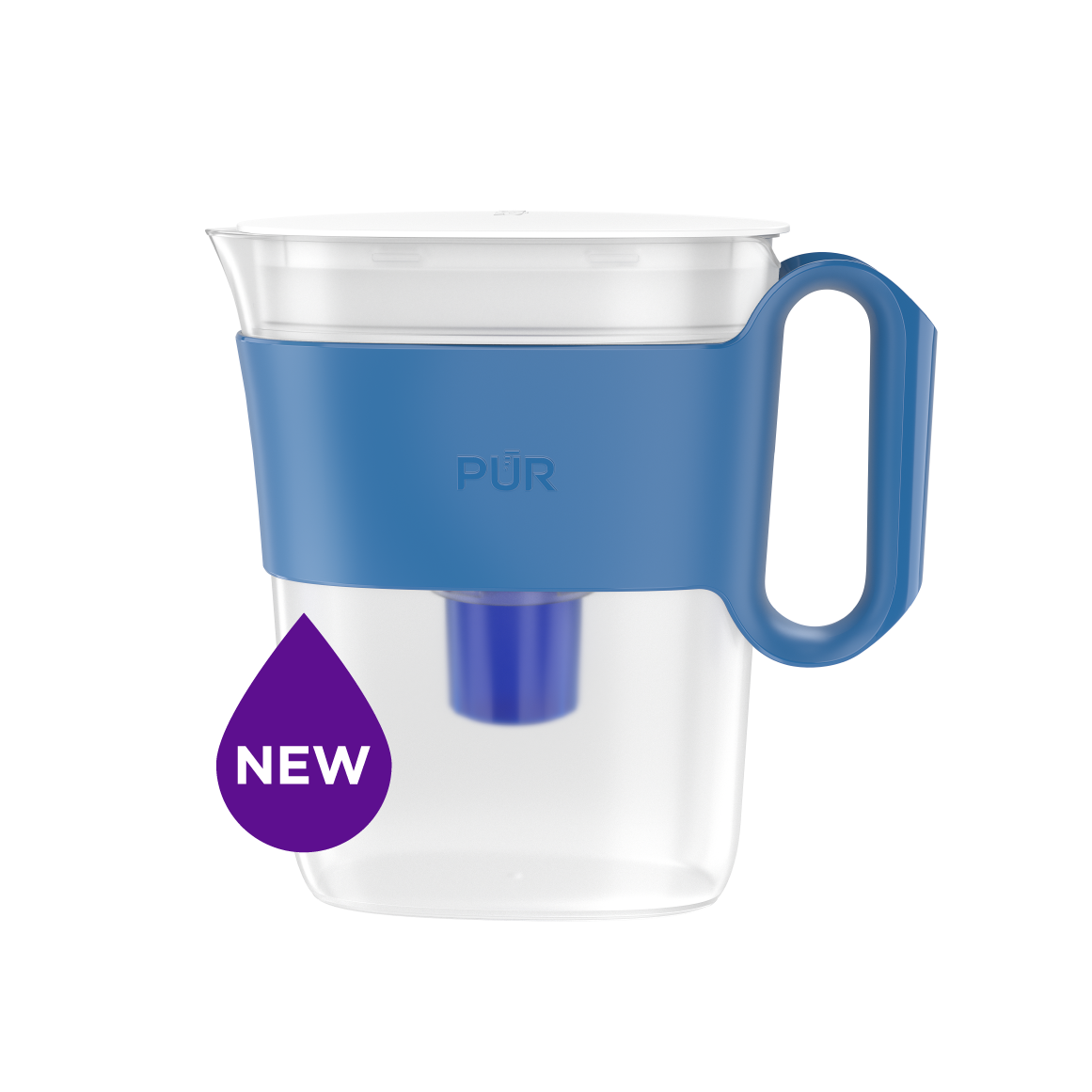
PUR PLUS PITCHER FILTERS
PPF951K

View Filter

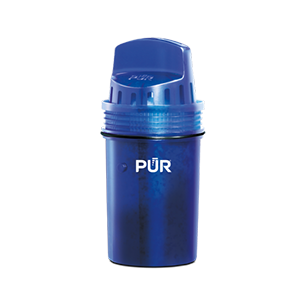
PUR BASIC PITCHER FILTERS
PPF900Z

View Filter


Vs. Brita*

Lead
Microplastics
Mercury
Chlorine Taste & Odor
DEET
TTHM

PUR’s Filtration Systems Are Certified By NSF And WQA For Their Contamination Reduction. WQA certifications as of 5/27/21 for Faucet filter models RF-3375 and RF-9999.

¹ Certified to reduce 10X more chemical and physical substances than Brita’s® leading pitcher filter.
² Certified to reduce 3X more chemical and physical substances than Brita’s® leading pitcher filter.
³ Certified to reduce 2X more chemical and physical substances than Brita’s® leading pitcher filter.
*Versus best-selling Brita® pitcher filter OB03. Brita® is a trademark of Brita LP.
**Like other leading brands, PUR does not filter microbes. As of 3/1/23 Brita® and ZeroWater® were not certified to filter microbes. Brita® is a trademark of Brita LP. ZeroWater® is a trademark of Zero Technologies, LLC..
 

PUR & PUR PLUS FAUCET FILTERS


PUR & PUR PLUS FAUCET FILTERS
RF3375/RF9999

View Filters


Vs. Brita*

Lead
Microplastics
Mercury
Chlorine Taste & Odor
DEET
TTHM

PUR’s Filtration Systems Are Certified By NSF And WQA For Their Contamination Reduction. WQA certifications as of 5/27/21 for Faucet filter models RF-3375 and RF-9999.

¹ Certified to reduce 10X more chemical and physical substances than Brita’s® leading pitcher filter.
² Certified to reduce 3X more chemical and physical substances than Brita’s® leading pitcher filter.
³ Certified to reduce 2X more chemical and physical substances than Brita’s® leading pitcher filter.
*Versus best-selling Brita® pitcher filter OB03. Brita® is a trademark of Brita LP.
**Like other leading brands, PUR does not filter microbes. As of 3/1/23 Brita® and ZeroWater® were not certified to filter microbes. Brita® is a trademark of Brita LP. ZeroWater® is a trademark of Zero Technologies, LLC..


PUR PLUS PITCHER FILTERS


PUR PLUS PITCHER FILTERS
PPF951K

View Filter


Vs. Brita*

Lead
Microplastics
Mercury
Chlorine Taste & Odor
DEET
TTHM

PUR’s Filtration Systems Are Certified By NSF And WQA For Their Contamination Reduction. WQA certifications as of 5/27/21 for Faucet filter models RF-3375 and RF-9999.

¹ Certified to reduce 10X more chemical and physical substances than Brita’s® leading pitcher filter.
² Certified to reduce 3X more chemical and physical substances than Brita’s® leading pitcher filter.
³ Certified to reduce 2X more chemical and physical substances than Brita’s® leading pitcher filter.
*Versus best-selling Brita® pitcher filter OB03. Brita® is a trademark of Brita LP.
**Like other leading brands, PUR does not filter microbes. As of 3/1/23 Brita® and ZeroWater® were not certified to filter microbes. Brita® is a trademark of Brita LP. ZeroWater® is a trademark of Zero Technologies, LLC..


PUR BASIC PITCHER FILTERS


PUR BASIC PITCHER FILTERS
PPF900Z

View Filter


Vs. Brita*

Lead
Microplastics
Mercury
Chlorine Taste & Odor
DEET
TTHM

PUR’s Filtration Systems Are Certified By NSF And WQA For Their Contamination Reduction. WQA certifications as of 5/27/21 for Faucet filter models RF-3375 and RF-9999.

¹ Certified to reduce 10X more chemical and physical substances than Brita’s® leading pitcher filter.
² Certified to reduce 3X more chemical and physical substances than Brita’s® leading pitcher filter.
³ Certified to reduce 2X more chemical and physical substances than Brita’s® leading pitcher filter.
*Versus best-selling Brita® pitcher filter OB03. Brita® is a trademark of Brita LP.
**Like other leading brands, PUR does not filter microbes. As of 3/1/23 Brita® and ZeroWater® were not certified to filter microbes. Brita® is a trademark of Brita LP. ZeroWater® is a trademark of Zero Technologies, LLC..


What is Rv Water Treatment and How Does It Work?

Rv Water Treatment is essential for maintaining safe and clean water in recreational vehicles. With millions of families choosing to journey on the road, understanding water treatment has become crucial. According to a recent report from the RV Industry Association, nearly 75% of RV owners prioritize clean water systems while traveling. This emphasis echoes the insights of Dr. Sarah Thompson, a leading expert in water purification, who stated, "A reliable water treatment system is not just a luxury; it's a necessity for health and safety."

The Rv Water Treatment process typically involves several stages. These include filtration, disinfection, and purification. Each stage plays a critical role in ensuring the water is free from contaminants. However, many RV owners overlook the importance of regular maintenance for their treatment systems. This negligence can lead to potential health risks and unpleasant experiences. Reports indicate that nearly 30% of RV owners face issues due to untreated water.

In summary, Rv Water Treatment is more than a simple task. It requires knowledge, diligence, and the right tools. As the industry evolves, staying informed is vital. Our traveling experiences depend significantly on the quality of water we consume. Therefore, understanding and investing in effective Rv Water Treatment remains imperative.

What is Rv Water Treatment and How Does It Work?

What is RV Water Treatment?

RV water treatment is essential for maintaining clean and safe water in recreational vehicles. Many RV users often overlook this step. This can lead to potential health hazards. According to the National Park Service, untreated water may contain harmful bacteria. These contaminants can affect the entire family.

The process involves filtering and purifying water. Common methods include using activated carbon filters or UV purifiers. Research shows that UV light can eliminate up to 99.9% of bacteria. However, not all RVs come equipped with adequate systems. Many users report issues with taste and odor in their water. Regular maintenance is often ignored, which can compromise water quality.

Testing water quality before use is crucial. Some studies suggest that 60% of RV owners do not test their water. This lack of awareness can lead to serious health risks. Cleaning tanks and ensuring proper filtration should be routine. RV water treatment is not just a luxury; it's a necessity for healthy traveling. Proper education and maintenance can drastically improve water quality.

The Importance of Clean Water for RV Owners

For RV owners, clean water is crucial for health and comfort. Many often underestimate the importance of treating their water supplies. Contaminated water can lead to serious health issues. Regular testing and treatment are necessary.

When traveling, access to clean water can be unpredictable. RV tanks can contain bacteria, algae, and other harmful contaminants. This is why using a reliable water treatment system is essential. Filtration removes unwanted particles and chemicals. It ensures that each sip is safe.

Observing how your water behaves can provide insights. Discoloration or unusual odors may indicate problems. These signs should not be ignored. Investing time and effort into maintaining water quality can enhance the RV experience significantly. RV life should be enjoyable, and having clean water contributes to that enjoyment.

How RV Water Treatment Systems Function

RV water treatment systems are essential for delivering clean and safe drinking water while on the road. These systems typically involve several stages, starting with filtration. This step removes larger particles, sediments, and some microorganisms. A good filter can greatly enhance water quality by ensuring it is clear and fresh.

After filtration, many systems employ chemical treatments. Common methods include the use of chlorine or UV light to disinfect the water further. These treatments eliminate harmful bacteria and viruses, making water safe for consumption. However, it's important to monitor and regularly replace filters and chemicals. Neglecting this can lead to ineffective treatment and potential health risks.

The final stage often involves a storage tank, which holds treated water until needed. This tank should be cleaned regularly. Over time, bacteria can grow inside if the tank is not maintained. Treatment systems can vary widely in complexity and effectiveness. Users must research and understand their specific needs. It's crucial to assess the reliability of each component to ensure safe water while traveling.

Types of RV Water Treatment Systems Available

When it comes to RV water treatment systems, there are several options available, each suiting different needs. One common type is the activated carbon filter. This system effectively reduces chlorine and other impurities. It enhances the taste and odor of water, making it more pleasant for drinking and cooking.

Another popular option is UV purification. This method uses ultraviolet light to kill bacteria and viruses in the water. It's an excellent choice for campers seeking a chemical-free approach. However, it requires a power source, which can be limiting in some situations.

**Tips:** Always maintain your system for the best results. Regularly change filters as scheduled. This ensures optimal performance and safe drinking water. Consider testing your water quality periodically, especially if you camp in remote areas. Not all systems are perfect for every situation. It's essential to evaluate your specific travel needs and water sources before deciding.

Maintenance Tips for RV Water Treatment Systems

Maintaining your RV water treatment system is crucial for clean and safe water. Regular checks can prevent serious issues. Begin by inspecting filters every month. Clogged filters can lead to poor water quality. Replace them according to the manufacturer's guidelines. It’s an easy task but often overlooked.

Another important tip is to monitor water levels and tanks. Bacteria can grow in stagnant water. Ensure that your fresh water tank is filled regularly and emptied when not in use. Check for leaks around connections. This could save you from costly repairs later. Addressing these small issues promptly keeps your system running efficiently.

Finally, use the right cleaning solutions. While it’s tempting to use strong chemicals, they can harm your system. Opt for eco-friendly options to ensure both safety and efficiency. Your RV deserves the best care, even if it requires a bit of extra effort.

RV Water Treatment System Maintenance Overview