
Contaminant Comparison Chart

For a complete list of contaminants that PUR filters reduce, please view our Performance Data Sheets here.


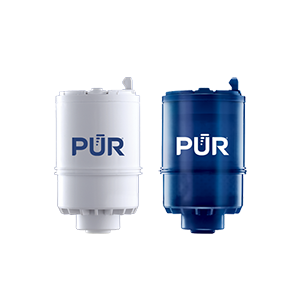
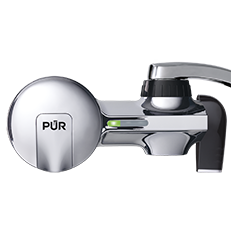
PUR & PUR PLUS FAUCET FILTERS
RF3375/RF9999

View Filters

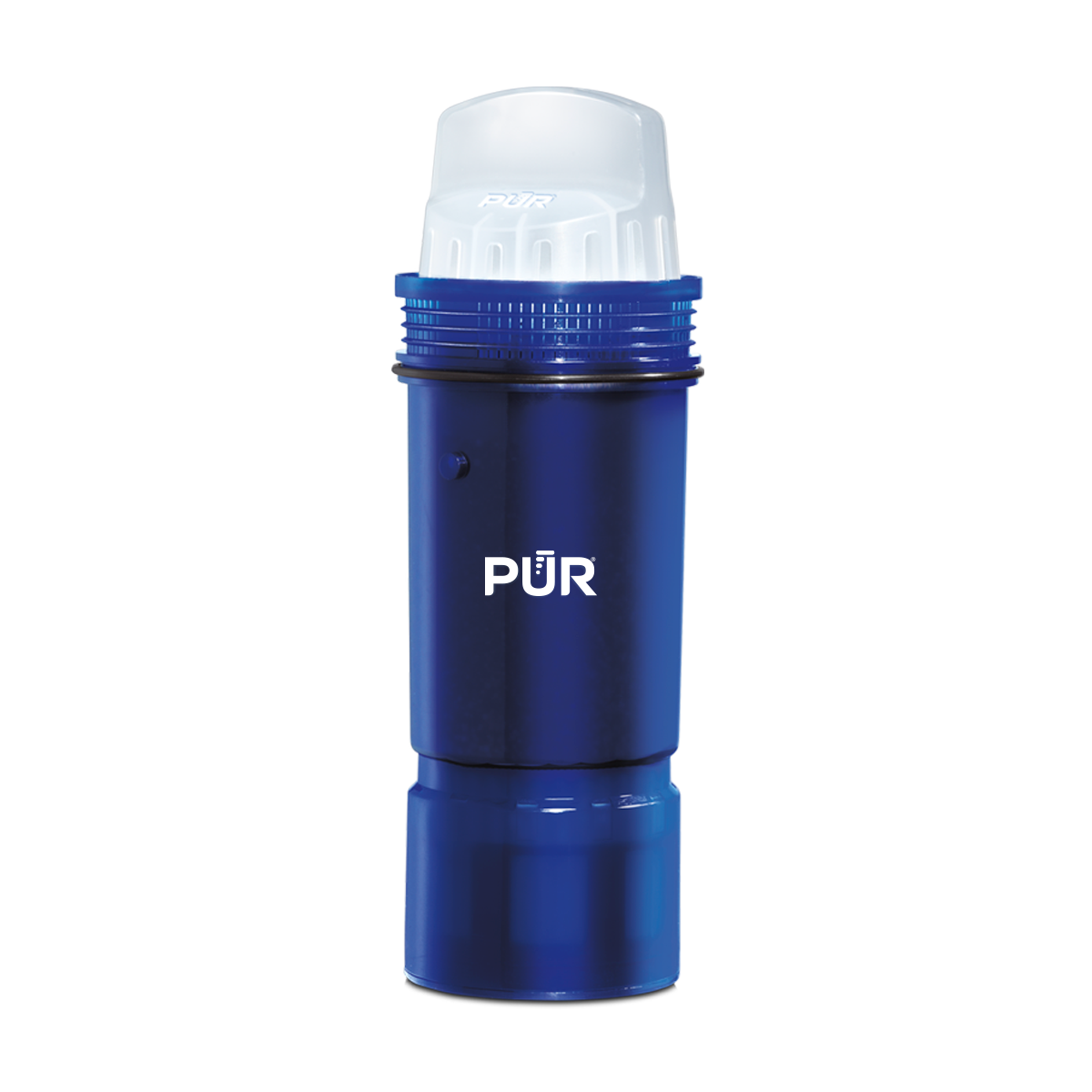
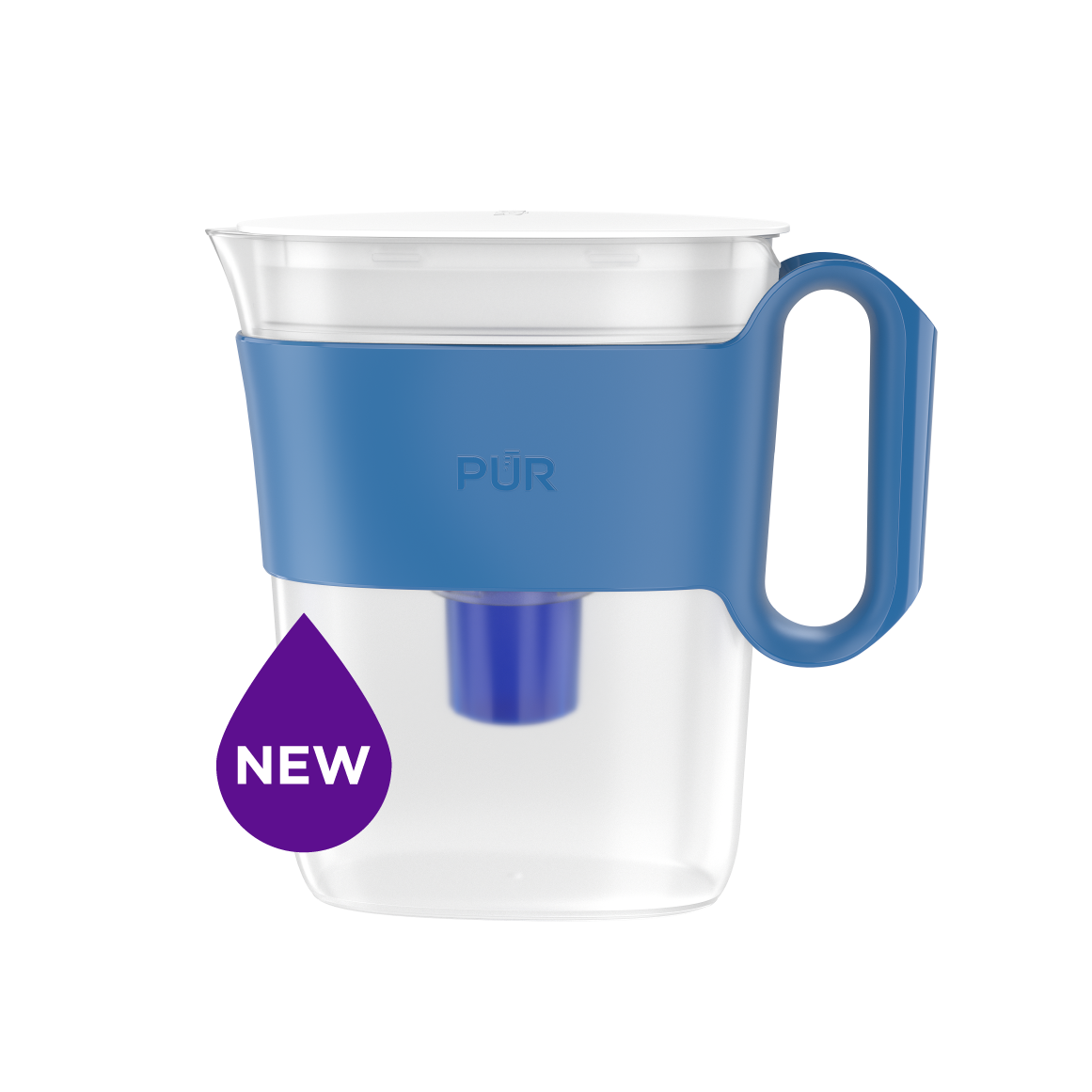
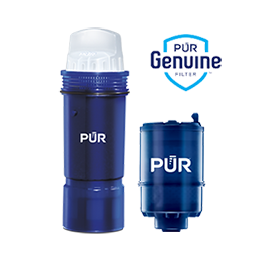
PUR PLUS PITCHER FILTERS
PPF951K

View Filter

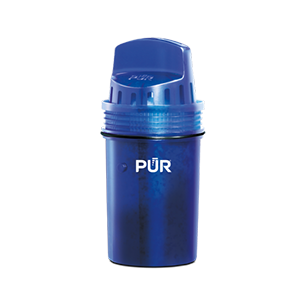
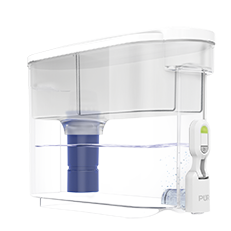
PUR BASIC PITCHER FILTERS
PPF900Z

View Filter


Vs. Brita*

Lead
Microplastics
Mercury
Chlorine Taste & Odor
DEET
TTHM

PUR’s Filtration Systems Are Certified By NSF And WQA For Their Contamination Reduction. WQA certifications as of 5/27/21 for Faucet filter models RF-3375 and RF-9999.

¹ Certified to reduce 10X more chemical and physical substances than Brita’s® leading pitcher filter.
² Certified to reduce 3X more chemical and physical substances than Brita’s® leading pitcher filter.
³ Certified to reduce 2X more chemical and physical substances than Brita’s® leading pitcher filter.
*Versus best-selling Brita® pitcher filter OB03. Brita® is a trademark of Brita LP.
**Like other leading brands, PUR does not filter microbes. As of 3/1/23 Brita® and ZeroWater® were not certified to filter microbes. Brita® is a trademark of Brita LP. ZeroWater® is a trademark of Zero Technologies, LLC..

 

PUR & PUR PLUS FAUCET FILTERS


PUR & PUR PLUS FAUCET FILTERS
RF3375/RF9999

View Filters


Vs. Brita*

Lead
Microplastics
Mercury
Chlorine Taste & Odor
DEET
TTHM

PUR’s Filtration Systems Are Certified By NSF And WQA For Their Contamination Reduction. WQA certifications as of 5/27/21 for Faucet filter models RF-3375 and RF-9999.

¹ Certified to reduce 10X more chemical and physical substances than Brita’s® leading pitcher filter.
² Certified to reduce 3X more chemical and physical substances than Brita’s® leading pitcher filter.
³ Certified to reduce 2X more chemical and physical substances than Brita’s® leading pitcher filter.
*Versus best-selling Brita® pitcher filter OB03. Brita® is a trademark of Brita LP.
**Like other leading brands, PUR does not filter microbes. As of 3/1/23 Brita® and ZeroWater® were not certified to filter microbes. Brita® is a trademark of Brita LP. ZeroWater® is a trademark of Zero Technologies, LLC..


PUR PLUS PITCHER FILTERS


PUR PLUS PITCHER FILTERS
PPF951K

View Filter


Vs. Brita*

Lead
Microplastics
Mercury
Chlorine Taste & Odor
DEET
TTHM

PUR’s Filtration Systems Are Certified By NSF And WQA For Their Contamination Reduction. WQA certifications as of 5/27/21 for Faucet filter models RF-3375 and RF-9999.

¹ Certified to reduce 10X more chemical and physical substances than Brita’s® leading pitcher filter.
² Certified to reduce 3X more chemical and physical substances than Brita’s® leading pitcher filter.
³ Certified to reduce 2X more chemical and physical substances than Brita’s® leading pitcher filter.
*Versus best-selling Brita® pitcher filter OB03. Brita® is a trademark of Brita LP.
**Like other leading brands, PUR does not filter microbes. As of 3/1/23 Brita® and ZeroWater® were not certified to filter microbes. Brita® is a trademark of Brita LP. ZeroWater® is a trademark of Zero Technologies, LLC..


PUR BASIC PITCHER FILTERS


PUR BASIC PITCHER FILTERS
PPF900Z

View Filter


Vs. Brita*

Lead
Microplastics
Mercury
Chlorine Taste & Odor
DEET
TTHM

PUR’s Filtration Systems Are Certified By NSF And WQA For Their Contamination Reduction. WQA certifications as of 5/27/21 for Faucet filter models RF-3375 and RF-9999.

¹ Certified to reduce 10X more chemical and physical substances than Brita’s® leading pitcher filter.
² Certified to reduce 3X more chemical and physical substances than Brita’s® leading pitcher filter.
³ Certified to reduce 2X more chemical and physical substances than Brita’s® leading pitcher filter.
*Versus best-selling Brita® pitcher filter OB03. Brita® is a trademark of Brita LP.
**Like other leading brands, PUR does not filter microbes. As of 3/1/23 Brita® and ZeroWater® were not certified to filter microbes. Brita® is a trademark of Brita LP. ZeroWater® is a trademark of Zero Technologies, LLC..


Top Tips for Choosing Decorative WPC Panels for Your Project?

Choosing the right decorative panels can be challenging. Experts in the industry suggest that "Panouri Decorative Wpc" offers unique advantages in both aesthetics and durability. John Smith, a specialist in sustainable construction, stated, "Selecting the right materials is crucial for any successful project."

Understanding the options available in the "Panouri Decorative Wpc" category is essential. Many homeowners overlook the importance of texture and color in their designs. The right panel can elevate a space, enhancing its overall appeal. Yet, making the wrong choice can lead to dissatisfaction and costly revisions.

Exploring various styles is important. Each option brings its own character. Ensure that the panels not only match your design vision but also perform well under different conditions. Reflect on how these choices impact your project’s longevity and value. Keep in mind that durability often goes hand in hand with aesthetic appeal — a critical consideration.

Top Tips for Choosing Decorative WPC Panels for Your Project?

Understanding WPC Panels: What Are They and Their Benefits

Wpc Panels, or Wood Plastic Composite panels, are an innovative material gaining popularity in construction and design. These panels combine wood fibers and plastic to create a durable and versatile product. Unlike traditional wood, WPC panels resist moisture, rot, and pests. This makes them an ideal choice for both indoor and outdoor applications.

The benefits of WPC panels extend beyond durability. They are lightweight, making installation easier and quicker. Available in various colors and textures, these panels can enhance the aesthetic of any project. However, it's essential to note that not all WPC panels are created equal. Some may lack the necessary strength or fade over time. Research and choose panels with proven performance to avoid setbacks during your project.

Another important aspect is the environmental impact. WPC panels use recycled materials, which reduces waste. However, some manufacturing processes still pose concerns. Always seek information on the sustainability practices of manufacturers. Balancing aesthetics, durability, and environmental responsibility will lead to a successful project.

Key Factors to Consider When Selecting Decorative WPC Panels

When selecting decorative WPC (Wood Plastic Composite) panels for your project, several key factors must be considered. According to industry reports, the WPC market is projected to reach $9.4 billion by 2027, driven by its eco-friendly properties and durability. First, consider the material composition. Panels with a higher wood content often provide better aesthetics. However, they may also absorb more moisture, which can lead to warping. The ideal balance of wood and plastic can enhance longevity and performance.

Aesthetic appeal is significant for decorative panels. Look for surfaces that mimic natural wood grains. Some reports indicate that nearly 70% of homeowners prefer wood-like finishes for outdoor spaces. Additionally, examine the color and texture options, as these affect the final look. Durability is another vital factor. WPC panels are designed to resist fading and staining. Yet, not all products perform equally under UV exposure. Research indicates that choosing panels with a high UV resistance can extend their lifespan.

Tip: Always check for warranty details. A longer warranty often signifies higher quality. Ensure that the panels meet industry standards for safety and environmental impact. Engaging with distributors who provide transparent product testing information can guide your choice. Prioritizing these factors helps you choose the right panels for your project.

Top Tips for Choosing Decorative WPC Panels

This chart illustrates the importance rating of various factors to consider when choosing decorative WPC panels. A high score indicates a more critical factor in the selection process.

Different Styles and Textures of WPC Panels for Aesthetic Appeal

When selecting WPC panels, style and texture play crucial roles in enhancing a project's visual appeal. Various textures, such as wood grain, stone finish, or smooth surfaces, can dramatically influence the overall atmosphere of your space. For a natural look, choose wood-grain patterns. They provide an authentic appearance while ensuring durability. On the other hand, sleek, smooth finishes can lend a modern and sophisticated touch to both indoor and outdoor settings.

In addition to texture, the color palette of WPC panels can create distinct vibes. Lighter hues can make a space feel airier and larger. Darker tones can add warmth and intimacy. Consider using contrasting colors for boundaries or highlights within a design. However, mixing styles can sometimes lead to unexpected outcomes. It’s essential to reflect on how different elements coexist in your space.

Don’t forget about customization. Many WPC panels allow you to define specific dimensions. This flexibility can accommodate any architectural uniqueness. Experimenting with various styles can be rewarding but also challenging. It’s important to visualize how these choices can harmonize or clash. Each decision should enhance rather than detract from your overall design vision.

Durability and Maintenance: Evaluating WPC Panel Longevity

When considering decorative WPC panels, durability is paramount. WPC, or Wood Plastic Composite, is known for its resilience against harsh weather and pests. According to data from the American Society for Testing and Materials (ASTM), WPC panels can last over 25 years if maintained properly. This longevity makes them a cost-effective choice for both outdoor and indoor projects.

Maintenance requirements can significantly impact the lifespan of your panels. Regular cleaning with mild soap and water is essential to prevent mold and mildew build-up. According to the Recycled Materials Resource Center, panels that are cleaned routinely display better aesthetic qualities and longevity. Avoiding high-pressure washing is crucial, as it can damage the surface.

Consider your project's specific environmental conditions. High humidity or extreme temperatures can affect WPC performance. For instance, in very humid areas, the risk of moisture-related issues increases. Choosing high-quality composite can mitigate such risks. Look for panels with enhanced UV protection for better color retention. While WPC is often praised for its durability, some users have reported fading or warping over time. This necessitates careful selection and ongoing evaluation. Always check for warranties that cover these potential issues.

Top Tips for Choosing Decorative WPC Panels for Your Project

Feature Description Longevity Maintenance
Material Composition Combination of wood and plastic provides durability 15-25 years depending on usage Low maintenance, occasional cleaning required
Weather Resistance Resistant to moisture, rot, and pests Excellent resistance extends lifespan No special treatment needed for weather protection
Color Retention UV-stabilized colors maintain visual appeal Colors might fade slightly after 10 years Repainting or staining is seldom required
Aesthetic Versatility Available in various styles and finishes Consistent appearance over time Easy to clean with soap and water
Installation Ease Lightweight and easy to handle Quick installation reduces labor costs Minimal tools required for setup

Cost-effectiveness: Budgeting for Your Decorative WPC Panel Project

Cost-effectiveness is crucial when choosing decorative WPC panels. According to industry reports, WPC panels can reduce material costs by up to 30% compared to traditional options. These panels offer longevity and lower maintenance. Investing in quality WPC can lead to savings over time.

When budgeting, consider the initial costs and long-term value. While some cheaper options may appeal to your budget, they often lead to higher replacement costs. A study from the Composite Panel Association indicates that high-quality WPC panels last significantly longer, which offsets their higher upfront price. This could be a smart choice for any project.

Additionally, ensure you factor in installation costs. Some panels are easier to install than others, which can save labor expenses. Always request multiple quotes and compare them carefully. Not all panels within the same price range offer the same performance. Ultimately, understanding the full financial picture is key to making a wise investment in decorative WPC panels.