
Contaminant Comparison Chart

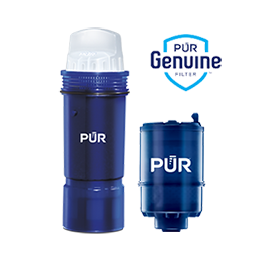
For a complete list of contaminants that PUR filters reduce, please view our Performance Data Sheets here.


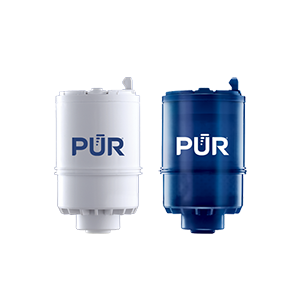
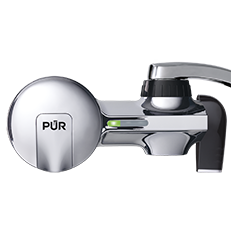
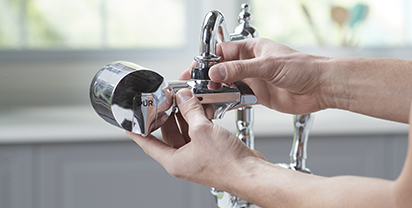
PUR & PUR PLUS FAUCET FILTERS
RF3375/RF9999

View Filters

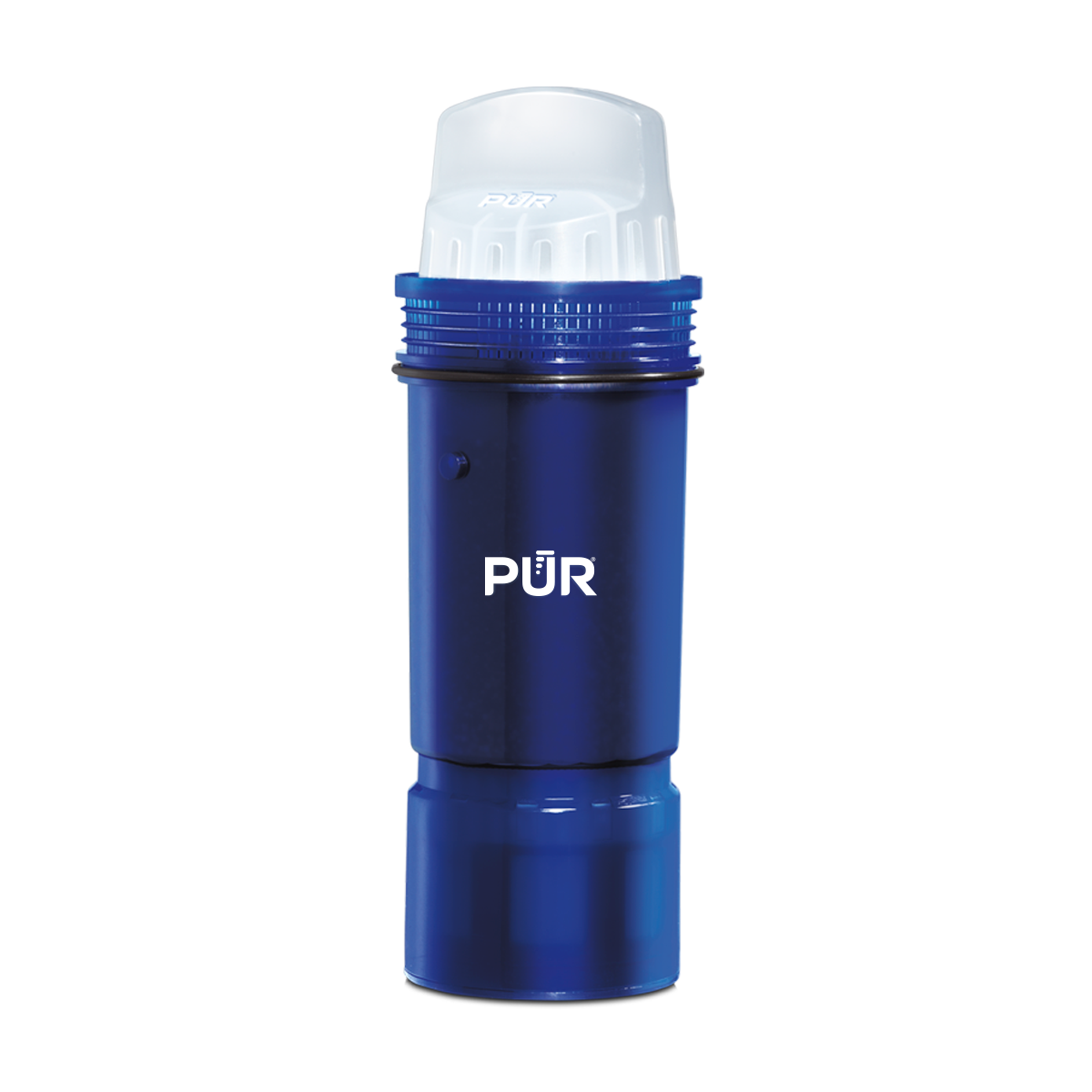
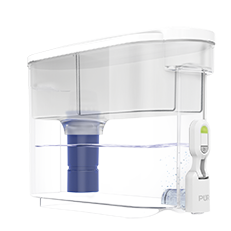
PUR PLUS PITCHER FILTERS
PPF951K

View Filter

PUR BASIC PITCHER FILTERS
PPF900Z

View Filter


Vs. Brita*

Lead ✓ ✓
Microplastics ✓ ✓
Mercury ✓ ✓ ✓
Chlorine Taste & Odor ✓ ✓ ✓
DEET ✓
TTHM ✓

PUR’s Filtration Systems Are Certified By NSF And WQA For Their Contamination Reduction. WQA certifications as of 5/27/21 for Faucet filter models RF-3375 and RF-9999.

¹ Certified to reduce 10X more chemical and physical substances than Brita’s® leading pitcher filter.
² Certified to reduce 3X more chemical and physical substances than Brita’s® leading pitcher filter.
³ Certified to reduce 2X more chemical and physical substances than Brita’s® leading pitcher filter.
*Versus best-selling Brita® pitcher filter OB03. Brita® is a trademark of Brita LP.
**Like other leading brands, PUR does not filter microbes. As of 3/1/23 Brita® and ZeroWater® were not certified to filter microbes. Brita® is a trademark of Brita LP. ZeroWater® is a trademark of Zero Technologies, LLC..
 

PUR & PUR PLUS FAUCET FILTERS


PUR & PUR PLUS FAUCET FILTERS
RF3375/RF9999

View Filters


Vs. Brita*

Lead ✓
Microplastics ✓
Mercury ✓
Chlorine Taste & Odor ✓
DEET ✓
TTHM ✓

PUR’s Filtration Systems Are Certified By NSF And WQA For Their Contamination Reduction. WQA certifications as of 5/27/21 for Faucet filter models RF-3375 and RF-9999.

¹ Certified to reduce 10X more chemical and physical substances than Brita’s® leading pitcher filter.
² Certified to reduce 3X more chemical and physical substances than Brita’s® leading pitcher filter.
³ Certified to reduce 2X more chemical and physical substances than Brita’s® leading pitcher filter.
*Versus best-selling Brita® pitcher filter OB03. Brita® is a trademark of Brita LP.
**Like other leading brands, PUR does not filter microbes. As of 3/1/23 Brita® and ZeroWater® were not certified to filter microbes. Brita® is a trademark of Brita LP. ZeroWater® is a trademark of Zero Technologies, LLC..


PUR PLUS PITCHER FILTERS


PUR PLUS PITCHER FILTERS
PPF951K

View Filter


Vs. Brita*

Lead ✓
Microplastics ✓
Mercury ✓
Chlorine Taste & Odor ✓
DEET
TTHM

PUR’s Filtration Systems Are Certified By NSF And WQA For Their Contamination Reduction. WQA certifications as of 5/27/21 for Faucet filter models RF-3375 and RF-9999.

¹ Certified to reduce 10X more chemical and physical substances than Brita’s® leading pitcher filter.
² Certified to reduce 3X more chemical and physical substances than Brita’s® leading pitcher filter.
³ Certified to reduce 2X more chemical and physical substances than Brita’s® leading pitcher filter.
*Versus best-selling Brita® pitcher filter OB03. Brita® is a trademark of Brita LP.
**Like other leading brands, PUR does not filter microbes. As of 3/1/23 Brita® and ZeroWater® were not certified to filter microbes. Brita® is a trademark of Brita LP. ZeroWater® is a trademark of Zero Technologies, LLC..


PUR BASIC PITCHER FILTERS


PUR BASIC PITCHER FILTERS
PPF900Z

View Filter


Vs. Brita*

Lead
Microplastics
Mercury ✓
Chlorine Taste & Odor ✓
DEET
TTHM

PUR’s Filtration Systems Are Certified By NSF And WQA For Their Contamination Reduction. WQA certifications as of 5/27/21 for Faucet filter models RF-3375 and RF-9999.

¹ Certified to reduce 10X more chemical and physical substances than Brita’s® leading pitcher filter.
² Certified to reduce 3X more chemical and physical substances than Brita’s® leading pitcher filter.
³ Certified to reduce 2X more chemical and physical substances than Brita’s® leading pitcher filter.
*Versus best-selling Brita® pitcher filter OB03. Brita® is a trademark of Brita LP.
**Like other leading brands, PUR does not filter microbes. As of 3/1/23 Brita® and ZeroWater® were not certified to filter microbes. Brita® is a trademark of Brita LP. ZeroWater® is a trademark of Zero Technologies, LLC..


7 Tips for Choosing the Right Drain Trim Set

Choosing the right Drain Trim Set is a small decision with a visible, lasting effect. It influences water flow, cleaning, sealing, and the overall appearance of a bathroom or kitchen. A polished chrome set may look attractive under showroom lights, yet brushed stainless steel can hide fingerprints better in a busy family bathroom. The wrong finish can age quickly. The wrong size can create leaks.

Richard Trethewey, a respected plumbing and heating expert known for practical installation advice, has said, “The best plumbing is the plumbing you never have to think about.” That idea fits every Drain Trim Set choice. Reliable hardware should work quietly, align correctly, and remain accessible for maintenance. Check the drain diameter, overflow configuration, material, gasket quality, and compatibility with your existing basin or tub. A product description alone is not enough. Measure the opening. Inspect the threads. Read the installation instructions before purchasing.

These seven tips focus on details that are easy to overlook. They consider finish durability, corrosion resistance, fitting accuracy, cleaning demands, and long-term value. They also recognize a common mistake: choosing appearance first and function later. That approach may work sometimes. It often creates unnecessary rework.

A careful selection saves time. It can also prevent water damage, staining, and frustrating call-backs. Still, no guide replaces professional judgment. Older plumbing systems may contain unusual fittings or hidden damage. Pause before ordering. A few minutes with a tape measure and a qualified plumber can protect the entire installation.

7 Tips for Choosing the Right Drain Trim Set

Identify the Drain Type and Required Trim Set Components

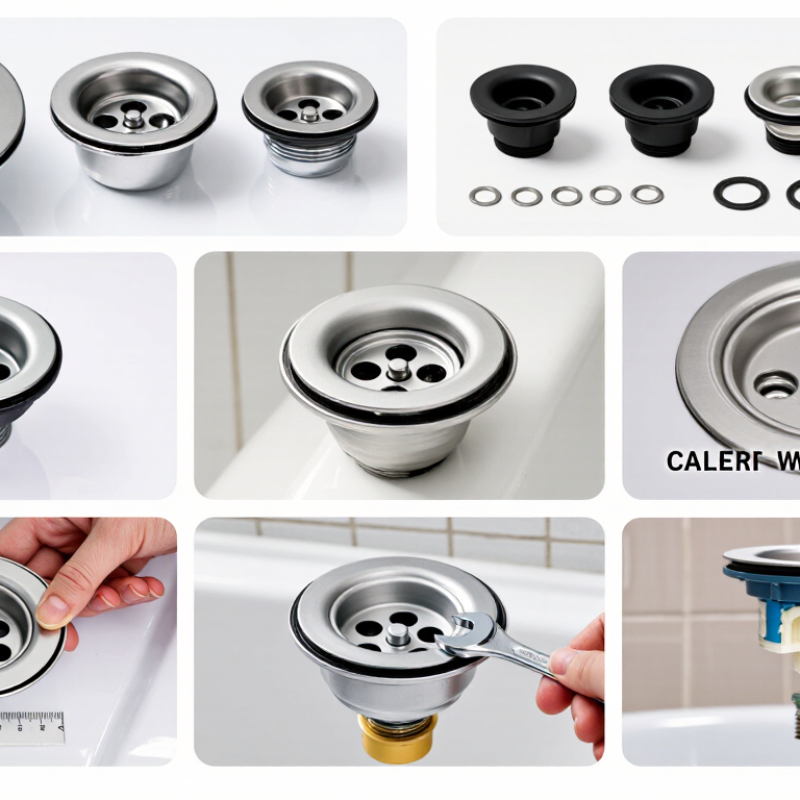
Tip 1: Identify the drain type before measuring anything. A lavatory drain usually needs a pop-up stopper, flange, gasket, and tailpiece. A shower drain typically uses a fixed grate, compression seal, and adjustable strainer. A bathtub drain may require a stopper, overflow plate, linkage, and overflow gasket.

Measure the opening, not the old trim alone. Common residential drains vary by diameter, thread pattern, overflow design, and connection depth. A drain with an overflow needs different components from a non-overflow basin. This small distinction causes many costly returns. I have seen careful installers overlook the overflow channel because the visible flange looked identical.

Tip 2: Match the operating mechanism to the plumbing body. Lift-and-turn, toe-touch, trip-lever, and pop-up assemblies are not automatically interchangeable. Check the drain body, stopper clearance, and tailpiece length. Leave room for the trap connection beneath the fixture. The National Kitchen & Bath Association’s 2024 Design Trends Report identifies upgraded shower features as a continuing renovation priority, making correct drainage selection increasingly important.

Tip 3: Inspect seals and alignment, not only appearance. The U.S. Environmental Protection Agency’s WaterSense program reports that household leaks can waste nearly 10,000 gallons annually. A poorly seated gasket can create that problem quietly. Use the specified washer position, hand-tighten carefully, and test with a full basin. My own weak point is rushing the final leak check; ten minutes of testing is cheaper than repairing a damp cabinet.

7 Tips for Choosing the Right Drain Trim Set

Identify the Drain Type and Required Trim Set Components

How to read the chart: The values represent the typical number of primary trim components to verify before purchase. Fasteners, washers, and sealants are excluded because their inclusion varies by installation method and local plumbing requirements.

  • Lavatory pop-up drain: flange, stopper, lift rod, and tailpiece.
  • Shower drain: grate, drain body, and clamping or waterproofing ring.
  • Tub waste and overflow: drain shoe, stopper, waste tee, overflow plate, and overflow tube.
  • Kitchen basket strainer: flange, strainer basket, locknut, and gasket.
  • Floor drain: grate, drain body, and clamping ring.

Match the Trim Set to Your Sink or Bathtub Configuration

7 Tips for Choosing the Right Drain Trim Set

Match the drain trim set to your fixture configuration, not only its finish. For a bathroom sink, confirm whether the basin has an overflow opening. A sink with overflow needs a compatible pop-up drain body. A vessel sink often requires a grid drain instead. Measure the drain opening and tailpiece before ordering. Small differences can prevent a proper seal.

Bathtubs need closer attention. Check whether the tub uses a waste-and-overflow assembly, a toe-touch stopper, or a lever-operated mechanism. The overflow cover must align with the existing screw pattern and gasket depth. A beautiful trim set is useless if the linkage cannot reach the stopper. I have seen installations fail because the visible cover fit, but the internal rod did not.

Water efficiency still matters around every drain. The U.S. EPA WaterSense program reports that bathroom faucets account for more than 15% of indoor household water use. A correctly matched drain supports leak prevention and reduces repeated repairs. Houzz’s 2024 U.S. Bathroom Trends Study also documents continued homeowner investment in bathroom fixture updates, making compatibility checks increasingly practical. Choose corrosion-resistant materials for wet areas, then compare the trim diameter with the old footprint. Do not trust photographs alone. Recheck thread size, overflow capacity, and gasket placement. My own measurements are not always perfect, especially under a crowded vanity. That is why a dry fit and a slow leak test remain worthwhile.

Choose Durable Materials and Finishes for Long-Term Use

Tip 1: Start with the drain trim set’s material, not its appearance. Stainless steel, solid brass, and well-finished metal usually resist moisture better than thin plated materials. In a busy bathroom, I have seen cheap coatings dull around the overflow opening within months. Water marks tell the truth.

Tip 2: Match the finish to your cleaning habits. Brushed surfaces hide fingerprints and light scratches, while polished finishes reflect more light but show residue quickly. Avoid harsh cleaners unless the manufacturer permits them. I once used an unsuitable cleaner and weakened a protective coating. That mistake was avoidable.

Tip 3: Inspect the hidden details before buying. Check the thickness of the flange, the quality of the drain gasket, and the smoothness of the threads. A durable finish cannot rescue a poor seal. The parts should fit firmly without forcing them. Look underneath, too.

Finish consistency matters around the drain, overflow, and handle. Slight color differences can become obvious under bright bathroom lighting. Choose materials designed for wet environments and regular temperature changes. Ask about corrosion resistance, cleaning instructions, and replacement parts. Do not rely on appearance alone. A beautiful surface may still be fragile.

Check Compatibility, Dimensions, and Installation Requirements

7 Tips for Choosing the Right Drain Trim Set

A drain trim set must match the existing waste assembly, not just the visible opening. Check the drain type, thread pattern, stopper mechanism, and overflow configuration before ordering. Tub drains, shower drains, and basin drains often use different connection systems. A nearly matching part can still leak. That mistake is costly.

Measure the drain opening, flange diameter, thread depth, and surrounding surface thickness. Record measurements in millimeters. Tile, stone, and acrylic surfaces may require different flange depths. Also check whether the replacement includes a gasket, washer, or adjustable linkage.

The U.S. Environmental Protection Agency’s 2023 WaterSense Annual Accomplishments Report estimates that labeled products have helped save more than 7.5 trillion gallons of water since the program began. Drain trim does not create those savings directly, but accurate fixture installation helps prevent waste from leaks.

Installation requirements deserve equal attention. Confirm whether the set needs plumber’s putty, a compatible sealant, special tools, or access below the fixture. Read the technical sheet, then compare its instructions with the existing plumbing.

A concealed connection may require removing a panel or cutting access. That detail is easy to miss. The 2024 International Plumbing Code stresses accessible cleanouts and properly sealed drainage connections, supporting careful planning before installation.

I once underestimated clearance around a stopper linkage; the trim looked correct but operated poorly. Recheck the movement before sealing everything permanently.

Compare Style, Maintenance Needs, and Overall Value

Tip 1: Match the finish with nearby fixtures, but check it under natural light. Brushed surfaces often hide water spots better than mirror-polished finishes.

Tip 2: Measure the drain opening and pipe connection carefully. A beautiful set is useless when it needs forced fitting.

Tip 3: Favor solid, corrosion-resistant materials and clearly stated plating specifications. Thin coatings can look impressive at first, then fail around standing water. Small details matter.

Tip 4: Think about cleaning before buying. Removable covers, wide slots, and smooth interiors reduce hair buildup and simplify weekly maintenance.

Tip 5: Check the seal design and replacement-part availability. The U.S. Environmental Protection Agency reports that household leaks waste nearly one trillion gallons of water annually, so a poor seal deserves attention. The drain trim does not cause every leak, but careless installation can create one.

Tip 6: Compare the complete cost, including labor, adapters, cleaning products, and future parts. The 2024 Cost vs. Value Report by Zonda shows bathroom remodeling value varies widely by project scope, reminding buyers that expensive finishes do not guarantee equal returns.

Tip 7: Choose a style that will survive changing tastes. Matte black may feel current, while chrome often remains easier to coordinate and replace. I once prioritized appearance over access, and maintenance became frustrating. That mistake was avoidable. WaterSense specifications also show that efficient bathroom fixtures can reduce flow by at least 30 percent compared with standard models, although drain trim itself does not save water. Judge the full bathroom system, not one shiny component.