Contaminant Comparison Chart

For a complete list of contaminants that PUR filters reduce, please view our Performance Data Sheets here.


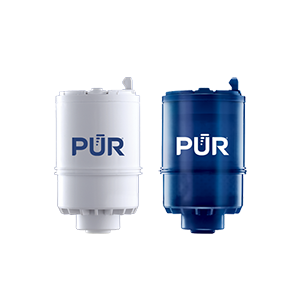
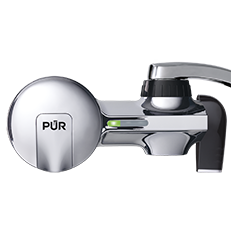
PUR & PUR PLUS FAUCET FILTERS
RF3375/RF9999

View Filters

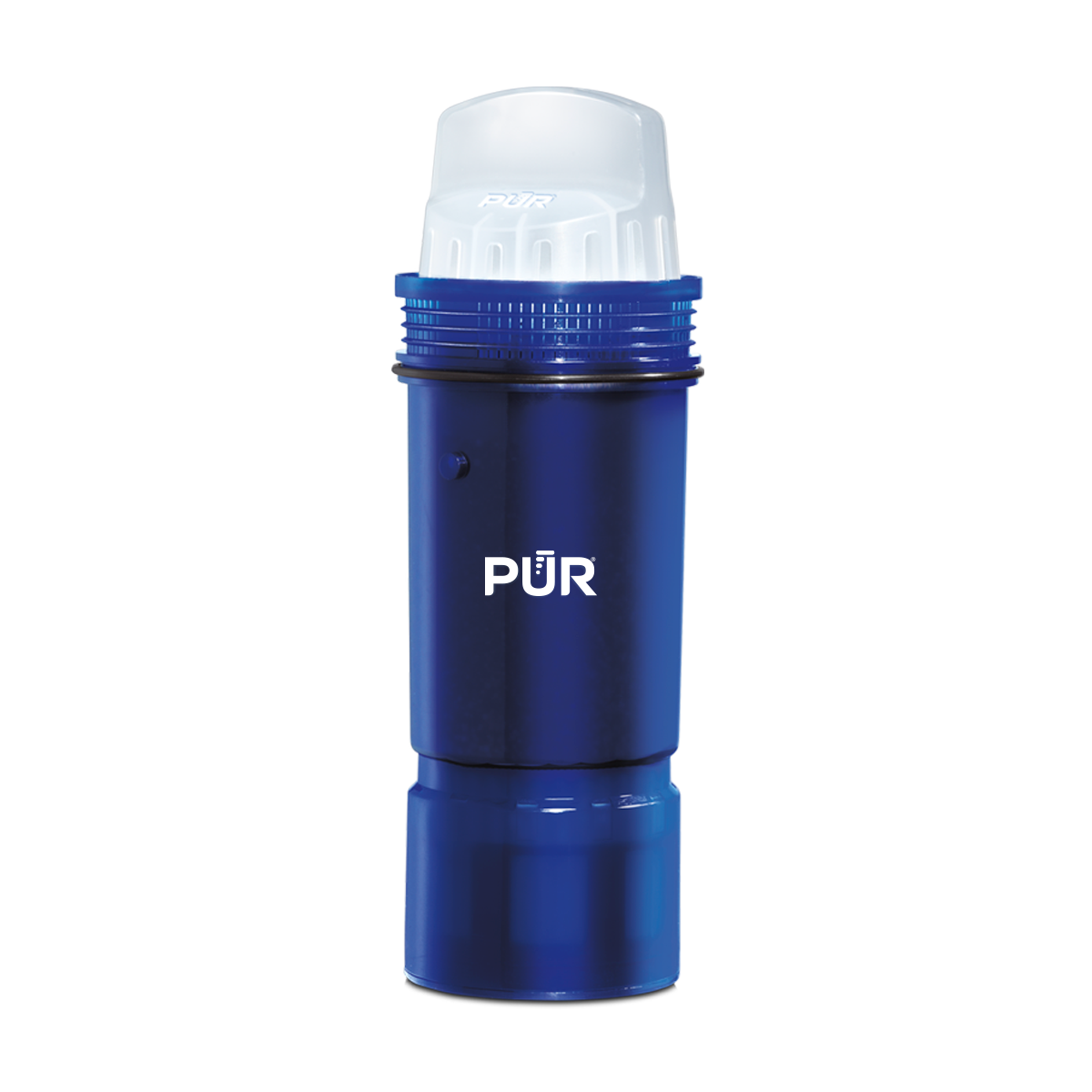
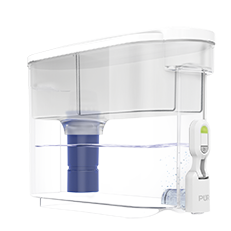
PUR PLUS PITCHER FILTERS
PPF951K

View Filter

PUR BASIC PITCHER FILTERS
PPF900Z

View Filter


Vs. Brita*

Lead ✓ ✓
Microplastics ✓ ✓
Mercury ✓ ✓ ✓
Chlorine Taste & Odor ✓ ✓ ✓
DEET ✓
TTHM ✓

PUR’s Filtration Systems Are Certified By NSF And WQA For Their Contamination Reduction. WQA certifications as of 5/27/21 for Faucet filter models RF-3375 and RF-9999.

¹ Certified to reduce 10X more chemical and physical substances than Brita’s® leading pitcher filter.
² Certified to reduce 3X more chemical and physical substances than Brita’s® leading pitcher filter.
³ Certified to reduce 2X more chemical and physical substances than Brita’s® leading pitcher filter.
*Versus best-selling Brita® pitcher filter OB03. Brita® is a trademark of Brita LP.
**Like other leading brands, PUR does not filter microbes. As of 3/1/23 Brita® and ZeroWater® were not certified to filter microbes. Brita® is a trademark of Brita LP. ZeroWater® is a trademark of Zero Technologies, LLC..
 

PUR & PUR PLUS FAUCET FILTERS


PUR & PUR PLUS FAUCET FILTERS
RF3375/RF9999

View Filters


Vs. Brita*

Lead ✓
Microplastics ✓
Mercury ✓
Chlorine Taste & Odor ✓
DEET ✓
TTHM ✓

PUR’s Filtration Systems Are Certified By NSF And WQA For Their Contamination Reduction. WQA certifications as of 5/27/21 for Faucet filter models RF-3375 and RF-9999.

¹ Certified to reduce 10X more chemical and physical substances than Brita’s® leading pitcher filter.
² Certified to reduce 3X more chemical and physical substances than Brita’s® leading pitcher filter.
³ Certified to reduce 2X more chemical and physical substances than Brita’s® leading pitcher filter.
*Versus best-selling Brita® pitcher filter OB03. Brita® is a trademark of Brita LP.
**Like other leading brands, PUR does not filter microbes. As of 3/1/23 Brita® and ZeroWater® were not certified to filter microbes. Brita® is a trademark of Brita LP. ZeroWater® is a trademark of Zero Technologies, LLC..


PUR PLUS PITCHER FILTERS


PUR PLUS PITCHER FILTERS
PPF951K

View Filter


Vs. Brita*

Lead ✓
Microplastics ✓
Mercury ✓
Chlorine Taste & Odor ✓
DEET
TTHM

PUR’s Filtration Systems Are Certified By NSF And WQA For Their Contamination Reduction. WQA certifications as of 5/27/21 for Faucet filter models RF-3375 and RF-9999.

¹ Certified to reduce 10X more chemical and physical substances than Brita’s® leading pitcher filter.
² Certified to reduce 3X more chemical and physical substances than Brita’s® leading pitcher filter.
³ Certified to reduce 2X more chemical and physical substances than Brita’s® leading pitcher filter.
*Versus best-selling Brita® pitcher filter OB03. Brita® is a trademark of Brita LP.
**Like other leading brands, PUR does not filter microbes. As of 3/1/23 Brita® and ZeroWater® were not certified to filter microbes. Brita® is a trademark of Brita LP. ZeroWater® is a trademark of Zero Technologies, LLC..


PUR BASIC PITCHER FILTERS


PUR BASIC PITCHER FILTERS
PPF900Z

View Filter


Vs. Brita*

Lead
Microplastics
Mercury ✓
Chlorine Taste & Odor ✓
DEET
TTHM

PUR’s Filtration Systems Are Certified By NSF And WQA For Their Contamination Reduction. WQA certifications as of 5/27/21 for Faucet filter models RF-3375 and RF-9999.

¹ Certified to reduce 10X more chemical and physical substances than Brita’s® leading pitcher filter.
² Certified to reduce 3X more chemical and physical substances than Brita’s® leading pitcher filter.
³ Certified to reduce 2X more chemical and physical substances than Brita’s® leading pitcher filter.
*Versus best-selling Brita® pitcher filter OB03. Brita® is a trademark of Brita LP.
**Like other leading brands, PUR does not filter microbes. As of 3/1/23 Brita® and ZeroWater® were not certified to filter microbes. Brita® is a trademark of Brita LP. ZeroWater® is a trademark of Zero Technologies, LLC..


What Are the Top Charcuterie Board Sets in 2026?

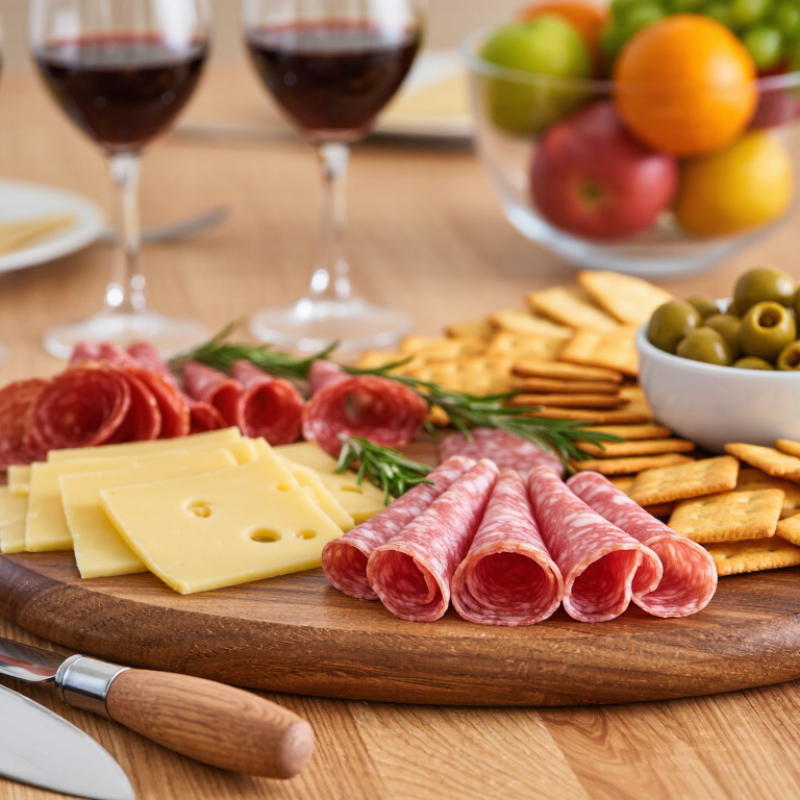
The best Charcuterie Board Set in 2026 should make serving feel easy, not turn preparation into a project. A board must offer enough room for sliced cheese, folded salami, crisp crackers, and a small bowl of olives. The tools should feel comfortable in hand. Materials matter, too: look for a stable surface, smooth edges, and care instructions you can realistically follow. A beautiful set that is awkward to wash may spend more time in a cupboard than on the table.

Julia Child, the celebrated chef and culinary teacher, said, “You don’t have to cook fancy or complicated masterpieces—just good food from fresh ingredients.” Her words were not about board sets, but the same practical spirit applies. Choose a set that supports good food and relaxed sharing, rather than one that merely looks impressive in a product photo. Small details count. Does the lid fit? Are the serving pieces useful, or just extra clutter? Does the board have enough space for guests to reach the food without crowding?

This guide compares leading options by design, material, included accessories, ease of care, and value. It also considers different needs, from compact sets for weeknight snacks to larger boards for gatherings. No single set suits everyone. Some trade generous space for easier storage; others look polished but need more careful maintenance. That deserves a second look. The picks ahead aim to make those trade-offs clear, so readers can choose with confidence and serve without fuss.

What Are the Top Charcuterie Board Sets in 2026?

Define Charcuterie Board Sets by Materials, Components, and Intended Use

Charcuterie board sets are best defined by material, components, and intended use—not appearance alone. Solid hardwood offers a warm surface for crackers, sliced fruit, and firm cheeses, but needs careful hand-washing and drying. Slate gives a cool, dark backdrop and often includes removable labels; its weight can make serving less convenient. Bamboo is lightweight and practical, though thin boards may show knife marks sooner. Check whether the surface is food-safe and whether care instructions suit your routine.

Components shape how a set works. A basic set may include one board and a small knife; larger sets can add cheese tools, ceramic bowls, and a carrying case. Grand View Research valued the global cheese market at about US$187.9 billion in 2023. That figure does not measure board-set sales, but it reflects the broad food category these sets often serve. For home gatherings, choose a stable board with room for separate bowls. For picnics, prioritize a secure lid and easy-to-carry weight.

Tips: Match the board to your menu and storage space. A 30-centimeter board may suit two people, but crowded portions are easy to underestimate. I have found that “more pieces” can mean more washing, not better hosting. Check dimensions before buying, and leave space for serving hands.

Compare 2026 Top Sets by Size, Accessories, Durability, and Price

What Are the Top Charcuterie Board Sets in 2026?
Compare 2026 Top Sets by Size, Accessories, Durability, and Price

The best charcuterie board set in 2026 depends less on appearance than on how you serve. For two people, a board around 12 to 15 inches is easier to store and carry. Small sets travel well. For gatherings, a wider surface gives cheese, fruit, and crackers room without crowding. But oversized boards can feel cumbersome, especially when a full spread needs moving from kitchen to table.

Look beyond the accessory count. A set with a few knives, removable dishes, and a stable board can suit most home meals. Extra forks and bowls help with olives or honey, yet unused pieces add clutter. Check the material, finish, joints, and edges. Some boards need hand-washing. A low price is appealing, but thin construction or loose fittings may shorten a set’s useful life. A high price alone proves little.

Tips: Measure your storage space and table before buying. Compare what each set includes, then decide which pieces you will actually use. If durability matters most, read care instructions carefully; even a sturdy board can warp when soaked or left wet.

What Are the Top Charcuterie Board Sets in 2026? — Compare 2026 Top Sets by Size, Accessories, Durability, and Price

A brand-neutral comparison of common set types. Prices are approximate U.S. retail ranges and vary by size, material, and included accessories.

Set type Typical board size Common accessories Durability and care Typical price (USD) Best suited for
Compact bamboo starter set About 10–13 × 7–9 in Usually 2–3 cheese knives; sometimes a small serving fork Lightweight and reasonably resistant to everyday wear. Hand-wash and dry promptly; prolonged soaking and dishwashers can cause warping or cracking. $20–$40 Small gatherings, apartments, and first-time hosts
Acacia wood serving set About 14–18 × 9–12 in Typically 3–4 cheese tools; some sets include small bowls or a storage drawer A dense hardwood option suited to regular serving. Hand-wash, dry after cleaning, and periodically condition with food-safe mineral oil if the wood looks dry. $30–$70 Everyday hosting and a balance of appearance and utility
Slate board and tool set About 12–16 × 8–11 in Often 2–4 cheese tools; some include chalk for labeling Nonporous and easy to wipe clean, but slate can chip or break if dropped or struck. Hand-wash gently and avoid abrasive cleaners. $25–$60 Cheese presentation and labeling varieties for guests
Marble-and-wood combination set About 12–16 × 8–11 in Commonly 2–4 cheese tools; may include a wood handle or serving base The cool stone surface can help keep cheese cool briefly, but marble is heavy and may stain or etch. Clean by hand; avoid acidic cleaners and sudden temperature changes. $35–$90 A polished table presentation and serving smaller selections
Large entertaining set with bowls About 18–24 × 12–16 in Often 3–5 cheese tools plus 2–4 small bowls or ramekins Capacity depends on the board material. Larger boards need more storage space; wooden versions require hand-washing, while ceramic or glass bowls may have separate care instructions. $50–$120 Groups, parties, and spreads with dips, olives, or nuts

Buying note: Check the listed board dimensions, included tool count, and care instructions before purchasing. “Dishwasher-safe” generally applies to some utensils or bowls, not necessarily to the board itself.

Assess Food-Contact Surfaces Using FDA Food Code Cleanability Criteria

What Are the Top Charcuterie Board Sets in 2026?

A polished appearance matters, but cleanability deserves equal attention. The FDA Food Code offers useful criteria for assessing food-contact surfaces in food establishments; it is not a product ranking or a blanket certification for household boards. Look for surfaces that are smooth, durable, nonabsorbent, corrosion-resistant where relevant, and easy to clean. A glossy finish alone proves little. Check the seams around handles, juice grooves, and removable trays. Crumbs and oily residue can collect in narrow joints. Wood may need different care from glass or stainless steel, so follow the maker’s washing instructions and check for deep cuts or peeling finishes.

Tips: Run a clean cloth over the board’s surface and edges. Inspect joints for trapped debris. Choose pieces you can wash and dry thoroughly.

A set is easier to maintain when its parts separate without tools and its serving surface has few hard-to-reach corners. After washing, let components dry fully before storing them; damp stacking can leave odors or encourage surface damage. Small scratches are easy to overlook. Replace or retire a board when damage prevents reliable cleaning. That judgment takes attention, not just a quick glance at product photos.

Rank Set Value by Construction, Included Tools, and Care Requirements

For 2026, compare charcuterie sets by useful life, not piece count. A thick board with a stable base is less likely to slide when slicing firm cheese. Check for smooth edges, tight handles, and tool joints without visible gaps. The 2022 FDA Food Code identifies hard maple or equivalent close-grained wood as suitable for certain cutting boards.

Looks sturdy. Sometimes isn’t.

Included tools add value only when they suit the foods served. A small cheese knife, serving fork, and spreader cover common needs; extra tools may sit unused in a drawer. Check that metal blades feel secure and that handles can be cleaned without trapping food. A set with fewer, dependable pieces can be the better buy.

Care affects long-term cost. Wood generally needs prompt handwashing and thorough drying; prolonged soaking can encourage warping or cracks. Follow the maker’s care instructions, especially for mixed-material sets. USDA FSIS’s “Leftovers and Food Safety” guidance advises discarding perishable foods left at room temperature for over two hours, or one hour above 90°F. That matters during long gatherings: a beautiful board does not keep meats and cheeses cold. Value is strongest when construction, practical tools, and realistic upkeep fit how the set will actually be used.

Apply USDA’s 2-Hour Rule—or 1 Hour Above 90°F—for Perishable Foods

What Are the Top Charcuterie Board Sets in 2026?

A great charcuterie board set makes serving easier, but safe timing matters more than extra compartments. USDA guidance says perishable foods should not sit at room temperature for over two hours. Above 90°F, such as at a sunny picnic, the limit drops to one hour. Keep cheeses, sliced meats, and dips chilled at 40°F or below until serving. Heat changes everything.

That rule matters because an attractive board can tempt guests to graze for hours. The CDC estimates that foodborne illnesses affect about 48 million people in the United States each year. Those figures cover many causes, not charcuterie alone, but they underline why basic handling counts. I admit, serving time is easy to underestimate. A board may look fine while sitting out too long; smell and appearance cannot reliably confirm safety.

Tips: Choose a set with removable, washable sections, and serve small portions while keeping refills refrigerated. Note the time food leaves the fridge. Replace a serving dish with a fresh, chilled one rather than topping up food that has been sitting out. For outdoor gatherings, use an insulated carrier and a cold pack. When the time limit passes, discard the perishable leftovers. Don’t guess.

Charcuterie Board Food-Safety Time Limits

USDA guidance: Refrigerate perishable foods, including meats and cheeses, within 2 hours—or within 1 hour when the temperature is above 90°F. These limits help keep a charcuterie board safe while serving.