Contaminant Comparison Chart

For a complete list of contaminants that PUR filters reduce, please view our Performance Data Sheets here.


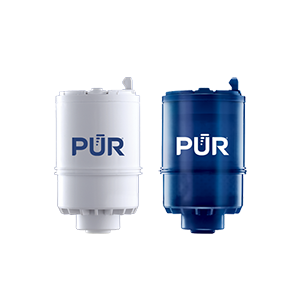
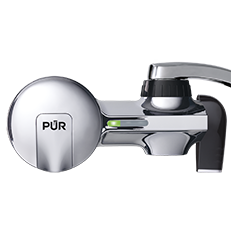
PUR & PUR PLUS FAUCET FILTERS
RF3375/RF9999

View Filters

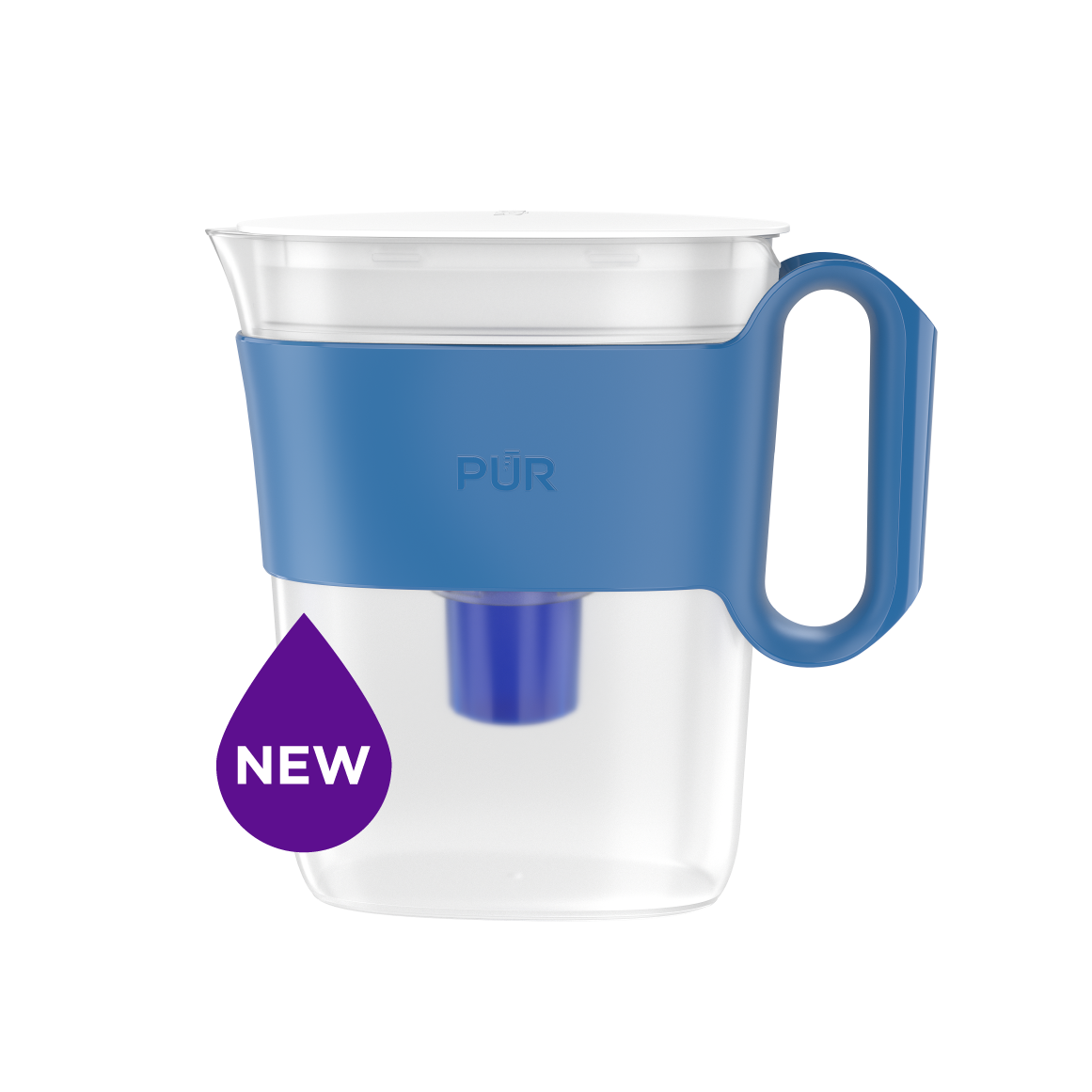
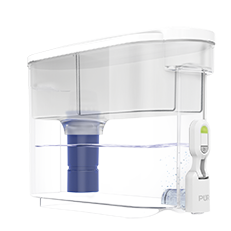
PUR PLUS PITCHER FILTERS
PPF951K

View Filter

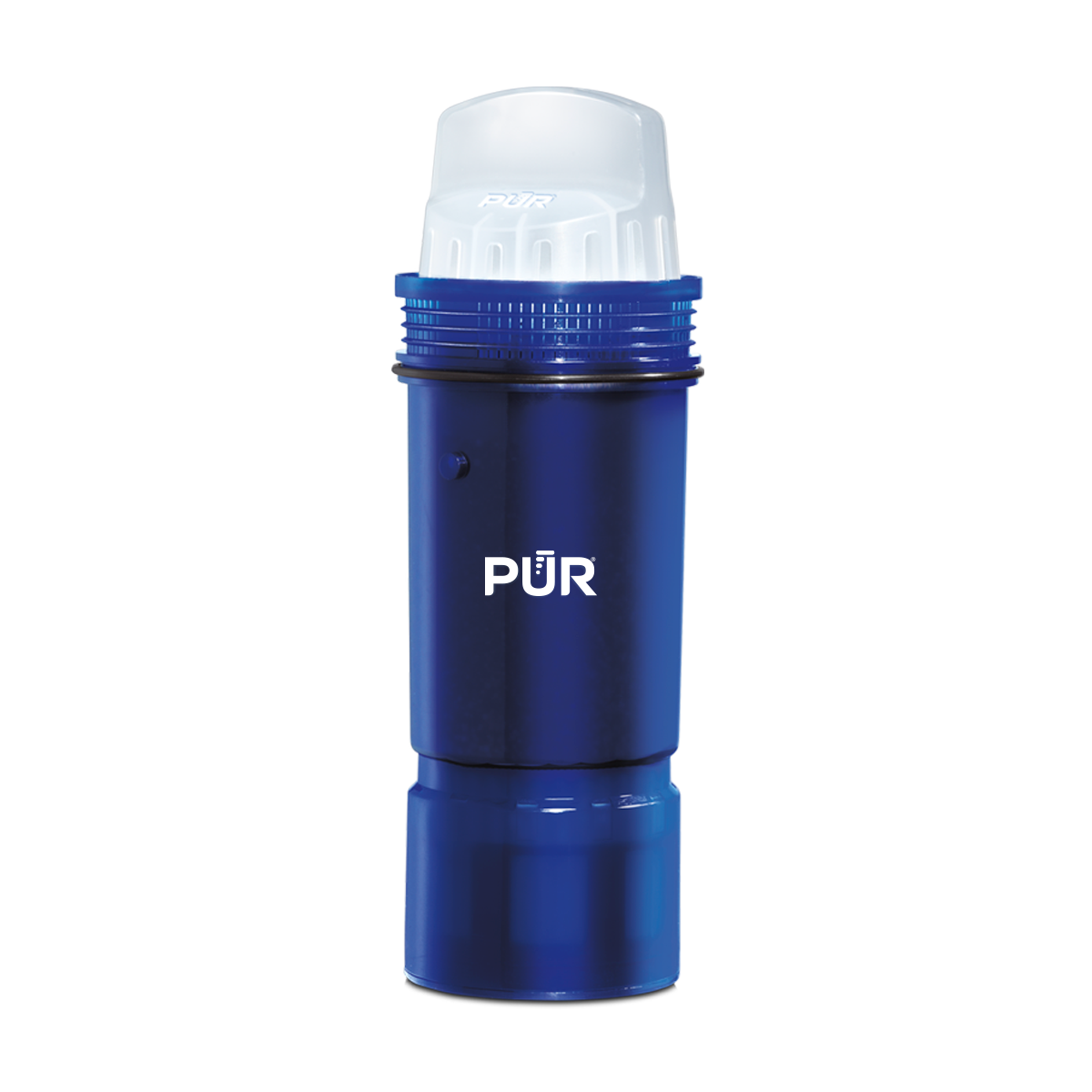
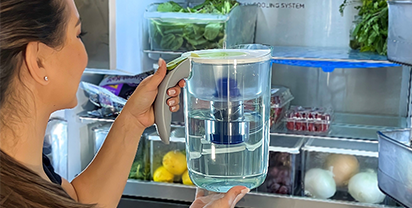
PUR BASIC PITCHER FILTERS
PPF900Z

View Filter


Vs. Brita*

Lead
Microplastics
Mercury
Chlorine Taste & Odor
DEET
TTHM

PUR’s Filtration Systems Are Certified By NSF And WQA For Their Contamination Reduction. WQA certifications as of 5/27/21 for Faucet filter models RF-3375 and RF-9999.

¹ Certified to reduce 10X more chemical and physical substances than Brita’s® leading pitcher filter.
² Certified to reduce 3X more chemical and physical substances than Brita’s® leading pitcher filter.
³ Certified to reduce 2X more chemical and physical substances than Brita’s® leading pitcher filter.
*Versus best-selling Brita® pitcher filter OB03. Brita® is a trademark of Brita LP.
**Like other leading brands, PUR does not filter microbes. As of 3/1/23 Brita® and ZeroWater® were not certified to filter microbes. Brita® is a trademark of Brita LP. ZeroWater® is a trademark of Zero Technologies, LLC..
 

PUR & PUR PLUS FAUCET FILTERS


PUR & PUR PLUS FAUCET FILTERS
RF3375/RF9999

View Filters


Vs. Brita*

Lead
Microplastics
Mercury
Chlorine Taste & Odor
DEET
TTHM

PUR’s Filtration Systems Are Certified By NSF And WQA For Their Contamination Reduction. WQA certifications as of 5/27/21 for Faucet filter models RF-3375 and RF-9999.

¹ Certified to reduce 10X more chemical and physical substances than Brita’s® leading pitcher filter.
² Certified to reduce 3X more chemical and physical substances than Brita’s® leading pitcher filter.
³ Certified to reduce 2X more chemical and physical substances than Brita’s® leading pitcher filter.
*Versus best-selling Brita® pitcher filter OB03. Brita® is a trademark of Brita LP.
**Like other leading brands, PUR does not filter microbes. As of 3/1/23 Brita® and ZeroWater® were not certified to filter microbes. Brita® is a trademark of Brita LP. ZeroWater® is a trademark of Zero Technologies, LLC..


PUR PLUS PITCHER FILTERS


PUR PLUS PITCHER FILTERS
PPF951K

View Filter


Vs. Brita*

Lead
Microplastics
Mercury
Chlorine Taste & Odor
DEET
TTHM

PUR’s Filtration Systems Are Certified By NSF And WQA For Their Contamination Reduction. WQA certifications as of 5/27/21 for Faucet filter models RF-3375 and RF-9999.

¹ Certified to reduce 10X more chemical and physical substances than Brita’s® leading pitcher filter.
² Certified to reduce 3X more chemical and physical substances than Brita’s® leading pitcher filter.
³ Certified to reduce 2X more chemical and physical substances than Brita’s® leading pitcher filter.
*Versus best-selling Brita® pitcher filter OB03. Brita® is a trademark of Brita LP.
**Like other leading brands, PUR does not filter microbes. As of 3/1/23 Brita® and ZeroWater® were not certified to filter microbes. Brita® is a trademark of Brita LP. ZeroWater® is a trademark of Zero Technologies, LLC..


PUR BASIC PITCHER FILTERS


PUR BASIC PITCHER FILTERS
PPF900Z

View Filter


Vs. Brita*

Lead
Microplastics
Mercury
Chlorine Taste & Odor
DEET
TTHM

PUR’s Filtration Systems Are Certified By NSF And WQA For Their Contamination Reduction. WQA certifications as of 5/27/21 for Faucet filter models RF-3375 and RF-9999.

¹ Certified to reduce 10X more chemical and physical substances than Brita’s® leading pitcher filter.
² Certified to reduce 3X more chemical and physical substances than Brita’s® leading pitcher filter.
³ Certified to reduce 2X more chemical and physical substances than Brita’s® leading pitcher filter.
*Versus best-selling Brita® pitcher filter OB03. Brita® is a trademark of Brita LP.
**Like other leading brands, PUR does not filter microbes. As of 3/1/23 Brita® and ZeroWater® were not certified to filter microbes. Brita® is a trademark of Brita LP. ZeroWater® is a trademark of Zero Technologies, LLC..


China Top Disposable Plastic Cups Manufacturers?

China has become a major sourcing destination for Disposable Plastic Cups, supported by extensive polymer processing capacity, mature export networks, and specialized packaging clusters. However, identifying the “top” manufacturer requires more than comparing factory prices. Production consistency, food-contact documentation, mold capability, quality controls, and export experience should all be examined.

The OECD’s Global Plastics Outlook reported that global plastic waste more than doubled between 2000 and 2019, while only about 9% was ultimately recycled. This finding increases pressure on cup manufacturers to reduce material use, improve recyclability, and provide clearer product information. Meanwhile, industry research from Grand View Research continues to identify foodservice packaging as an important application area for disposable cups, supported by takeaway drinks, catering, and institutional consumption.

That sounds simple. It is not.

A reliable Chinese supplier should explain resin selection, cup-wall thickness, production tolerances, printing methods, and packing procedures in practical terms. Buyers should also request recent test reports, factory audit evidence, sample approvals, and traceable batch records. ISO 9001 certification can indicate structured quality management, but certification alone does not prove everyday product performance. Experience matters.

This guide will compare leading Chinese manufacturers through measurable criteria, including production scale, customization capability, delivery reliability, compliance support, and sustainability practices. Some suppliers may offer attractive prices but limited technical communication. Others may provide stronger documentation but higher minimum order quantities. That trade-off deserves honest attention when selecting a long-term Disposable Plastic Cups partner.

China Top Disposable Plastic Cups Manufacturers?

Types of Disposable Plastic Cups Made in China

China’s disposable cup manufacturers produce several practical types for foodservice, events, and takeaway drinks. Clear PET cups suit iced tea, juice, smoothies, and layered desserts. They show color and fill level clearly. PP cups handle warmer liquids better and resist impact during transport. PS cups are lightweight and economical, though they can feel brittle in cold conditions. PLA-based cups offer a plant-based option, but performance depends on heat limits and local disposal systems.

Manufacturers also make flat-wall, ripple-wall, double-wall, and dome-lid compatible designs. A 12-ounce cold cup may use a rolled rim for smoother sipping and stronger lid engagement. Vending cups often need precise dimensions, while party cups may prioritize color and stackability. In factory checks, I examine wall thickness, rim roundness, seal fit, odor, and clarity. Small defects matter. A cup that looks fine can leak after repeated handling. I once underestimated stacking pressure; thin cups warped faster than expected. That experience made load testing essential, even for simple orders.

Tips: Match the resin to the drink temperature and filling process. Request food-contact documentation, migration test results, and samples from each production batch. Check cup weight, mouth diameter, base stability, and lid compatibility. Do not rely on photographs alone. A sample run is safer. Also confirm packaging cleanliness, carton strength, and storage conditions before approving large quantities. Suppliers should explain tolerances clearly, not hide them behind attractive pricing.

Key Standards for Evaluating Chinese Cup Manufacturers

Evaluating Chinese disposable plastic cup manufacturers requires more than comparing catalog prices. Start with food-contact compliance, material identification, and production consistency. Ask for resin specifications, migration test reports, and certificates from independent laboratories. Check whether the documents match the exact cup, thickness, color, and intended beverage temperature. A generic certificate proves little.

Factory experience should be visible on the production floor. Look for clean storage areas, labeled raw materials, calibrated measuring tools, and clear batch records. Inspect injection or thermoforming equipment, sealing performance, rim smoothness, and cup weight. Practical testing matters. Fill samples with cold drinks, hot water, and ice, then check leakage, deformation, odor, and stacking stability. Small details reveal process control.

Do not trust samples alone. They may receive extra attention. Request samples from regular production and compare them with approved versions. Review quality-control procedures, worker training, complaint handling, and corrective-action records. Reliable manufacturers explain failures instead of hiding them. That honesty is valuable.

Certifications can support trust, but they cannot replace an audit. A factory may present perfect paperwork while producing uneven batches. I have found that simple checks often expose bigger risks: inconsistent wall thickness, loose packaging, or missing traceability labels. Confirm production capacity, inspection frequency, and shipping protection before placing a large order. Clear specifications, written tolerances, and retained samples make later disputes less likely.

Leading Regions for Disposable Cup Production in China

China’s disposable plastic cup production is concentrated along its eastern and southern manufacturing belts. Guangdong remains influential because it combines resin suppliers, mold workshops, printing services, and export ports. Zhejiang and Jiangsu also support large production networks, especially around Ningbo, Taizhou, Suzhou, and nearby industrial towns.

The China Plastics Processing Industry Association reported national plastic products output of about 74.9 million tonnes in 2023. This figure covers many product categories, not cups alone. Still, it shows the scale of China’s conversion industry. Regional manufacturing surveys consistently identify Guangdong, Zhejiang, Jiangsu, Fujian, and Shandong as important packaging production areas. Fujian benefits from coastal logistics and food-service packaging experience. Shandong offers strong petrochemical links and broad domestic distribution.

Production advantages are practical. A cup factory near resin suppliers can reduce delivery time and material handling. Industrial clusters also provide access to thermoforming machines, carton suppliers, testing laboratories, and skilled technicians. Port access matters for overseas orders. Ningbo-Zhoushan, Shenzhen, Xiamen, and Qingdao are useful logistics gateways.

Data needs careful reading. Public statistics rarely separate disposable cups from all plastic products. Some regional claims may therefore look more precise than the evidence allows. Buyers should inspect factory records, material certificates, sample consistency, and production-line capacity. A clean showroom proves little. The machine floor tells more.

Manufacturing Processes and Quality Control Practices

China Top Disposable Plastic Cups Manufacturers? Manufacturing Processes and Quality Control Practices

Reliable disposable cup production starts with controlled raw materials. Manufacturers inspect food-contact resin, supplier documents, color, and moisture before processing. Polypropylene and PET require different temperature windows. Operators record barrel temperatures, pressure, cycle time, and cooling conditions. In thermoforming, heated sheets are shaped over molds, then trimmed. Injection molding forms each cup directly in a metal mold. Rim geometry matters.

Quality control should continue beyond visual inspection. Calipers verify height, diameter, and wall thickness at scheduled intervals. A sampling plan may include leak testing, drop testing, stacking checks, and seal evaluation. Transparent cups are checked for haze, black specks, bubbles, and stress marks under strong lighting. Production teams retain batch codes and inspection records. Traceability matters. Food-contact testing must follow the requirements of the destination market, not assumptions made on the factory floor.

Experienced engineers also review mold wear and machine drift. Small changes can alter weight and stiffness. A perfect first run is uncommon. Sometimes, teams adjust cooling too late or overlook a thin area near the base. That weakness may appear only after stacking or transport. Honest corrective action matters. Factories should record the cause, correction, and verification result. An attractive sample proves little.

How to Select the Right Chinese Cup Manufacturer

Selecting the right Chinese disposable plastic cup manufacturer requires more than comparing prices. Start by defining cup size, material, wall thickness, color, printing, packing, and monthly volume. A clear specification prevents avoidable quotation gaps.

Request production samples from at least three factories. Check rim smoothness, stacking performance, clarity, leakage, and resistance to temperature changes. Ask for material declarations, quality-control records, and test documents matching your destination market. Factory certificates matter, but current evidence matters more. Verify issuing bodies and document dates.

Evaluate the factory behind the sample. A video audit can reveal molding machines, warehouse conditions, and packing methods. An in-person visit gives stronger evidence when order volume justifies travel. Ask how they control raw materials, inspect finished cups, and handle rejected products. Confirm mold ownership, minimum order quantity, lead time, payment terms, and replacement procedures. Communication speed is also practical evidence.

My first shortlist was too focused on low unit cost. Later, I noticed thin packaging and vague inspection answers. That mistake could have created expensive delays. A polished showroom can mislead. Request a small trial order before committing to regular production. Keep approved samples, drawings, and inspection standards in writing. The cheapest offer is not always the safest production choice.

China Top Disposable Plastic Cups Manufacturers? - How to Select the Right Chinese Cup Manufacturer
Evaluation Dimension What to Check Practical Benchmark Recommended Evidence Why It Matters
Material Safety Plastic resin type, additives, colorants, and suitability for the intended beverage. Use food-contact-grade PP, PET, or PS selected according to the product application. Material declaration, resin technical data sheet, migration-test report, and batch traceability records. Reduces the risk of odor, taste transfer, chemical migration, and non-compliant materials.
Regulatory Compliance Compliance with the destination market's food-contact regulations. For the United States, verify applicable FDA food-contact requirements; for the European Union, verify Regulation (EU) No. 10/2011 where applicable. Declaration of compliance, third-party laboratory reports, and current regulatory test records. Documentation requirements differ by market and by the plastic material used.
Quality Management Whether production procedures, inspections, corrective actions, and records are formally controlled. A current ISO 9001 certificate from an accredited certification body is a useful baseline. Certificate scope, expiration date, internal quality procedures, inspection plans, and corrective-action reports. A documented quality system improves consistency and makes problems easier to investigate.
Cup Capacity Nominal volume, brimful volume, usable fill volume, and dimensional tolerance. Common disposable cup sizes include approximately 8, 12, 16, and 20 US fluid ounces, subject to the product design. Approved drawing, capacity test, dimensional inspection report, and pre-production sample. Accurate capacity supports portion control, packaging compatibility, and customer expectations.
Wall Thickness Average thickness, minimum thickness, rim strength, and resistance to deformation. Set a project-specific minimum thickness and compression requirement instead of relying only on nominal thickness. Wall-thickness map, compression test, drop test, and filled-cup handling test. Thickness affects rigidity, leak resistance, appearance, weight, and material cost.
Production Technology Forming method, mold condition, automation level, printing process, and equipment maintenance. Thermoforming is commonly used for high-volume thin-wall cups; injection molding is suitable for more rigid or specialized designs. Factory audit, equipment list, mold-maintenance records, process flow chart, and trial-production samples. The correct process influences output capacity, design flexibility, surface quality, and unit economics.
Color and Appearance Color consistency, transparency, haze, surface defects, rim finish, and print quality. Approve a physical color standard and define acceptable limits for scratches, black spots, warpage, and print registration. Golden sample, color reference, visual inspection standard, and approved artwork proof. Clear acceptance criteria prevent disputes caused by subjective appearance judgments.
Leak and Seal Performance Rim roundness, lid fit, seam integrity, and leakage under normal transport conditions. Require a filled-cup leak test and a lid-fit test using the final cup and lid combination. Test procedure, test results, retained samples, and packaging simulation report. A cup that performs well alone may still leak when paired with an incompatible lid.
Customization Capability Custom size, shape, embossing, color, printing, packaging, and mold development. Confirm artwork requirements, print colors, mold ownership, tooling cost, and sample-approval stages before ordering. Technical drawing, artwork file, tooling agreement, sample approval record, and change-control process. Clear ownership and approval procedures reduce delays and prevent unauthorized design changes.
Minimum Order Quantity Minimum quantity for standard cups, custom colors, custom printing, and new molds. Request separate minimum quantities for stock products, printed products, custom colors, and new tooling. Formal quotation showing quantity breaks, setup charges, tooling charges, and remaining-material policy. Minimum quantities can significantly affect inventory investment and cash flow.
Lead Time Sample time, tooling time, production time, inspection time, and shipping preparation. Obtain a written schedule with milestones; sample and tooling lead times should be listed separately from mass production. Production schedule, purchase-order terms, capacity statement, and delay-notification procedure. A milestone-based schedule is more reliable than a single estimated delivery date.
Packaging Efficiency Stacking ratio, carton dimensions, pallet configuration, protection, and container utilization. Compare the number of usable cups per carton and per pallet, not only the price per cup. Carton specification, packing photos, pallet plan, carton-drop test, and loading calculation. Efficient packaging can lower freight cost, storage space, and transit damage.
Sustainability Options Recycled content, downgauging, recyclability, material separation, and waste reduction. Request a documented recycled-content percentage and confirm whether it is permitted for the intended food-contact application and market. Recycled-content declaration, chain-of-custody records, material specification, and applicable compliance reports. Environmental claims must be supported by verifiable material and supply-chain documentation.
Inspection and Testing Incoming-material inspection, in-process checks, final inspection, and sampling method. Use an agreed inspection specification covering dimensions, weight, appearance, capacity, leakage, and packaging. Inspection and test plan, sampling standard, batch report, calibration records, and retained samples. Predefined acceptance criteria make quality decisions consistent and measurable.
Commercial Terms Unit price, tooling charges, payment terms, quotation validity, replacement policy, and shipping terms. Compare total landed cost, including tooling, packaging, inspection, freight, duties, and payment-related costs. Itemized quotation, sales contract, Incoterms® rule, warranty terms, and claim-resolution procedure. The lowest factory price may not result in the lowest total procurement cost.
Supplier Verification Legal entity, manufacturing address, production scope, export experience, and subcontracting practices. Verify that the audited site, quoted production site, and shipping documentation refer to the same legal supplier structure. Business registration records, factory audit report, site video or visit, export documents, and subcontractor disclosure. Supplier verification reduces risks related to unauthorized outsourcing and inconsistent production control.
Selection note: Use these benchmarks as a supplier-screening framework, then confirm the final requirements against the destination market, beverage type, cup design, packaging system, and approved product samples.