Contaminant Comparison Chart

For a complete list of contaminants that PUR filters reduce, please view our Performance Data Sheets here.


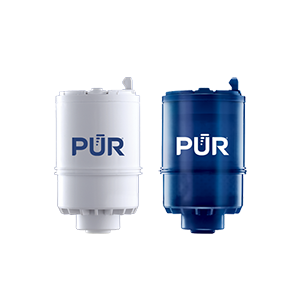
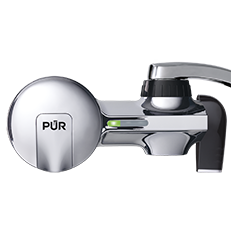
PUR & PUR PLUS FAUCET FILTERS
RF3375/RF9999

View Filters

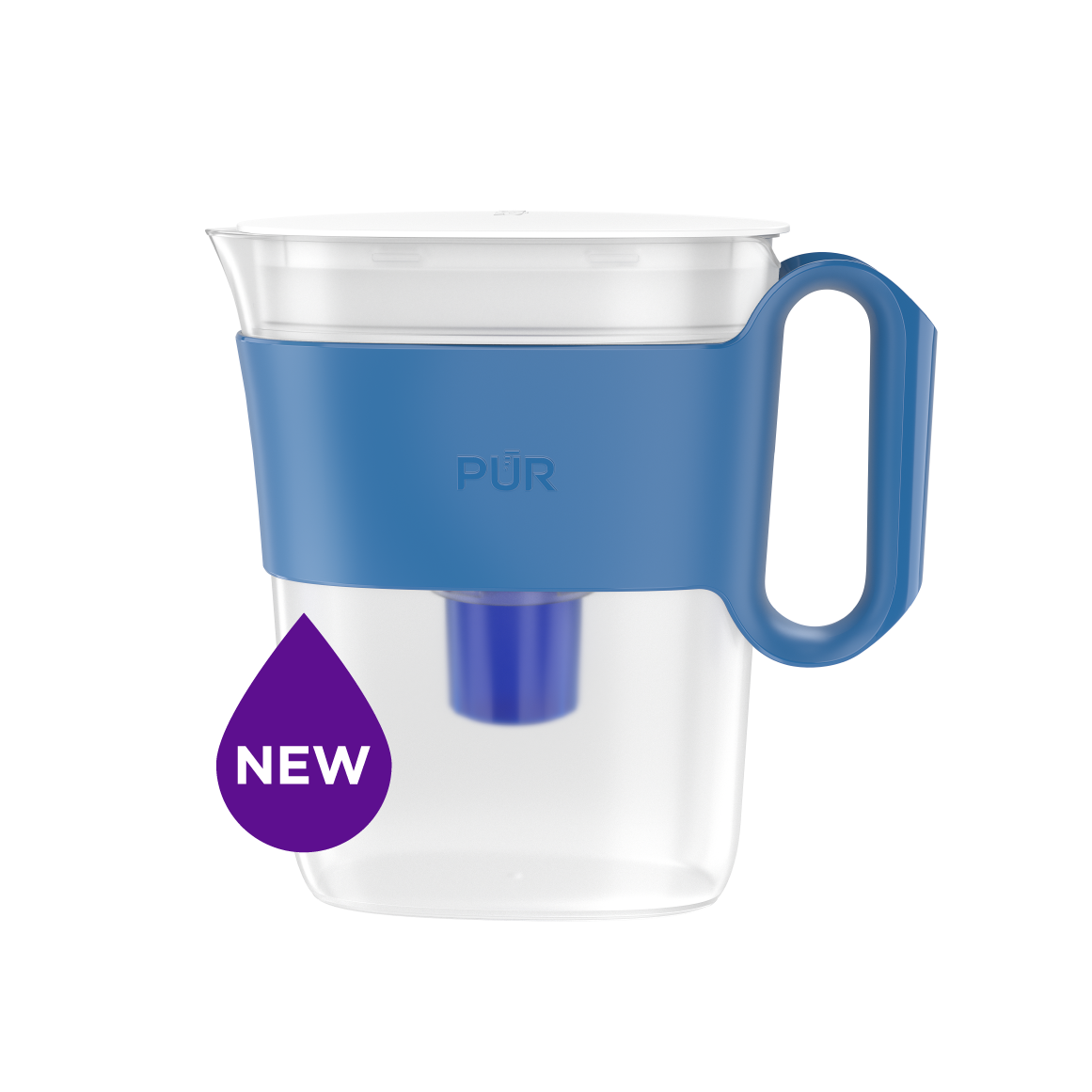
PUR PLUS PITCHER FILTERS
PPF951K

View Filter

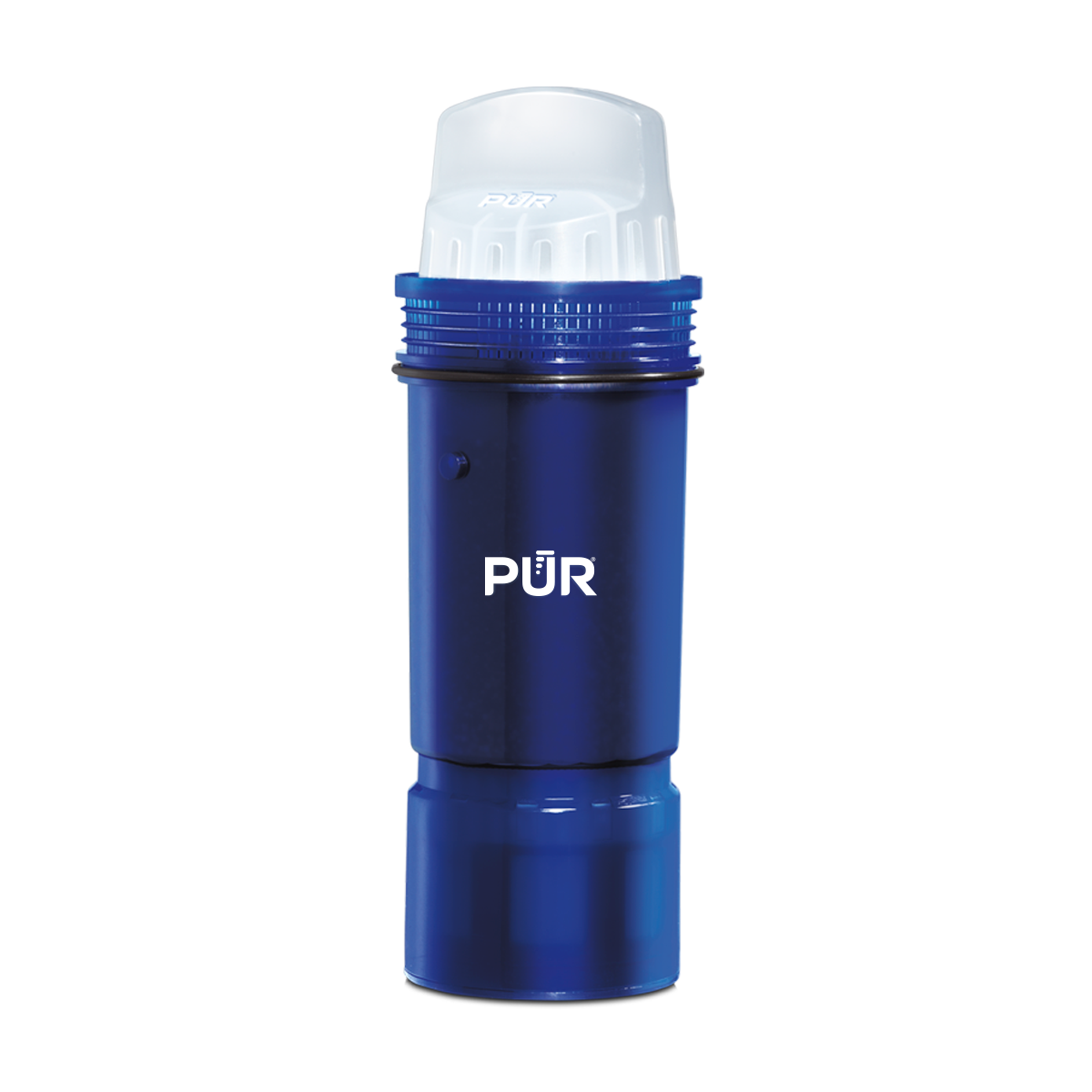
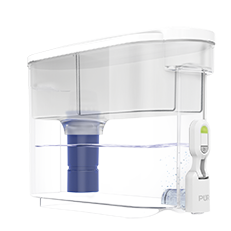
PUR BASIC PITCHER FILTERS
PPF900Z

View Filter


Vs. Brita*

Lead
Microplastics
Mercury
Chlorine Taste & Odor
DEET
TTHM

PUR’s Filtration Systems Are Certified By NSF And WQA For Their Contamination Reduction. WQA certifications as of 5/27/21 for Faucet filter models RF-3375 and RF-9999.

¹ Certified to reduce 10X more chemical and physical substances than Brita’s® leading pitcher filter.
² Certified to reduce 3X more chemical and physical substances than Brita’s® leading pitcher filter.
³ Certified to reduce 2X more chemical and physical substances than Brita’s® leading pitcher filter.
*Versus best-selling Brita® pitcher filter OB03. Brita® is a trademark of Brita LP.
**Like other leading brands, PUR does not filter microbes. As of 3/1/23 Brita® and ZeroWater® were not certified to filter microbes. Brita® is a trademark of Brita LP. ZeroWater® is a trademark of Zero Technologies, LLC..
 

PUR & PUR PLUS FAUCET FILTERS


PUR & PUR PLUS FAUCET FILTERS
RF3375/RF9999

View Filters


Vs. Brita*

Lead
Microplastics
Mercury
Chlorine Taste & Odor
DEET
TTHM

PUR’s Filtration Systems Are Certified By NSF And WQA For Their Contamination Reduction. WQA certifications as of 5/27/21 for Faucet filter models RF-3375 and RF-9999.

¹ Certified to reduce 10X more chemical and physical substances than Brita’s® leading pitcher filter.
² Certified to reduce 3X more chemical and physical substances than Brita’s® leading pitcher filter.
³ Certified to reduce 2X more chemical and physical substances than Brita’s® leading pitcher filter.
*Versus best-selling Brita® pitcher filter OB03. Brita® is a trademark of Brita LP.
**Like other leading brands, PUR does not filter microbes. As of 3/1/23 Brita® and ZeroWater® were not certified to filter microbes. Brita® is a trademark of Brita LP. ZeroWater® is a trademark of Zero Technologies, LLC..


PUR PLUS PITCHER FILTERS


PUR PLUS PITCHER FILTERS
PPF951K

View Filter


Vs. Brita*

Lead
Microplastics
Mercury
Chlorine Taste & Odor
DEET
TTHM

PUR’s Filtration Systems Are Certified By NSF And WQA For Their Contamination Reduction. WQA certifications as of 5/27/21 for Faucet filter models RF-3375 and RF-9999.

¹ Certified to reduce 10X more chemical and physical substances than Brita’s® leading pitcher filter.
² Certified to reduce 3X more chemical and physical substances than Brita’s® leading pitcher filter.
³ Certified to reduce 2X more chemical and physical substances than Brita’s® leading pitcher filter.
*Versus best-selling Brita® pitcher filter OB03. Brita® is a trademark of Brita LP.
**Like other leading brands, PUR does not filter microbes. As of 3/1/23 Brita® and ZeroWater® were not certified to filter microbes. Brita® is a trademark of Brita LP. ZeroWater® is a trademark of Zero Technologies, LLC..


PUR BASIC PITCHER FILTERS


PUR BASIC PITCHER FILTERS
PPF900Z

View Filter


Vs. Brita*

Lead
Microplastics
Mercury
Chlorine Taste & Odor
DEET
TTHM

PUR’s Filtration Systems Are Certified By NSF And WQA For Their Contamination Reduction. WQA certifications as of 5/27/21 for Faucet filter models RF-3375 and RF-9999.

¹ Certified to reduce 10X more chemical and physical substances than Brita’s® leading pitcher filter.
² Certified to reduce 3X more chemical and physical substances than Brita’s® leading pitcher filter.
³ Certified to reduce 2X more chemical and physical substances than Brita’s® leading pitcher filter.
*Versus best-selling Brita® pitcher filter OB03. Brita® is a trademark of Brita LP.
**Like other leading brands, PUR does not filter microbes. As of 3/1/23 Brita® and ZeroWater® were not certified to filter microbes. Brita® is a trademark of Brita LP. ZeroWater® is a trademark of Zero Technologies, LLC..


Top 5 Handheld RFID Scanners You Need to Know About?

Handheld Rfid Scanners are transforming inventory management across industries. According to the latest report by MarketsandMarkets, the handheld RFID scanner market is projected to reach $2.12 billion by 2026, highlighting a growing reliance on this technology. Experts agree that these devices significantly improve efficiency and accuracy in tracking assets.

Dr. Emily Chen, a leading authority in RFID technology, noted, “The rise of handheld RFID scanners is crucial for operational excellence.” This sentiment reflects the industry's shift toward real-time data accessibility. Businesses are increasingly adopting these scanners for enhancing their supply chain processes.

While the benefits are clear, challenges exist. Not all handheld RFID scanners offer the same reliability. Some models may struggle in high-density environments, which can lead to data inaccuracies. Understanding these limitations is essential as companies choose the right devices for their needs. With various options available, selecting a suitable handheld RFID scanner requires careful consideration of performance, cost, and user requirements.

Top 5 Handheld RFID Scanners You Need to Know About?

Top 5 Handheld RFID Scanners: An Overview of Features and Benefits

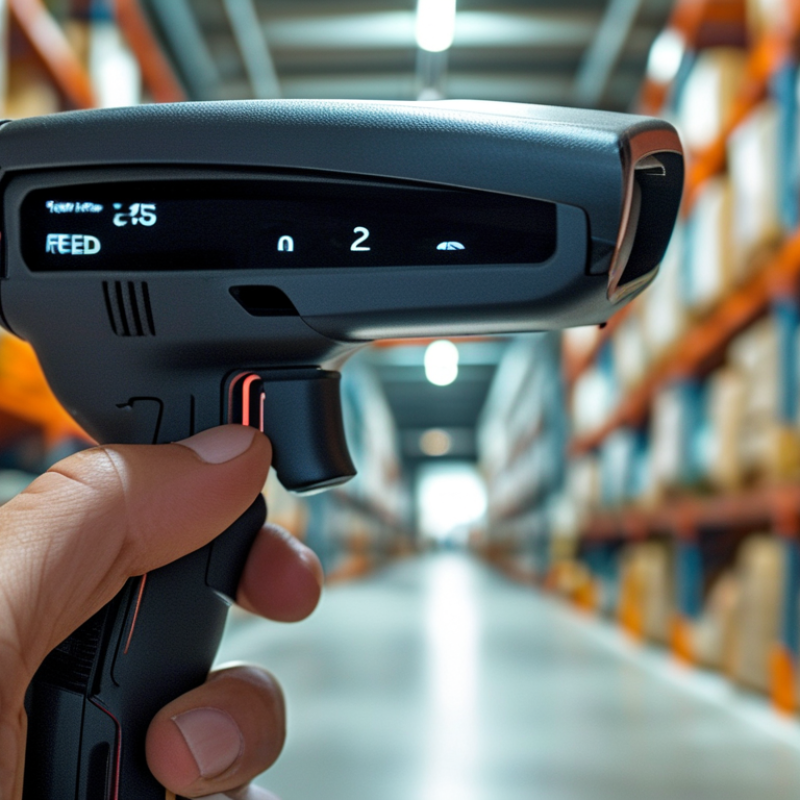
Handheld RFID scanners are transformative tools for various industries. They streamline inventory management and enhance tracking efficiency. These scanners use radio waves to identify and monitor tagged items, making them ideal for warehouses and retail environments.

One key feature is their portability. A lightweight design ensures easy handling. Users can scan quickly without being tethered to a fixed location. Battery life is often impressive, allowing for extended use during shifts. Durability is another significant aspect. Many models withstand rough conditions, which is essential in busy workplaces.

Additionally, user interface plays a crucial role. Intuitive displays enable fast learning for staff. Many scanners offer connectivity options, such as Bluetooth or Wi-Fi, facilitating smooth integration with existing systems. However, some models may lack advanced features found in pricier alternatives. It's worth considering trade-offs between functionality and budget. Adequate training for users is vital to avoid operational hiccups.

Top 5 Handheld RFID Scanners You Need to Know About

Model Read Range Battery Life Weight Special Features
Model A Up to 10 meters 12 hours 200 grams Bluetooth & Wi-Fi connectivity
Model B Up to 8 meters 10 hours 250 grams Integrated camera for photo capture
Model C Up to 6 meters 15 hours 180 grams Rugged design, drop resistant
Model D Up to 12 meters 8 hours 220 grams Fast scanning technology
Model E Up to 5 meters 20 hours 150 grams User-friendly interface

Comparative Analysis: Performance Metrics of Leading Handheld RFID Scanners

Handheld RFID scanners are crucial in industries like logistics and retail. A comparative analysis reveals varying performance metrics among these devices. Many scanners operate within a frequency range of 860 to 960 MHz, an optimal range for short-range communications. The average read speed for these devices can reach up to 100 tags per second, according to recent market studies.

Battery life is another critical factor. Some scanners boast up to 14 hours of continuous use. Yet, reliability often diminishes with prolonged usage. Environments impact performance too. Humidity and metal presence can lead to reduced read accuracy. Challenges in data capture can arise under such conditions, which may reflect poorly on overall system efficiency.

Error rates can differ significantly. Reported rates typically fall between 1% and 3%. Evaluating the context in which the devices operate is necessary for accurate assessment. Performance metrics should also consider user experience. Devices that are cumbersome can lead to user fatigue and decreased productivity. Addressing these issues is vital for improved operational efficiency.

Performance Metrics of Top 5 Handheld RFID Scanners

Market Trends: Industry Growth and Adoption Rates of RFID Scanning Solutions

The RFID scanning solutions market is witnessing significant growth. According to a recent industry report, the RFID market size is expected to reach $29 billion by 2026. This represents a compound annual growth rate (CAGR) of 14.5%. Adoption rates are rising across various sectors, including retail, healthcare, and logistics. Businesses are leveraging RFID to improve inventory accuracy and streamline operations.

Many organizations are recognizing the efficiency of handheld RFID scanners. These devices enhance tracking capabilities, reduce manual data entry errors, and save time. In fact, a survey indicated that 70% of companies implementing RFID solutions reported improved inventory management. However, challenges remain. High initial costs and integration difficulties can hinder widespread adoption. Companies must weigh these factors when considering RFID investments.

As industries evolve, the demand for reliable and efficient scanning solutions will grow. Aligning technology with operational needs is crucial. Solution providers must continually innovate to address user concerns. In this rapidly changing market, staying informed about trends and advancements is vital for decision-makers. Understanding these dynamics is essential for harnessing the full potential of RFID technology.

Key Applications: Where Handheld RFID Scanners Are Most Effectively Used

Handheld RFID scanners are transforming various industries. They streamline operations by automating data collection and improving accuracy. One of the key applications is in inventory management. Retailers use these scanners to track stock levels in real time. This helps reduce shortages and overstock situations.


In healthcare, handheld RFID scanners enhance patient safety. They ensure medication is correctly matched to patients. Scanning wristbands or medication labels prevents errors. This application boosts trust in medical facilities and improves overall care quality.


Tips: When selecting a handheld RFID scanner, consider battery life. A long-lasting battery allows for extended usage during busy hours. Also, ensure the scanner is compatible with existing systems. This will help avoid costly integration issues later. Think about the ergonomics too; comfortable designs reduce user fatigue during long shifts. Poorly designed tools can lead to mistakes or injuries.

Future Innovations: Emerging Technologies in Handheld RFID Scanning Devices

As technology evolves, handheld RFID scanners are becoming more advanced. Future innovations in these devices promise enhanced efficiency and accuracy in inventory management. New sensor technologies are being developed. This may lead to faster data capture and better performance in challenging environments.

The integration of AI is a significant trend. Machine learning algorithms can analyze scanning patterns, providing actionable insights. Such advancements could help businesses optimize their operations more effectively. However, there are concerns regarding data privacy and security. These issues require attention to ensure user trust remains intact.

Additionally, the move towards cloud-based systems is evident. This will allow real-time data access and analysis from anywhere. However, reliance on internet connectivity can present challenges. Organizations need to evaluate their infrastructure to ensure reliability. These innovations will reshape how businesses utilize RFID technology. Adapting to these changes will be vital for staying competitive.