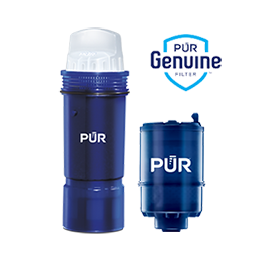
Contaminant Comparison Chart

For a complete list of contaminants that PUR filters reduce, please view our Performance Data Sheets here.


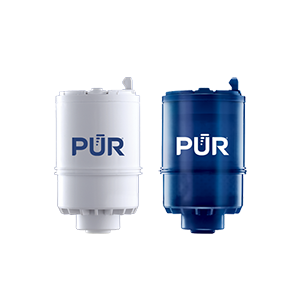
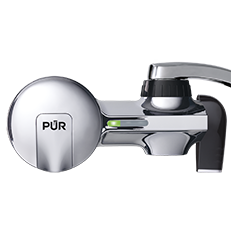
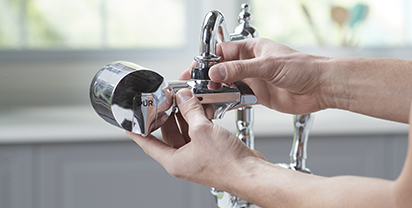
PUR & PUR PLUS FAUCET FILTERS
RF3375/RF9999

View Filters

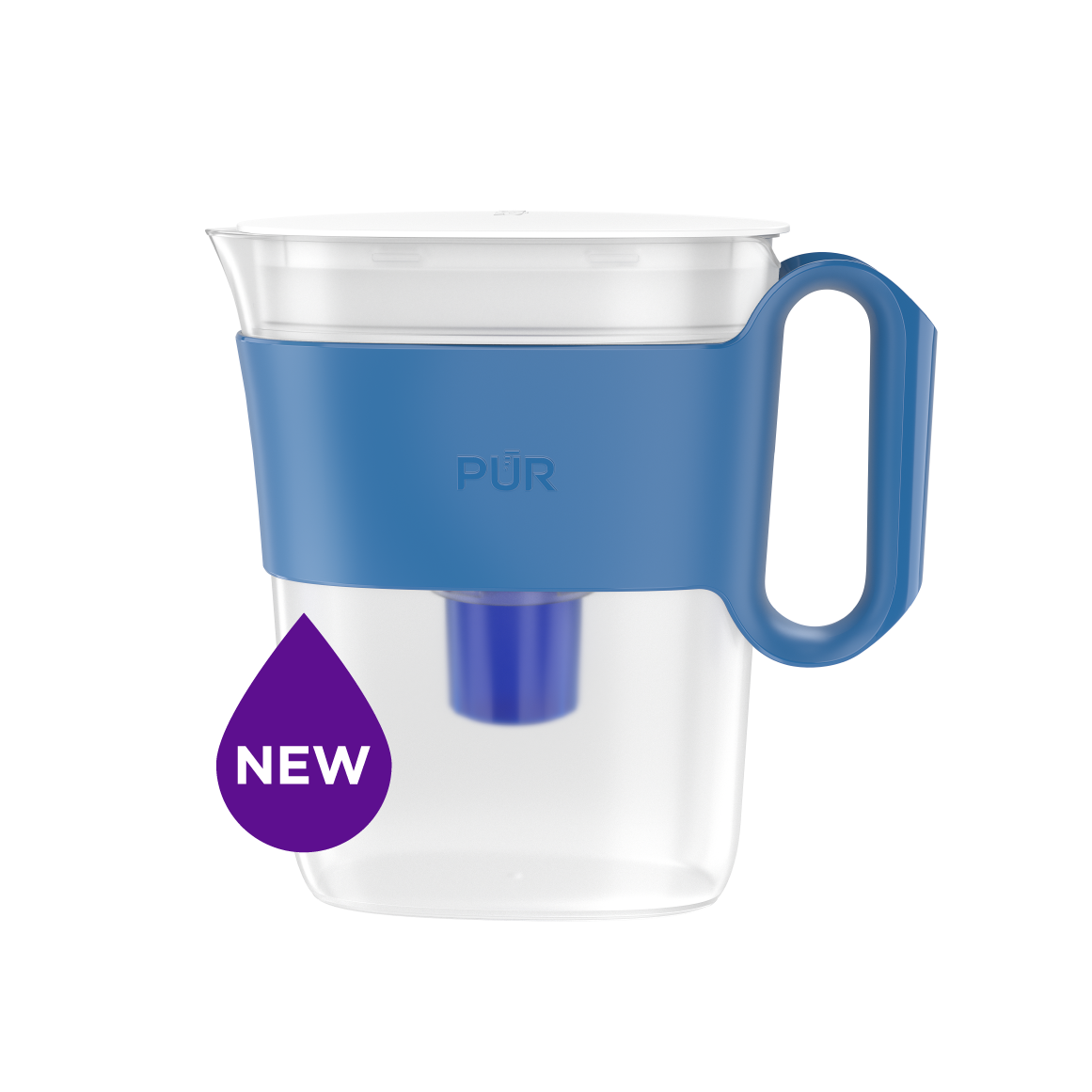
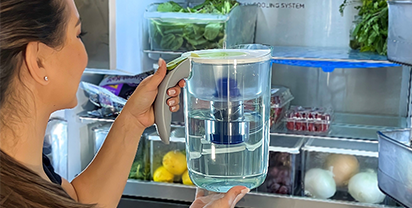
PUR PLUS PITCHER FILTERS
PPF951K

View Filter

PUR BASIC PITCHER FILTERS
PPF900Z

View Filter


Vs. Brita*

Lead
Microplastics
Mercury
Chlorine Taste & Odor
DEET
TTHM

PUR’s Filtration Systems Are Certified By NSF And WQA For Their Contamination Reduction. WQA certifications as of 5/27/21 for Faucet filter models RF-3375 and RF-9999.

¹ Certified to reduce 10X more chemical and physical substances than Brita’s® leading pitcher filter.
² Certified to reduce 3X more chemical and physical substances than Brita’s® leading pitcher filter.
³ Certified to reduce 2X more chemical and physical substances than Brita’s® leading pitcher filter.
*Versus best-selling Brita® pitcher filter OB03. Brita® is a trademark of Brita LP.
**Like other leading brands, PUR does not filter microbes. As of 3/1/23 Brita® and ZeroWater® were not certified to filter microbes. Brita® is a trademark of Brita LP. ZeroWater® is a trademark of Zero Technologies, LLC..
 

PUR & PUR PLUS FAUCET FILTERS


PUR & PUR PLUS FAUCET FILTERS
RF3375/RF9999

View Filters


Vs. Brita*

Lead
Microplastics
Mercury
Chlorine Taste & Odor
DEET
TTHM

PUR’s Filtration Systems Are Certified By NSF And WQA For Their Contamination Reduction. WQA certifications as of 5/27/21 for Faucet filter models RF-3375 and RF-9999.

¹ Certified to reduce 10X more chemical and physical substances than Brita’s® leading pitcher filter.
² Certified to reduce 3X more chemical and physical substances than Brita’s® leading pitcher filter.
³ Certified to reduce 2X more chemical and physical substances than Brita’s® leading pitcher filter.
*Versus best-selling Brita® pitcher filter OB03. Brita® is a trademark of Brita LP.
**Like other leading brands, PUR does not filter microbes. As of 3/1/23 Brita® and ZeroWater® were not certified to filter microbes. Brita® is a trademark of Brita LP. ZeroWater® is a trademark of Zero Technologies, LLC..
 

PUR PLUS PITCHER FILTERS


PUR PLUS PITCHER FILTERS
PPF951K

View Filter


Vs. Brita*

Lead
Microplastics
Mercury
Chlorine Taste & Odor
DEET
TTHM

PUR’s Filtration Systems Are Certified By NSF And WQA For Their Contamination Reduction. WQA certifications as of 5/27/21 for Faucet filter models RF-3375 and RF-9999.

¹ Certified to reduce 10X more chemical and physical substances than Brita’s® leading pitcher filter.
² Certified to reduce 3X more chemical and physical substances than Brita’s® leading pitcher filter.
³ Certified to reduce 2X more chemical and physical substances than Brita’s® leading pitcher filter.
*Versus best-selling Brita® pitcher filter OB03. Brita® is a trademark of Brita LP.
**Like other leading brands, PUR does not filter microbes. As of 3/1/23 Brita® and ZeroWater® were not certified to filter microbes. Brita® is a trademark of Brita LP. ZeroWater® is a trademark of Zero Technologies, LLC..


PUR BASIC PITCHER FILTERS


PUR BASIC PITCHER FILTERS
PPF900Z

View Filter


Vs. Brita*

Lead
Microplastics
Mercury
Chlorine Taste & Odor
DEET
TTHM

PUR’s Filtration Systems Are Certified By NSF And WQA For Their Contamination Reduction. WQA certifications as of 5/27/21 for Faucet filter models RF-3375 and RF-9999.

¹ Certified to reduce 10X more chemical and physical substances than Brita’s® leading pitcher filter.
² Certified to reduce 3X more chemical and physical substances than Brita’s® leading pitcher filter.
³ Certified to reduce 2X more chemical and physical substances than Brita’s® leading pitcher filter.
*Versus best-selling Brita® pitcher filter OB03. Brita® is a trademark of Brita LP.
**Like other leading brands, PUR does not filter microbes. As of 3/1/23 Brita® and ZeroWater® were not certified to filter microbes. Brita® is a trademark of Brita LP. ZeroWater® is a trademark of Zero Technologies, LLC..
 

Top 10 Home Filtration System Options for Clean Water at Home?

Choosing a home filtration system is vital for ensuring clean water at home. With various options available, selecting the right one can feel overwhelming. Trusted sources emphasize the importance of clean water for health and well-being. Contaminants in tap water can lead to serious health issues. Thus, understanding different filtration systems is essential.

Many people overlook the need for a reliable home filtration system. Homeowners often prioritize taste over safety. However, the reality is that many impurities can affect water quality. Common contaminants include chlorine, lead, and bacteria. These can have harmful effects on families, especially children.

Each filtration option offers unique benefits. From activated carbon filters to reverse osmosis systems, the choices are vast. It's important to research capabilities and maintenance requirements. Some systems may be more efficient than others. Reflection on your specific needs is crucial. A well-informed decision can lead to better health and a safer home environment.

Top 10 Home Filtration System Options for Clean Water at Home?

Overview of Home Water Contamination Issues and Their Health Impacts

Water contamination is a pressing issue affecting many households. According to the Environmental Protection Agency (EPA), over 19 million Americans rely on private wells, which are often unregulated. These wells can be susceptible to harmful pollutants like nitrates and heavy metals, potentially leading to serious health problems. Ingesting contaminated water has been linked to developmental issues in children and various cancers in adults.

The Centers for Disease Control and Prevention (CDC) report indicates that 7% of water samples from public supplies exceeded acceptable contaminant levels. Chlorine and lead can cause both immediate and long-term health effects. Short-term exposure might lead to gastrointestinal issues, while chronic exposure could result in neurological damage. The risks highlight the need for effective home water filtration systems to ensure clean drinking water.

Installing a home filtration system can help alleviate these concerns. Many systems can address multiple contaminants and improve the taste and smell of water. However, not all systems are equally effective. It's essential to understand the specific contaminants in your water supply before making a choice. A reliable system may require regular maintenance and monitoring to ensure continued efficacy. Investing in water quality is investing in health.

Types of Home Filtration Systems: A Comprehensive Comparison

Top 10 Home Filtration System Options for Clean Water at Home?

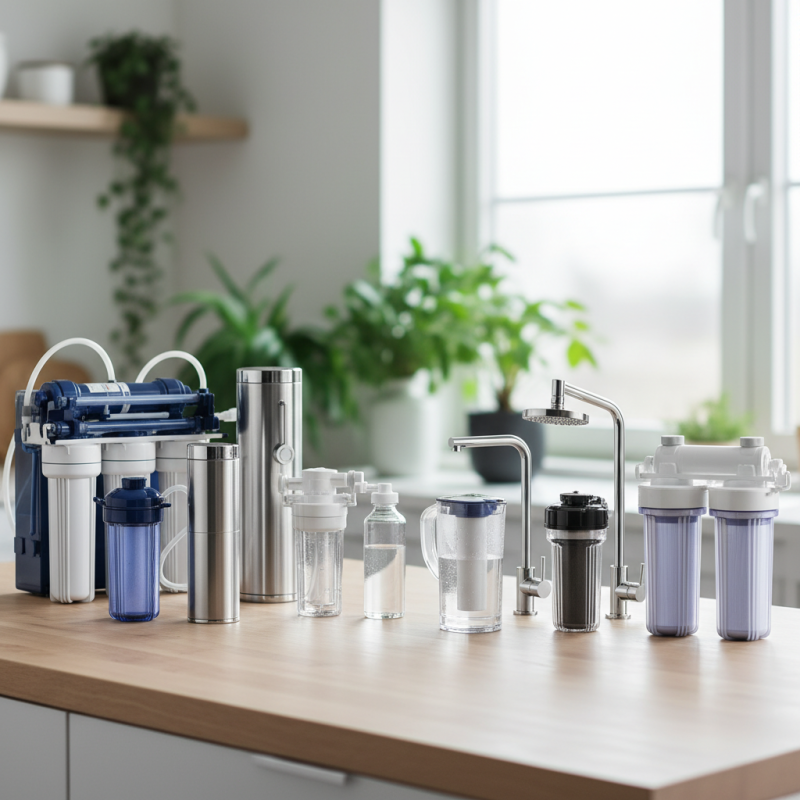
When selecting a home filtration system, understanding the different types is crucial for clean drinking water. Activated carbon filters are widely used. They effectively reduce chlorine and improve taste, but they may not eliminate all pathogens. Next, reverse osmosis systems provide comprehensive filtration. They remove a large variety of contaminants, but wasted water is a common drawback.

Another option is UV filtration, which uses ultraviolet light to kill bacteria and viruses. It's an excellent choice for safety but doesn't filter out chemical pollutants. Water distillers boil water, capturing the steam. This method removes impurities but can be slow and energy-intensive.

Ceramic filters and sediment filters also have their place. Ceramic filters are good for microbiological concerns. However, they may require regular cleaning and replacement. Sediment filters are helpful for particulates but need frequent maintenance. Evaluating your specific needs helps in making the right choice. Each system has strengths and weaknesses, reminding us that perfection may not exist in water filtration.

Key Features to Consider When Choosing a Filtration System

Choosing the right home filtration system can feel overwhelming. First, consider the water quality in your area. The Environmental Protection Agency (EPA) reports that 80% of U.S. water contains contaminants. Identifying specific impurities is crucial. For example, heavy metals like lead and mercury require different filtration methods.

Next, look at the flow rate. Systems with low flow rates can be frustrating. According to a study by the National Sanitation Foundation, effective systems should provide at least 0.5 gallons per minute for convenience. Installation requirements also matter. Some systems need professional installation, while others promise DIY setups.

Capacity is another critical factor. A household's daily water usage varies. A report by the Water Research Foundation suggests that families often consume about 80-100 gallons daily. Ensure your chosen system can handle this volume without frequent filter changes. Be wary, though. More capabilities often mean higher initial costs. Don't overlook maintenance needs. Some systems may require more upkeep, leading to hidden expenses.

Top 10 Recommended Home Filtration Systems for Clean Water

When it comes to ensuring clean water at home, choosing the right filtration system is crucial. Recent studies indicate that nearly 13 million households in the U.S. rely on private wells. These wells may contain contaminants that municipal water systems cannot address. A reliable home filtration system can significantly reduce impurities. For example, activated carbon filters can remove over 70 different contaminants, including chlorine and lead.

Another essential consideration is the system's capacity and efficiency. According to the Water Quality Association, many filters can reduce up to 99% of certain bacteria. Reverse osmosis systems are particularly effective in removing dissolved solids. However, they may waste a significant amount of water during the filtration process. This raises questions about sustainability and efficiency.

Despite available options, some consumers struggle to choose the right system. Limited awareness of local water quality reports compounds this issue. Many homeowners are unaware of their water's specific contaminants. Therefore, conducting regular water tests is vital. It provides insights into what filtration systems would be most beneficial. Understanding local water quality can guide families toward better health.

Top 10 Recommended Home Filtration Systems for Clean Water

Filter Type Filtration Stage Contaminants Removed Flow Rate (GPM) Average Cost ($)
Activated Carbon Filter 1-2 Chlorine, VOCs 1.5 50
Reverse Osmosis System 5-7 Heavy Metals, Bacteria 0.5 300
Ultraviolet Purifier 1 Bacteria, Viruses 3 250
Whole House Filter 3-5 Sediment, Chlorine 7 400
Pitcher Filter 1-2 Chlorine, Lead 0.3 30
Countertop Filter 2-3 Chlorine, Fluoride 2 150
Under-Sink Filter 2-4 Sediment, Chlorine 1.5 200
Ceramic Filter 1-2 Bacteria, Sediment 1 80
Magnetic Water Conditioner N/A Hardness Minerals N/A 120
Water Softener 1 Hardness Minerals 5 500

Maintenance Tips for Ensuring Optimal Performance of Water Filters

Maintaining your home water filtration system is crucial for ensuring access to clean water. Regular maintenance helps maximize the filter's lifespan and efficiency. One essential tip is to check the filter regularly for any debris or buildup. Neglecting this can lead to decreased performance and poor water quality.


Another practical tip is to follow the manufacturer's guidelines for replacement schedules. Many filters have specific timelines for changes. Keeping a calendar reminder can help track when it's time for a replacement. Waiting too long can cause the filter to become saturated, making it less effective.


Don't forget to clean the system components. Some filters could benefit from periodic cleaning. Use a gentle solution to avoid damaging parts. If you notice any unusual noises or changes in water flow, it’s wise to inspect the system closely. Each part plays a role in delivering safe water, and small issues can escalate into larger problems over time.