Contaminant Comparison Chart

For a complete list of contaminants that PUR filters reduce, please view our Performance Data Sheets here.


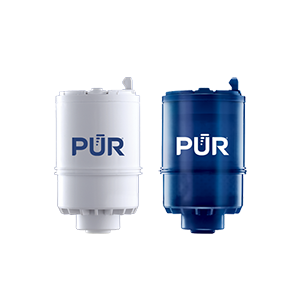
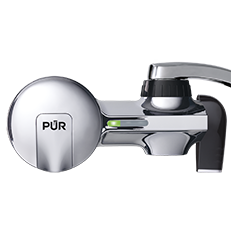
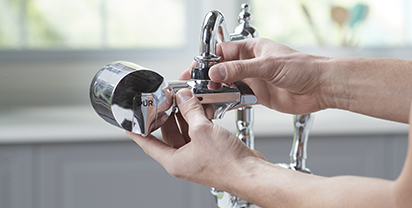
PUR & PUR PLUS FAUCET FILTERS
RF3375/RF9999

View Filters

PUR PLUS PITCHER FILTERS
PPF951K

View Filter

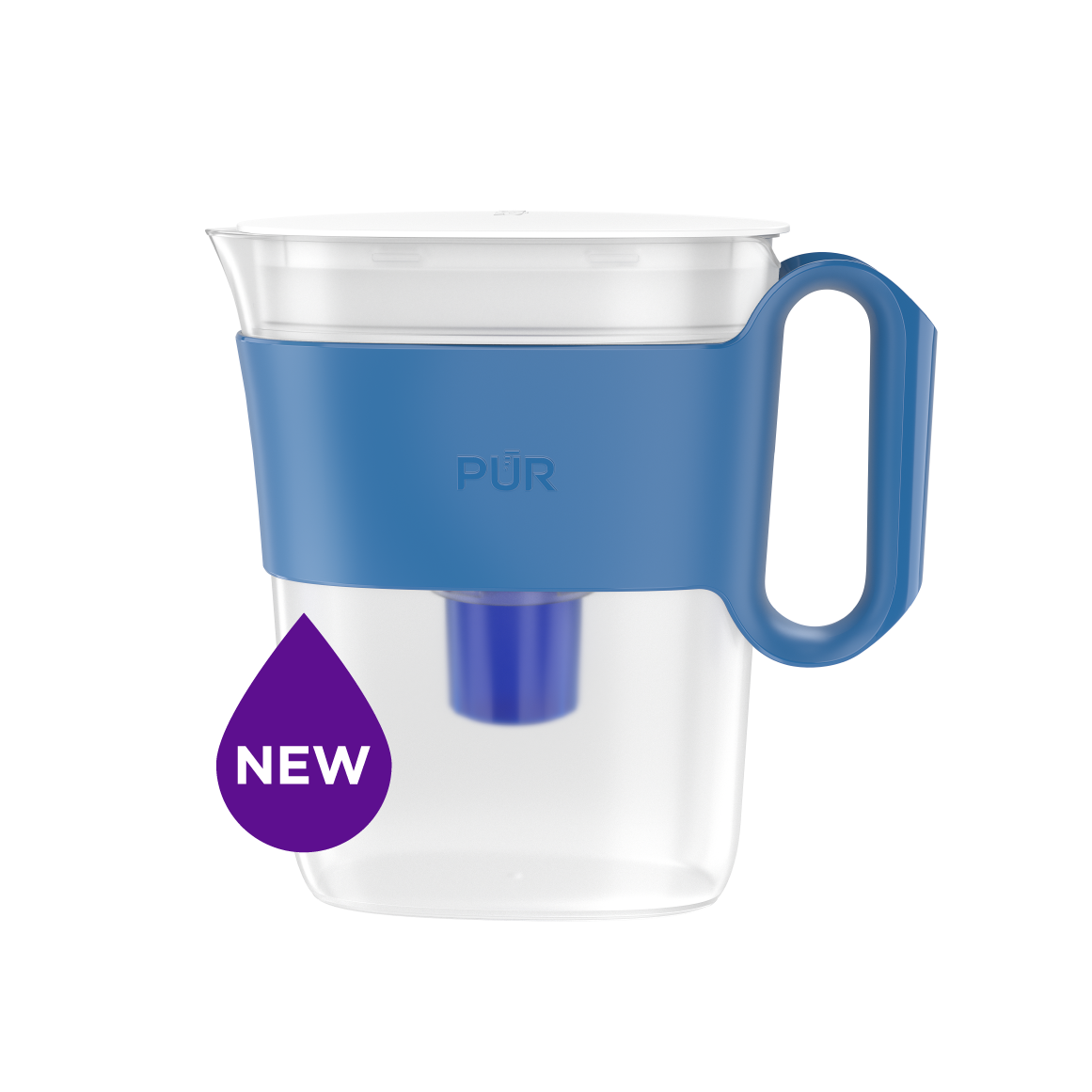
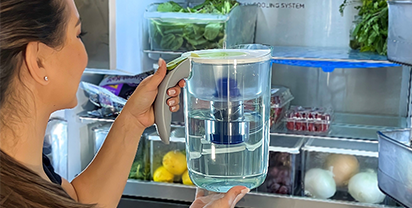
PUR BASIC PITCHER FILTERS
PPF900Z

View Filter


Vs. Brita*

Lead
Microplastics
Mercury
Chlorine Taste & Odor
DEET
TTHM

PUR’s Filtration Systems Are Certified By NSF And WQA For Their Contamination Reduction. WQA certifications as of 5/27/21 for Faucet filter models RF-3375 and RF-9999.

¹ Certified to reduce 10X more chemical and physical substances than Brita’s® leading pitcher filter.
² Certified to reduce 3X more chemical and physical substances than Brita’s® leading pitcher filter.
³ Certified to reduce 2X more chemical and physical substances than Brita’s® leading pitcher filter.
*Versus best-selling Brita® pitcher filter OB03. Brita® is a trademark of Brita LP.
**Like other leading brands, PUR does not filter microbes. As of 3/1/23 Brita® and ZeroWater® were not certified to filter microbes. Brita® is a trademark of Brita LP. ZeroWater® is a trademark of Zero Technologies, LLC..

 

PUR & PUR PLUS FAUCET FILTERS


PUR & PUR PLUS FAUCET FILTERS
RF3375/RF9999

View Filters


Vs. Brita*

Lead
Microplastics
Mercury
Chlorine Taste & Odor
DEET
TTHM

PUR’s Filtration Systems Are Certified By NSF And WQA For Their Contamination Reduction. WQA certifications as of 5/27/21 for Faucet filter models RF-3375 and RF-9999.

¹ Certified to reduce 10X more chemical and physical substances than Brita’s® leading pitcher filter.
² Certified to reduce 3X more chemical and physical substances than Brita’s® leading pitcher filter.
³ Certified to reduce 2X more chemical and physical substances than Brita’s® leading pitcher filter.
*Versus best-selling Brita® pitcher filter OB03. Brita® is a trademark of Brita LP.
**Like other leading brands, PUR does not filter microbes. As of 3/1/23 Brita® and ZeroWater® were not certified to filter microbes. Brita® is a trademark of Brita LP. ZeroWater® is a trademark of Zero Technologies, LLC..
 

PUR PLUS PITCHER FILTERS


PUR PLUS PITCHER FILTERS
PPF951K

View Filter


Vs. Brita*

Lead
Microplastics
Mercury
Chlorine Taste & Odor
DEET
TTHM

PUR’s Filtration Systems Are Certified By NSF And WQA For Their Contamination Reduction. WQA certifications as of 5/27/21 for Faucet filter models RF-3375 and RF-9999.

¹ Certified to reduce 10X more chemical and physical substances than Brita’s® leading pitcher filter.
² Certified to reduce 3X more chemical and physical substances than Brita’s® leading pitcher filter.
³ Certified to reduce 2X more chemical and physical substances than Brita’s® leading pitcher filter.
*Versus best-selling Brita® pitcher filter OB03. Brita® is a trademark of Brita LP.
**Like other leading brands, PUR does not filter microbes. As of 3/1/23 Brita® and ZeroWater® were not certified to filter microbes. Brita® is a trademark of Brita LP. ZeroWater® is a trademark of Zero Technologies, LLC..
 

PUR BASIC PITCHER FILTERS


PUR BASIC PITCHER FILTERS
PPF900Z

View Filter


Vs. Brita*

Lead
Microplastics
Mercury
Chlorine Taste & Odor
DEET
TTHM

PUR’s Filtration Systems Are Certified By NSF And WQA For Their Contamination Reduction. WQA certifications as of 5/27/21 for Faucet filter models RF-3375 and RF-9999.

¹ Certified to reduce 10X more chemical and physical substances than Brita’s® leading pitcher filter.
² Certified to reduce 3X more chemical and physical substances than Brita’s® leading pitcher filter.
³ Certified to reduce 2X more chemical and physical substances than Brita’s® leading pitcher filter.
*Versus best-selling Brita® pitcher filter OB03. Brita® is a trademark of Brita LP.
**Like other leading brands, PUR does not filter microbes. As of 3/1/23 Brita® and ZeroWater® were not certified to filter microbes. Brita® is a trademark of Brita LP. ZeroWater® is a trademark of Zero Technologies, LLC..
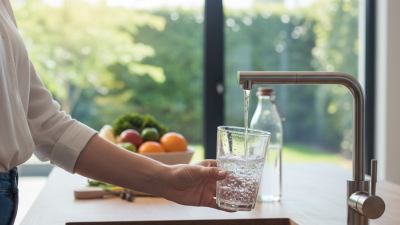
 

Top 10 Home Filtration Systems for Clean Water Solutions?

In today's world, access to clean water is essential for health and well-being. A reliable home filtration system can effectively remove impurities from your water supply. With various options available, choosing the right system can be daunting. It's not just about convenience; it's about safeguarding your family's health.

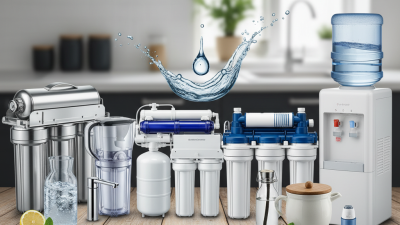
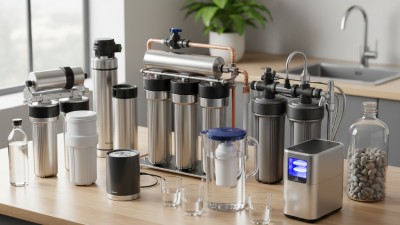
Home filtration systems vary significantly in design and functionality. Some target specific contaminants, while others provide comprehensive filtration. Understanding your household's needs is crucial. For instance, if your water has high chlorine levels, a carbon filter may be best. However, for those concerned about heavy metals, a reverse osmosis system is more appropriate.

Investing in a home filtration system is an important step. It ensures your water is safe and tastes good. Yet, not every system suits every household. Research and expert recommendations are vital. Take the time to analyze your situation. Clean water solutions should not be an afterthought; they are a necessity in modern living.

Top 10 Home Filtration Systems for Clean Water Solutions?

Overview of Home Filtration Systems and Their Importance

Home filtration systems play a crucial role in ensuring safe drinking water. Many households rely on tap water, which may contain impurities. These systems can significantly reduce contaminants. Germs, chlorine, and heavy metals are common issues. A reliable filtration system can be a barrier against these threats.

The importance of clean water cannot be overstated. Studies show that contaminated water causes health problems. People often underestimate this risk. A good filtration system offers peace of mind. Imagine your family drinking fresh, clean water every day. Investing in the right system is an essential choice.

Evaluating options is key. Not every system is suitable for every household. Some systems are complex and difficult to maintain. Regular checks are necessary to ensure effectiveness. Consider the specific needs of your home. Understanding the contaminants in your water supply can guide your decision. A proactive approach to clean water protects your health.

Top 10 Home Filtration Systems for Clean Water Solutions

This bar chart illustrates the filtration efficiency of various home filtration systems. Activated Carbon and Reverse Osmosis systems rank among the highest in terms of efficiency, making them excellent choices for ensuring clean water solutions at home.

Types of Home Water Filtration Technologies Available Today

Home water filtration technologies have evolved significantly in recent years. They address various contaminants effectively. A 2021 report by the Water Quality Association noted that nearly 70% of U.S. households express concern over water quality. This trend has led to increased interest in diverse filtration methods, each with unique benefits and limitations.

Reverse osmosis systems are among the most popular. They can remove up to 95% of common contaminants, including heavy metals and chemicals. However, they tend to waste about three gallons of water for every gallon purified. Activated carbon filters are another option. They excel at improving taste and odor but may not be as effective against microbial pathogens. Understanding the strengths and weaknesses of each system is crucial for making informed choices.

Ultraviolet (UV) disinfection systems offer another layer of protection. They effectively eliminate bacteria and viruses without using chemicals. Despite their effectiveness, they do require electricity and won't remove sediments or chemical pollutants. Constant innovations in filtration technology strive to address limitations, yet questions remain. Are we doing enough to ensure access to clean water for everyone? The answer may lie in our ongoing discussions about filtration technologies.

Criteria for Choosing the Right Filtration System for Your Home

Choosing the right home filtration system is crucial for ensuring clean drinking water. One major factor is the type of contaminants you need to remove. Common issues include chlorine, lead, and bacteria. Understanding your water quality through testing can help you determine the system that best meets your needs.

Another consideration is the filtration method. Options range from activated carbon to reverse osmosis. Each method has its strengths and weaknesses. Some may remove certain contaminants better than others. Evaluating the efficiency of these methods is important. You may discover that a combination of systems is more effective for your household.

The size and flow rate of the system also matter. A smaller system may not meet a larger family’s demands. You might experience low water pressure. If you have limited space, consider compact models that still offer high performance. Finally, maintenance routines can vary significantly. It’s essential to reflect on how often you can perform upkeep. This can impact the long-term reliability of your filtration system.

Top 10 Home Filtration Systems for Clean Water Solutions

Filtration System Type Filtration Method Contaminants Removed Flow Rate (GPM) Price Range
Reverse Osmosis Membrane Filtration Lead, Fluoride, Nitrates 0.5 - 2 $200 - $500
Activated Carbon Adsorption Chlorine, VOCs 1 - 5 $50 - $300
Whole House System Multi-Stage Filtration Sediments, Chlorine 5 - 10 $500 - $1500
Ultraviolet (UV) UV Radiation Bacteria, Viruses 1 - 5 $100 - $300
Ceramic Filter Micro Filtration Bacteria, Sediments 0.3 - 1 $30 - $150
Distillation Evaporation and Condensation Heavy Metals, Microorganisms 0.5 - 1 $100 - $400
Ion Exchange Ion Replacement Hardness Minerals, Heavy Metals 2 - 4 $200 - $800
Pocket Filter Depth Filtration Particulates, Sediments 5 - 20 $50 - $150
Under Sink System Multi-Stage Filtration Chlorine, Lead, VOCs 1 - 3 $150 - $400

Top 10 Recommended Home Filtration Systems: Features and Benefits

Choosing the right home filtration system is crucial for ensuring clean water. Studies show that nearly 70% of households rely on municipal water sources, which can contain contaminants. A quality filtration system can reduce these risks significantly. For instance, activated carbon filters effectively remove chlorine and sediments, providing better taste and safety.

Reverse osmosis systems are popular for their ability to eliminate heavy metals and microorganisms. Reports indicate that they can remove up to 99% of harmful contaminants. While these systems are effective, they can waste some water during filtration. This raises concerns about sustainability, as water conservation becomes essential in many regions.

Other options, like UV light systems, offer an alternative for disinfecting water. They use ultraviolet light to kill bacteria and viruses, offering a chemical-free approach. However, they do not remove physical contaminants. Consumers must weigh the pros and cons of each system based on their specific water needs. Regular maintenance and filter replacement is necessary to keep these systems functioning optimally. Balancing effectiveness and practicality is key in selecting the right solution for clean water.

Maintenance and Care Tips for Home Filtration Systems

Proper maintenance of home filtration systems is crucial for clean water. Regularly check and replace filters according to their lifespan. Some filters require changing every three months, while others last up to a year. Keeping a schedule can help avoid forgetting.

It’s essential to keep an eye on the system's performance. If the water pressure drops, or if the taste changes, something may be wrong. Often, this indicates a clogged filter. Additionally, inspect the system for leaks. Small leaks can lead to larger issues over time, affecting your home and water quality.

Cleaning the system’s components adds to its longevity. Use a soft brush and mild detergent for the exterior. Ensure that no dirt or debris accumulates. Mistakes happen; sometimes, filters are installed improperly. Double-check all connections and fittings. Taking these steps can enhance performance and extend the life of your filtration system. Regular care leads to better water quality and peace of mind.