
Contaminant Comparison Chart

For a complete list of contaminants that PUR filters reduce, please view our Performance Data Sheets here.


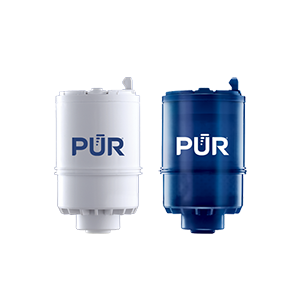
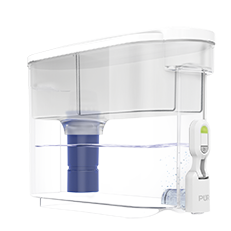
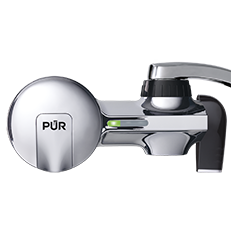
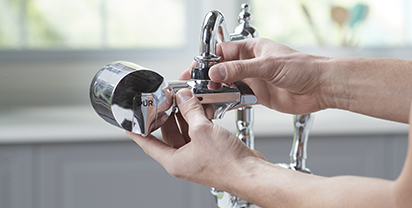
PUR & PUR PLUS FAUCET FILTERS
RF3375/RF9999

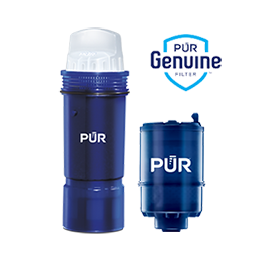
View Filters

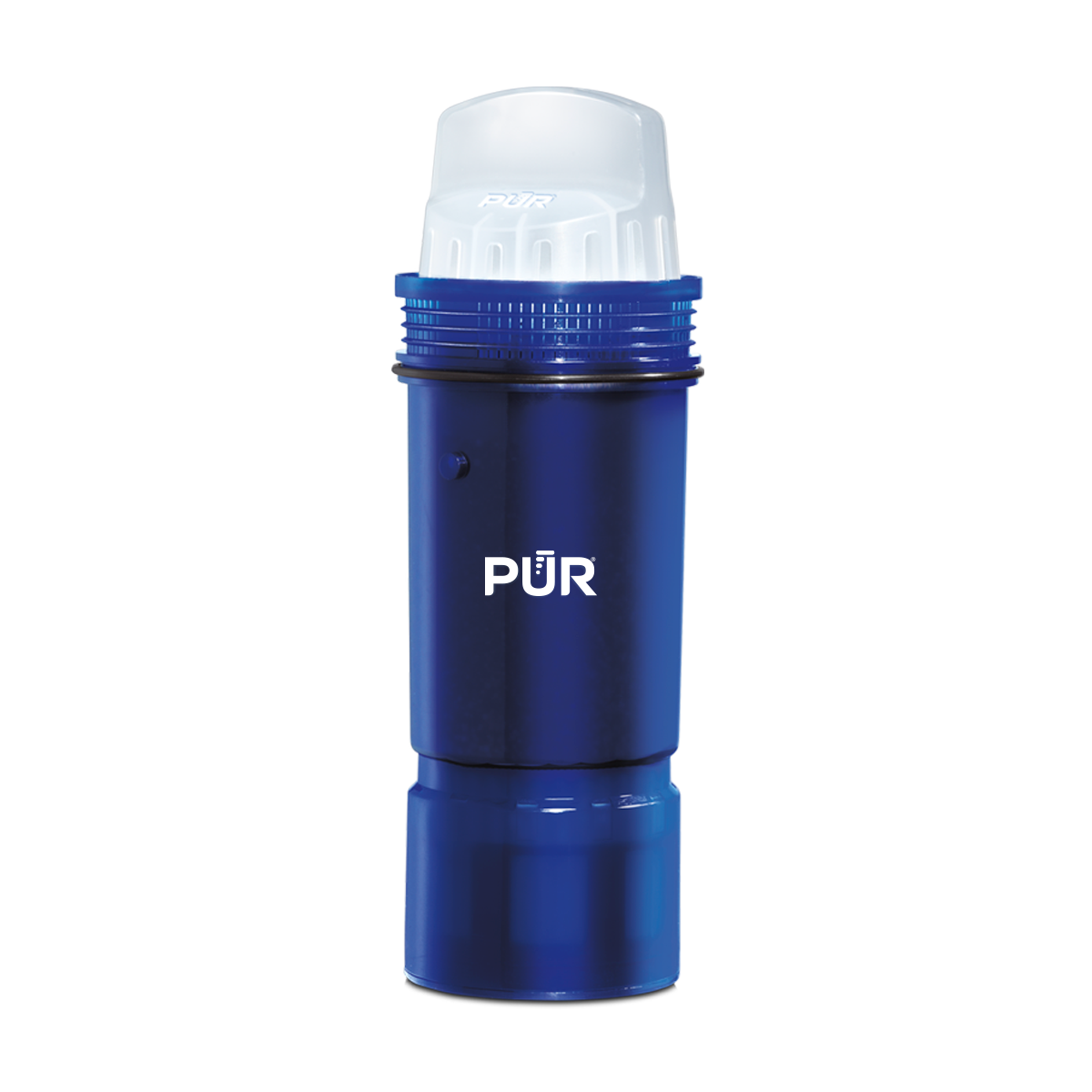
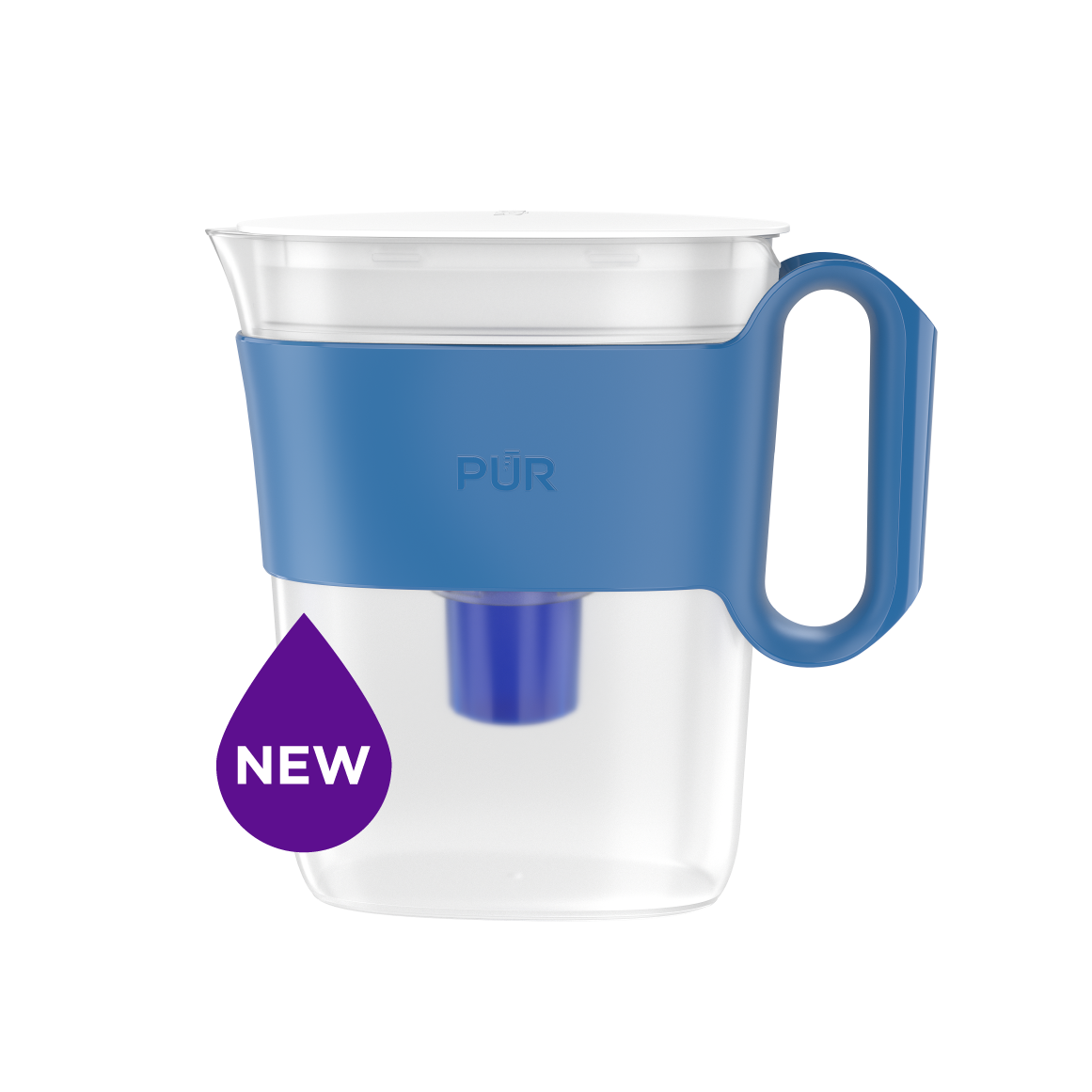
PUR PLUS PITCHER FILTERS
PPF951K

View Filter

PUR BASIC PITCHER FILTERS
PPF900Z

View Filter


Vs. Brita*

Lead
Microplastics
Mercury
Chlorine Taste & Odor
DEET
TTHM

PUR’s Filtration Systems Are Certified By NSF And WQA For Their Contamination Reduction. WQA certifications as of 5/27/21 for Faucet filter models RF-3375 and RF-9999.

¹ Certified to reduce 10X more chemical and physical substances than Brita’s® leading pitcher filter.
² Certified to reduce 3X more chemical and physical substances than Brita’s® leading pitcher filter.
³ Certified to reduce 2X more chemical and physical substances than Brita’s® leading pitcher filter.
*Versus best-selling Brita® pitcher filter OB03. Brita® is a trademark of Brita LP.
**Like other leading brands, PUR does not filter microbes. As of 3/1/23 Brita® and ZeroWater® were not certified to filter microbes. Brita® is a trademark of Brita LP. ZeroWater® is a trademark of Zero Technologies, LLC..
 

PUR & PUR PLUS FAUCET FILTERS


PUR & PUR PLUS FAUCET FILTERS
RF3375/RF9999

View Filters


Vs. Brita*

Lead
Microplastics
Mercury
Chlorine Taste & Odor
DEET
TTHM

PUR’s Filtration Systems Are Certified By NSF And WQA For Their Contamination Reduction. WQA certifications as of 5/27/21 for Faucet filter models RF-3375 and RF-9999.

¹ Certified to reduce 10X more chemical and physical substances than Brita’s® leading pitcher filter.
² Certified to reduce 3X more chemical and physical substances than Brita’s® leading pitcher filter.
³ Certified to reduce 2X more chemical and physical substances than Brita’s® leading pitcher filter.
*Versus best-selling Brita® pitcher filter OB03. Brita® is a trademark of Brita LP.
**Like other leading brands, PUR does not filter microbes. As of 3/1/23 Brita® and ZeroWater® were not certified to filter microbes. Brita® is a trademark of Brita LP. ZeroWater® is a trademark of Zero Technologies, LLC..


PUR PLUS PITCHER FILTERS


PUR PLUS PITCHER FILTERS
PPF951K

View Filter


Vs. Brita*

Lead
Microplastics
Mercury
Chlorine Taste & Odor
DEET
TTHM

PUR’s Filtration Systems Are Certified By NSF And WQA For Their Contamination Reduction. WQA certifications as of 5/27/21 for Faucet filter models RF-3375 and RF-9999.

¹ Certified to reduce 10X more chemical and physical substances than Brita’s® leading pitcher filter.
² Certified to reduce 3X more chemical and physical substances than Brita’s® leading pitcher filter.
³ Certified to reduce 2X more chemical and physical substances than Brita’s® leading pitcher filter.
*Versus best-selling Brita® pitcher filter OB03. Brita® is a trademark of Brita LP.
**Like other leading brands, PUR does not filter microbes. As of 3/1/23 Brita® and ZeroWater® were not certified to filter microbes. Brita® is a trademark of Brita LP. ZeroWater® is a trademark of Zero Technologies, LLC..


PUR BASIC PITCHER FILTERS


PUR BASIC PITCHER FILTERS
PPF900Z

View Filter


Vs. Brita*

Lead
Microplastics
Mercury
Chlorine Taste & Odor
DEET
TTHM

PUR’s Filtration Systems Are Certified By NSF And WQA For Their Contamination Reduction. WQA certifications as of 5/27/21 for Faucet filter models RF-3375 and RF-9999.

¹ Certified to reduce 10X more chemical and physical substances than Brita’s® leading pitcher filter.
² Certified to reduce 3X more chemical and physical substances than Brita’s® leading pitcher filter.
³ Certified to reduce 2X more chemical and physical substances than Brita’s® leading pitcher filter.
*Versus best-selling Brita® pitcher filter OB03. Brita® is a trademark of Brita LP.
**Like other leading brands, PUR does not filter microbes. As of 3/1/23 Brita® and ZeroWater® were not certified to filter microbes. Brita® is a trademark of Brita LP. ZeroWater® is a trademark of Zero Technologies, LLC..


Top Mirror Frame Designs for Global Buyers to Source?

In the ever-evolving world of interior design, Mirror frames have become a staple for enhancing aesthetics. Renowned expert in home decor, Dr. Emily Harrington, notes, "A well-chosen mirror frame can transform an ordinary space into a work of art." This insight emphasizes the importance of selecting the right mirror frame that aligns with personal style and the overall theme of the room.

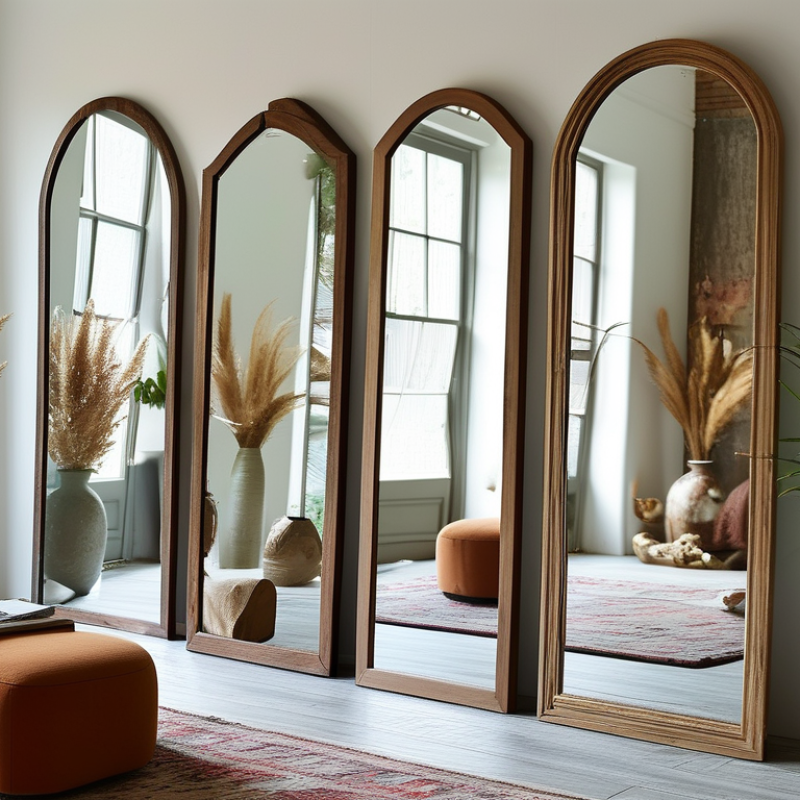
As global buyers navigate the myriad choices available, understanding various mirror frame designs is pivotal. From rustic wood frames to sleek metallic finishes, each design carries its unique charm. However, the overwhelming options can lead to decisions that may not resonate with the intended decor. A critical evaluation is essential to avoid mismatches that detract from the room's overall appeal.

Engaging with different cultural preferences is equally crucial in sourcing mirror frames. Each region brings its own artistic flair and historical context. Grasping these nuances can be challenging. Nevertheless, it can also lead to delightful discoveries. The journey of sourcing mirror frames invites both creativity and careful consideration.

Top Mirror Frame Designs for Global Buyers to Source?

Top Trends in Mirror Frame Designs for 2023: An Overview

The mirror frame design trends for 2023 are showcasing remarkable diversity. According to a recent market report, the global home decor market, including mirrors, is projected to grow by over 5% annually. This growth reflects a rising consumer interest in innovative design and personalization, particularly in mirror frames. Minimalist designs with clean lines are gaining popularity, resonating with consumers seeking tranquility in their spaces.

Natural materials are trending, especially wood and metal. These materials often bring warmth and elegance. In a survey by the American Institute of Interior Designers, 57% of homeowners indicated a preference for eco-friendly products. This preference has led to an uptick in sustainably sourced materials used in mirror frames. It’s essential to stay ahead of these trends while being mindful of environmental impacts.

Colors play a pivotal role too. Neutral hues remain prominent, but bold colors are making a comeback. There’s a noticeable shift towards artistic frames that serve as a statement. While embracing these trends, buyers should reflect on their local markets and preferences. Tracking these shifts is vital for successfully sourcing appealing mirror frames that meet evolving consumer demands.

Materials Used in High-Demand Mirror Frames: Wood, Metal, and Glass

When sourcing mirror frames, the materials used play a crucial role in their appeal. Wood, metal, and glass are the top choices for designers and buyers alike. Each material offers unique advantages and aesthetics. For instance, wooden frames often provide warmth and texture, making them more inviting in home decor. Metal frames, on the other hand, are sleek and modern. They can complement contemporary interiors beautifully. Glass frames create an illusion of spaciousness and are favored for their elegant simplicity.

When selecting materials, consider the context. Wood can warp in humid environments, so it's wise to choose treated options for bathrooms. Metal might scratch easily if not handled carefully, particularly in high-traffic areas. Glass offers a chic look but can be heavy and fragile. It's essential to strike a balance between style and practicality when choosing mirror frames.

Pay attention to the finishes as well. A matte finish on wood can enhance rustic charm, while a polished metal surface gives off a sophisticated vibe. A well-chosen frame can elevate a room’s design. Balance form and function. Remember, the imperfections in craftsmanship can add character. They reflect the journey of making, creating a story behind each piece.

Regional Preferences: Exploring Mirror Frame Styles Across Global Markets

When exploring global mirror frame styles, regional preferences reveal fascinating insights. In North America, rustic designs with reclaimed wood are popular. They evoke a cozy, farmhouse aesthetic. Meanwhile, in Scandinavian countries, minimalism reigns supreme. Simple, sleek frames highlight clean lines and natural materials. This reflects a commitment to functionality and elegance in everyday life.

In Asia, ornate styles can often be found. Intricate carvings and vibrant colors represent cultural heritage and craftsmanship. For many buyers, sourcing these unique mirror frames involves understanding local tastes. Yet, this can be challenging. Varied preferences across regions may not align with global trends.

Sourcing requires a professional approach. Trends shift frequently, and what's popular today may fade tomorrow. Buyers must stay current with styles and materials. They should also consider regional styles when selecting designs. It’s essential to be aware of these differences and adapt accordingly. This makes the sourcing process both rewarding and complex. Each market holds potential, yet it requires careful exploration and respect for individual preferences.

Cost Analysis: Price Ranges for Quality Mirror Frames by Design Type

When it comes to mirror frame designs, cost varies significantly based on style and materials. According to a recent industry report, the price of wooden mirror frames typically ranges from $50 to $500, depending on craftsmanship. More intricate designs, like those featuring carvings or distressed finishes, can push prices higher. Metal frames often start around $30 and can go up to $300, with factors such as thickness and finish influencing the final cost.

While aesthetic appeal is crucial, buyers should also consider durability. A report highlighted that resin frames can be both affordable and stylish, often priced between $25 and $200. However, these may not withstand wear as well as their wooden or metal counterparts. Even so, maintaining a balance between beauty and function remains a challenge for many collectors and retailers alike.

Quality and design complexity play essential roles in mirror frame pricing. Basic designs may appear less costly but could lack visual impact. In contrast, a grand design could initially seem more expensive, yet offer lasting value. Understanding these nuances can empower buyers to make informed decisions that align with both budget and decor needs.

Sourcing Tips for Buyers: Identifying Reliable Manufacturers and Suppliers

Sourcing reliable manufacturers for mirror frames involves diligence. An estimated 30% of buyers face challenges in identifying trustworthy suppliers. This lack of reliability can lead to poor-quality products or unsatisfactory customer service. Establishing criteria for selection is critical.

Some sourcing tips include evaluating manufacturer credentials. Look for certifications, industry experience, and positive reviews. Researching online platforms can also reveal insights from past clients. Many credible suppliers may showcase their portfolios. Visual assessments complement your due diligence.

To ensure long-term partnerships, communicate clearly. Discuss timelines, production capabilities, and quality assurance processes upfront. Transparency fosters trust. It’s also wise to request samples before bulk orders. However, be aware that not all suppliers may meet your expectations. A flexible mindset can lead to unexpected discoveries in craftsmanship or design that you hadn’t considered.

Top Mirror Frame Designs for Global Buyers

This chart illustrates the popularity of various mirror frame designs sourced globally. The data shows the percentage of buyers favoring each design type, providing insights into market trends.

Article Source: