Contaminant Comparison Chart

For a complete list of contaminants that PUR filters reduce, please view our Performance Data Sheets here.


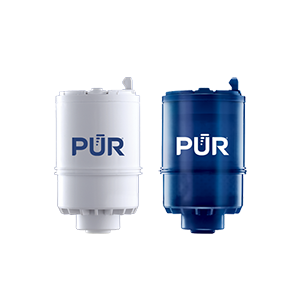
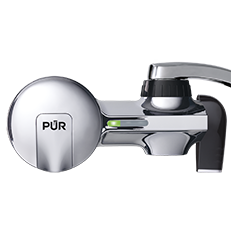
PUR & PUR PLUS FAUCET FILTERS
RF3375/RF9999

View Filters

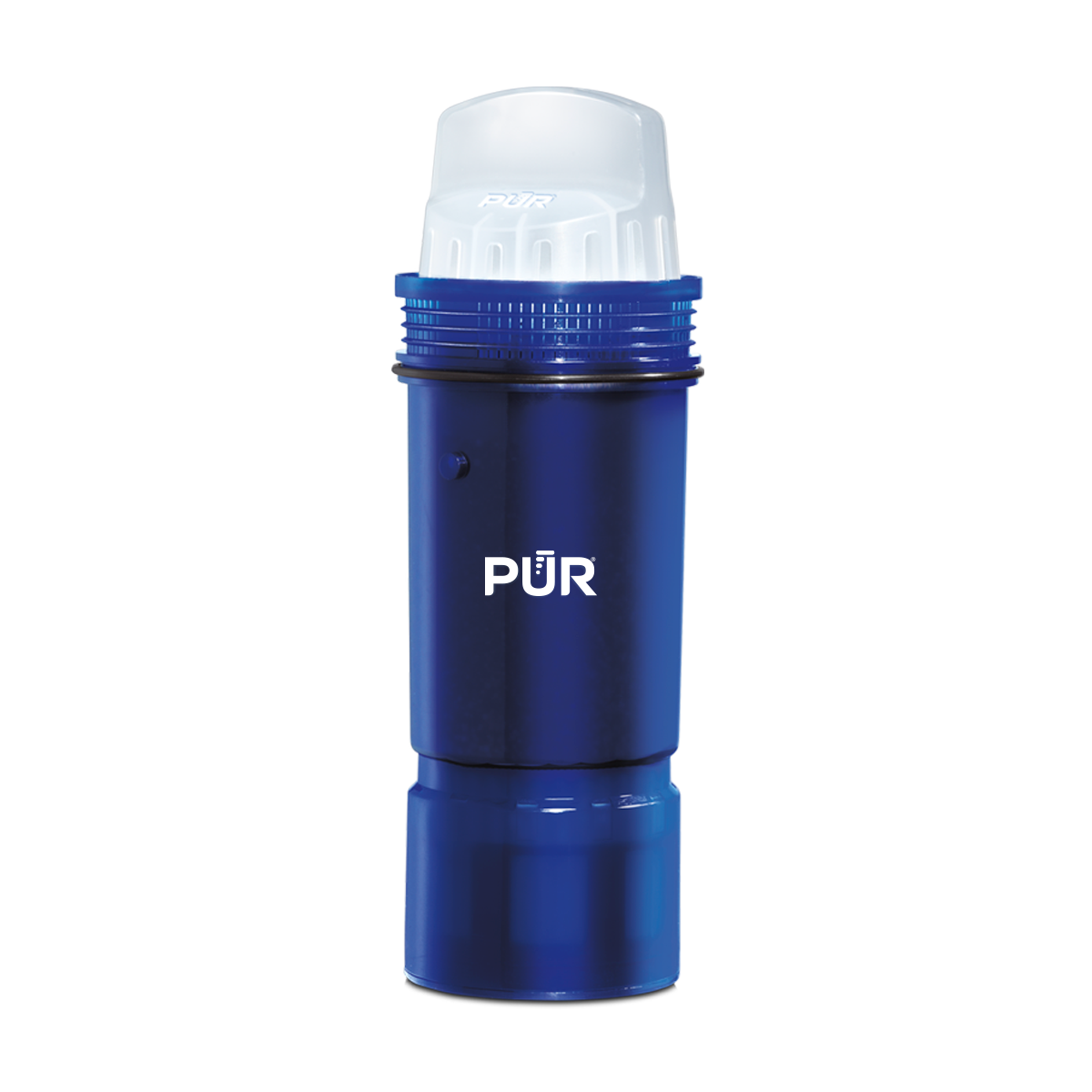
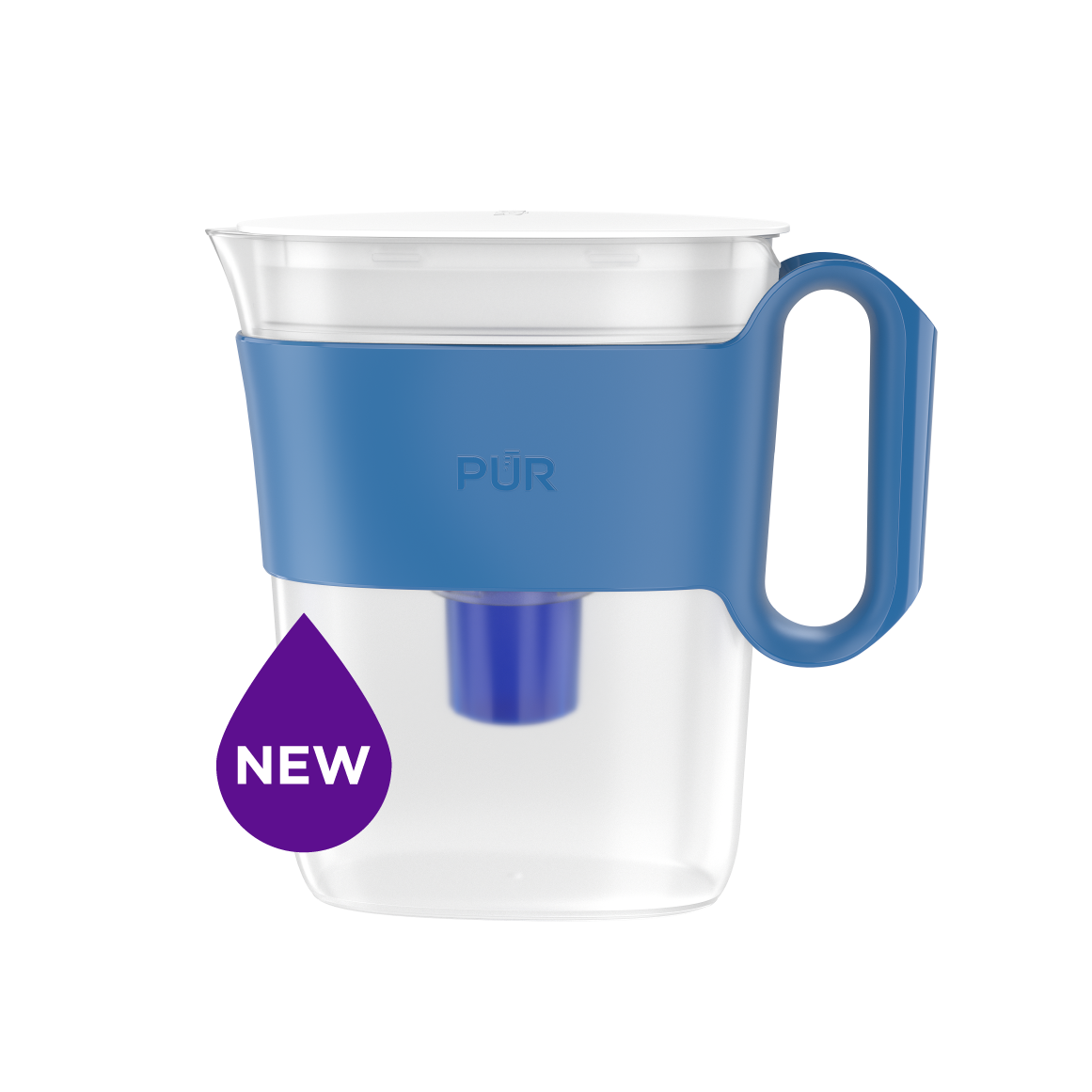
PUR PLUS PITCHER FILTERS
PPF951K

View Filter

PUR BASIC PITCHER FILTERS
PPF900Z

View Filter


Vs. Brita*

Lead
Microplastics
Mercury
Chlorine Taste & Odor
DEET
TTHM

PUR’s Filtration Systems Are Certified By NSF And WQA For Their Contamination Reduction. WQA certifications as of 5/27/21 for Faucet filter models RF-3375 and RF-9999.

¹ Certified to reduce 10X more chemical and physical substances than Brita’s® leading pitcher filter.
² Certified to reduce 3X more chemical and physical substances than Brita’s® leading pitcher filter.
³ Certified to reduce 2X more chemical and physical substances than Brita’s® leading pitcher filter.
*Versus best-selling Brita® pitcher filter OB03. Brita® is a trademark of Brita LP.
**Like other leading brands, PUR does not filter microbes. As of 3/1/23 Brita® and ZeroWater® were not certified to filter microbes. Brita® is a trademark of Brita LP. ZeroWater® is a trademark of Zero Technologies, LLC..
 

PUR & PUR PLUS FAUCET FILTERS


PUR & PUR PLUS FAUCET FILTERS
RF3375/RF9999

View Filters


Vs. Brita*

Lead
Microplastics
Mercury
Chlorine Taste & Odor
DEET
TTHM

PUR’s Filtration Systems Are Certified By NSF And WQA For Their Contamination Reduction. WQA certifications as of 5/27/21 for Faucet filter models RF-3375 and RF-9999.

¹ Certified to reduce 10X more chemical and physical substances than Brita’s® leading pitcher filter.
² Certified to reduce 3X more chemical and physical substances than Brita’s® leading pitcher filter.
³ Certified to reduce 2X more chemical and physical substances than Brita’s® leading pitcher filter.
*Versus best-selling Brita® pitcher filter OB03. Brita® is a trademark of Brita LP.
**Like other leading brands, PUR does not filter microbes. As of 3/1/23 Brita® and ZeroWater® were not certified to filter microbes. Brita® is a trademark of Brita LP. ZeroWater® is a trademark of Zero Technologies, LLC..
 

PUR PLUS PITCHER FILTERS


PUR PLUS PITCHER FILTERS
PPF951K

View Filter


Vs. Brita*

Lead
Microplastics
Mercury
Chlorine Taste & Odor
DEET
TTHM

PUR’s Filtration Systems Are Certified By NSF And WQA For Their Contamination Reduction. WQA certifications as of 5/27/21 for Faucet filter models RF-3375 and RF-9999.

¹ Certified to reduce 10X more chemical and physical substances than Brita’s® leading pitcher filter.
² Certified to reduce 3X more chemical and physical substances than Brita’s® leading pitcher filter.
³ Certified to reduce 2X more chemical and physical substances than Brita’s® leading pitcher filter.
*Versus best-selling Brita® pitcher filter OB03. Brita® is a trademark of Brita LP.
**Like other leading brands, PUR does not filter microbes. As of 3/1/23 Brita® and ZeroWater® were not certified to filter microbes. Brita® is a trademark of Brita LP. ZeroWater® is a trademark of Zero Technologies, LLC..
 

PUR BASIC PITCHER FILTERS


PUR BASIC PITCHER FILTERS
PPF900Z

View Filter


Vs. Brita*

Lead
Microplastics
Mercury
Chlorine Taste & Odor
DEET
TTHM

PUR’s Filtration Systems Are Certified By NSF And WQA For Their Contamination Reduction. WQA certifications as of 5/27/21 for Faucet filter models RF-3375 and RF-9999.

¹ Certified to reduce 10X more chemical and physical substances than Brita’s® leading pitcher filter.
² Certified to reduce 3X more chemical and physical substances than Brita’s® leading pitcher filter.
³ Certified to reduce 2X more chemical and physical substances than Brita’s® leading pitcher filter.
*Versus best-selling Brita® pitcher filter OB03. Brita® is a trademark of Brita LP.
**Like other leading brands, PUR does not filter microbes. As of 3/1/23 Brita® and ZeroWater® were not certified to filter microbes. Brita® is a trademark of Brita LP. ZeroWater® is a trademark of Zero Technologies, LLC..
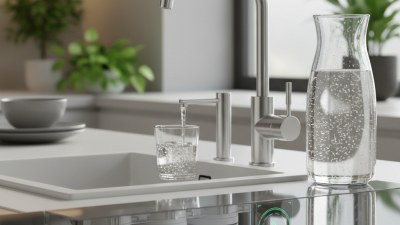
 

Top Water Purifiers for Sink That You Need to Consider?

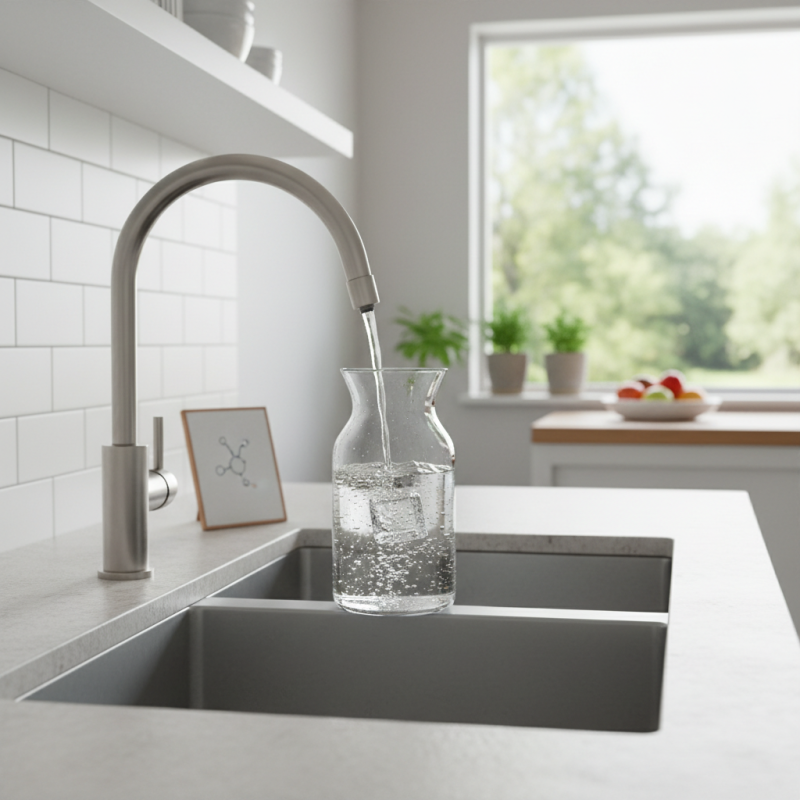
When choosing a water purifier for sink usage, expert David Miller offered insight: "Clean water is vital for health, and choosing the right filter makes a difference." This sentiment rings true as consumers navigate a variety of options available today. A high-quality water purifier for sink can eliminate contaminants and enhance taste, making everyday water consumption healthier.

Many choices exist on the market. Some purifiers utilize advanced filtration systems, while others focus on affordability. However, not all options perform equally. Consumers risk selecting products that may not effectively remove harmful substances. It's crucial to research and consider reviews before making a decision.

Selecting the right water purifier for sink usage can be overwhelming. Each model promises to improve water quality but may fall short in real-life applications. A sound investment in a trusted brand is essential. Understanding what features suit your needs can lead to better hydration and overall well-being.

Top Water Purifiers for Sink That You Need to Consider?

Overview of Water Purification Technologies for Sink Use

Top Water Purifiers for Sink That You Need to Consider?

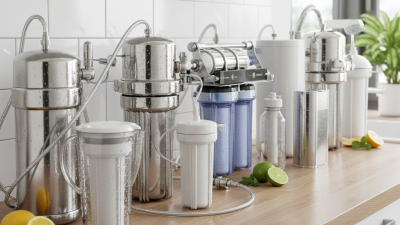
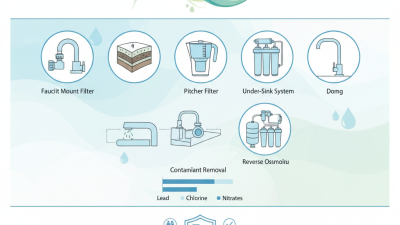
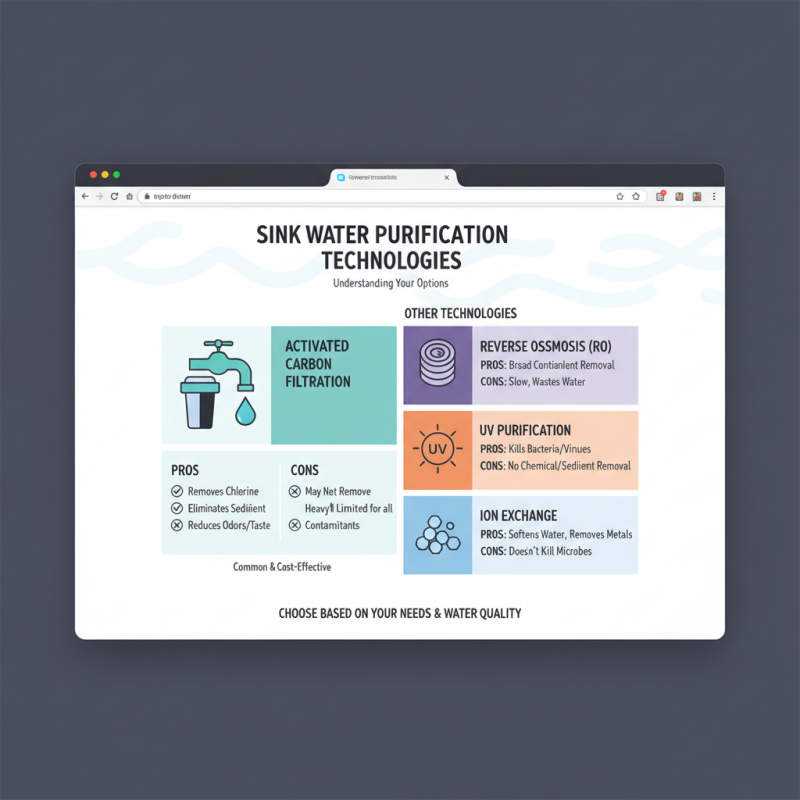
When it comes to water purification for sinks, various technologies can be considered. Each method has its pros and cons. A common choice is activated carbon filtration. This system effectively removes chlorine, sediment, and unpleasant odors. However, it may not eliminate all contaminants, like heavy metals. In some cases, additional filtration may be needed.

Another popular option is reverse osmosis. This technology uses a semi-permeable membrane to filter out impurities. It can remove a wide range of contaminants, including fluoride and lead. However, it generates wastewater during the process, which can be a drawback. It's important to weigh the effectiveness against the waste produced.

Tips: Regularly change filters to maintain water quality. Always check for leaks in the system. Consider the contaminants specific to your water supply. This will impact the choice of purification technology. Reflect on your consumption habits. Make sure you're not over-purifying, leading to unnecessary waste. Choose a solution that fits your needs and lifestyle effectively.

Key Features to Look for in Sink Water Purifiers

When considering sink water purifiers, key features are essential. Look for filtration efficiency. High-quality purifiers remove contaminants effectively. Different filters target varying impurities. Choose a system that suits your water source.

Next, consider the installation and maintenance ease. Some purifiers are easy to install. Others may require professional help. Regular upkeep is crucial. Filter replacements can add to the cost. Make sure it's manageable for you.

Additionally, size matters. Compact models fit in tight spaces. Others may occupy more room. Think about your kitchen layout. Also, check flow rate. A slow flow can be frustrating during use. Balance efficiency and convenience for the best results.

Top Features of Sink Water Purifiers

Comparison of Top Brands and Models for Sink Water Purifiers

When considering sink water purifiers, understanding the key features of top models is crucial. According to a recent industry report, nearly 80% of households are looking for effective filtration solutions. These systems vary in filtration methods, such as reverse osmosis and activated carbon. Each method has its strengths and weaknesses. Reverse osmosis can remove up to 99% of contaminants. However, it requires regular maintenance.

Another aspect to consider is flow rate. High flow rate models can deliver water faster, which is essential for busy kitchens. Some users might overlook this feature when purchasing. It's worth noting that nearly 40% of consumers express dissatisfaction with slower systems. Furthermore, water taste and filter lifespan are often overlooked factors. Taste can significantly impact drinking water preference, while filters should ideally last several months.

Recent findings suggest that installation difficulty is a barrier for many consumers. Approximately 25% of users claimed they struggled with installation. Meanwhile, the aesthetics of sink purifiers can clash with kitchen decor. Some models come in sleek designs, while others are bulky. This inconsistency can lead to buyer's remorse. Therefore, researching multiple models is essential to find the right balance.

Top Water Purifiers for Sink That You Need to Consider

Model Filtration Technology Filter Life (Months) Flow Rate (GPM) Contaminants Reduced Price Range
Model A Reverse Osmosis 12 0.5 99% lead, chlorine, and fluoride $199 - $249
Model B Activated Carbon 6 1.0 Chlorine, sediment, and VOCs $89 - $129
Model C UV Filter 12 0.7 Bacteria, viruses, and parasites $150 - $199
Model D Multi-Stage Filtration 8 0.6 Heavy metals, chlorine, and pesticides $120 - $156

Installation Requirements and Maintenance Tips for Sink Purifiers

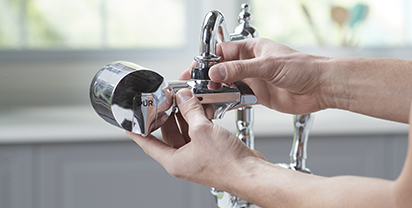
When choosing a sink water purifier, installation requirements vary. Some systems require drilling. Others rely on existing faucet holes. Read the instruction manual carefully. Ensure you have all necessary tools. This might include wrenches and screwdrivers. The installation can be straightforward, yet mistakes happen. Misalignment can lead to leaks. Double-check every connection.

Regular maintenance is essential for optimal performance. Replace filters as recommended. Some filters last only six months. Others may work for a year. Clogged filters affect water taste and quality. It’s an easy step to overlook. Keeping the unit clean can prevent mold buildup. Wipe down surfaces regularly.

Always listen for unusual noises. This could signal a problem. Stay proactive and monitor your system closely.

Health Benefits of Using a Sink Water Purifier

Top Water Purifiers for Sink That You Need to Consider?

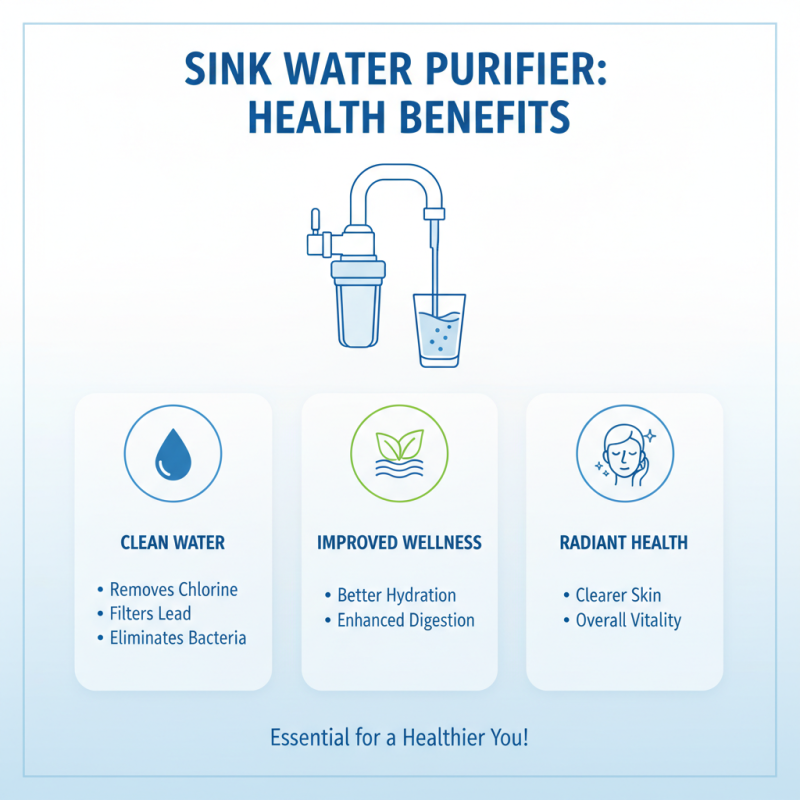
Using a sink water purifier has many health benefits. Clean water is essential for maintaining good health. A water purifier can remove harmful contaminants. This includes chlorine, lead, and bacteria. Regular consumption of purified water can lead to better hydration. It can also improve digestion and enhance skin health.

Investing in a purifier is a choice worth considering. It can reduce the risk of waterborne diseases. Yet, there are choices to make in selecting the right system. Some purifiers use filters that require frequent changes. Others might not remove all contaminants effectively. Understanding how each system works is vital.

People often overlook the importance of water quality. Tap water may look clear, but that doesn’t mean it’s safe. Many don’t realize the hidden dangers. Contaminants can affect long-term health. A reliable sink water purifier can be a proactive step for families. It’s about making informed choices for better wellness. Be sure to evaluate options carefully. Water is essential, and purity matters.