Contaminant Comparison Chart

For a complete list of contaminants that PUR filters reduce, please view our Performance Data Sheets here.


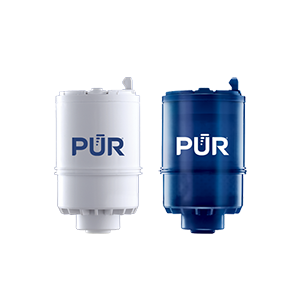
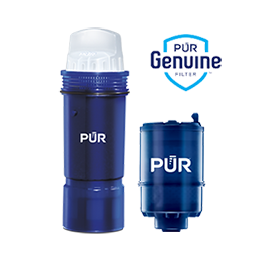
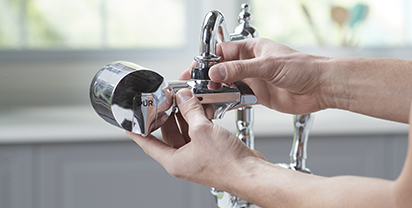
PUR & PUR PLUS FAUCET FILTERS
RF3375/RF9999

View Filters

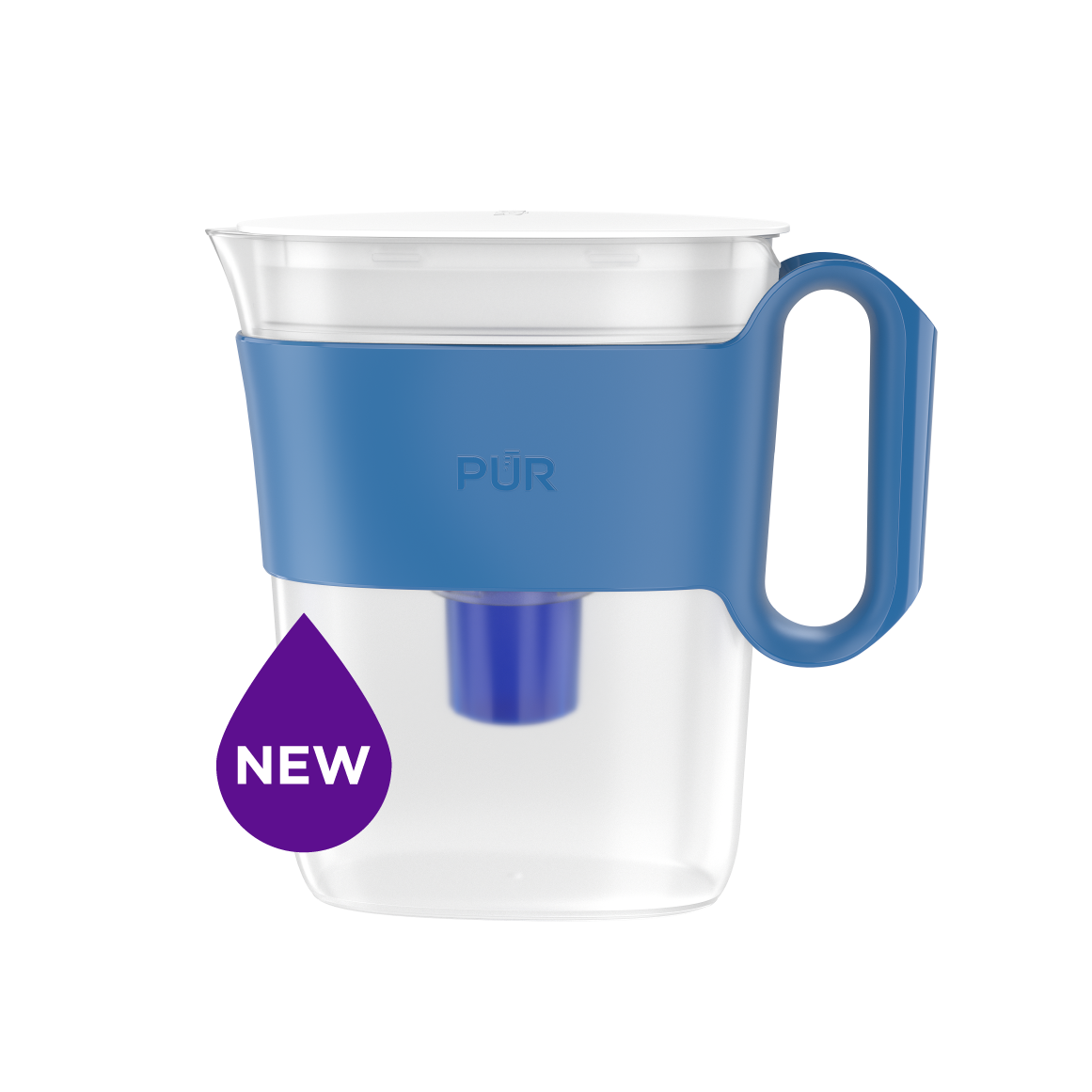
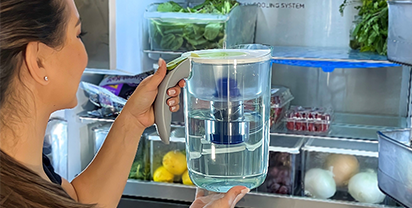
PUR PLUS PITCHER FILTERS
PPF951K

View Filter

PUR BASIC PITCHER FILTERS
PPF900Z

View Filter


Vs. Brita*

Lead
Microplastics
Mercury
Chlorine Taste & Odor
DEET
TTHM

PUR’s Filtration Systems Are Certified By NSF And WQA For Their Contamination Reduction. WQA certifications as of 5/27/21 for Faucet filter models RF-3375 and RF-9999.

¹ Certified to reduce 10X more chemical and physical substances than Brita’s® leading pitcher filter.
² Certified to reduce 3X more chemical and physical substances than Brita’s® leading pitcher filter.
³ Certified to reduce 2X more chemical and physical substances than Brita’s® leading pitcher filter.
*Versus best-selling Brita® pitcher filter OB03. Brita® is a trademark of Brita LP.
**Like other leading brands, PUR does not filter microbes. As of 3/1/23 Brita® and ZeroWater® were not certified to filter microbes. Brita® is a trademark of Brita LP. ZeroWater® is a trademark of Zero Technologies, LLC..
 

PUR & PUR PLUS FAUCET FILTERS


PUR & PUR PLUS FAUCET FILTERS
RF3375/RF9999

View Filters


Vs. Brita*

Lead
Microplastics
Mercury
Chlorine Taste & Odor
DEET
TTHM

PUR’s Filtration Systems Are Certified By NSF And WQA For Their Contamination Reduction. WQA certifications as of 5/27/21 for Faucet filter models RF-3375 and RF-9999.

¹ Certified to reduce 10X more chemical and physical substances than Brita’s® leading pitcher filter.
² Certified to reduce 3X more chemical and physical substances than Brita’s® leading pitcher filter.
³ Certified to reduce 2X more chemical and physical substances than Brita’s® leading pitcher filter.
*Versus best-selling Brita® pitcher filter OB03. Brita® is a trademark of Brita LP.
**Like other leading brands, PUR does not filter microbes. As of 3/1/23 Brita® and ZeroWater® were not certified to filter microbes. Brita® is a trademark of Brita LP. ZeroWater® is a trademark of Zero Technologies, LLC..
 

PUR PLUS PITCHER FILTERS


PUR PLUS PITCHER FILTERS
PPF951K

View Filter


Vs. Brita*

Lead
Microplastics
Mercury
Chlorine Taste & Odor
DEET
TTHM

PUR’s Filtration Systems Are Certified By NSF And WQA For Their Contamination Reduction. WQA certifications as of 5/27/21 for Faucet filter models RF-3375 and RF-9999.

¹ Certified to reduce 10X more chemical and physical substances than Brita’s® leading pitcher filter.
² Certified to reduce 3X more chemical and physical substances than Brita’s® leading pitcher filter.
³ Certified to reduce 2X more chemical and physical substances than Brita’s® leading pitcher filter.
*Versus best-selling Brita® pitcher filter OB03. Brita® is a trademark of Brita LP.
**Like other leading brands, PUR does not filter microbes. As of 3/1/23 Brita® and ZeroWater® were not certified to filter microbes. Brita® is a trademark of Brita LP. ZeroWater® is a trademark of Zero Technologies, LLC..
 

PUR BASIC PITCHER FILTERS


PUR BASIC PITCHER FILTERS
PPF900Z

View Filter


Vs. Brita*

Lead
Microplastics
Mercury
Chlorine Taste & Odor
DEET
TTHM

PUR’s Filtration Systems Are Certified By NSF And WQA For Their Contamination Reduction. WQA certifications as of 5/27/21 for Faucet filter models RF-3375 and RF-9999.

¹ Certified to reduce 10X more chemical and physical substances than Brita’s® leading pitcher filter.
² Certified to reduce 3X more chemical and physical substances than Brita’s® leading pitcher filter.
³ Certified to reduce 2X more chemical and physical substances than Brita’s® leading pitcher filter.
*Versus best-selling Brita® pitcher filter OB03. Brita® is a trademark of Brita LP.
**Like other leading brands, PUR does not filter microbes. As of 3/1/23 Brita® and ZeroWater® were not certified to filter microbes. Brita® is a trademark of Brita LP. ZeroWater® is a trademark of Zero Technologies, LLC..
 

Top 10 Water Filter Systems for Clean and Safe Drinking Water?

Access to clean water is vital for health. A poor water filter system can lead to serious health issues. According to the World Health Organization, contaminated water can cause diseases in over 2 billion people globally. Many households overlook this critical aspect of daily life.

The demand for effective water filter systems has surged. In the U.S. alone, the water filter market is projected to reach $2 billion by 2025. Consumers want peace of mind regarding water cleanliness. Key contaminants include lead, chlorine, and bacteria. Reports indicate that nearly 27 million Americans have drinking water that does not meet safety standards.

Choosing the right water filter system is essential. However, many individuals still struggle with decisions. Some systems can be complicated and difficult to maintain. Consumers often need more awareness of their options. Making informed choices can provide a significant impact on health and well-being.

Top 10 Water Filter Systems for Clean and Safe Drinking Water?

Introduction to Water Filter Systems and Their Importance

Water filter systems play a crucial role in ensuring our drinking water is clean and safe. Contaminated water can carry harmful substances. Many people overlook the quality of their tap water. This can lead to serious health risks. A reliable water filter can remove toxins, heavy metals, and bacteria. It can transform questionable water into something refreshing and safe.

Different types of water filter systems exist, each with unique features. Some are simple pitchers, while others are complex installations. The effectiveness of these systems varies widely. Not every filter removes all contaminants. It's essential to understand what you're filtering out. Misunderstanding this can leave you exposed to hazards. Practical assessments often reveal gaps in knowledge. Regular maintenance and filter changes are critical. Many users fail to do this, unknowingly compromising their water quality. Reflecting on your current water source can spark necessary change.

Types of Water Contaminants and Their Health Risks

Water contamination is a serious issue today. Many households unknowingly consume water tainted with harmful substances. These contaminants include bacteria, heavy metals, and chemicals. Each type poses unique health risks. For instance, lead can affect brain development in children. Even small amounts are dangerous.

Bacteria are another major concern. They can cause gastrointestinal issues and other serious illnesses. Contaminated water may also contain pesticides. Long-term exposure can lead to severe health issues. This includes cancers and reproductive problems. It is essential to be aware of what lurks in your drinking water.

Using a water filter system helps mitigate these risks. However, not all filters are created equal. It's vital to choose one that specifically targets your local contaminants. Regular testing of your water source is crucial. Many forget to do this, leading to unnecessary exposure. Keeping track of water quality can help ensure your family's safety. It's a process, and improvement can take time.

Top 10 Water Filter Systems for Clean and Safe Drinking Water

Filter Type Removal Efficiency (%) Common Contaminants Removed Health Risks of Contaminants
Activated Carbon Filter 80% Chlorine, VOCs, Taste and Odor Skin irritation, respiratory issues
Reverse Osmosis System 95% Lead, Arsenic, Fluoride Neurological issues, developmental harm
UV Water Purifier 99.9% Bacteria, Viruses Waterborne diseases, gastrointestinal issues
Ceramic Filter 99% Bacteria, Sediment Infection, clogging of intestines
Ion Exchange Filter 90% Hardness minerals, Heavy metals Kidney stones, high blood pressure
Whole House Filter 85% Sediment, Chlorine, Dirt Respiratory issues, skin irritation
BPA-Free Filter 75% BPA, Hormones Hormonal disruption, cancer risk
Inline Water Filter 70% Chlorine, Sediment Digestive issues, skin problems
Pitcher Filter 60% Chlorine, Mercury Neurological issues, kidney damage
Water Distiller 98% Heavy metals, Bacteria Severe health risks, chronic illness

Key Features to Consider When Choosing a Water Filter System

Top 10 Water Filter Systems for Clean and Safe Drinking Water?

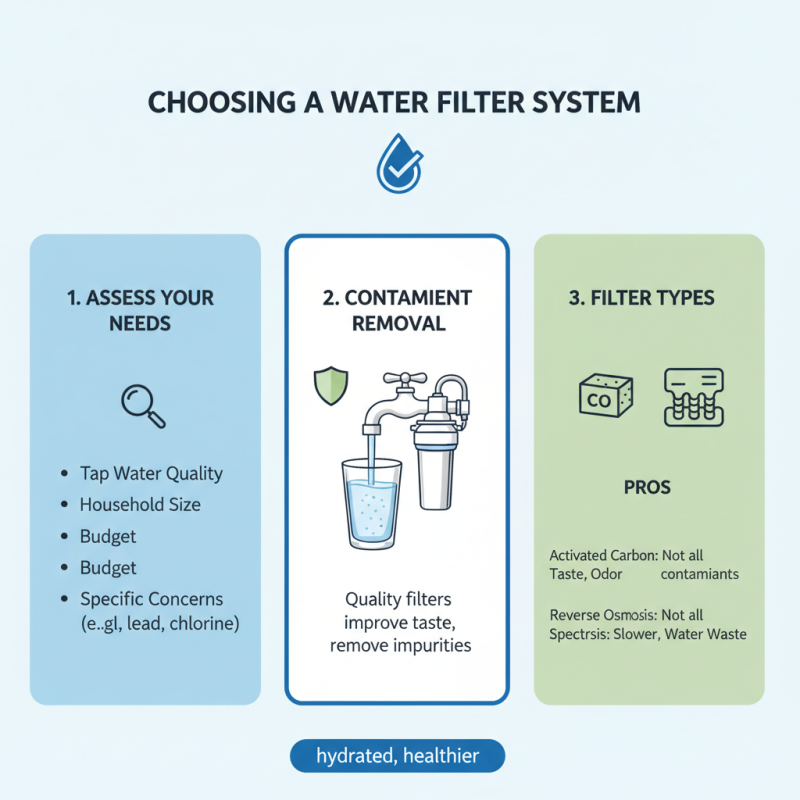
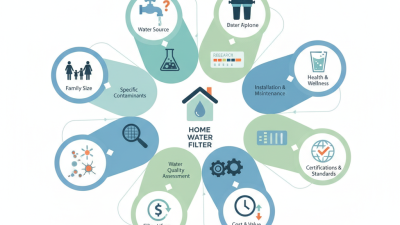
Choosing the right water filter system is crucial for clean drinking water. One key feature to consider is the type of filtration. Some systems use activated carbon. Others rely on reverse osmosis. Each method has unique advantages. Understanding these differences helps in making an informed choice.

Another important aspect is the filtration capacity. Some filters handle large volumes of water, which is great for families. Others are more suited for individuals. Think about your daily water consumption. Filter lifespan is also vital. Shorter lifespans mean more frequent replacements, leading to higher costs over time.

Look for ease of installation and maintenance too. Complicated systems can discourage regular use. A user-friendly design makes it easier to keep clean. Finally, consider the certifications. Not all filters meet safety standards. Researching these factors can help identify reliable options for your needs.

Top 10 Water Filter Systems: Reviews and Comparisons

Top 10 Water Filter Systems for Clean and Safe Drinking Water?

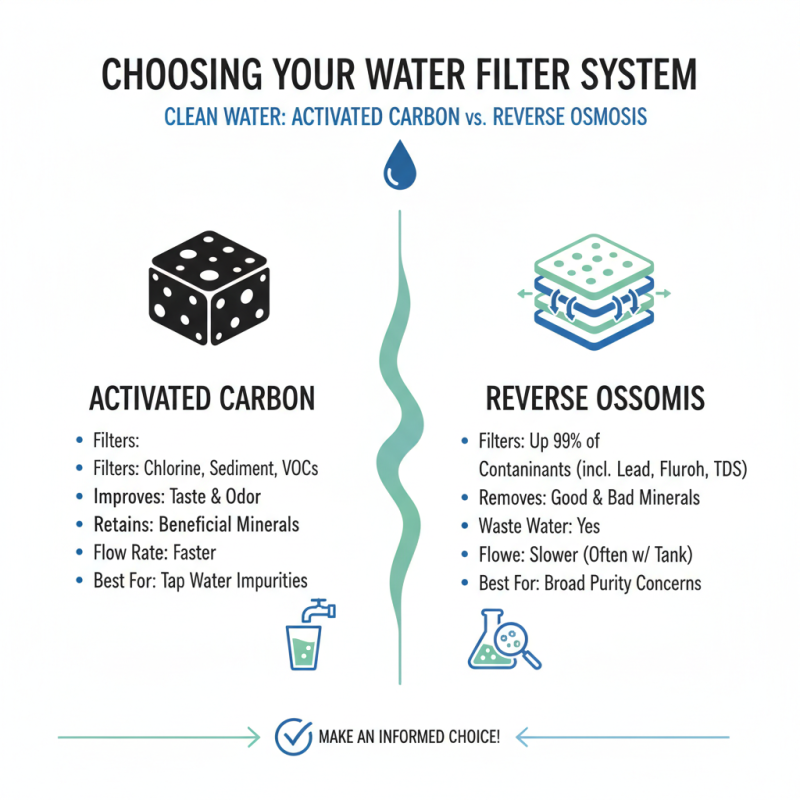
When choosing a water filter system, consider your specific needs. A quality filter removes contaminants from tap water. There are different types available, like activated carbon and reverse osmosis. Each system has its benefits and drawbacks.

Tips: Always check the filter’s lifespan. This can save money in the long run. Regular maintenance is essential. Neglecting it can lead to reduced effectiveness.

Pricing varies widely among systems. While some may seem affordable, hidden costs can arise. Replacement filters can add to your overall expense. It’s wise to factor this into your budget before making a choice.

Tips: Look for user reviews online. They often reveal details that specs don’t. Real experiences can guide you to a more informed decision. Remember, what works for others may not suit you. Test various systems if possible. Your comfort with water quality matters.

Installation and Maintenance Tips for Water Filter Systems

Installing a water filter system can seem daunting. Start by reading the instructions carefully. Most systems come with a guideline manual. Make sure to have the necessary tools ready. Common tools include pliers, screwdrivers, and wrenches. Check for leaks after installation. A small drip can lead to bigger issues later.

Maintenance is key for longevity. Replace filters as needed. Many systems have a filter change indicator. Clean the system regularly to prevent buildup. It's essential to follow the routine maintenance schedule. Some users forget this step. Ignoring it can compromise water quality.

Monitor the water quality periodically. Conduct simple tests at home. Changes in taste or odor can indicate problems. If you notice any, consider checking your system. Often, a little attention can solve bigger issues down the line. Regular upkeep is worth the effort for clean drinking water.

Top 10 Water Filter Systems: Performance Comparison

This chart displays the filtration performance of the top 10 water filter systems based on the reduction of common contaminants, measured in percentage. The data reflects the effectiveness of these systems in providing clean and safe drinking water.