Contaminant Comparison Chart

For a complete list of contaminants that PUR filters reduce, please view our Performance Data Sheets here.


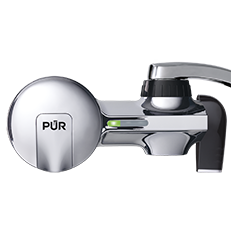
PUR & PUR PLUS FAUCET FILTERS
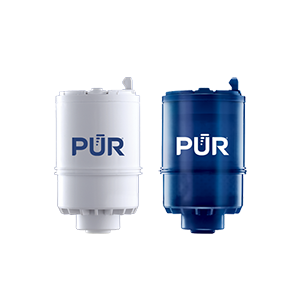
RF3375/RF9999

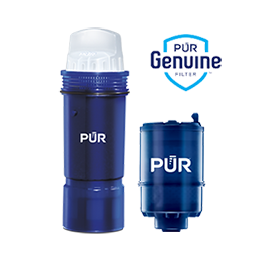
View Filters

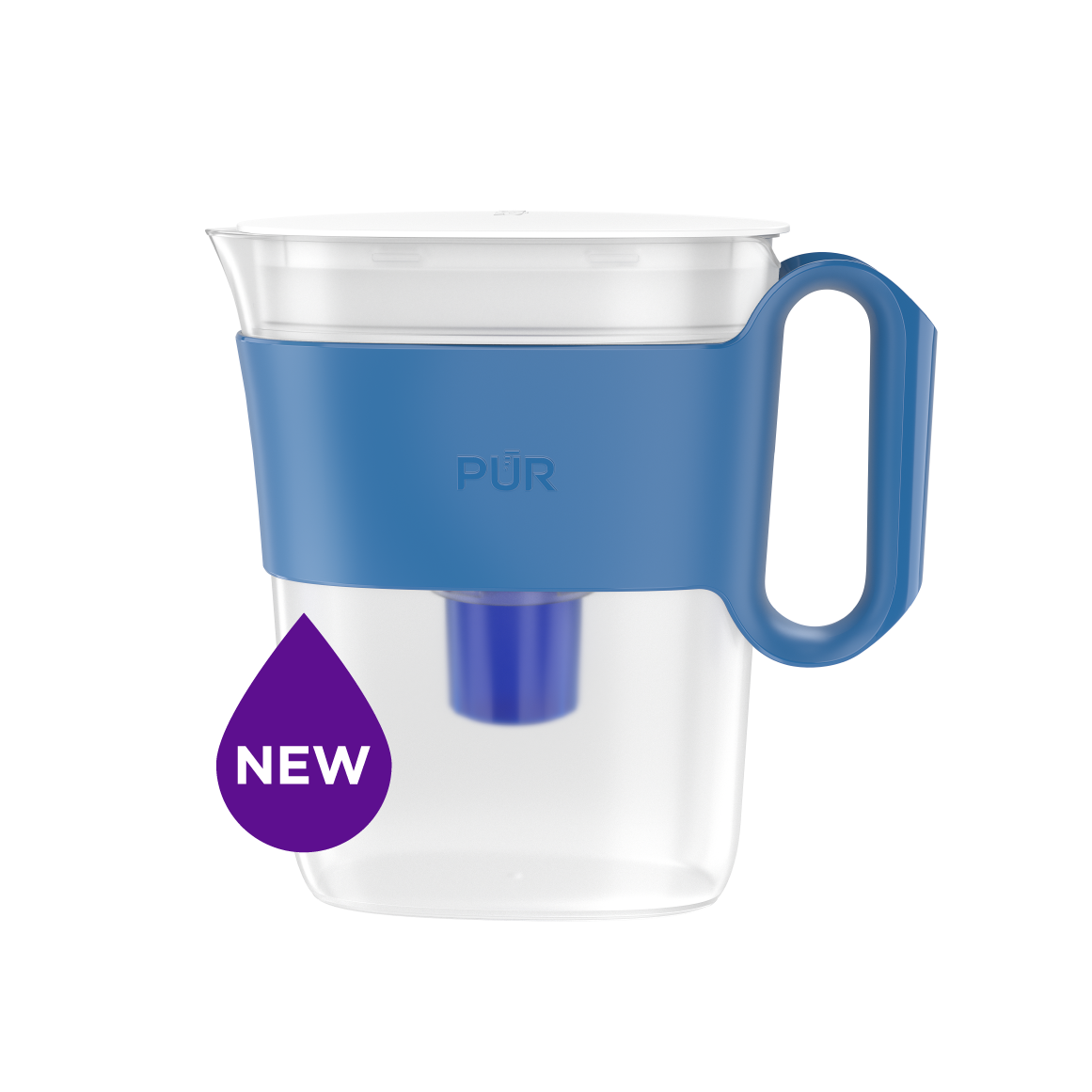
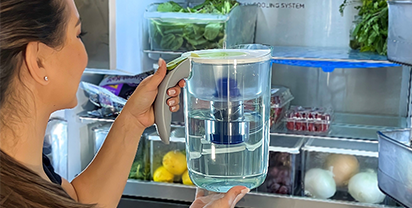
PUR PLUS PITCHER FILTERS
PPF951K

View Filter

PUR BASIC PITCHER FILTERS
PPF900Z

View Filter


Vs. Brita*

Lead
Microplastics
Mercury
Chlorine Taste & Odor
DEET
TTHM

PUR’s Filtration Systems Are Certified By NSF And WQA For Their Contamination Reduction. WQA certifications as of 5/27/21 for Faucet filter models RF-3375 and RF-9999.

¹ Certified to reduce 10X more chemical and physical substances than Brita’s® leading pitcher filter.
² Certified to reduce 3X more chemical and physical substances than Brita’s® leading pitcher filter.
³ Certified to reduce 2X more chemical and physical substances than Brita’s® leading pitcher filter.
*Versus best-selling Brita® pitcher filter OB03. Brita® is a trademark of Brita LP.
**Like other leading brands, PUR does not filter microbes. As of 3/1/23 Brita® and ZeroWater® were not certified to filter microbes. Brita® is a trademark of Brita LP. ZeroWater® is a trademark of Zero Technologies, LLC..
 

PUR & PUR PLUS FAUCET FILTERS


PUR & PUR PLUS FAUCET FILTERS
RF3375/RF9999

View Filters


Vs. Brita*

Lead
Microplastics
Mercury
Chlorine Taste & Odor
DEET
TTHM

PUR’s Filtration Systems Are Certified By NSF And WQA For Their Contamination Reduction. WQA certifications as of 5/27/21 for Faucet filter models RF-3375 and RF-9999.

¹ Certified to reduce 10X more chemical and physical substances than Brita’s® leading pitcher filter.
² Certified to reduce 3X more chemical and physical substances than Brita’s® leading pitcher filter.
³ Certified to reduce 2X more chemical and physical substances than Brita’s® leading pitcher filter.
*Versus best-selling Brita® pitcher filter OB03. Brita® is a trademark of Brita LP.
**Like other leading brands, PUR does not filter microbes. As of 3/1/23 Brita® and ZeroWater® were not certified to filter microbes. Brita® is a trademark of Brita LP. ZeroWater® is a trademark of Zero Technologies, LLC..
 

PUR PLUS PITCHER FILTERS


PUR PLUS PITCHER FILTERS
PPF951K

View Filter


Vs. Brita*

Lead
Microplastics
Mercury
Chlorine Taste & Odor
DEET
TTHM

PUR’s Filtration Systems Are Certified By NSF And WQA For Their Contamination Reduction. WQA certifications as of 5/27/21 for Faucet filter models RF-3375 and RF-9999.

¹ Certified to reduce 10X more chemical and physical substances than Brita’s® leading pitcher filter.
² Certified to reduce 3X more chemical and physical substances than Brita’s® leading pitcher filter.
³ Certified to reduce 2X more chemical and physical substances than Brita’s® leading pitcher filter.
*Versus best-selling Brita® pitcher filter OB03. Brita® is a trademark of Brita LP.
**Like other leading brands, PUR does not filter microbes. As of 3/1/23 Brita® and ZeroWater® were not certified to filter microbes. Brita® is a trademark of Brita LP. ZeroWater® is a trademark of Zero Technologies, LLC..
 

PUR BASIC PITCHER FILTERS


PUR BASIC PITCHER FILTERS
PPF900Z

View Filter


Vs. Brita*

Lead
Microplastics
Mercury
Chlorine Taste & Odor
DEET
TTHM

PUR’s Filtration Systems Are Certified By NSF And WQA For Their Contamination Reduction. WQA certifications as of 5/27/21 for Faucet filter models RF-3375 and RF-9999.

¹ Certified to reduce 10X more chemical and physical substances than Brita’s® leading pitcher filter.
² Certified to reduce 3X more chemical and physical substances than Brita’s® leading pitcher filter.
³ Certified to reduce 2X more chemical and physical substances than Brita’s® leading pitcher filter.
*Versus best-selling Brita® pitcher filter OB03. Brita® is a trademark of Brita LP.
**Like other leading brands, PUR does not filter microbes. As of 3/1/23 Brita® and ZeroWater® were not certified to filter microbes. Brita® is a trademark of Brita LP. ZeroWater® is a trademark of Zero Technologies, LLC..
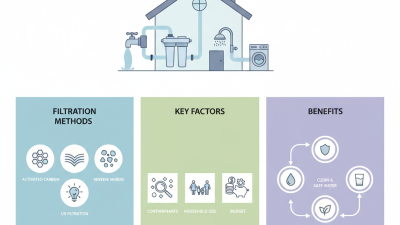
 

Top 10 Water System for Home to Improve Your Drinking Water Quality?

Ensuring clean drinking water is crucial for a healthy lifestyle. Many people overlook the importance of a good water system for home use. When your water quality is poor, it impacts your health. Contaminants can sneak into your tap water, often unnoticed. These issues can lead to various health problems over time.

There are numerous options available to improve your home water quality. From filtration systems to UV purifiers, each has its pros and cons. Some systems are effective but may require regular maintenance. Others are easier to install but might not filter as efficiently. It’s essential to select the right one based on your specific needs. Taking the time to research can lead to better choices.

However, it's important to remember that no system is perfect. Some units may have limitations that need addressing. You should regularly check and replace filters to ensure optimal performance. Reflecting on your choices is vital. Consider what works for your home and your family’s health. Investing in a reliable water system for home can transform your drinking experience.

Top 10 Water System for Home to Improve Your Drinking Water Quality?

Understanding the Importance of Water Quality in Home Drinking Water

Top 10 Water System for Home to Improve Your Drinking Water Quality?

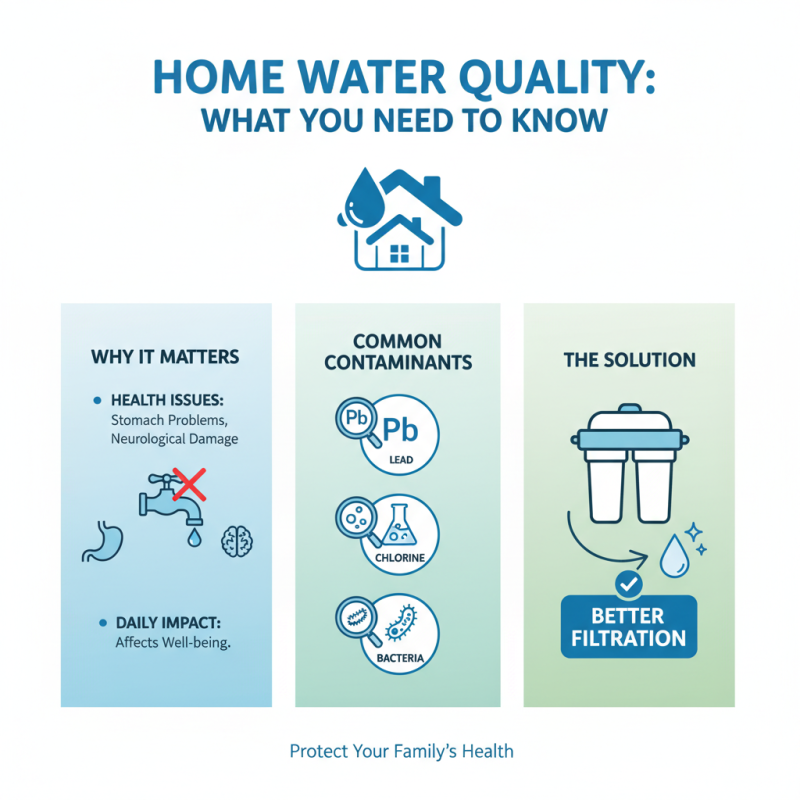
Water quality is crucial for every home. Contaminated drinking water can lead to health issues. Many people underestimate how impurities affect daily life. Lead, chlorine, and bacteria can lurk in tap water. These elements may cause various ailments, from gastrointestinal problems to neurological damage. Understanding the impact of these contaminants helps prioritize better filtration solutions.

Improving drinking water quality starts with awareness. Test your water regularly. Simple DIY tests can reveal shocking results. Even if tap water tastes fine, it may not be safe. Consider investing in water purification systems. These systems can effectively remove harmful substances. However, some solutions might be too expensive or complex for a typical household. Reflect on your water needs. What contaminants are most concerning in your area?

Finding the right water system involves research and careful consideration. Some systems are more effective than others. You may also encounter a variety of options, which can be overwhelming. It's important to remember that no system is perfect. Regular maintenance is essential to ensure optimal performance. We often forget that clean water is a fundamental right, yet many overlook its quality. Prioritizing water quality means prioritizing health and well-being for the entire family.

Types of Common Contaminants Found in Household Drinking Water

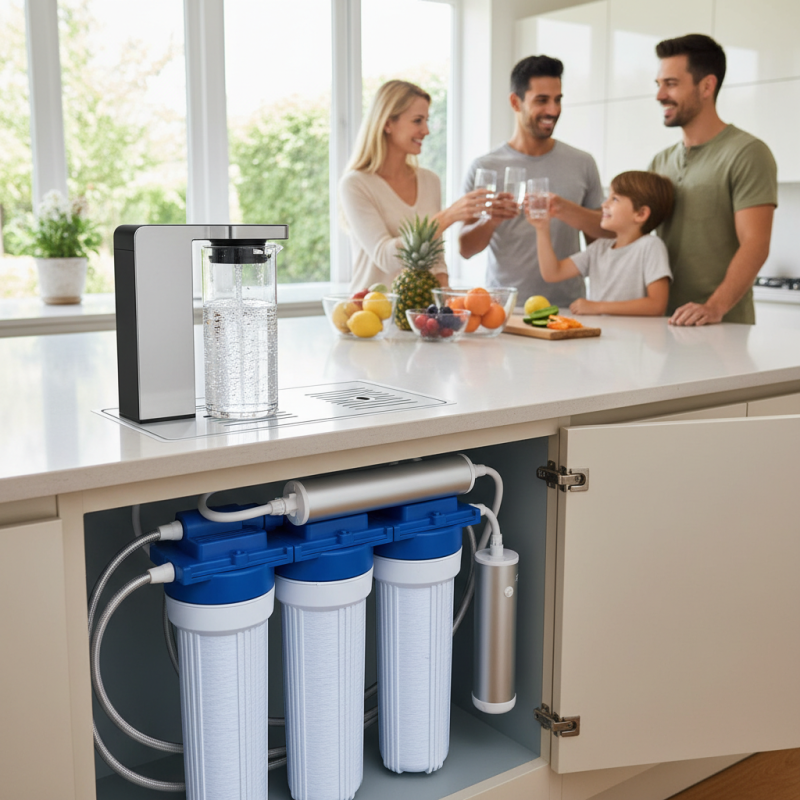
Household drinking water often contains various contaminants. These impurities can significantly impact health. Common issues include bacteria, heavy metals, and chemical byproducts. For instance, lead can leach from old pipes, posing serious health risks, especially to young children.

Another frequent contaminant is chlorine. It's widely used for disinfection but can lead to unpleasant tastes and odors. Moreover, pesticides and herbicides may seep into water supplies from agricultural runoff. This infiltration can affect water safety.

Many homeowners overlook these risks. Regular testing of water quality can reveal hidden problems. Understanding what is in your water can lead to better choices. You might be surprised by the results. Taking action to improve water quality is often not as complicated as it seems.

Overview of Top Water Filtration Systems Available for Home Use

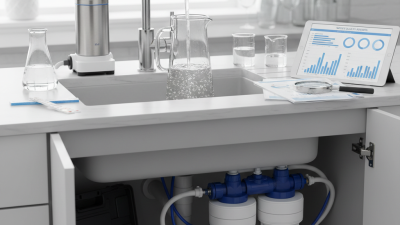
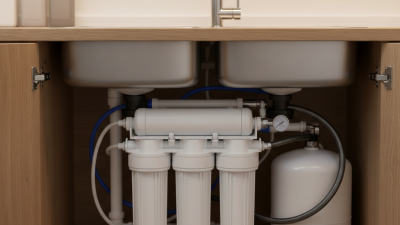
When considering home water filtration, several systems stand out. Each has unique features that cater to different needs. Reverse osmosis systems excel at removing most contaminants. They provide clean, safe drinking water. However, many users find the installation process challenging.

Activated carbon filters are popular too. They improve taste and odor effectively. They are easy to install and maintain. It's important to regularly replace the filter to ensure efficiency. Many systems require attention to quality and maintenance schedules.

Tips: Always check local water quality reports. This can help you determine the contaminants present. Not all systems remove every type of impurity. Consider your specific needs before purchasing. Take time to research each option thoroughly. Don't rush; good water deserves careful selection.

Factors to Consider When Choosing a Water System for Your Home

Top 10 Water System for Home to Improve Your Drinking Water Quality?

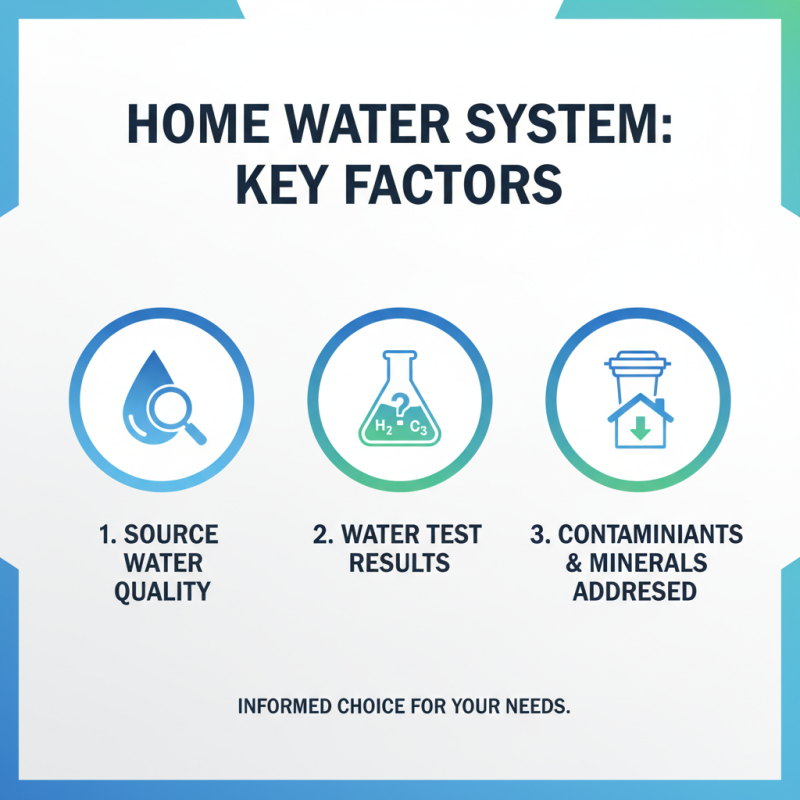
Choosing a water system for your home involves several important factors. The quality of your source water is a key consideration. Test your water to identify contaminants or minerals. This will help determine the best system for your needs.

Another factor is capacity. How much water do you need daily? Consider the size of your household. A larger family may need a system with higher capacity. Don’t overlook maintenance requirements. Some systems require more frequent filters change. This can be time-consuming and costly.

When selecting, think about installation. Some systems are easy to install, while others need professional help. If you enjoy DIY projects, this might matter to you. Look into the type of water filtration as well. Reverse osmosis, UV filters, and carbon filters all serve different purposes. Do your research to find what works best.

**Tips:** Always check local water reports. They can provide vital information. Think about where the system will be placed. Space constraints might limit your choices. Don't rush your decision; take time to weigh all options.

Maintenance Tips for Keeping Your Home Water System Efficient

Maintaining your home water system is essential for ensuring safe and clean drinking water. Regular maintenance helps prevent potential issues and keeps your system running smoothly. Here are some practical tips to enhance efficiency.

Check your filters regularly. Clogged filters can reduce water flow and quality. Replace them as recommended to ensure optimal performance. Monitoring system pressure can help you identify any leaks or malfunctions early. A drop in pressure may indicate a problem that needs attention.

Don't forget about sanitizing! Periodically clean your water system components. Bacteria can build up and cause health issues. Flushing your system is a quick way to maintain freshness. Consider scheduling maintenance checks with a professional. They can spot any unseen issues, making your efforts more effective. Always stay informed and proactive about your system's needs.

Top 10 Water System for Home to Improve Your Drinking Water Quality

System Type Filtration Method Contaminants Removed Installation Type Average Cost Maintenance Tips
Reverse Osmosis System RO Membrane Chlorine, Heavy Metals, Microorganisms Under Sink $150 - $300 Replace filter every 6-12 months
Whole House Filter Activated Carbon Chlorine, Sediment Whole House $500 - $1,500 Check and replace filters yearly
Water Softener Ion Exchange Hard Minerals (Calcium, Magnesium) Whole House $400 - $1,200 Maintain salt levels regularly
UV Water Purifier Ultraviolet Light Bacteria, Viruses Point of Use $100 - $300 Change lamp every 1-2 years
Countertop Filter Activated Carbon, Ceramic Chlorine, Sediment, Odor Countertop $50 - $200 Clean the filter regularly
Pitcher Filter Activated Carbon Chlorine, Heavy Metals Portable $20 - $50 Change filter every 2 months
Distillation System Distillation Heavy Metals, Bacteria, Chemicals Countertop/Under Sink $150 - $400 Clean periodically and check for scale buildup
Inline Filter Activated Carbon Chlorine, Sediment Under Sink $50 - $150 Check and replace every year
Water Ionizer Electrolysis Acidity, Chlorine Countertop/Under Sink $600 - $3,000 Replace filter regularly
Water Filter Faucet Activated Carbon Chlorine, Sediment, Odor Faucet Mounted $30 - $80 Change filter as recommended