Contaminant Comparison Chart

For a complete list of contaminants that PUR filters reduce, please view our Performance Data Sheets here.


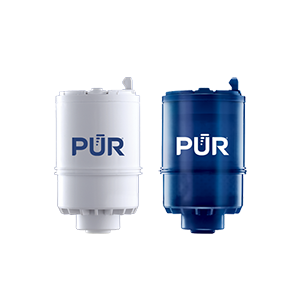
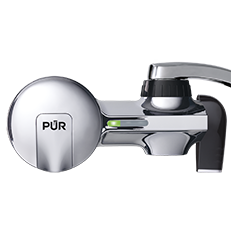
PUR & PUR PLUS FAUCET FILTERS
RF3375/RF9999

View Filters

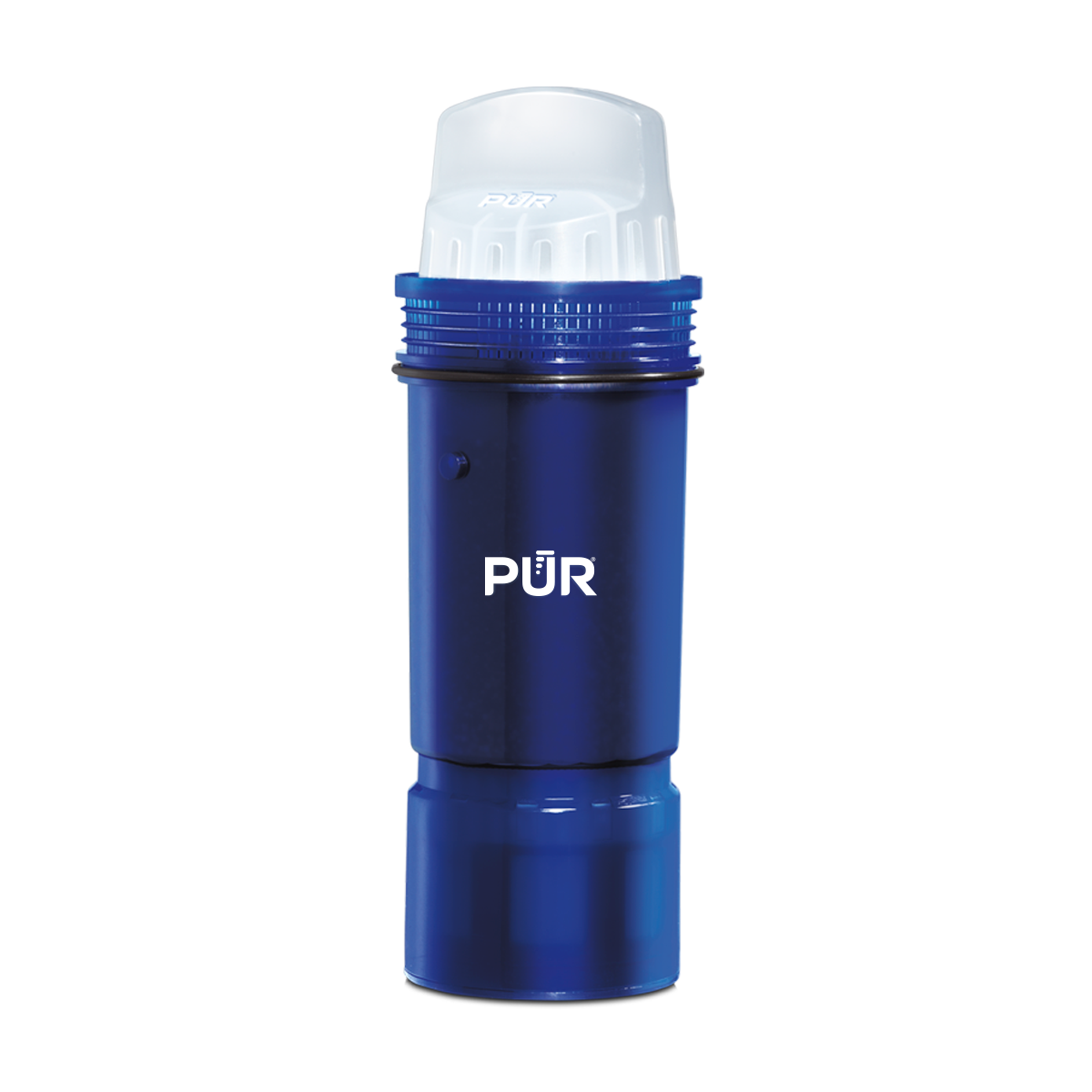
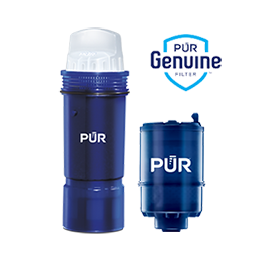
PUR PLUS PITCHER FILTERS
PPF951K

View Filter

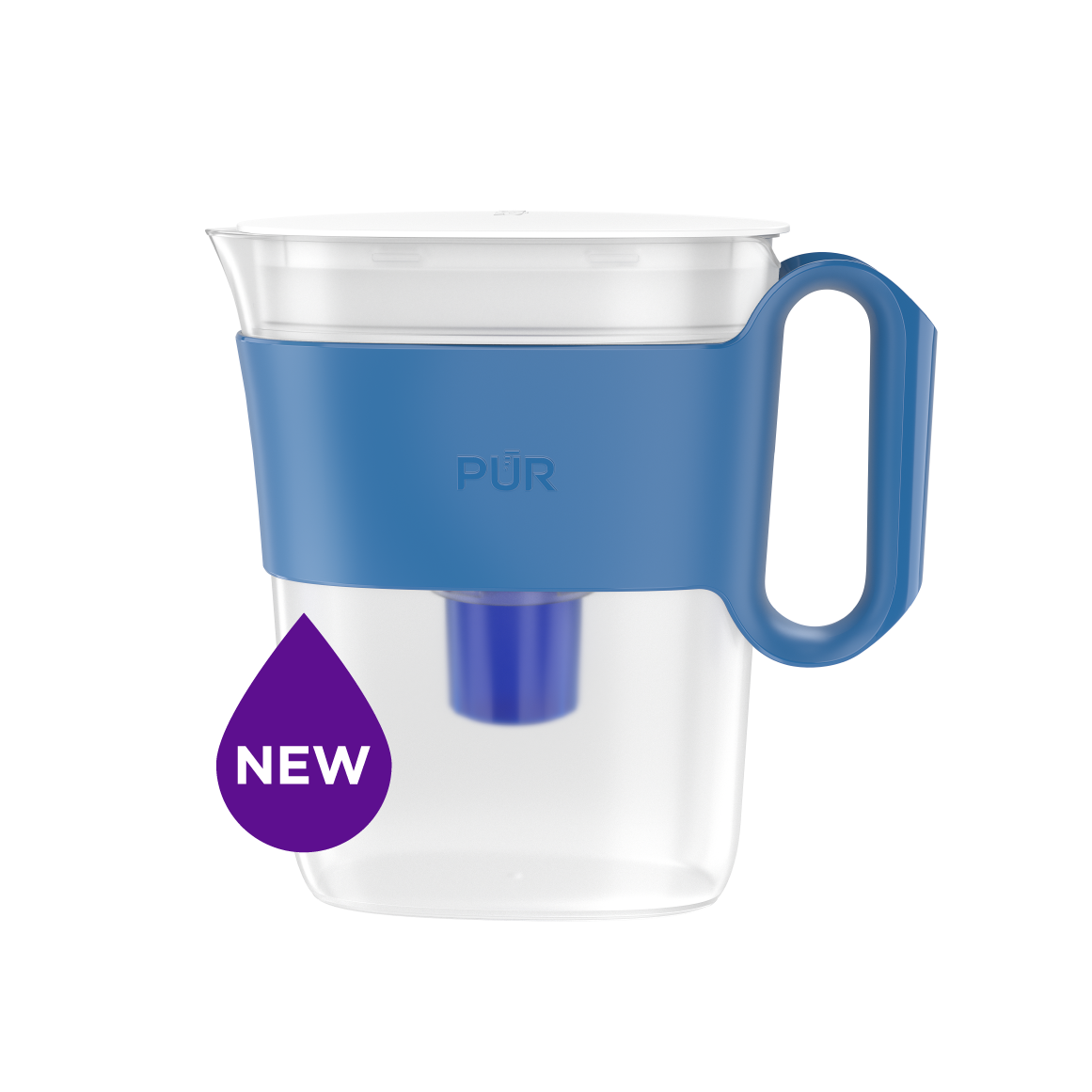
PUR BASIC PITCHER FILTERS
PPF900Z

View Filter


Vs. Brita*

Lead
Microplastics
Mercury
Chlorine Taste & Odor
DEET
TTHM

PUR’s Filtration Systems Are Certified By NSF And WQA For Their Contamination Reduction. WQA certifications as of 5/27/21 for Faucet filter models RF-3375 and RF-9999.

¹ Certified to reduce 10X more chemical and physical substances than Brita’s® leading pitcher filter.
² Certified to reduce 3X more chemical and physical substances than Brita’s® leading pitcher filter.
³ Certified to reduce 2X more chemical and physical substances than Brita’s® leading pitcher filter.
*Versus best-selling Brita® pitcher filter OB03. Brita® is a trademark of Brita LP.
**Like other leading brands, PUR does not filter microbes. As of 3/1/23 Brita® and ZeroWater® were not certified to filter microbes. Brita® is a trademark of Brita LP. ZeroWater® is a trademark of Zero Technologies, LLC..
 

PUR & PUR PLUS FAUCET FILTERS


PUR & PUR PLUS FAUCET FILTERS
RF3375/RF9999

View Filters


Vs. Brita*

Lead
Microplastics
Mercury
Chlorine Taste & Odor
DEET
TTHM

PUR’s Filtration Systems Are Certified By NSF And WQA For Their Contamination Reduction. WQA certifications as of 5/27/21 for Faucet filter models RF-3375 and RF-9999.

¹ Certified to reduce 10X more chemical and physical substances than Brita’s® leading pitcher filter.
² Certified to reduce 3X more chemical and physical substances than Brita’s® leading pitcher filter.
³ Certified to reduce 2X more chemical and physical substances than Brita’s® leading pitcher filter.
*Versus best-selling Brita® pitcher filter OB03. Brita® is a trademark of Brita LP.
**Like other leading brands, PUR does not filter microbes. As of 3/1/23 Brita® and ZeroWater® were not certified to filter microbes. Brita® is a trademark of Brita LP. ZeroWater® is a trademark of Zero Technologies, LLC..
 

PUR PLUS PITCHER FILTERS


PUR PLUS PITCHER FILTERS
PPF951K

View Filter


Vs. Brita*

Lead
Microplastics
Mercury
Chlorine Taste & Odor
DEET
TTHM

PUR’s Filtration Systems Are Certified By NSF And WQA For Their Contamination Reduction. WQA certifications as of 5/27/21 for Faucet filter models RF-3375 and RF-9999.

¹ Certified to reduce 10X more chemical and physical substances than Brita’s® leading pitcher filter.
² Certified to reduce 3X more chemical and physical substances than Brita’s® leading pitcher filter.
³ Certified to reduce 2X more chemical and physical substances than Brita’s® leading pitcher filter.
*Versus best-selling Brita® pitcher filter OB03. Brita® is a trademark of Brita LP.
**Like other leading brands, PUR does not filter microbes. As of 3/1/23 Brita® and ZeroWater® were not certified to filter microbes. Brita® is a trademark of Brita LP. ZeroWater® is a trademark of Zero Technologies, LLC..
 

PUR BASIC PITCHER FILTERS


PUR BASIC PITCHER FILTERS
PPF900Z

View Filter


Vs. Brita*

Lead
Microplastics
Mercury
Chlorine Taste & Odor
DEET
TTHM

PUR’s Filtration Systems Are Certified By NSF And WQA For Their Contamination Reduction. WQA certifications as of 5/27/21 for Faucet filter models RF-3375 and RF-9999.

¹ Certified to reduce 10X more chemical and physical substances than Brita’s® leading pitcher filter.
² Certified to reduce 3X more chemical and physical substances than Brita’s® leading pitcher filter.
³ Certified to reduce 2X more chemical and physical substances than Brita’s® leading pitcher filter.
*Versus best-selling Brita® pitcher filter OB03. Brita® is a trademark of Brita LP.
**Like other leading brands, PUR does not filter microbes. As of 3/1/23 Brita® and ZeroWater® were not certified to filter microbes. Brita® is a trademark of Brita LP. ZeroWater® is a trademark of Zero Technologies, LLC..

 

Top Whole House Water Filter System for Clean and Safe Drinking Water?

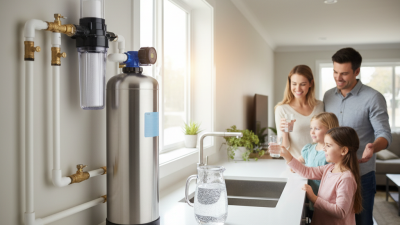
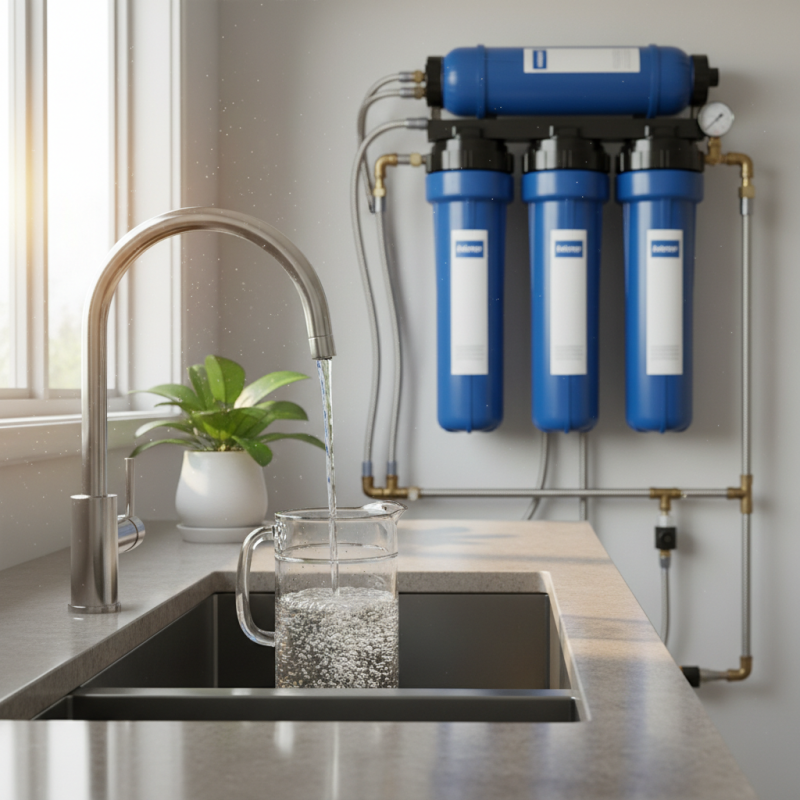
In today’s world, accessing clean water is crucial. A whole house water filter system can enhance the quality of your drinking supply. These systems treat water at the point of entry, ensuring every tap in your home provides safe drinking.

Imagine turning on your faucet and having fresh, purified water flow out. It’s an appealing thought. However, not all systems are created equal. Some may fail to filter out harmful contaminants effectively. Researching the right whole house water filter system becomes essential for your family's health.

Investing in a high-quality system can be a game changer. It might seem like a daunting task initially, but reliability and performance matter. As you explore options, keep your needs in mind. Remember, even the best systems may require occasional maintenance to stay effective. This is a journey of ensuring clean water for years to come.

Top Whole House Water Filter System for Clean and Safe Drinking Water?

Types of Whole House Water Filter Systems Available for Homeowners

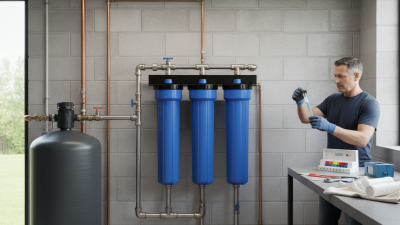
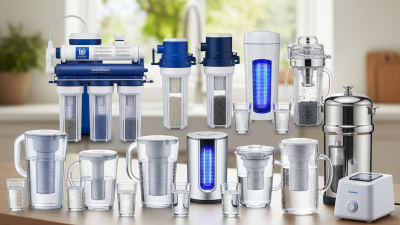
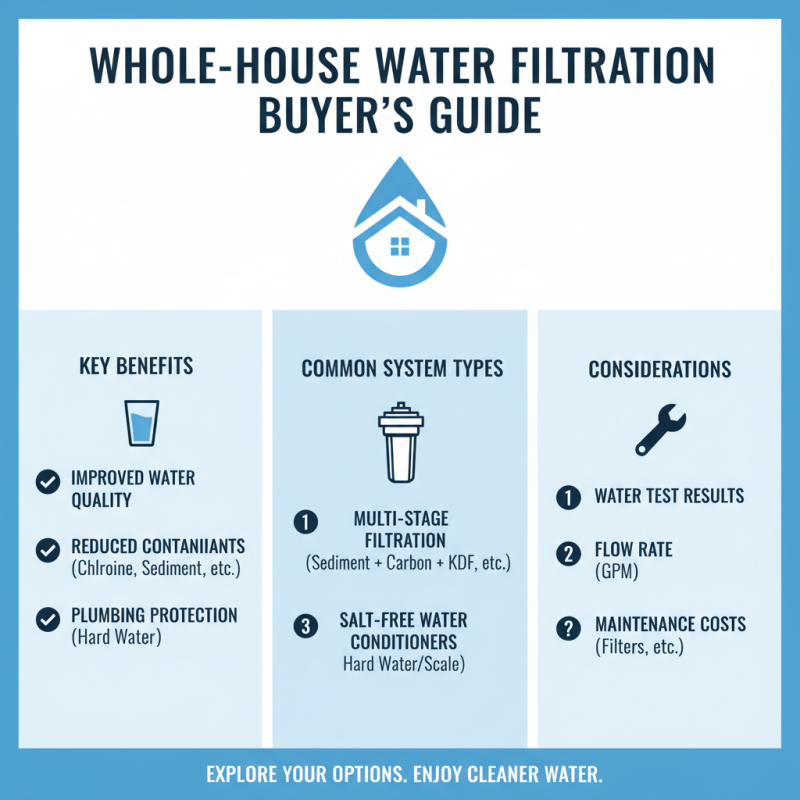
Choosing a whole house water filter system can be daunting. Many options are available, each catering to different needs. You might consider sediment filters. These remove dirt and debris, ensuring clearer water. They work well in homes with well water.

Another type is activated carbon filters. These tackle chlorine and improve taste. But not all carbon filters are created equal. Some may not last long enough for large households. A reverse osmosis system offers more thorough filtration. It reduces contaminants effectively. However, it can be slow and waste water.

Finally, UV systems are gaining popularity. They use ultraviolet light to combat bacteria and viruses. This is a safe method, but it does not address chemical contaminants. Be mindful that maintenance is crucial. Regular filter changes are necessary for optimal performance. Each system has its benefits and limitations. Understanding these can help in making the right choice.

Top Whole House Water Filter System Types

Key Features to Consider When Choosing a Whole House Water Filter

When choosing a whole house water filter, there are several key features to consider. The filtration method is crucial. Common methods include activated carbon, reverse osmosis, and UV purification. Each method targets different contaminants. Knowing your water quality is important. Testing your water can help you make the right choice.

Another key feature is the filter capacity. This determines how much water the system can filter before needing replacement. A higher capacity often means longer intervals between maintenance. Pay attention to the filter lifespan, too. Some filters last months, while others could last years. It’s essential to balance cost with longevity.

Tips: Always look for systems with a good flow rate. A slow flow can be frustrating. Check for certifications, like NSF or ANSI, that ensure quality. Not all filters remove the same contaminants. Some may not deal with heavy metals or bacteria well. Research is necessary for a suitable choice. Filter maintenance is another aspect. Regular checks can prevent issues.

Benefits of Installing a Whole House Water Filter for Your Family

Top Whole House Water Filter System for Clean and Safe Drinking Water?

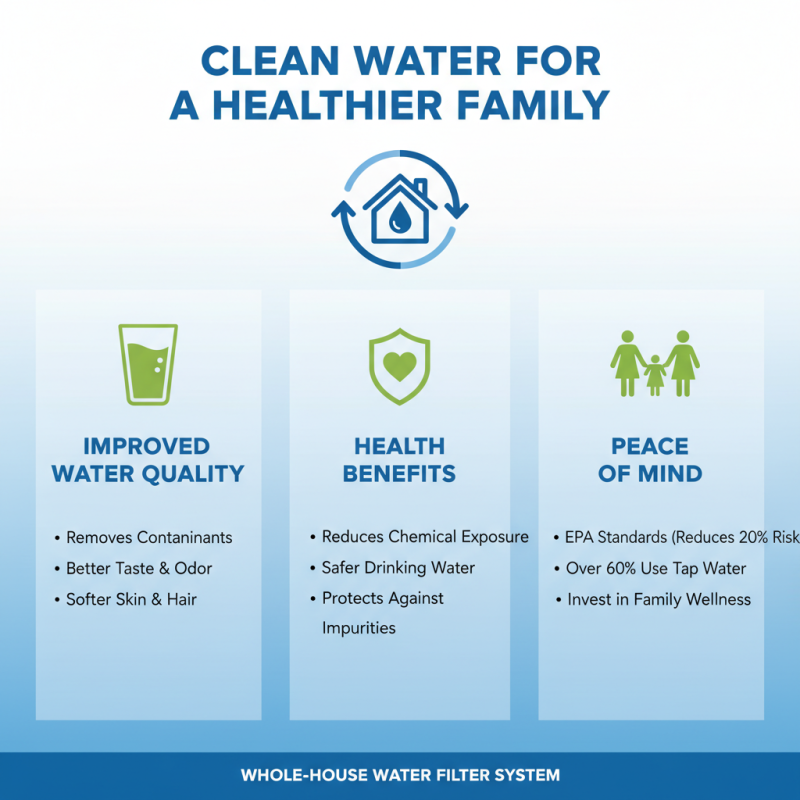
Installing a whole house water filter system has significant benefits for families. It can drastically improve water quality. Studies show that over 60% of households rely on tap water as their primary source. Yet, contaminants often lurk in that water. A report by the Environmental Protection Agency (EPA) indicates that nearly 20% of U.S. water systems violate safety standards.

Using a comprehensive filtration system mitigates these risks. Families experience cleaner drinking water, which can lead to better health outcomes. One study highlights that reducing exposure to harmful substances, like lead, can lower developmental issues in children. Additionally, filtered water smells and tastes better. It encourages proper hydration, vital for overall wellness.

Cost is also a consideration. While installation has an upfront cost, savings on bottled water accumulate over time. Yet, not all systems are perfect. Maintenance is crucial to ensure optimal performance. Some filters may also require periodic replacements, leading to additional expenses. It's essential to evaluate the specific needs of your household and consider these factors carefully.

Top Brands and Models of Whole House Water Filter Systems Reviewed

Top Whole House Water Filter System for Clean and Safe Drinking Water?

When selecting a whole house water filter system, it's essential to explore various options available. Many systems use multiple filtration stages to improve water quality. They can remove contaminants like chlorine and sediment, making your water safer to drink. Some units also address hard water issues, which can cause problems in plumbing.

In the market, you’ll find various models suited to different needs and budgets. Many systems focus on user-friendly installation and maintenance aspects, which is important for convenience. However, potential buyers often overlook the filter replacement frequency and cost. It's crucial to factor this into your budget and maintenance routine.

While many systems boast state-of-the-art technology, performance can vary. Sometimes, reviews may not accurately reflect real-world use. Therefore, it's wise to do thorough research before making a decision. Gathering opinions from genuine users can offer insights that promotional content cannot. After all, clean and safe drinking water is essential for health and well-being.

Maintenance Tips for Ensuring Longevity of Your Water Filter System

Maintaining your whole house water filter system is crucial for clean and safe drinking water. Regular maintenance can seem tedious, but it's necessary. Start by checking the filter cartridges every few months. If they look dirty or clogged, replace them promptly. Installing a reminder system can help you keep track of replacements. A reminder can be as simple as a sticky note on the fridge.


Another important step is to clean the system's housing and components regularly. Bacteria can build up over time, affecting water quality. Use a soft cloth and a mild cleaning solution to wipe down surfaces. Rinse thoroughly to avoid chemical residue. Ensure all connections are tight and free from leaks. Even a small leak can lead to significant problems later.


Keep an eye on water pressure. If it drops suddenly, this could indicate a clogged filter. Make sure to inspect and address potential issues immediately. Neglecting these signs might lead to more substantial repairs or replacements. A proactive approach can save time and money in the long run. Your water filter system deserves attention to function properly and provide safe drinking water.