Contaminant Comparison Chart

For a complete list of contaminants that PUR filters reduce, please view our Performance Data Sheets here.


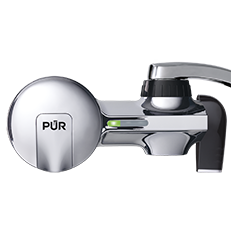
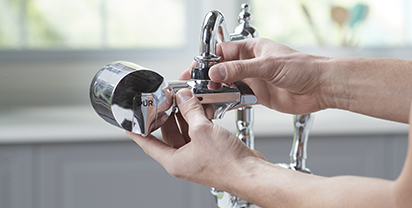
PUR & PUR PLUS FAUCET FILTERS
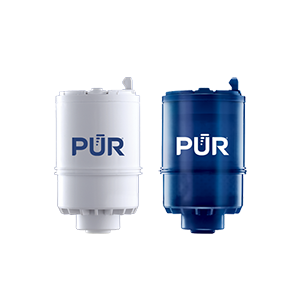
RF3375/RF9999

View Filters

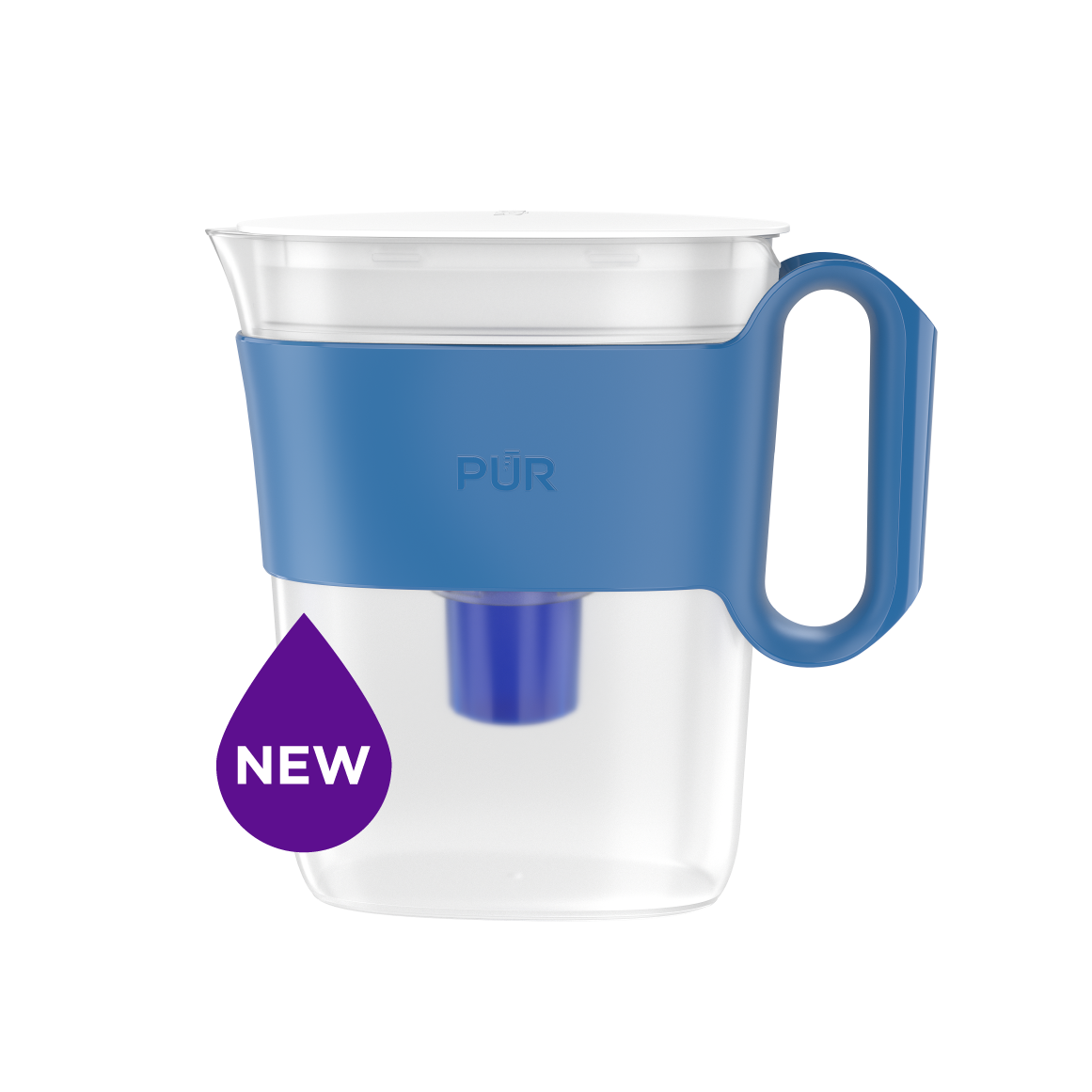
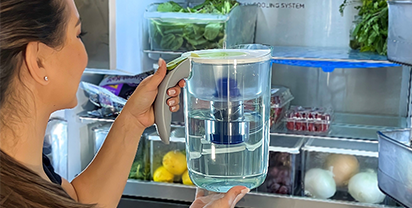
PUR PLUS PITCHER FILTERS
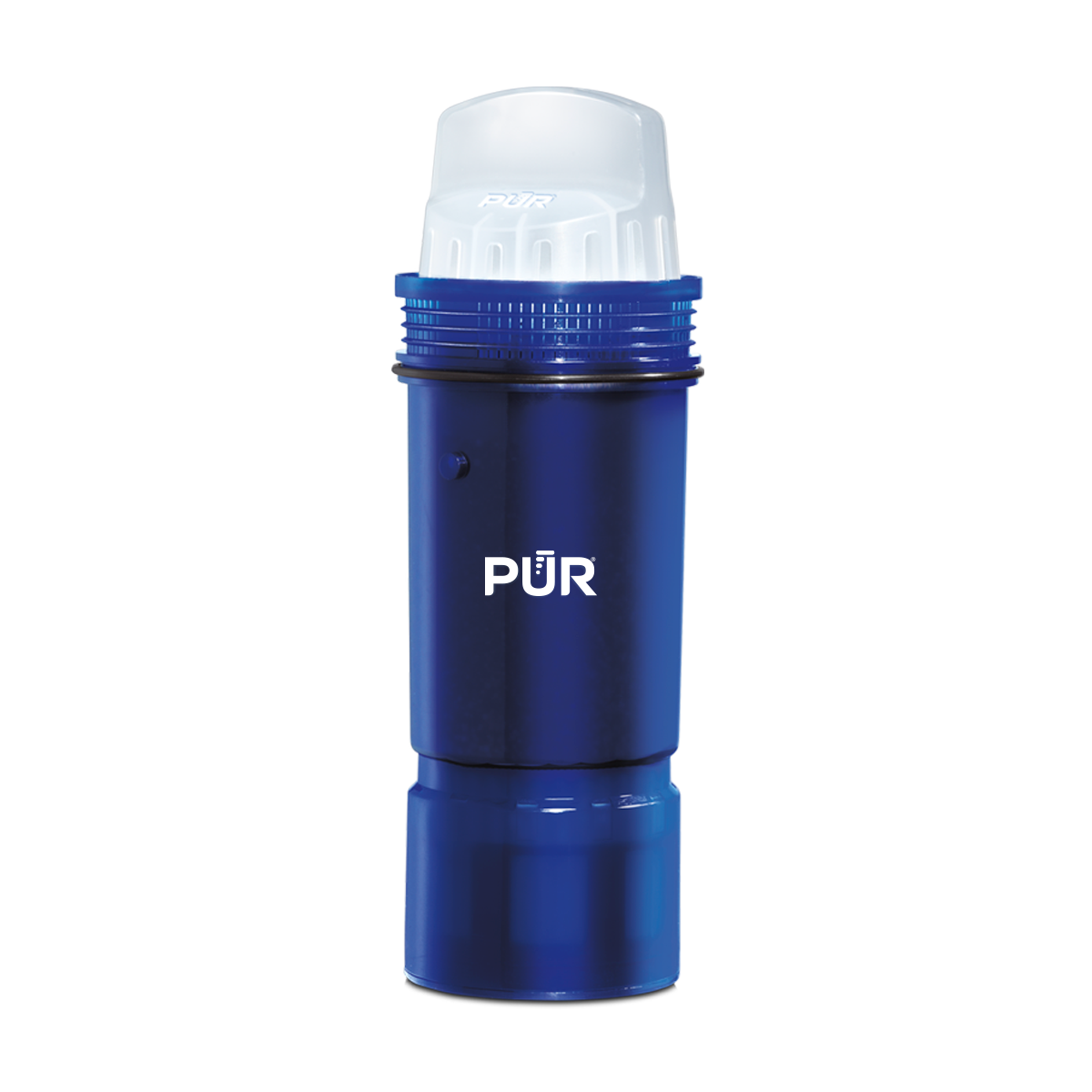
PPF951K

View Filter

PUR BASIC PITCHER FILTERS
PPF900Z

View Filter


Vs. Brita*

Lead
Microplastics
Mercury
Chlorine Taste & Odor
DEET
TTHM

PUR’s Filtration Systems Are Certified By NSF And WQA For Their Contamination Reduction. WQA certifications as of 5/27/21 for Faucet filter models RF-3375 and RF-9999.

¹ Certified to reduce 10X more chemical and physical substances than Brita’s® leading pitcher filter.
² Certified to reduce 3X more chemical and physical substances than Brita’s® leading pitcher filter.
³ Certified to reduce 2X more chemical and physical substances than Brita’s® leading pitcher filter.
*Versus best-selling Brita® pitcher filter OB03. Brita® is a trademark of Brita LP.
**Like other leading brands, PUR does not filter microbes. As of 3/1/23 Brita® and ZeroWater® were not certified to filter microbes. Brita® is a trademark of Brita LP. ZeroWater® is a trademark of Zero Technologies, LLC..
 

PUR & PUR PLUS FAUCET FILTERS


PUR & PUR PLUS FAUCET FILTERS
RF3375/RF9999

View Filters


Vs. Brita*

Lead
Microplastics
Mercury
Chlorine Taste & Odor
DEET
TTHM

PUR’s Filtration Systems Are Certified By NSF And WQA For Their Contamination Reduction. WQA certifications as of 5/27/21 for Faucet filter models RF-3375 and RF-9999.

¹ Certified to reduce 10X more chemical and physical substances than Brita’s® leading pitcher filter.
² Certified to reduce 3X more chemical and physical substances than Brita’s® leading pitcher filter.
³ Certified to reduce 2X more chemical and physical substances than Brita’s® leading pitcher filter.
*Versus best-selling Brita® pitcher filter OB03. Brita® is a trademark of Brita LP.
**Like other leading brands, PUR does not filter microbes. As of 3/1/23 Brita® and ZeroWater® were not certified to filter microbes. Brita® is a trademark of Brita LP. ZeroWater® is a trademark of Zero Technologies, LLC..
 

PUR PLUS PITCHER FILTERS


PUR PLUS PITCHER FILTERS
PPF951K

View Filter


Vs. Brita*

Lead
Microplastics
Mercury
Chlorine Taste & Odor
DEET
TTHM

PUR’s Filtration Systems Are Certified By NSF And WQA For Their Contamination Reduction. WQA certifications as of 5/27/21 for Faucet filter models RF-3375 and RF-9999.

¹ Certified to reduce 10X more chemical and physical substances than Brita’s® leading pitcher filter.
² Certified to reduce 3X more chemical and physical substances than Brita’s® leading pitcher filter.
³ Certified to reduce 2X more chemical and physical substances than Brita’s® leading pitcher filter.
*Versus best-selling Brita® pitcher filter OB03. Brita® is a trademark of Brita LP.
**Like other leading brands, PUR does not filter microbes. As of 3/1/23 Brita® and ZeroWater® were not certified to filter microbes. Brita® is a trademark of Brita LP. ZeroWater® is a trademark of Zero Technologies, LLC..
 

PUR BASIC PITCHER FILTERS


PUR BASIC PITCHER FILTERS
PPF900Z

View Filter


Vs. Brita*

Lead
Microplastics
Mercury
Chlorine Taste & Odor
DEET
TTHM

PUR’s Filtration Systems Are Certified By NSF And WQA For Their Contamination Reduction. WQA certifications as of 5/27/21 for Faucet filter models RF-3375 and RF-9999.

¹ Certified to reduce 10X more chemical and physical substances than Brita’s® leading pitcher filter.
² Certified to reduce 3X more chemical and physical substances than Brita’s® leading pitcher filter.
³ Certified to reduce 2X more chemical and physical substances than Brita’s® leading pitcher filter.
*Versus best-selling Brita® pitcher filter OB03. Brita® is a trademark of Brita LP.
**Like other leading brands, PUR does not filter microbes. As of 3/1/23 Brita® and ZeroWater® were not certified to filter microbes. Brita® is a trademark of Brita LP. ZeroWater® is a trademark of Zero Technologies, LLC..
 

What is a Water Filter and How Does it Work?

Access to clean drinking water is essential for health. A water filter plays a crucial role in ensuring water quality. According to the World Health Organization, around 2 billion people lack safe drinking water. This statistic highlights the urgent need for effective filtration methods.

Water filters are designed to remove contaminants. These include bacteria, heavy metals, and chlorine. The Environmental Protection Agency states that contaminants can cause serious health issues. Yet, many people underestimate the importance of filtration systems. A common misconception is that tap water is always safe. However, aging infrastructure can lead to harmful substances in our water supply.

Choosing the right water filter involves understanding different options available. Each type has its own strengths and weaknesses. For example, some filters may not remove all contaminants. While others may have maintenance challenges. This complexity can be overwhelming. Yet, it emphasizes the importance of selecting a reliable water filter for safe drinking water.

What is a Water Filter and How Does it Work?

What is a Water Filter?

What is a Water Filter and How Does it Work?

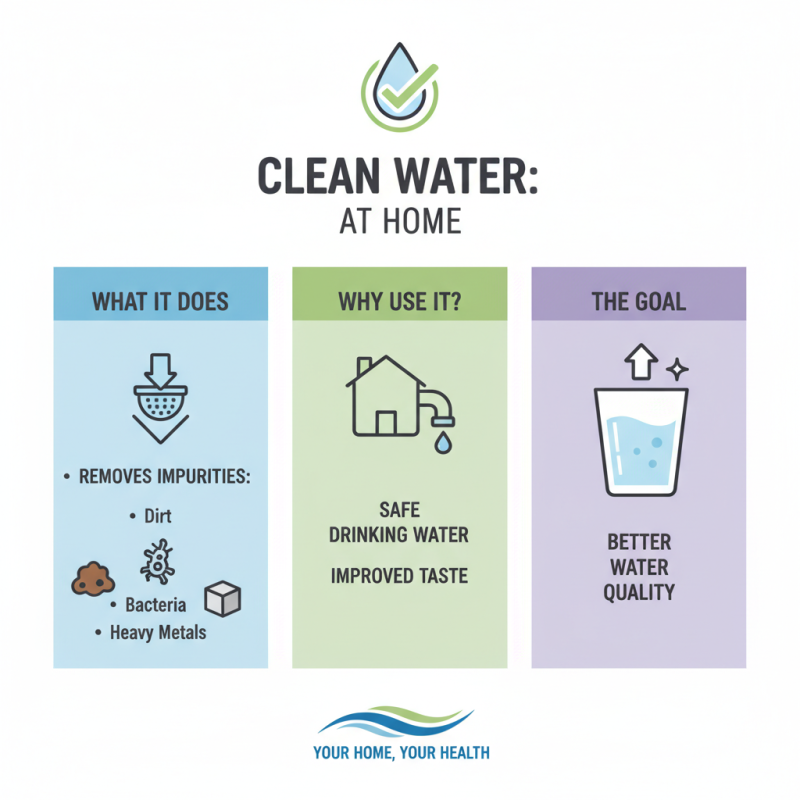
A water filter is a device designed to remove impurities from water. These impurities can include dirt, bacteria, and heavy metals. Many households use water filters to ensure clean and safe drinking water. The aim is simple: to improve water quality and taste.

Different types of water filters exist. Some use physical barriers, like screens or membranes. Others rely on chemical processes to capture contaminants. This can feel overwhelming, especially for those new to filtering systems. The choices can be confusing, and not every filter is perfect. Sometimes they remove certain beneficial minerals along with harmful pollutants. It’s important to understand what each filter can or cannot do.

Choosing the right filter can lead to better health and hydration. However, it's crucial to maintain these devices properly. A dirty or clogged filter can do more harm than good. Regular maintenance and replacement are essential. Ignoring these aspects can lead to water quality issues over time.

Types of Water Filters and Their Applications

Water filters are essential tools for ensuring clean and safe drinking water. There are various types of water filters, each serving different needs. Activated carbon filters are popular for their ability to remove chlorine and improve taste. They are commonly used in homes. However, they may not remove all contaminants effectively.

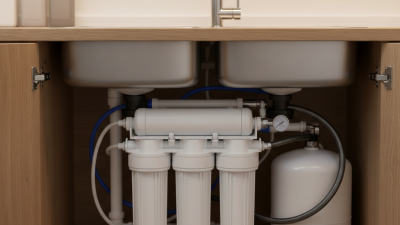
Reverse osmosis filters are another option. They work by pushing water through a semipermeable membrane. This process helps eliminate larger particles and dissolved salts. Many people favor these filters for their thoroughness. But they can waste a significant amount of water, which is something to consider.

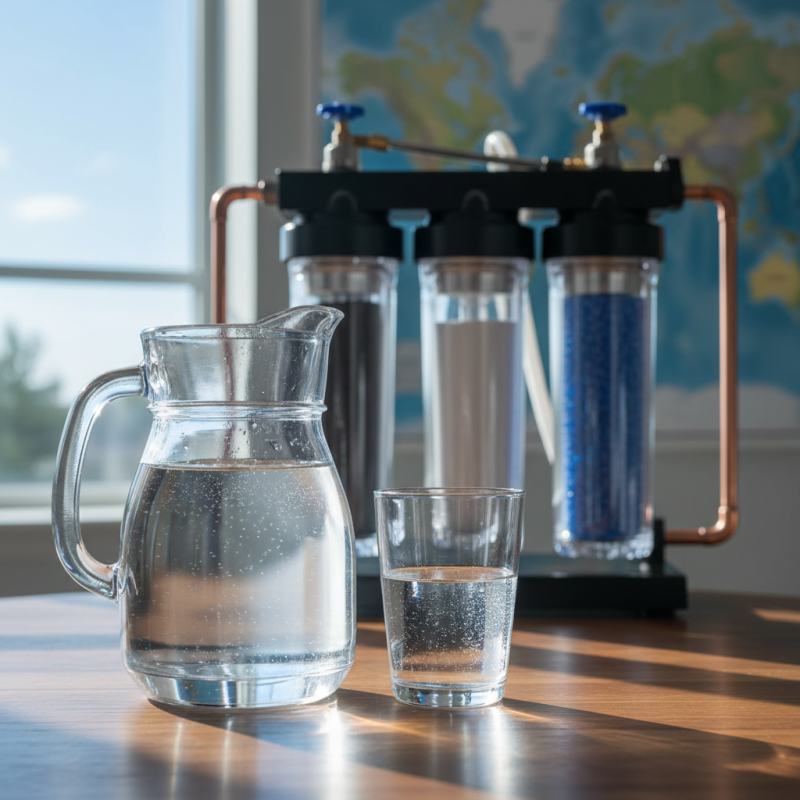
Ceramic filters are also available. They use a porous ceramic material to trap bacteria and sediment. These filters are often seen in portable filtration systems. The downside is they may require regular cleaning and can clog easily. Each type of filter has its benefits and drawbacks. Assessing water quality is vital in choosing the right filter.

Types of Water Filters and Their Applications

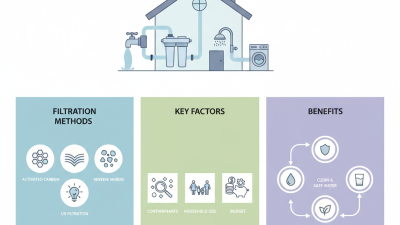
This chart illustrates different types of water filters and their effectiveness in removing various contaminants commonly found in water sources.

The Filtration Process: How Water Filters Work

Water filters play a crucial role in improving water quality. They remove impurities, chemicals, and contaminants from tap water. Different filtration methods are used, each with its unique process. Understanding how water filters work reveals their importance in daily life.

The filtration process starts with a pre-filter layer. This layer captures large debris like hair or sand. Then, water moves through other layers designed to trap smaller particles. For instance, activated carbon filters absorb chlorine, bad tastes, and odors. These layers work together to provide cleaner water. However, some filters may have limited effectiveness.

Other methods like reverse osmosis use pressure to push water through a semipermeable membrane. This method removes even smaller contaminants, ensuring higher purity levels. Yet, not all systems are perfect. They can waste water or require maintenance. Users must consider these factors and choose wisely for their needs.

Benefits of Using a Water Filter

What is a Water Filter and How Does it Work?

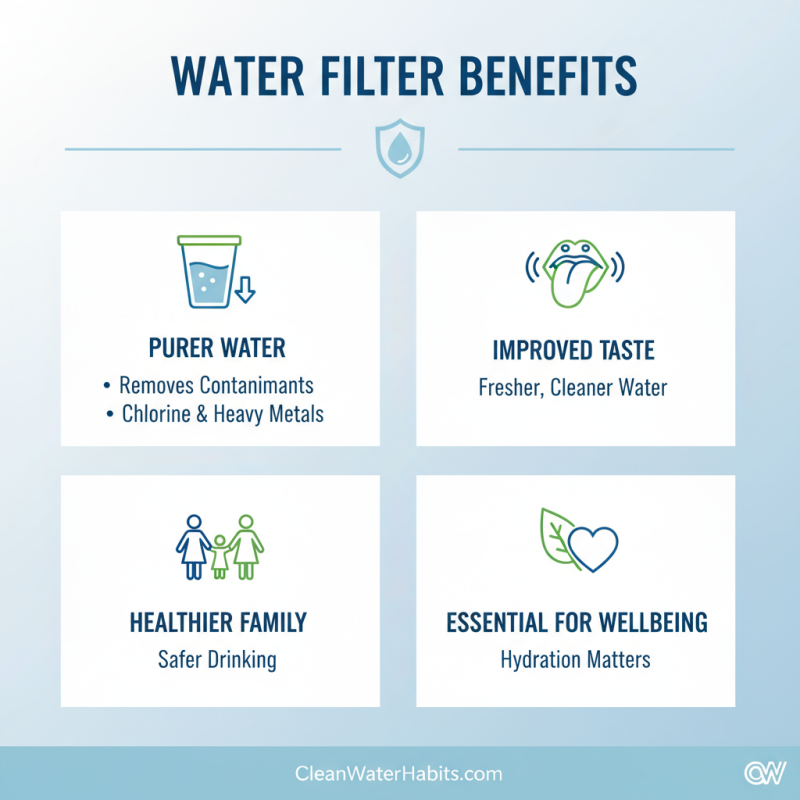
Using a water filter offers many advantages that can significantly improve your health and lifestyle. Clean drinking water is essential. A good filter removes contaminants, including chlorine and heavy metals. This can enhance taste. It can also make water safer for your family.

The benefits go beyond just health. Water filters contribute to environmental sustainability. They reduce the use of plastic bottles, which helps minimize waste. Imagine the impact of using a filter instead of buying bottled water every week. However, filters require regular maintenance. Forgetting to replace filters can lead to ineffective filtration. This is a crucial point that many overlook. A little attention can save you from potential risks.

In addition to health and environmental benefits, using a filter can be economically wise. Consider the cost of bottled water over time. A water filter may have a higher upfront cost, but it pays off in the long run. Still, one must think about personal habits. Are you committed to using the filter properly? Be honest about your routine. These factors greatly influence the overall effectiveness of water filtration.

Maintenance and Replacement of Water Filters

Water filters are essential for clean drinking water. However, they require regular maintenance to function effectively. Over time, filters can accumulate contaminants and reduce their filtration capabilities. Neglecting maintenance can lead to poor water quality, which is something no one desires.

Replacement of filters is equally important. Each filter has a specific lifespan, often measured in gallons or months. Ignoring this can cause bacteria growth. It’s a mistake that could have serious health implications. Checking the filter status regularly is a good practice. Many filters have indicators or guidelines on when to replace them.

Cleaning the filter system itself is also crucial. Some models allow for basic cleaning, while others may not. This distinction can cause confusion. Regular cleanings help extend the life of your filter. Users should refer to their manuals for specific instructions. Maintenance may feel tedious but will lead to safer drinking water long-term.

What is a Water Filter and How Does it Work? - Maintenance and Replacement of Water Filters

Filter Type Filtration Method Maintenance Frequency Replacement Indicator Average Lifespan
Activated Carbon Filter Absorption Every 6 months Water taste or odor changes 6-12 months
Reverse Osmosis Filter Membrane filtration Every 2 years Reduced water flow 2-5 years
UV Filter Ultraviolet light Annually Light bulb is dim 1 year (bulb)
Sediment Filter Physical filtration Every 6 months Increased pressure drop 6-12 months