
Contaminant Comparison Chart

For a complete list of contaminants that PUR filters reduce, please view our Performance Data Sheets here.


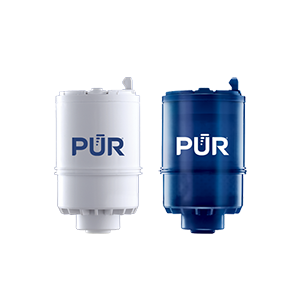
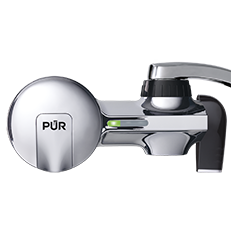
PUR & PUR PLUS FAUCET FILTERS
RF3375/RF9999

View Filters

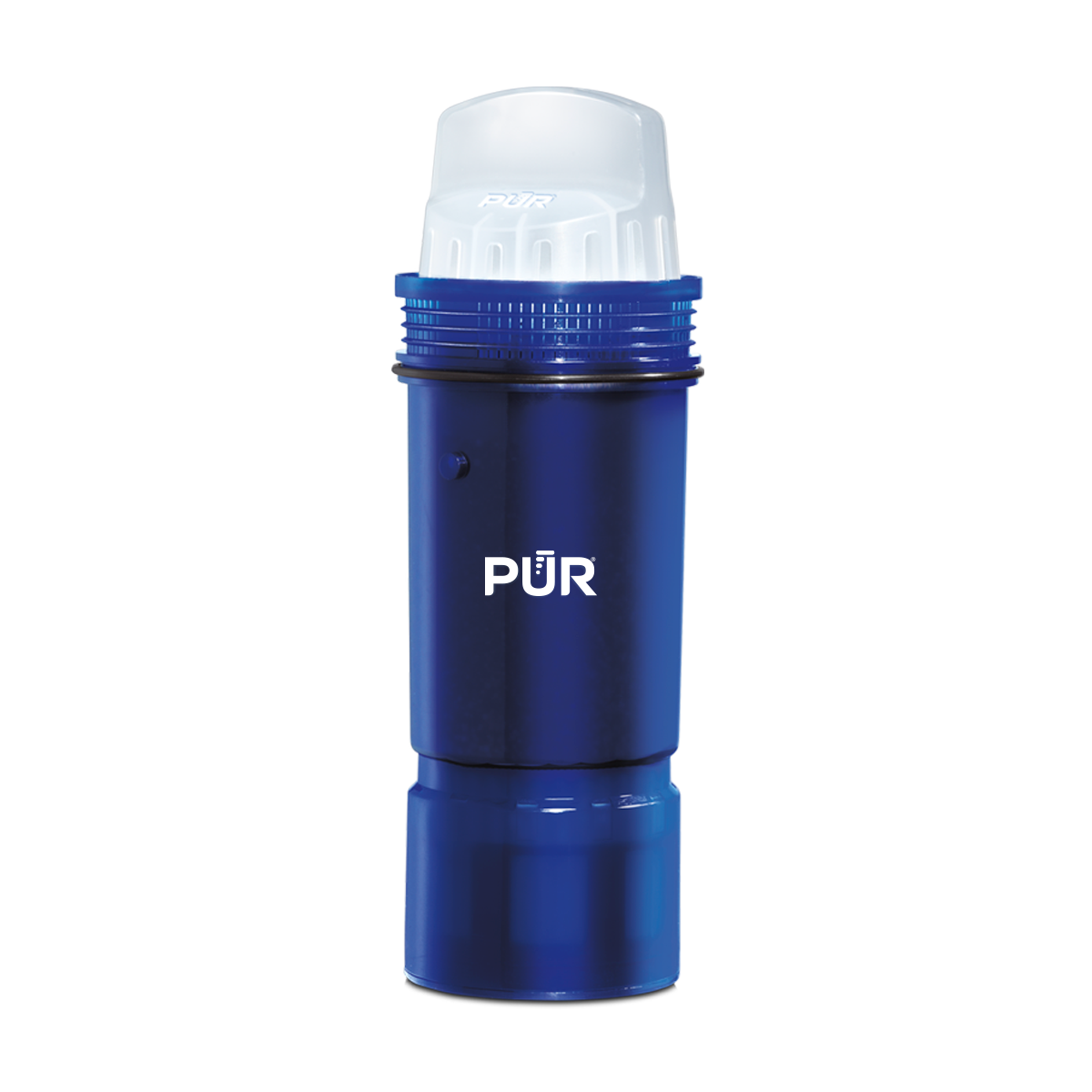
PUR PLUS PITCHER FILTERS
PPF951K

View Filter

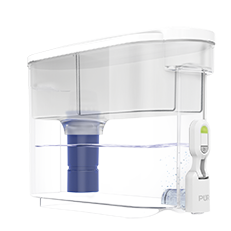
PUR BASIC PITCHER FILTERS
PPF900Z

View Filter


Vs. Brita*

Lead
Microplastics
Mercury
Chlorine Taste & Odor
DEET
TTHM

PUR’s Filtration Systems Are Certified By NSF And WQA For Their Contamination Reduction. WQA certifications as of 5/27/21 for Faucet filter models RF-3375 and RF-9999.

¹ Certified to reduce 10X more chemical and physical substances than Brita’s® leading pitcher filter.
² Certified to reduce 3X more chemical and physical substances than Brita’s® leading pitcher filter.
³ Certified to reduce 2X more chemical and physical substances than Brita’s® leading pitcher filter.
*Versus best-selling Brita® pitcher filter OB03. Brita® is a trademark of Brita LP.
**Like other leading brands, PUR does not filter microbes. As of 3/1/23 Brita® and ZeroWater® were not certified to filter microbes. Brita® is a trademark of Brita LP. ZeroWater® is a trademark of Zero Technologies, LLC..
 

PUR & PUR PLUS FAUCET FILTERS


PUR & PUR PLUS FAUCET FILTERS
RF3375/RF9999

View Filters


Vs. Brita*

Lead
Microplastics
Mercury
Chlorine Taste & Odor
DEET
TTHM

PUR’s Filtration Systems Are Certified By NSF And WQA For Their Contamination Reduction. WQA certifications as of 5/27/21 for Faucet filter models RF-3375 and RF-9999.

¹ Certified to reduce 10X more chemical and physical substances than Brita’s® leading pitcher filter.
² Certified to reduce 3X more chemical and physical substances than Brita’s® leading pitcher filter.
³ Certified to reduce 2X more chemical and physical substances than Brita’s® leading pitcher filter.
*Versus best-selling Brita® pitcher filter OB03. Brita® is a trademark of Brita LP.
**Like other leading brands, PUR does not filter microbes. As of 3/1/23 Brita® and ZeroWater® were not certified to filter microbes. Brita® is a trademark of Brita LP. ZeroWater® is a trademark of Zero Technologies, LLC..


PUR PLUS PITCHER FILTERS


PUR PLUS PITCHER FILTERS
PPF951K

View Filter


Vs. Brita*

Lead
Microplastics
Mercury
Chlorine Taste & Odor
DEET
TTHM

PUR’s Filtration Systems Are Certified By NSF And WQA For Their Contamination Reduction. WQA certifications as of 5/27/21 for Faucet filter models RF-3375 and RF-9999.

¹ Certified to reduce 10X more chemical and physical substances than Brita’s® leading pitcher filter.
² Certified to reduce 3X more chemical and physical substances than Brita’s® leading pitcher filter.
³ Certified to reduce 2X more chemical and physical substances than Brita’s® leading pitcher filter.
*Versus best-selling Brita® pitcher filter OB03. Brita® is a trademark of Brita LP.
**Like other leading brands, PUR does not filter microbes. As of 3/1/23 Brita® and ZeroWater® were not certified to filter microbes. Brita® is a trademark of Brita LP. ZeroWater® is a trademark of Zero Technologies, LLC..


PUR BASIC PITCHER FILTERS


PUR BASIC PITCHER FILTERS
PPF900Z

View Filter


Vs. Brita*

Lead
Microplastics
Mercury
Chlorine Taste & Odor
DEET
TTHM

PUR’s Filtration Systems Are Certified By NSF And WQA For Their Contamination Reduction. WQA certifications as of 5/27/21 for Faucet filter models RF-3375 and RF-9999.

¹ Certified to reduce 10X more chemical and physical substances than Brita’s® leading pitcher filter.
² Certified to reduce 3X more chemical and physical substances than Brita’s® leading pitcher filter.
³ Certified to reduce 2X more chemical and physical substances than Brita’s® leading pitcher filter.
*Versus best-selling Brita® pitcher filter OB03. Brita® is a trademark of Brita LP.
**Like other leading brands, PUR does not filter microbes. As of 3/1/23 Brita® and ZeroWater® were not certified to filter microbes. Brita® is a trademark of Brita LP. ZeroWater® is a trademark of Zero Technologies, LLC..


Welding Protection Tips You Need to Know for Safety

Welding is a critical skill, but it comes with risks. Proper Welding Protection is essential for ensuring safety in this demanding field. Many welders underestimate the hazards involved, leading to accidents and injuries. Awareness and preparation can make a significant difference.

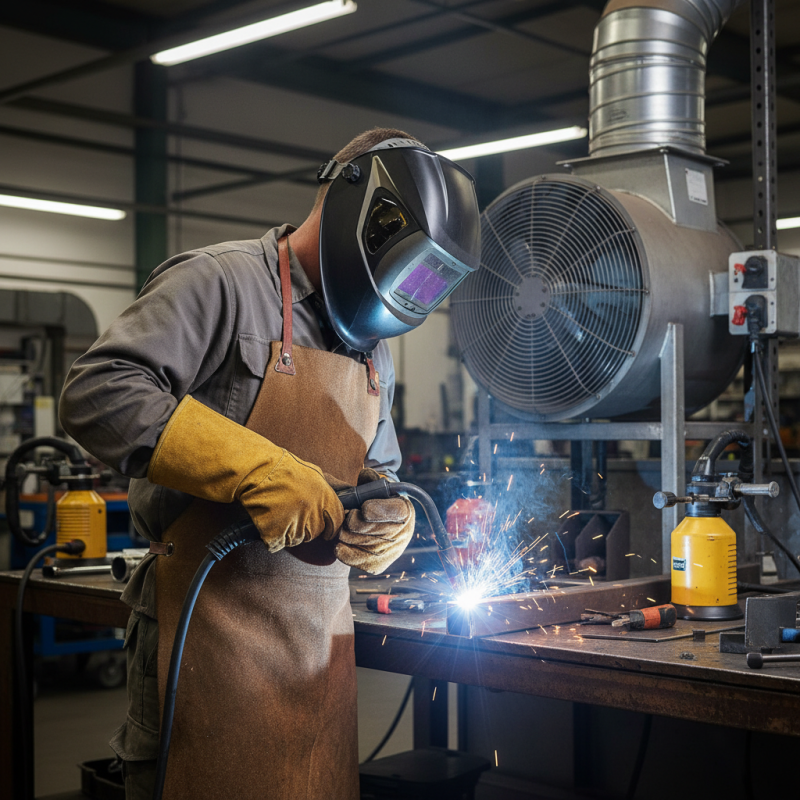
When working with welding equipment, the right protective gear is vital. This includes welding helmets, gloves, and protective clothing. Each piece of equipment serves a specific purpose. For example, welding helmets shield your eyes from intense light and sparks. However, even with the best gear, it’s easy to overlook small details.

Adequate ventilation is often ignored, yet it plays a crucial role in safety. Fumes and gases can accumulate quickly, creating hazardous conditions. Many workers feel invincible while welding, but overlooking such factors can lead to serious, avoidable health issues. Focus on welding protection to create a safer workspace. Every detail counts in protecting yourself on the job.

Welding Protection Tips You Need to Know for Safety

Understanding the Importance of Welding Protective Gear

Welding can be hazardous. Understanding the importance of protective gear is vital for every welder. According to the American National Standards Institute (ANSI), welders are at high risk for injuries. Reports show that 52% of welding accidents involve burns. This highlights the necessity for proper protective equipment.

Wearing a welding helmet with dark filters is crucial. It shields against intense light and flying sparks. Gloves and flame-resistant clothing also play a significant role. Many injuries come from not wearing adequate gloves. A study noted that 37% of fabric burns occur due to poor gear. Proper clothing can prevent serious skin damage.

Face shields should be considered for added protection. They guard against harmful UV and infrared radiation. Welders are often exposed to these dangers daily. The Occupational Safety and Health Administration (OSHA) suggests regular gear assessments. Sometimes, welders overlook gear maintenance, leading to increased risk. Regular checks can save lives.

Welding Protection Gear Usage and Their Effectiveness

Essential Personal Protective Equipment for Welders

Welding is a rewarding profession, but safety is crucial. Personal protective equipment (PPE) is essential for every welder. A well-fitted helmet guards against harmful rays and sparks. According to the American Welding Society, nearly 50% of injuries result from inadequate eye protection. High-quality helmets significantly reduce these risks.

In addition to helmets, gloves are vital. Welding gloves should be heat-resistant and durable. Many welders overlook their gloves, leading to burns and cuts. Data shows that nearly 40% of welding injuries involve hand injuries. The right gloves can help prevent this, offering both grip and protection.

Safety boots are also necessary. High-top, steel-toe boots protect against heavy objects and molten metal. More than 30% of footwear injuries occur due to improper footwear. Welders often ignore their boots, putting themselves at risk. Regularly checking PPE for wear and tear is important. Small cracks in a helmet can compromise safety. Each piece of equipment plays a critical role in overall safety. Ignoring one can lead to serious consequences.

Welding Protection Tips You Need to Know for Safety - Essential Personal Protective Equipment for Welders

Protective Equipment Description Importance
Welding Helmet Protects the face and eyes from arc rays and sparks Prevents eye injuries and skin burns
Gloves Shield hands from heat and sparks Protects against cuts and burns
Welding Jacket Made of flame-resistant material Prevents heat-related injuries
Respirator Filters harmful fumes and gases Protects respiratory health
Safety Boots Protects feet from heavy objects and molten metal Reduces risk of foot injuries

Common Hazards in Welding and How to Mitigate Them

Welding presents various hazards that every welder should recognize. One significant risk is exposure to intense UV radiation. This can cause severe burns. Always wear appropriate protective gear, including a welding helmet with a proper shade lens. Inadequate protection can lead to painful injuries.

Another common hazard is inhalation of harmful fumes. Welders often work with metals and fillers that release toxic gases. A well-ventilated workspace is essential. Consider using proper respirators when necessary. Many underestimate the importance of airflow. It's common to see welders working in confined spaces without adequate ventilation. This neglect can have serious consequences.

Fire hazards are also prevalent. Sparks can ignite flammable materials nearby. Always keep a fire extinguisher close. It's easy to become complacent about surroundings. Regularly check that the work area is free of debris and flammable substances. Small lapses in attention can lead to devastating outcomes. Stay alert and prioritize safety at every step.

Best Practices for Maintaining and Inspecting Welding Equipment

Welding equipment requires regular maintenance and inspection. Neglecting this can lead to accidents. Inspect your welding machine before every use. Check for frayed cables or loose connections. A small oversight can result in serious injury.

Keep your equipment clean and free of contaminants. Dust and debris can interfere with performance. Make it a habit to wipe down surfaces. Ensure that ventilation systems are functioning. Poor airflow can create harmful environments, damaging both equipment and health.

Document your inspections and maintenance routine. This will help you track wear and tear. If something seems off, investigate further. Relying on assumptions is risky. Maintaining detailed records can alert you to patterns that may need addressing. Remember to seek professional help when issues become complex or beyond your expertise.

Emergency Procedures and First Aid for Welding Accidents

Welding can be a rewarding activity, but it also comes with risks. Knowing emergency procedures is crucial. In the event of a welding accident, remain calm. Assess the situation quickly. If someone is injured, your immediate response matters the most. Check for burns, respiratory issues, or cuts. Contact emergency services if necessary.


For burns, cool the affected area with running water for at least 20 minutes. Do not use ice, as it can worsen the injury. If the burn is severe, cover it with a clean cloth. For minor cuts, clean the wound and apply a sterile bandage. Ensure the injured person doesn't move too much. This could prevent further injury.


Always have a first-aid kit on hand. Regularly check the supplies inside. Sometimes, people underestimate the need for basic medical items. You might neglect to include burn cream or antiseptic wipes. Those little details can matter in critical moments. Ensure that everyone in your workspace knows the emergency plan. This can save time during stressful situations. Being prepared is essential for a safe welding environment.